Music has a funny way of separating melody from meaning. A song can climb the charts, soundtrack weddings, get blasted at football games, and still have almost nothing to do with what listeners think it’s about. Sometimes it’s a catchy chorus doing the heavy lifting, drowning out darker verses. Other times it’s just decades of pop culture repeating the same wrong assumption until it hardens into fact. Here are seven songs where the gap between public perception and actual songwriter intent is wide enough to be genuinely surprising, even to longtime fans.
1. Born in the U.S.A. by Bruce Springsteen

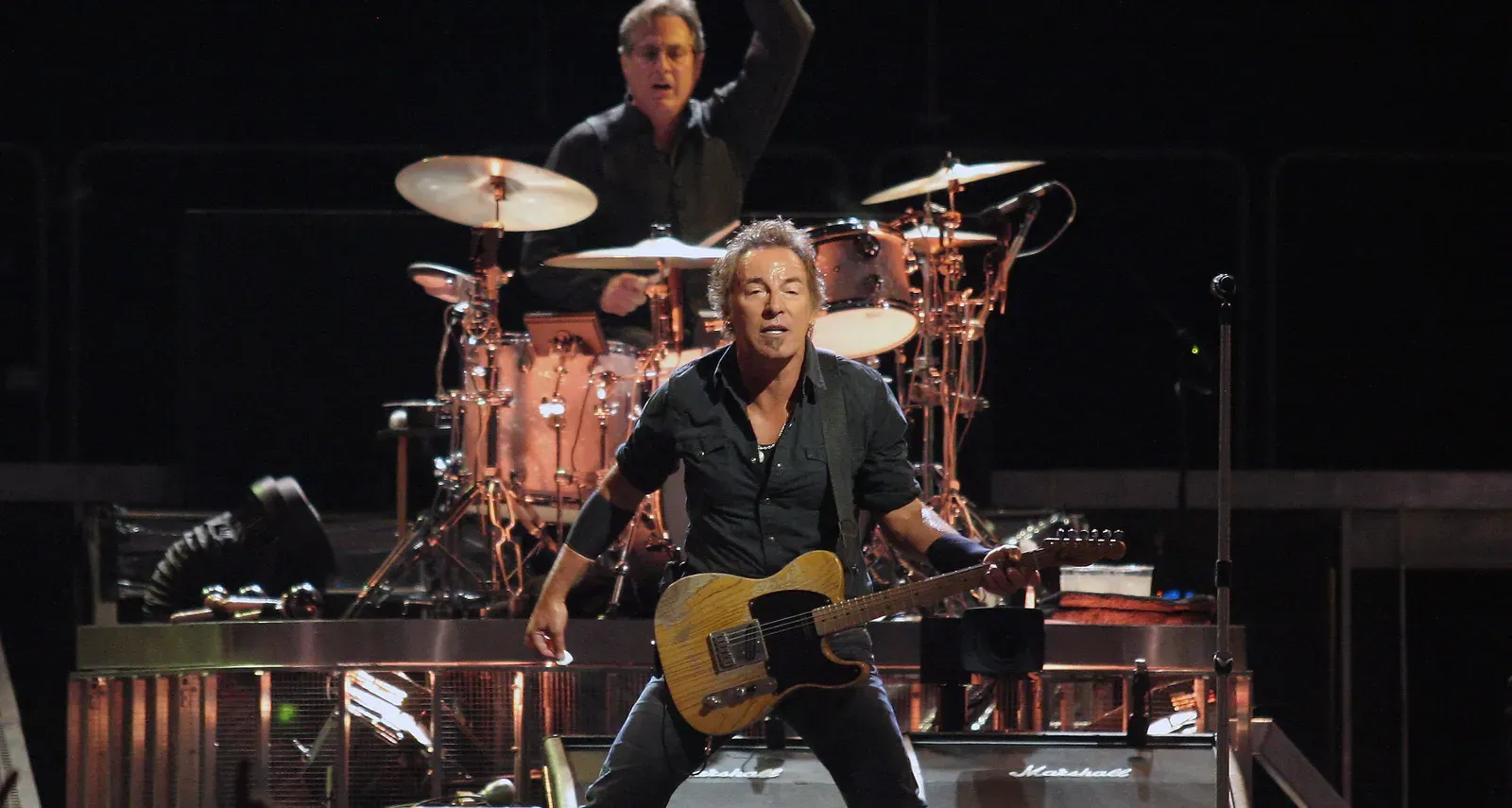
For a lot of people, this is still the ultimate flag-waving anthem, the song blasted at barbecues and campaign rallies alike. Often misinterpreted as a full-throated patriotic anthem, “Born In The U.S.A.” is about the problems Vietnam veterans faced when they returned to America. The booming chorus makes it easy to miss the point entirely if you’re not paying attention to the verses.
Bruce Springsteen’s 1984 hit “Born in the U.S.A” has often been used as a patriotic anthem, but it’s actually about the raw deal Vietnam Vets got. Politicians have leaned into that confusion for decades. Ronald Reagan, one of the first Americans to misrepresent the song’s message, referenced it during his 1984 presidential campaign, and it’s been widely misunderstood by many as a song that celebrates the gift of being born an American citizen.
2. Every Breath You Take by The Police


Few songs have ended up at more weddings despite being wildly unsuited for the occasion. This is one of the most misinterpreted songs ever. It is about an obsessive stalker, but it sounds like a love song. Some people even used it as their wedding song. Sting himself has openly addressed the disconnect between how the song sounds and what it’s actually describing.
He wrote it during a turbulent period in his personal life, and the lyrics reflect that turmoil more than romance. “I didn’t realize at the time how sinister it is. I think I was thinking of Big Brother, surveillance, and control.” Even his own bandmate needed time to catch on. If you didn’t catch the true meaning of this song, don’t worry, Stewart Copeland didn’t either. It wasn’t until after the song was released that he realized it wasn’t a love song.
3. Semi-Charmed Life by Third Eye Blind


This one gets played at graduations, road trips, and pretty much any upbeat summer playlist you can think of. The bouncy melody and singalong “doo doo doo” hook make it sound like carefree, breezy pop rock. In reality, the lyrics trace a relationship falling apart under the weight of crystal meth addiction, something radio edits often obscured by cutting out the more explicit lines.
Partner offer

Frontman Stephan Jenkins has talked openly over the years about writing the song from a place of personal experience with drug use in his social circle in the 1990s. Because the darker lyrics were frequently censored for radio play, generations of listeners grew up associating the song with pure nostalgia rather than its actual subject matter. It’s a strange case where sanitization essentially created a new, false meaning for millions of people.
4. Pumped Up Kicks by Foster the People


Mark Foster’s breakout hit became inescapable on radio and in stores throughout 2011 and beyond, its whistled hook turning it into an unofficial summer anthem. Listeners danced along without registering that the lyrics are written from the perspective of a troubled teenager contemplating violence against his peers. The line “you better run, better run, outrun my gun” is delivered almost cheerfully, which is exactly what made the disconnect so jarring once people actually listened. Foster has said he wrote the song intending it as a warning about the isolation and mental health struggles that can lead young people toward violence, not as an endorsement or celebration of it. The upbeat production was a deliberate choice meant to mirror how threats can hide behind an ordinary, cheerful facade. Even now, some radio stations and public venues avoid playing it, a sign that the uncomfortable subject matter eventually caught up with the song’s reputation.
5. One by Metallica

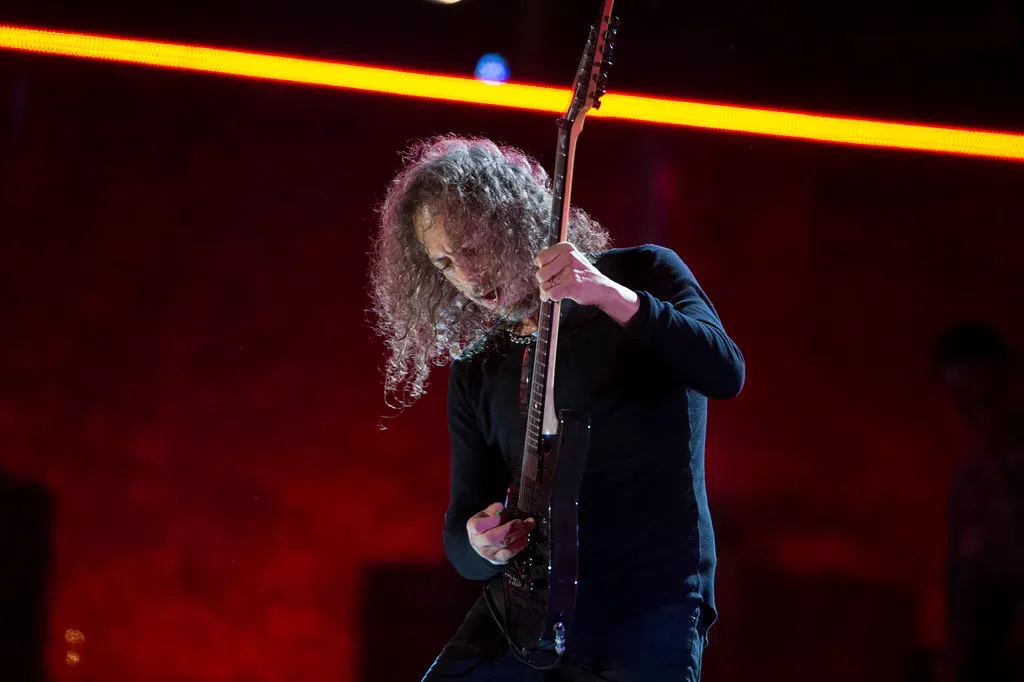
Metal fans have long treated this as a triumphant anthem, especially live, where the crowd roars along to the pounding second half of the track. The song is actually a harrowing narrative inspired by the novel and film Johnny Got His Gun, telling the story of a World War I soldier who loses his limbs, sight, hearing, and speech, left trapped and conscious inside his own body. The music video famously incorporated footage from the film itself, which helped clarify the meaning for some fans but not all. The intensity of the instrumental buildup, paired with drummer Lars Ulrich’s machine gun style snare pattern, tends to read as empowering rather than tragic in a live setting. That contrast between musical catharsis and lyrical despair is part of why so many listeners walk away with a triumphant impression rather than the intended sense of horror and helplessness. It remains one of the more striking examples of arrangement overriding narrative in the minds of casual listeners.
6. Closing Time by Semisonic


This one is a late-night radio and bar staple, often assumed to be a simple song about last call at a nightclub, complete with a bittersweet farewell vibe. Frontman Dan Wilson has explained over the years that the song was actually written about the birth of his first child, using the metaphor of closing time as a stand-in for the end of one phase of life and the beginning of another. The line “every new beginning comes from some other beginning’s end” is the clearest hint, though it tends to get lost in a song most people associate with bars shutting down for the night. Because the chorus repeats “you don’t have to go home, but you don’t have to stay here” with such a wistful, almost melancholic tone, it fits naturally into playlists about goodbyes, breakups, or nights winding down. That versatility is part of why the song has had such staying power, even if it means the birth metaphor rarely registers with casual listeners. It’s a rare case of a deeply personal song about new life being permanently associated with last orders at the bar.
7. Losing My Religion by R.E.M.

Given the title, it’s an easy assumption that this song is about a crisis of faith or abandoning religious belief altogether. In reality, the phrase “losing my religion” is a Southern American colloquialism meaning to lose one’s temper or composure, something singer Michael Stipe grew up hearing and drew on directly for the title. The song is actually about unrequited affection and the anxiety of caring too much about someone who may not feel the same way. Stipe has described the lyrics as being about the vulnerability of obsession, watching every word and gesture for signs of how another person feels about you. The Southern expression at the heart of the title got lost on a global audience unfamiliar with the phrase, leading listeners in the United Kingdom, Europe, and beyond to assume a religious or spiritual meaning that was never really there. It became one of R.E.M.’s biggest hits partly because the ambiguity let listeners project their own interpretation onto it, even a wildly inaccurate one.
These misreadings tend to survive because they’re comfortable. A soaring chorus feels good regardless of what the verses are actually saying, and once a song gets absorbed into weddings, rallies, or playlists with a certain vibe, it’s hard to dislodge that association even with the facts in plain view. What’s interesting is that most of these misunderstandings aren’t really failures of listening so much as evidence of how powerfully music and lyrics can pull in opposite directions.Partner offer
Planning a trip to Vegas?
Compare hotel rates and show tickets on VEGAS.com.