Every teacher knows the feeling. The lesson is flowing, the room is finally engaged, someone just gave a genuinely interesting answer – and then a single comment stops everything cold. The energy drains out of the room so fast it’s almost physical. One sentence, and suddenly the atmosphere shifts from curious to checked-out.
The value of sustaining an open and positive classroom climate for students’ academic and social-emotional development is well documented in educational research. What’s less often talked about is how fragile that climate can be. Sometimes it’s not what a teacher does that disrupts things. Sometimes it’s what a student casually throws into the air, without thinking twice about it.
1. “When Are We Ever Going to Use This?”

Few phrases deflate a lesson faster than this one. It signals disengagement, but more than that, it invites everyone else in the room to agree. Suddenly the whole class is reconsidering whether this moment is worth their attention at all.
Classroom dynamics play a significant role in a student’s ability to take in information, and the setting of classroom dynamics can make it difficult for a student to excel. When one student publicly questions the relevance of the material, others who were quietly engaged start to second-guess themselves. The ripple effect is immediate, and recovering that momentum takes real effort.
2. “This Is So Boring”

It’s blunt, it’s dismissive, and it’s the kind of remark that lands like a small grenade in the middle of a lesson. The student who says it may not even mean it with any malice – it might be a reflex, a performance for their peers – but the damage is real.
Disruptive behavior can make the classroom atmosphere unsuitable for learning, and it may result in less time spent on teaching and divert the attention of other pupils, which can have an indirect negative impact on the class’s reading engagement and success. A casual “this is boring” doesn’t just halt the moment; it gives implicit permission to others to disengage too, which is why disruptive behaviors, such as talking out of turn and off-task activities, undermine classroom management and student achievement.
3. “My Last Teacher Never Made Us Do This”
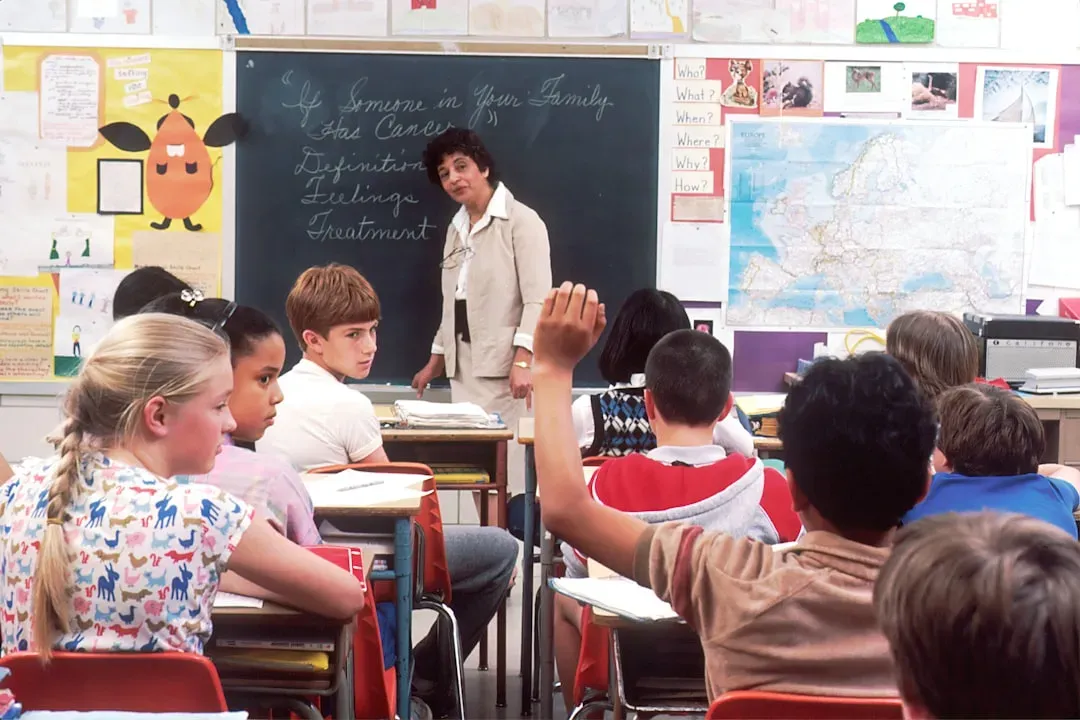
This one is subtle but surprisingly effective at derailing the room. It frames the current teacher as unreasonable by comparison to some unnamed, more lenient figure from the past. Whether it’s accurate or not is almost beside the point.
What it actually does is introduce a status challenge into the room. Other students notice, and a few will quietly take sides. Dismissive comments and patterns that exclude certain perspectives can impact students’ participation and sense of belonging, even when unintentional. That’s precisely what this comment does: it draws a quiet line in the room and asks people to choose which side of it they’re on.
4. “Can We Just Watch a Movie Instead?”
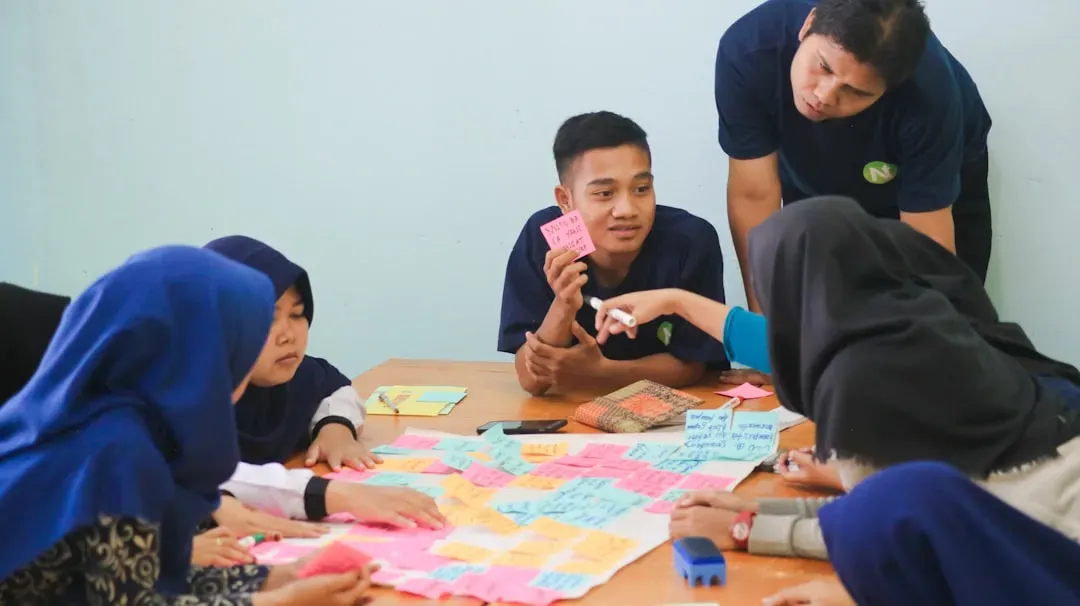
This request tends to arrive right at the moment when a class discussion is gaining real traction. It’s hard not to read it as a vote against whatever is happening – a public lobbying effort to replace engagement with passivity. Even if only one student says it, others often laugh or murmur in agreement.
Partner offer
Educational moods express themselves in shared pre-dispositions in the classroom that collectively attune our relations to the subject matter: with interest rather than boredom, with care rather than indifference, with openness rather than hostility. A request like this chips directly at that collective attunement. It signals that ease is preferable to effort, and once that idea floats into the room, it’s hard to unsay.
5. “I Already Know This”
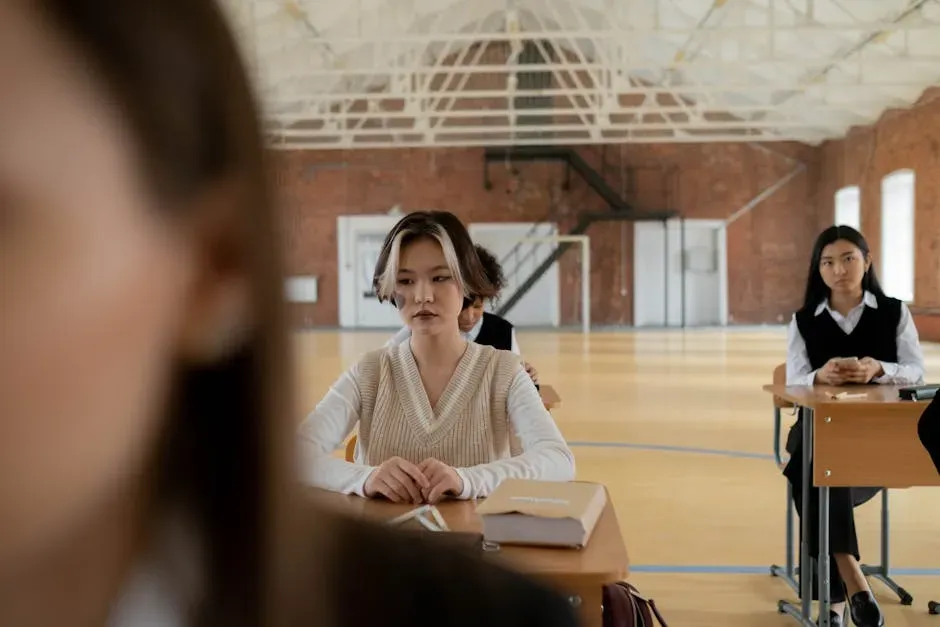
Said loudly and with just enough confidence, this comment can make a teacher feel like they’re wasting everyone’s time. It can also quietly intimidate classmates who don’t already know the material, creating an awkward tension between those who feel ahead and those who feel behind.
Behaviors that include defiance and lack of engagement can have far-reaching consequences, leading to tense relationships with peers and teachers and contributing to poor academic performance. “I already know this” sits right at the edge of that defiance – it doesn’t explicitly refuse participation, but it signals that the speaker considers themselves above the exercise. The classroom mood tips toward unease almost instantly.
6. “Do We Have to Turn This In?”

Timing matters enormously with this one. When it shows up before the class has even started on an activity, it frames everything that follows as pointless unless there’s a grade attached. It quietly broadcasts the idea that learning is only worth doing if someone is watching and recording it.
Proactive strategies that emphasize building relationships and actively engaging students have wide support in research, suggesting that proactive approaches result in classrooms with fewer disturbances, more engaged and motivated students, and higher student achievements. The “do we have to turn this in?” question works against all of that, replacing intrinsic motivation with a transactional calculation. It shifts the room from curiosity to compliance mode, and that’s a hard energy to shake for the rest of the period.
7. “Nobody Actually Cares About This”
This might be the single most mood-killing phrase in a classroom’s vocabulary. It’s stated as a universal truth, which means anyone who does care now has to either stay quiet or publicly break from the group. Most students, especially younger ones, choose silence over social risk.
Disruptive behavior can lead to adverse psychological effects such as stress and anxiety, and poor teacher-student relationships can result in lower expectations and lower-quality instruction, while negative emotions can hinder effective communication and collaboration, ultimately leading to a possible decline in the quality of education. “Nobody cares” creates exactly that kind of social pressure. It shuts down the students who were genuinely interested and forces teachers into the uncomfortable position of arguing for the value of their own lesson against a claimed consensus.
Classroom energy is genuinely fragile, and research consistently confirms it. The concept of classroom climate is meant to capture the day-to-day experiences of teachers and students on a collective rather than individual level. That collective level is what makes a single dismissive comment so powerful – it doesn’t just affect one student’s mood, it recalibrates the entire room. Recognizing these phrases for what they are, small disruptions with outsized reach, is the first step toward not letting them derail something worth protecting.
Partner offer
Planning a trip to Vegas?
Compare hotel rates and show tickets on VEGAS.com.