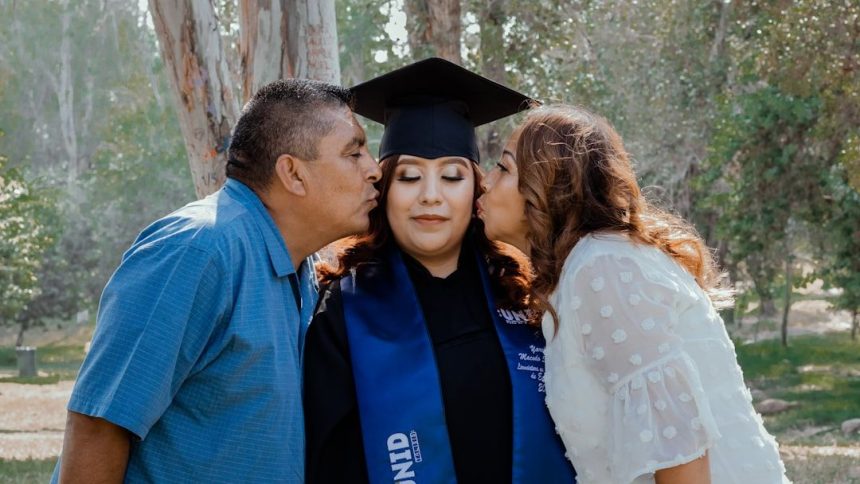
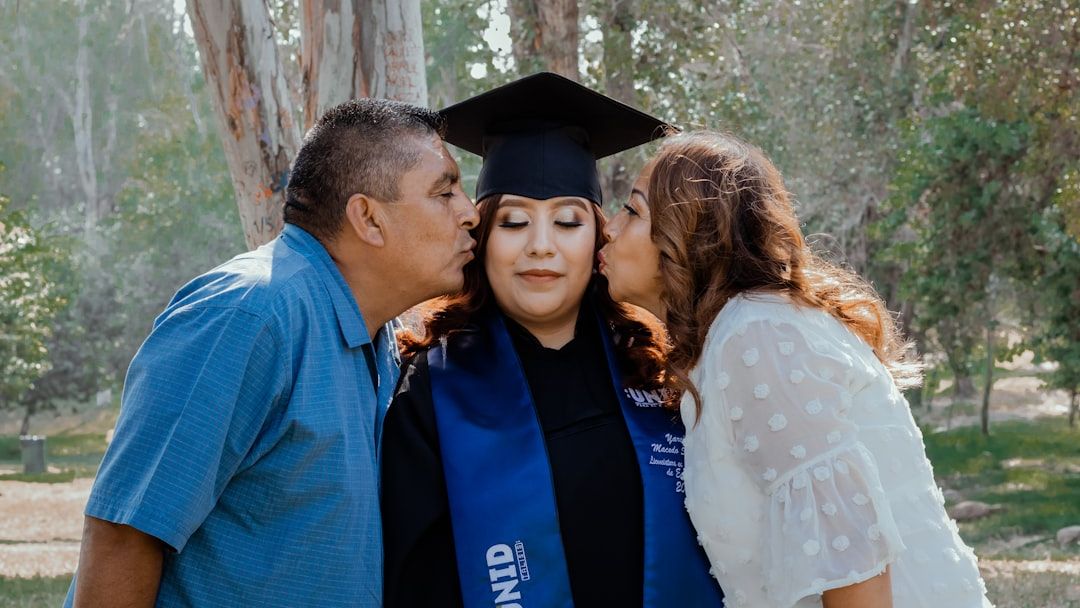
‘It’s Not Easy, But It Can Be Done’: Grandmother’s journey to a bachelor’s degree – Image for illustrative purposes only (Image credits: Unsplash)
Irma García will receive her bachelor’s degree in public administration from George Mason University this weekend at age 72. The milestone caps a process that began with her decision to leave Puerto Rico in 1978 and continued through years of raising three daughters while holding multiple jobs. García’s path reflects a sustained commitment to education that started in her childhood and extended across moves, employment demands, and family milestones. Her story also highlights how later-life enrollment can build on earlier credits and personal experience.
Childhood Influences and the Decision to Relocate
García grew up in a San Juan neighborhood where academic achievement formed a family expectation rather than an option. Her grandmother completed high school at the same time as her own sons, and her mother earned a bachelor’s degree after retiring from government work. These examples shaped García’s early outlook and prompted her to begin studies in Puerto Rico before transferring credits northward.
She arrived in the United States with her oldest daughter and later returned for her one-year-old twins, seeking both continued schooling and improved opportunities for her children. The move aligned with a long-standing goal of finishing a degree that she had set before leaving the island. García transferred her Puerto Rico coursework to Northern Virginia Community College and completed an associate degree while managing household duties.
Work Demands and Raising a Family
Throughout this period García held two positions simultaneously: one in the purchasing office at Northern Virginia Community College in Annandale and another at a Wendy’s restaurant preparing salad bars in the evenings. She has stated that the pace never produced exhaustion because her focus remained on providing for her daughters. Weekends without work shifts were spent on family activities rather than rest.
The associate degree proved sufficient for advancement. García later served as executive director of a nonprofit organization, where she managed programs that assisted community members. Her daughters all completed college and entered careers in law, government, and technology, extending the educational pattern she had followed.
Enrollment at George Mason and Classroom Perspective
Five years ago García enrolled at the Schar School of Policy and Government at George Mason University. Advisors described her as an inspiration and an exemplary student. In classes she often found herself among peers the age of her grandchildren, a contrast she addressed with humor by referring to herself as a living museum of experience.
Her five college-educated grandchildren assisted with the technological aspects of coursework, including online platforms and research tools. This family support allowed her to focus on the academic content rather than logistical barriers. The program built directly on her prior associate degree and professional background in public service.
Plans After Graduation and Perspective for Others
Following the ceremony García intends to return to nonprofit work on a part-time basis, applying the knowledge gained in public administration. She has emphasized that the process required persistence without shortcuts. Her daughter Ileana Muñez has noted that education remained a central family value, documented in early photographs of academic awards.
García has offered direct guidance to others in similar circumstances. “It’s not easy,” she said, “but it can be done. I’m living proof of that.” The statement captures both the sustained effort involved and the measurable outcome now visible in her completed degree.
Her message underscores that educational goals can remain viable across decades when supported by consistent family priorities and incremental progress.