Picture this: a dusty manuscript shoved into the back of a drawer, forgotten for years or even decades. The author has moved on, maybe convinced their work was worthless. Then someone stumbles upon it, and suddenly the world realizes what it almost lost forever. It’s a story that plays out more often than you’d think in the literary world.
These aren’t just tales of procrastination or writer’s block. We’re talking about complete works that their creators actively abandoned, sometimes burning drafts or leaving them to gather dust in attic boxes. What makes someone give up on a manuscript that would later captivate millions? Let’s dive into these fascinating stories of literary resurrection.
A Confederacy of Dunces by John Kennedy Toole
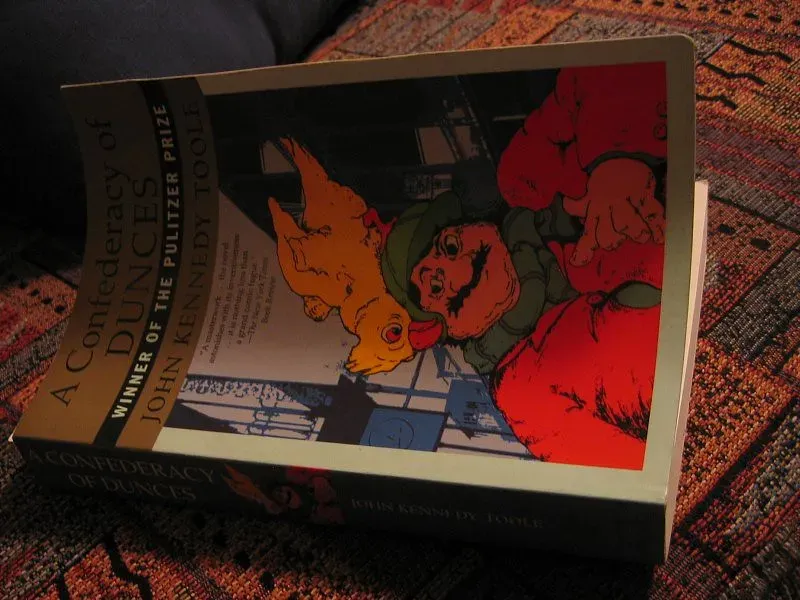
John Kennedy Toole’s story is heartbreaking. He spent years trying to get his novel published, only to face rejection after rejection. The final blow came from a prominent editor who kept him dangling with rewrites before ultimately passing. Toole fell into depression and took his own life in 1969 at age 31, convinced his masterpiece would never see the light of day.
His mother, Thelma, refused to let it die with him. She spent years pushing the manuscript on anyone who would listen, eventually cornering novelist Walker Percy at Loyola University. Percy later admitted he expected it to be terrible but found himself captivated by the adventures of Ignatius J. Reilly through New Orleans. The book won the Pulitzer Prize in 1981, more than a decade after Toole’s death.
Today, it’s considered one of the funniest American novels ever written. The tragedy is that Toole never knew how wrong those early rejections were.
The Original of Laura by Vladimir Nabokov
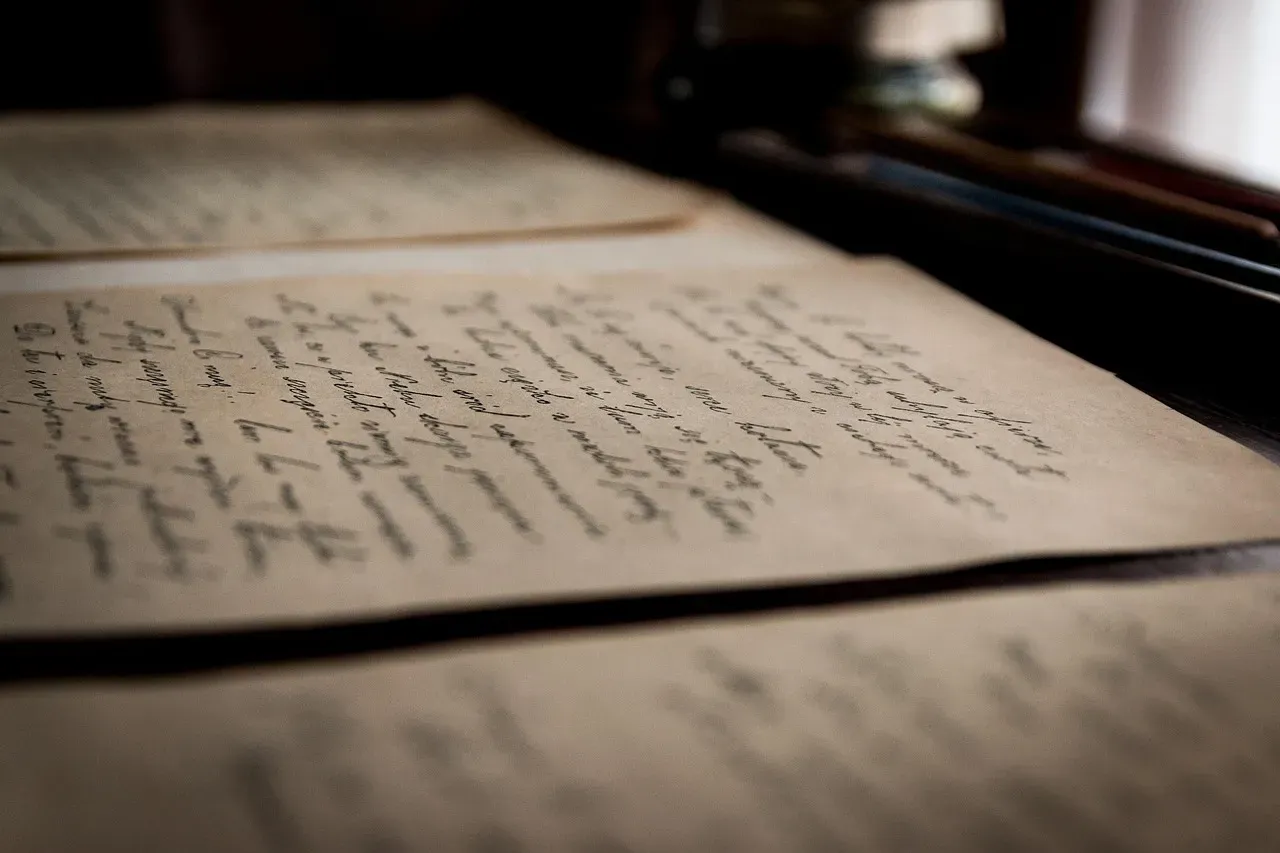
Nabokov was dying when he told his wife Véra to burn his final, unfinished manuscript. He’d left explicit instructions multiple times, convinced the fragmented work wasn’t worth preserving. Véra couldn’t bring herself to do it. She kept the 138 handwritten index cards in a Swiss bank vault for years, torn between honoring her husband’s wishes and preserving his last words.
The debate raged for decades. Should we respect an artist’s final request, or does the public’s right to art override personal wishes? Nabokov’s son Dmitri eventually decided to publish in 2009, more than thirty years after his father’s death.
Critics remain divided on whether it was the right call. Some say the fragmentary novel shows Nabokov’s genius even in its incomplete state. Others argue it should have stayed buried, that we’re voyeurs peering at something never meant for public eyes. It’s a question that still haunts literary circles.
The Pale King by David Foster Wallace
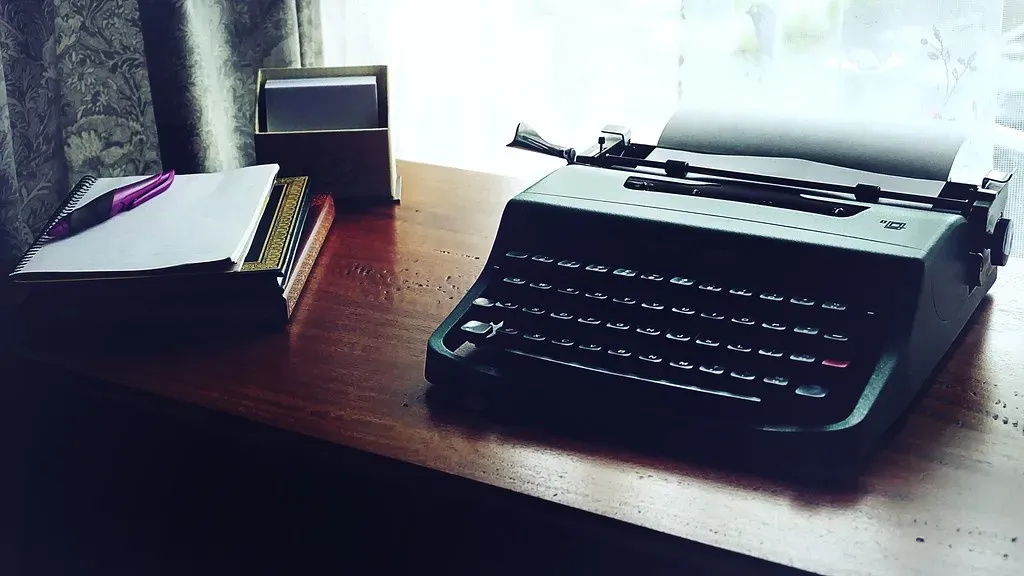
David Foster Wallace left hundreds of pages of manuscript and notes scattered across his home office when he died in 2008. He’d been working on The Pale King for years, wrestling with a novel about boredom at an IRS processing center. Wallace had abandoned earlier drafts, convinced they weren’t working, and was deep into another reimagining when depression overtook him.
His editor and widow pieced together what they could from the chaos of drafts, notes, and outlines. What emerged in 2011 was incomplete but stunning. The novel became a National Book Award finalist despite being unfinished. Some chapters stand as complete works, while others trail off mid-sentence, ghosts of what might have been.
Reading it feels strange, like eavesdropping on someone’s creative process. You can see Wallace circling his themes, trying different approaches, never quite satisfied. It’s both a masterpiece and a reminder of how brutal the creative process can be.
The Mezzanine by Nicholson Baker

Baker spent years on this peculiar novel before shoving it in a drawer, convinced no publisher would touch it. The entire book takes place during a single lunch hour, mostly in an office worker’s head as he rides an escalator. It’s essentially a meditation on shoelaces, straws, and the tiny observations that fill our days. Not exactly commercial material.
He pulled it back out years later, almost on a whim, and sent it off. To his shock, publishers loved it. The book became a cult classic when it appeared in 1988, praised for its microscopic attention to everyday life. Baker had stumbled onto something profound: that the mundane details we usually ignore contain entire universes.
Literary critics still debate whether it’s genius or self-indulgent navel-gazing. But it launched Baker’s career and proved that sometimes the weird ideas we abandon deserve another look.
A Prayer for Owen Meany by John Irving

Irving actually abandoned two different versions of this novel before finding the right approach. He’d written hundreds of pages about a boy with a strange voice, but something wasn’t clicking. He put it away twice, working on other projects, convinced he’d never crack it. The breakthrough came when he realized the narrator needed to be looking back from adulthood, and that Owen’s fate needed to be darkly prophetic.
When the book finally appeared in 1989, it became one of Irving’s most beloved works. Owen Meany, the tiny boy who speaks in capital letters and believes he’s an instrument of God, captured readers’ imaginations worldwide. The novel explores faith, friendship, and the Vietnam War with a emotional depth Irving’s earlier attempts had lacked.
Irving has said those false starts were necessary, that he needed to fail twice before understanding what the story demanded. Sometimes abandonment isn’t failure. It’s part of the process.
The Good Soldier by Ford Madox Ford
Ford started this novel in 1913 and quickly decided it was garbage. He threw early drafts away, convinced the experimental narrative technique wasn’t working. The story jumps around in time, told by an unreliable narrator who doesn’t understand half of what he’s describing. Ford worried readers would find it confusing and pretentious.
He only finished it because he needed money and a publisher was waiting. Even then, Ford remained convinced it was a failure. The book appeared in 1915 to mixed reviews, and Ford moved on to other projects. It took decades for critics to recognize what he’d accomplished. The unreliable narrator and fractured timeline were revolutionary for their time.
Today it’s considered a masterpiece of modernist literature, regularly appearing on greatest novels lists. Ford died in 1939, finally knowing his “failure” had become a classic. But he wasted years convinced it was worthless.
The Shadow of the Wind by Carlos Ruiz Zafón
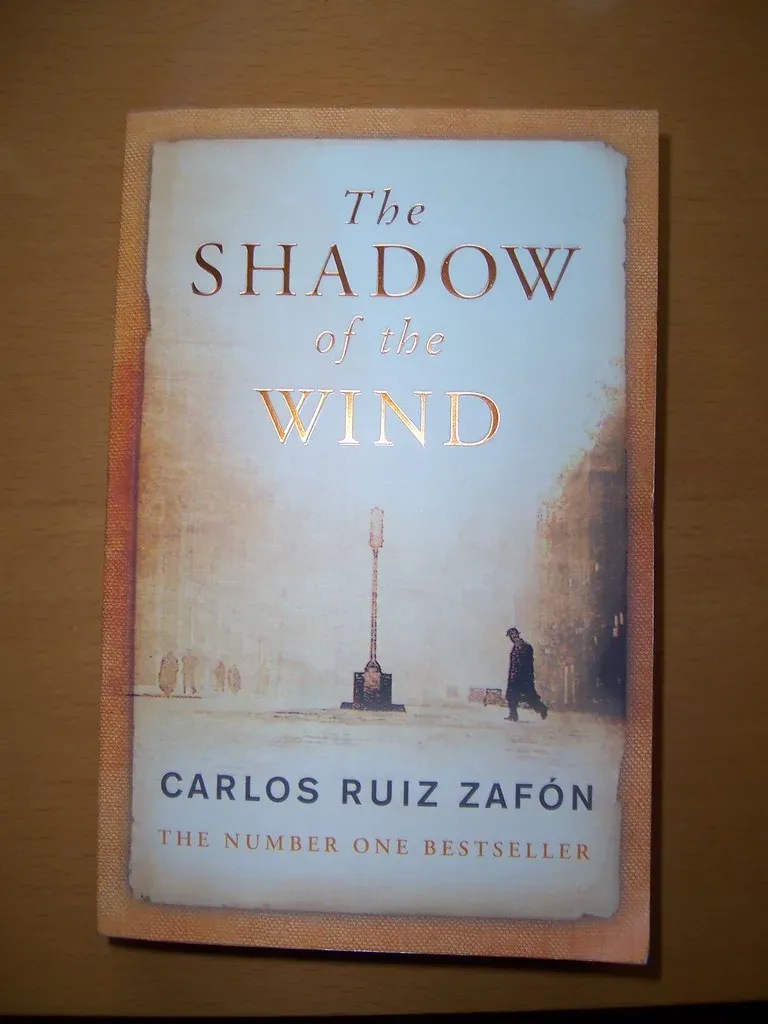
Zafón spent years working on this sprawling Gothic mystery before abandoning it in the late nineties. He’d been writing young adult novels and couldn’t get the tone right for an adult audience. The manuscript sat in a box while he focused on other work, convinced he’d overreached. Friends who’d read early drafts kept bugging him to finish it, but he resisted.
A chance conversation with his literary agent changed his mind. She pushed him to take another look, to trust his instincts about the story. Zafón reluctantly pulled out the manuscript and spent months reworking it. The book appeared in Spain in 2001 and became a phenomenon, selling millions worldwide.
The novel’s success caught everyone off guard, especially Zafón. He’d genuinely believed the market wasn’t there for a dense, atmospheric mystery set in post-war Barcelona. It became one of the biggest international bestsellers of the early 2000s, proving that sometimes we’re the worst judges of our own work.
Stoner by John Williams

Williams published this quiet novel about an unremarkable English professor in 1965. It sold poorly, maybe a couple thousand copies, and quickly went out of print. Williams himself seemed to abandon it, rarely mentioning it in interviews and moving on to other projects. The book disappeared for decades, forgotten by everyone except a handful of devoted readers.
Then something strange happened in 2006. A small press in New York decided to reissue it. Word-of-mouth began building, slowly at first, then gathering momentum. By 2013, it had become an international sensation, topping bestseller lists in Europe and America. Critics called it a masterpiece of quiet desperation and ordinary heroism.
Williams died in 1994, never knowing his forgotten novel would eventually find its audience. The book’s resurrection took roughly forty years, but it’s now considered one of the greatest American novels of the twentieth century. It makes you wonder what other abandoned masterpieces are sitting in desk drawers, waiting for someone to believe in them.
Final Thoughts

These stories remind us that great art doesn’t always announce itself with fanfare. Sometimes it sits in darkness for years or decades before someone recognizes its worth. The authors who abandoned these manuscripts couldn’t see what we see now, couldn’t imagine their rejected works would one day be celebrated worldwide.
It’s a humbling thought for anyone creating something. That novel you shoved in a drawer, the manuscript you’re convinced is worthless, might actually be brilliant. Or maybe it needs another decade to find its moment. The gap between abandonment and celebration can be heartbreakingly thin.
What abandoned project have you given up on too soon? Sometimes the difference between a forgotten manuscript and a masterpiece is simply someone refusing to let it stay buried.