


Movie sets rarely run exactly as planned. Scripts get rewritten, directors leave, actors get injured, and sometimes a costume that fit perfectly in March needs a complete rebuild by June. Every so often, those disruptions become part of the story itself, forcing productions to swap performers, redesign suits, or hide a very real human body under layers of fabric and CGI while cameras are still rolling. What follows are eight documented cases where a film changed course mid-shoot, either replacing the actor in a role or reworking the costume and character while the cameras kept rolling. Some of these stories became infamous. Others stayed buried in production trivia until fans started digging.
1. James Purefoy to Hugo Weaving in V for Vendetta

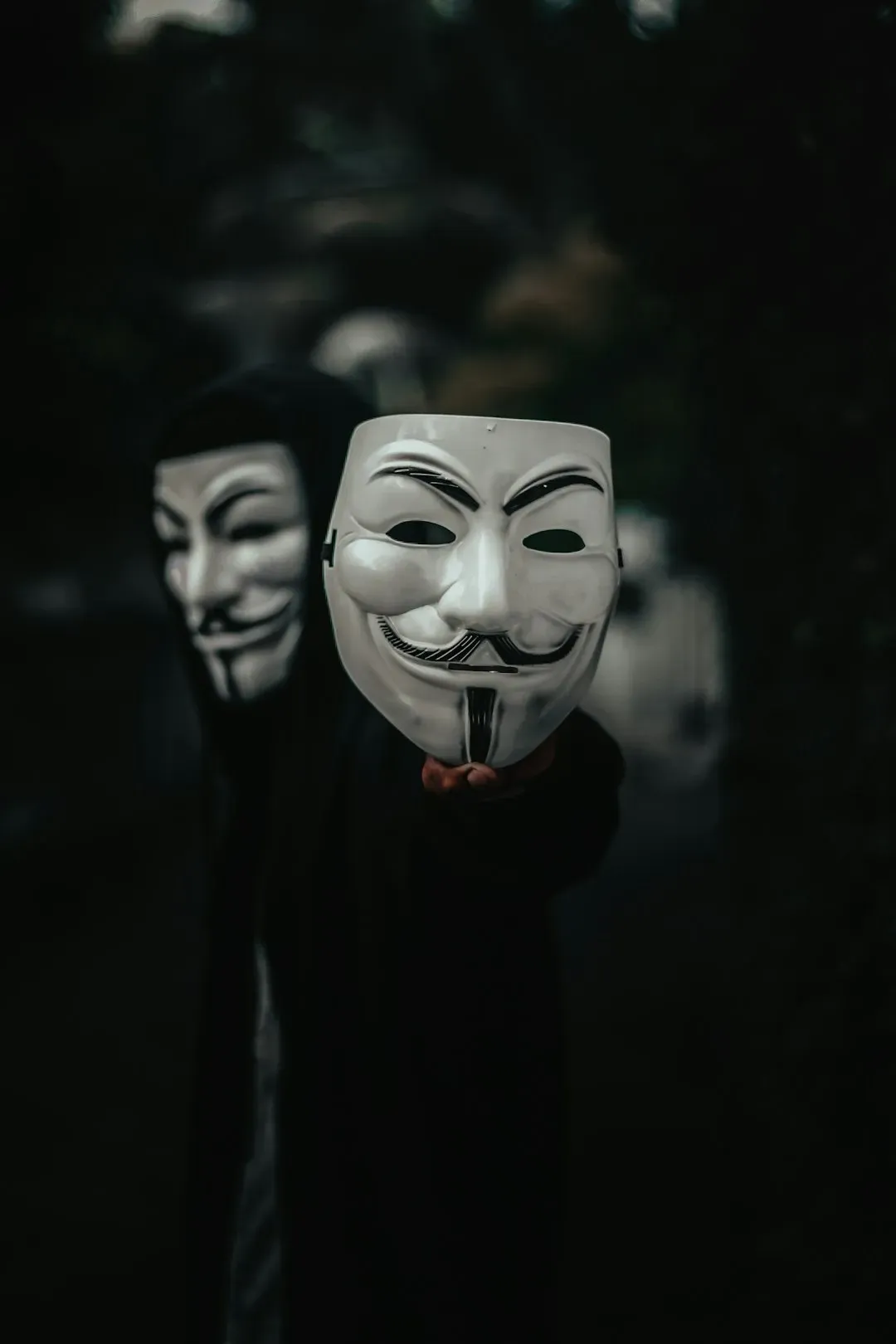
James Purefoy spent the first six weeks of production wearing the Guy Fawkes mask before leaving the project. The actor underneath V’s iconic Guy Fawkes mask for the first six weeks of filming was James Purefoy. The mask itself turned out to be the real problem, since it stripped away the one tool most actors rely on most.
Purefoy felt that he couldn’t express himself properly without his facial expressions, so they hired Hugo Weaving, who had experience acting with his face obscured. Weaving came in and much of the earlier footage was reshot with him in costume, though Purefoy’s physical performance is still in a few scenes of the final film, while Weaving dubbed all the dialogue. It’s a strange kind of split credit, one actor’s body under the mask in a handful of shots, another actor’s voice and face everywhere else.
2. Buddy Ebsen to Jack Haley in The Wizard of Oz

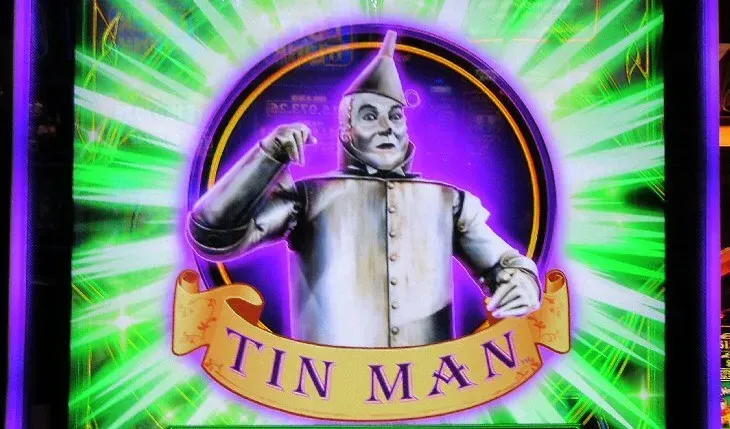
Long before CGI made costume problems easier to fix in post, a bad reaction to makeup could end a shoot outright. Buddy Ebsen left The Wizard of Oz mid-production after a severe reaction to the Tin Man makeup sent him to the hospital, having already recorded musical numbers and filmed material before the health emergency. Aluminum dust in the makeup formula turned out to be the culprit, and it was serious enough that he couldn’t continue.
Jack Haley stepped into the Tin Man suit, but the studio wasn’t about to let a costume mishap show on screen. Jack Haley replaced him, and the makeup formulation was altered for safety, while musical tracks were re-recorded and choreography restaged so the transition would not be visible on screen. Watching the finished film today, there’s no obvious seam between the two performances, which says a lot about how carefully the switch was handled.
3. Jean-Claude Van Damme to Kevin Peter Hall in Predator

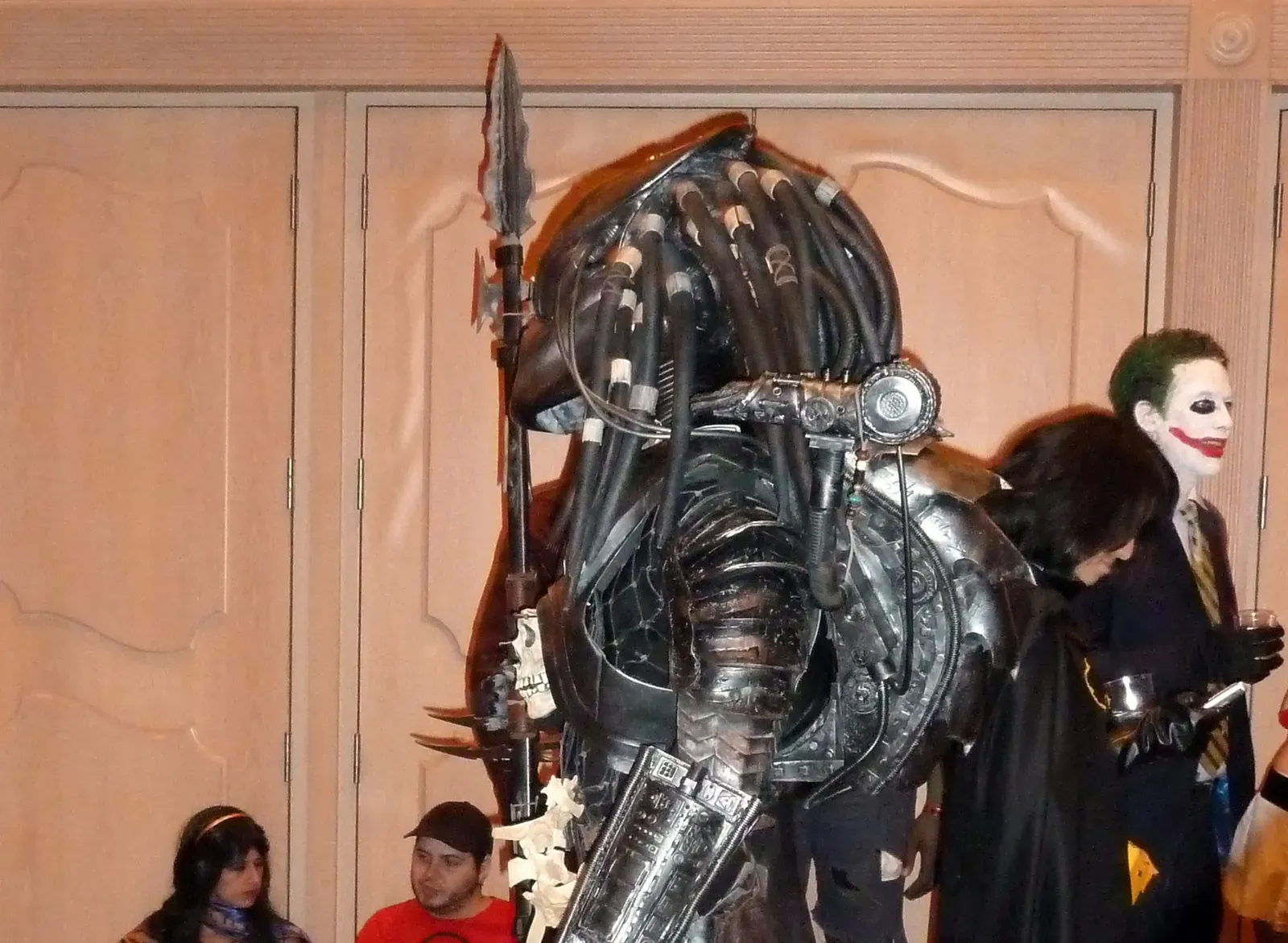
Van Damme was originally cast as the creature itself, not the human hero, and the physicality he brought to auditions was part of the appeal. That didn’t survive contact with the studio’s evolving vision for what the alien should actually look like on screen. He departed the production after a few days of filming, leading the production team to rethink the creature’s entire appearance, so the suit was redesigned by Stan Winston, and the tall actor Kevin Peter Hall was hired to replace Van Damme.
The redesign wasn’t a cosmetic tweak. It changed the entire physical logic of the role. Stan Winston decided that the way to build the suit was to start with the tallest, biggest guy he could find, not someone who was the agile mover that Van Damme was. A creature built around size and menace needed a different kind of performer than one built around speed and agility, and the production essentially started that character from scratch.
4. Michael K. Williams to Paul Bettany in Solo: A Star Wars Story

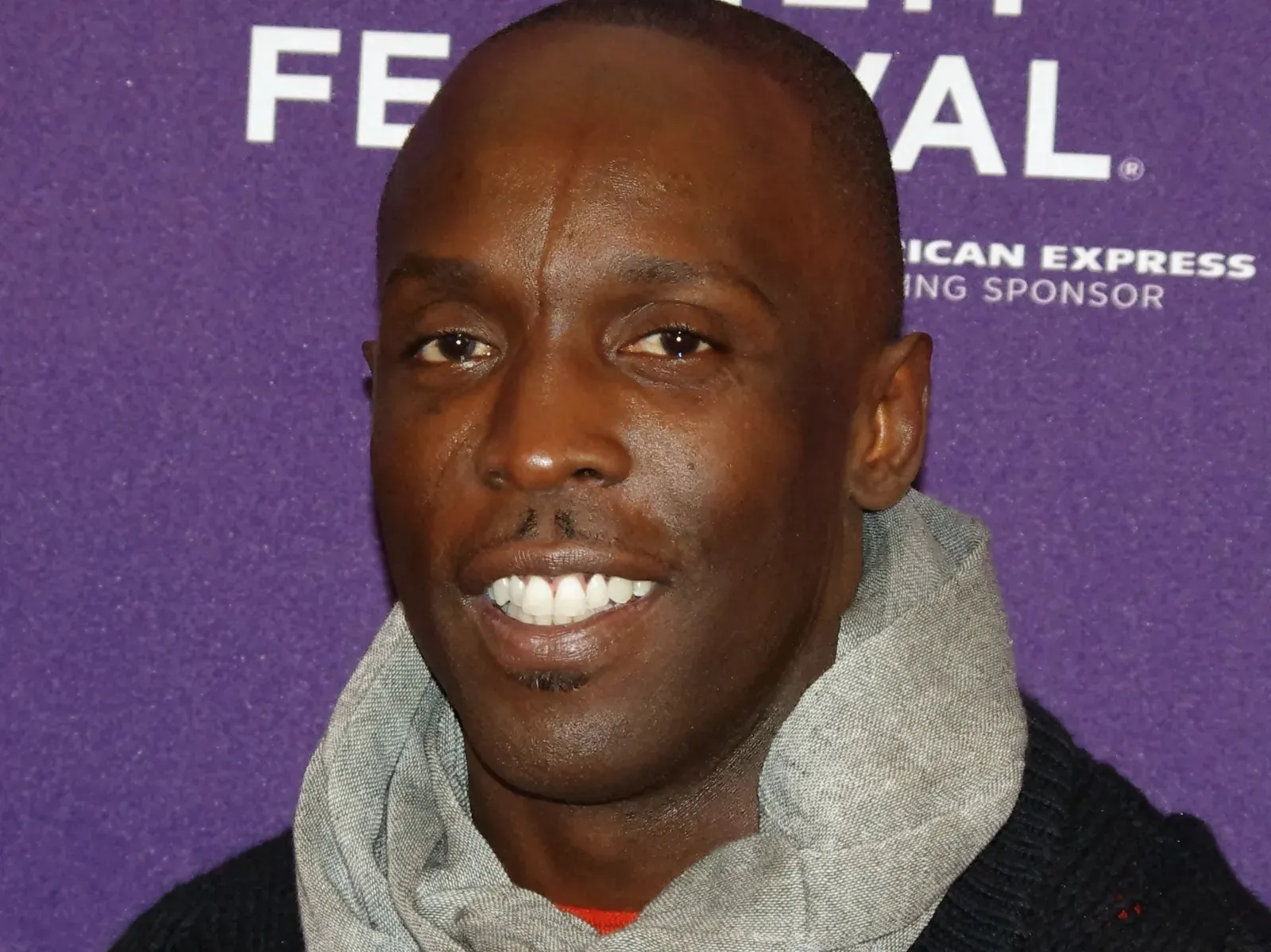
Williams had already shot the bulk of his scenes as the villain Dryden Vos when Solo went through one of the most publicized director shakeups in recent studio filmmaking. Michael K. Williams was cast as the villainous Dryden Vos and completed most of his scenes before a major directorial change occurred, and when Ron Howard took over the project from the previous directors, extensive reshoots were scheduled to adjust the film’s narrative tone. Scheduling simply didn’t line up for him to return.
What makes this case unusual is that the role itself changed shape, not just the actor playing it. Williams was unable to return to the set for the new schedule due to a conflict with his work on another production, so Paul Bettany was cast to take over the role, and the character was changed from a motion-capture alien to a human. That’s a rare instance where a recast came bundled with a full conceptual redesign of who, or what, the character even was.
5. Eric Stoltz to Michael J. Fox in Back to the Future

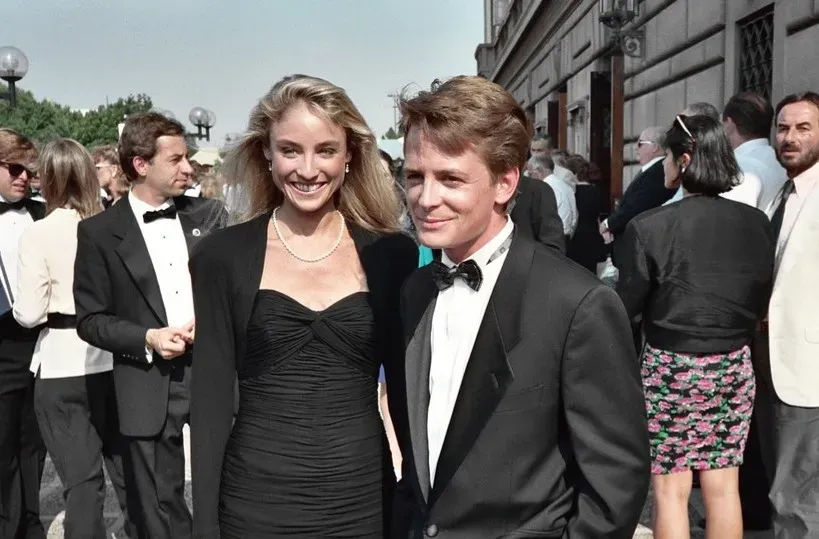
Fox was Robert Zemeckis’s first choice from the start, but a scheduling conflict with his sitcom work made him unavailable when filming began. Eric Stoltz played the role of Marty McFly for six weeks before director Robert Zemeckis decided the actor’s performance was too dramatic for the intended tone, and Michael J. Fox had been the original first choice for the part but had been unavailable due to his commitments to the sitcom Family Ties.
Once Stoltz’s footage convinced the filmmakers the tone was off, they went back to their original pick and made the impossible schedule work. The production eventually reached an agreement that allowed Fox to film the movie at night while working on his show during the day. Nearly all of Stoltz’s six weeks of footage was reshot, wardrobe fittings included, making this one of the most expensive mid-shoot pivots in studio history.
6. Kevin Spacey to Christopher Plummer in All the Money in the World

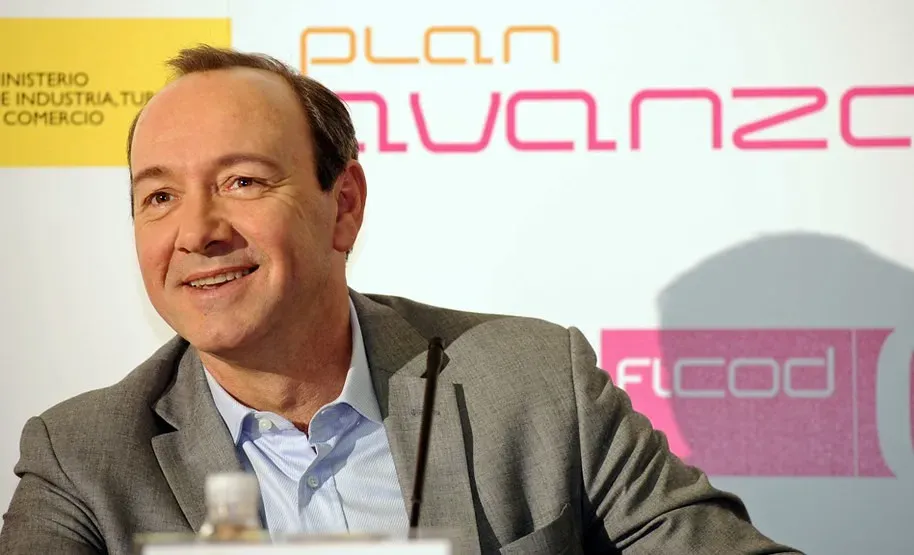
This recast happened after principal photography had already wrapped, which made it especially dramatic. Ridley Scott made the call to cut Spacey from the finished film entirely following allegations against the actor. With only one month standing between the film and its release date, Scott elected to replace his movie’s star, reshooting Spacey’s scenes with Christopher Plummer.
Every costume, every set piece, and every scene involving the character had to be rebuilt around Plummer in a matter of weeks rather than months. Nobody knew how the reconstructed film would turn out, but it seemed clear that whatever the result, the change would be all anybody talked about. The finished film went on to earn Plummer an Oscar nomination, an unusual outcome for a role built almost entirely on emergency reshoots.
7. Gal Gadot’s costume rebuild during Wonder Woman reshoots

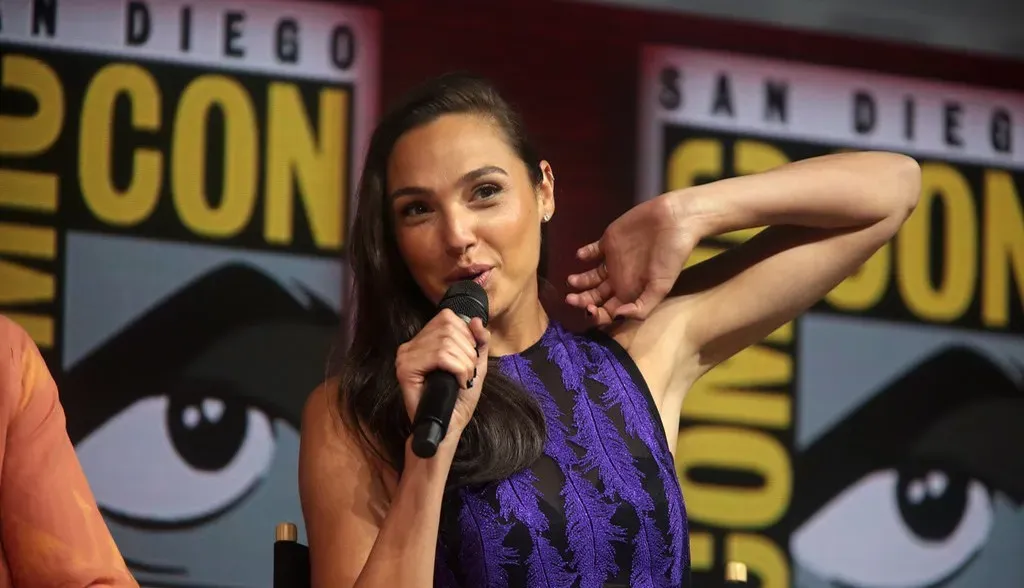
Gadot wasn’t replaced or recast, but her body changed mid-production in a way the costume department had to scramble to accommodate. When they went back to reshoot some scenes in November, six months after original filming had completed, Gadot was five months pregnant, and producers had to use CGI to conceal the bump. A skin tight leather bodice doesn’t leave much room to hide anything.
The fix was almost comically low tech for such a high budget production. They cut out a triangle in the front of her costume and placed a green cloth over it to mark it for visual effects. Gadot later described the strange split reality of shooting that way, noting “on close-up I looked very much like Wonder Woman,” while wide shots left her looking rather different. The action choreography didn’t get easier just because the costume had a hole in it, either, with the director pushing her through full stunt work regardless.
8. Henry Cavill’s mustache problem in Justice League

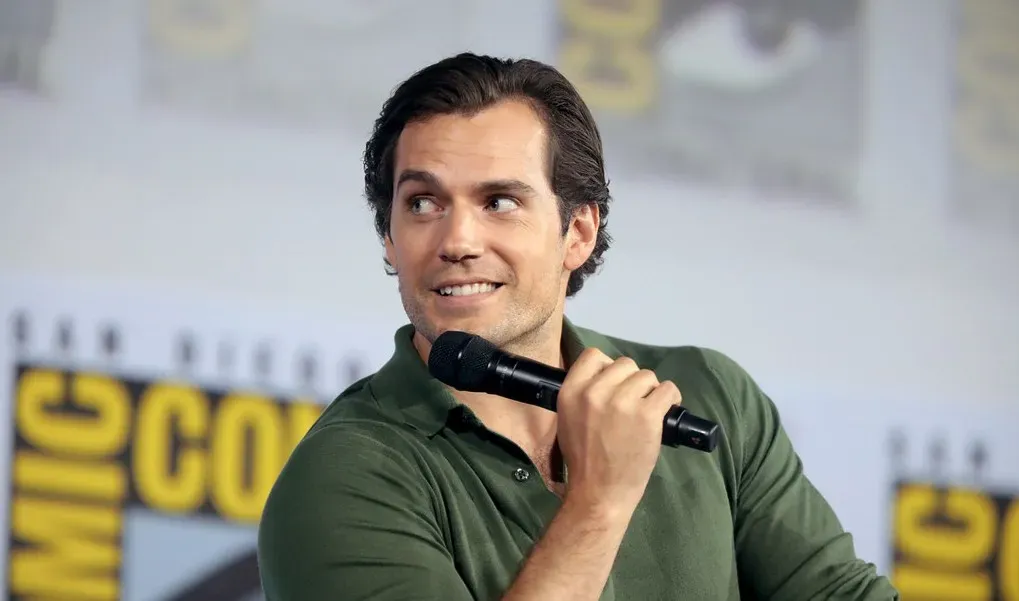
This one has nothing to do with a costume in the traditional sense, but it’s arguably the most talked about wardrobe related production headache of the last decade. Cavill was mid-shoot on a different film entirely when Justice League called him back for extensive reshoots under a new director. The actor grew a mustache for his role in Christopher McQuarrie’s action sequel, which was in the midst of principal photography when Justice League was getting revamped, and he was unable to shave it due to his contract with Paramount.
Warner Bros. didn’t have the luxury of waiting for him to shave, so they turned to visual effects instead. Warner Bros. opted to digitally remove the facial hair in post, which led to Cavill having a strange looking upper lip during most of his scenes in Justice League. The fix became infamous almost overnight, and reports later suggested letting Cavill simply shave and regrow the mustache would have run into the millions in delay costs, which explains why the studio went the CGI route instead.
Eight very different productions, eight very different reasons for the disruption, yet the pattern holds steady across decades of filmmaking. A costume rarely survives a production crisis unchanged, and neither does the actor wearing it. Whether the fix involved a green triangle of fabric, months of CGI cleanup, or simply hiring someone else entirely, these stories are a reminder that what audiences see on screen is often the fourth or fifth version of a plan that looked completely different when cameras first started rolling.

