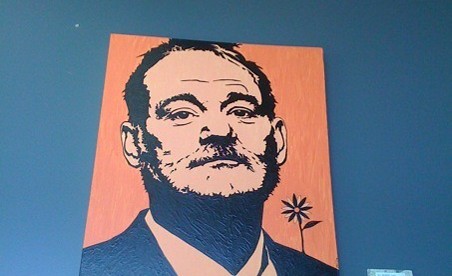
There’s a particular kind of jolt that happens when a familiar funny face shows up somewhere unexpected. The laugh lines are still there, but the eyes have changed. It’s a trick that has worked again and again in film history, precisely because we think we already know what these performers are capable of. What follows are eight actors who built their names on making audiences laugh, then turned around and delivered performances so unsettling or emotionally raw that they forced critics and fans to reconsider everything.
1. Robin Williams in One Hour Photo

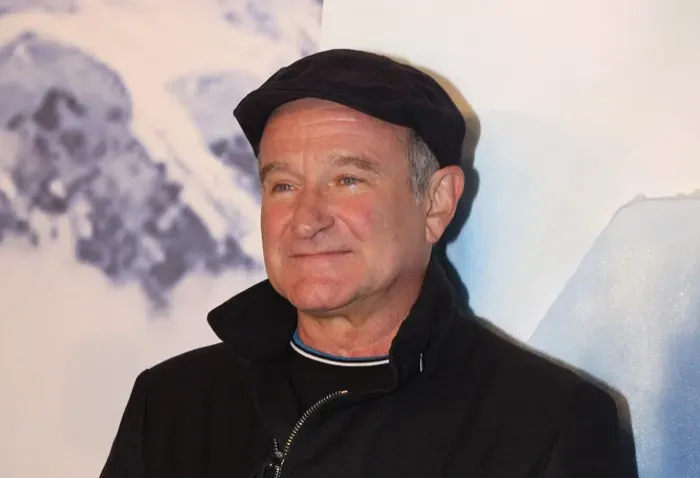
Long before he became a byword for manic, improvisational comedy on shows like Mork & Mindy, Williams had already proven he could handle serious material in films like Dead Poets Society. Even so, nothing quite prepared audiences for One Hour Photo, where he stunned audiences with his chilling performance as Sy Parrish, a lonely photo technician who becomes obsessed with a family.
The role stripped away every ounce of his usual warmth. His ability to convey both vulnerability and menace highlighted his versatility, proving that his talent extended far beyond comedy. It remains one of the more genuinely disturbing performances by a comedian who was, at the time, still best known for wearing dresses in Mrs. Doubtfire.
2. Jim Carrey in The Number 23

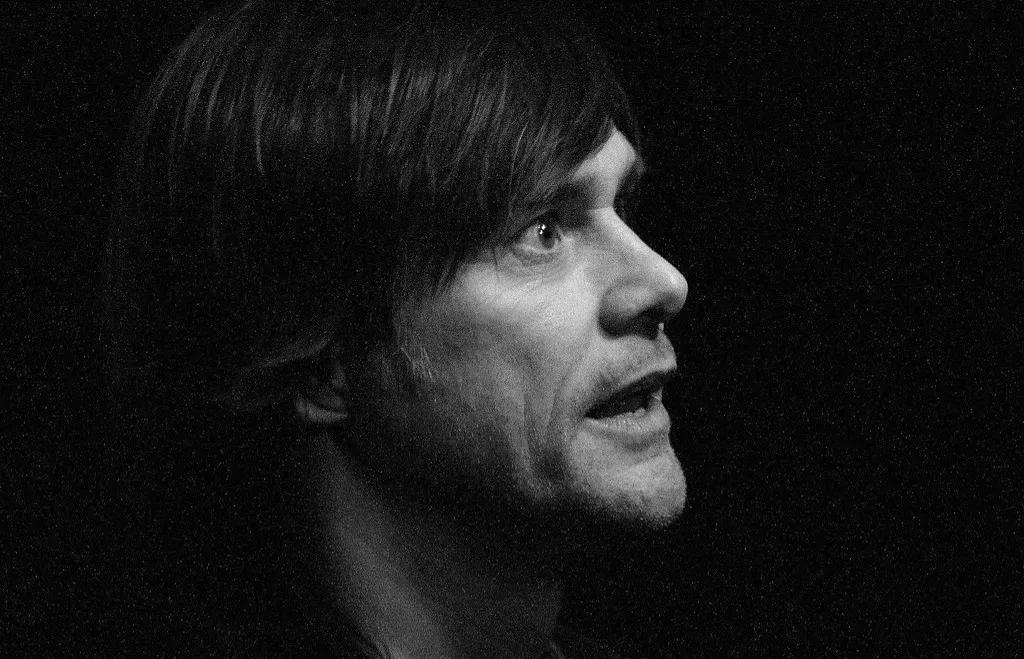
Carrey spent the 1990s stretching his face into shapes most humans can’t achieve, in films like Ace Ventura and The Mask. So when he signed on for The Number 23, the shift was jarring in the best way. Carrey plays a man obsessed with a book that seems to mirror his own life, leading him down a path of paranoia.
The film gave Carrey room to explore genuine psychological unease rather than exaggerated slapstick fear. The film allowed Carrey to delve into psychological suspense, showcasing his ability to portray intense emotions, providing a stark contrast to his usual comedic antics. Critics singled out the performance as some of the most honest work he had done up to that point.
3. Adam Sandler in Uncut Gems

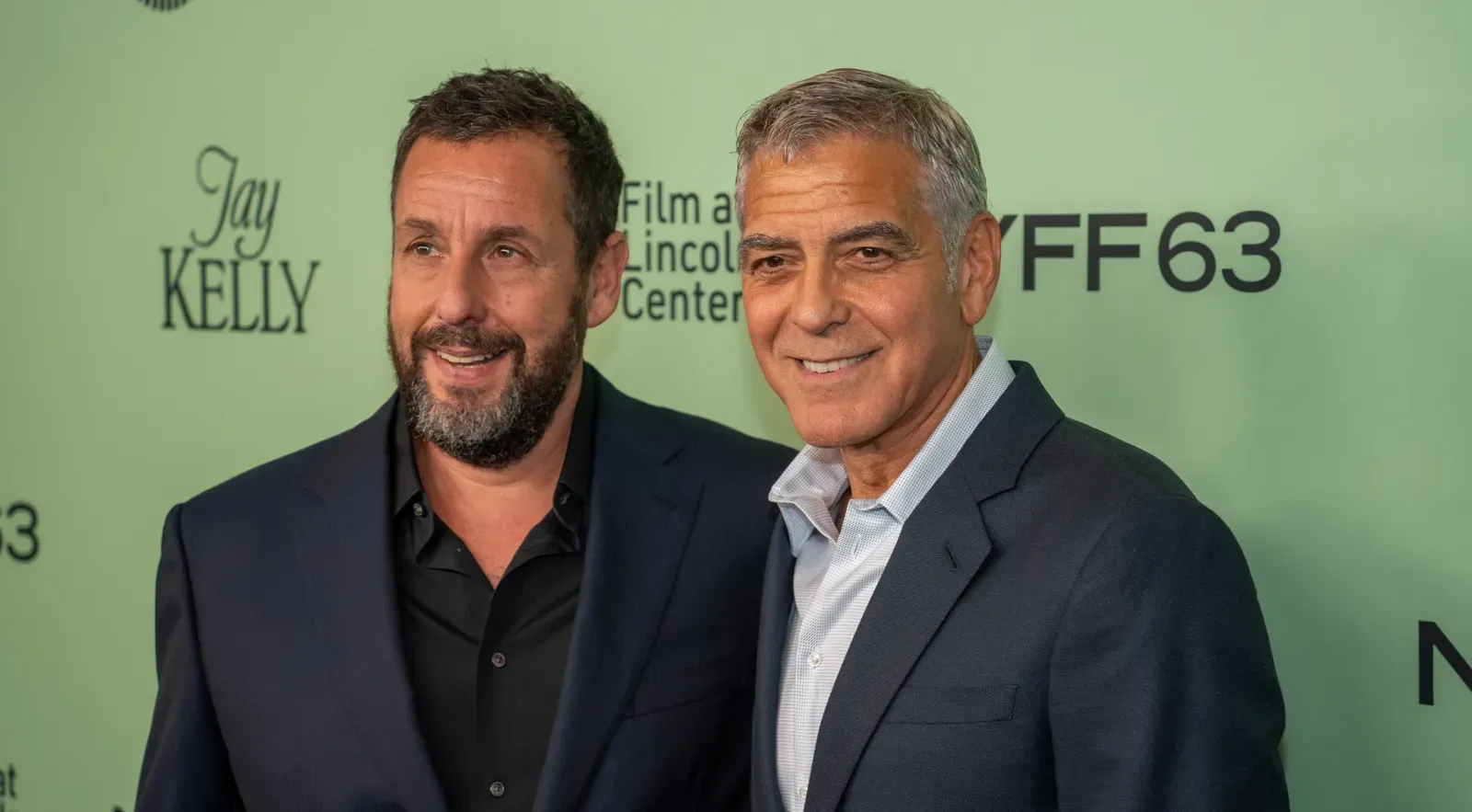
For years, Sandler seemed content coasting through broad comedies built around goofy voices and slapstick pratfalls. Then came the Safdie brothers’ Uncut Gems, and suddenly nobody was laughing quite the same way. Adam Sandler, known for his comedic roles in films like Happy Gilmore, shocked audiences with his performance as Howard Ratner, a charismatic but reckless jeweler.
The role demanded something Sandler’s earlier comedies never asked for: real, sustained tension. The role required Sandler to delve into a world of chaos and tension, showcasing a side of his acting abilities rarely seen, and his performance was widely praised and considered by many as one of the best of his career. It wasn’t his first serious turn, since Punch-Drunk Love had already hinted at this range, but Uncut Gems made the case impossible to ignore.
4. Steve Carell in Foxcatcher

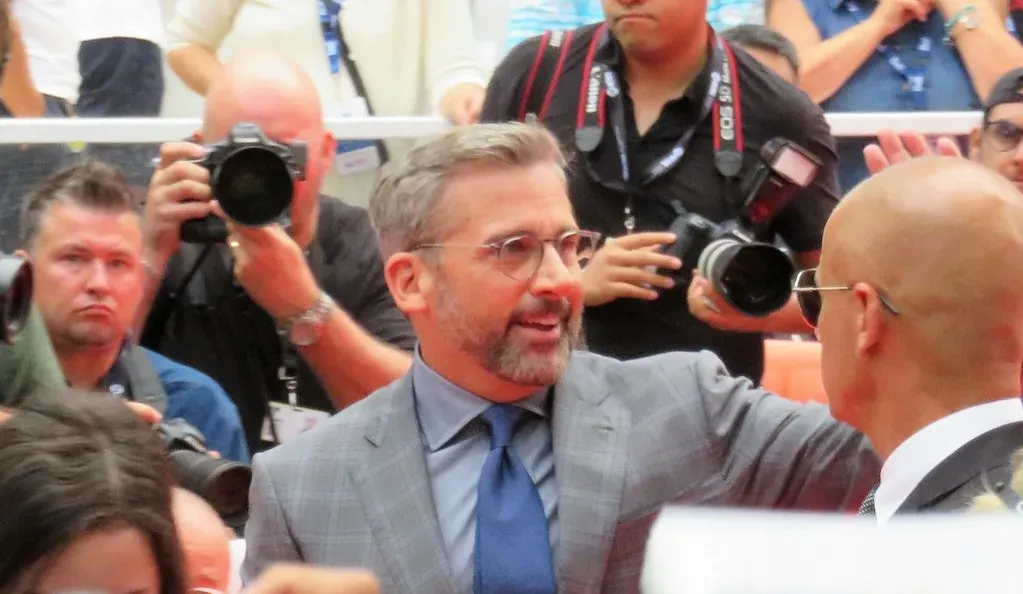
Carell spent years as America’s favorite bumbling boss on The Office, a role built almost entirely on cringe comedy and warmth hidden beneath awkwardness. Foxcatcher asked him to bury all of that. Playing the eccentric and troubled millionaire John du Pont, Carell’s performance was both unsettling and captivating.
Under prosthetics and a strange, clipped speech pattern, Carell became almost unrecognizable, both physically and emotionally. The performance drew serious awards attention specifically because nobody expected the guy from Dunder Mifflin to disappear so completely into something so cold. It’s the kind of transformation that recalibrates how an audience sees an actor’s range going forward.
5. Sacha Baron Cohen in The Trial of the Chicago 7

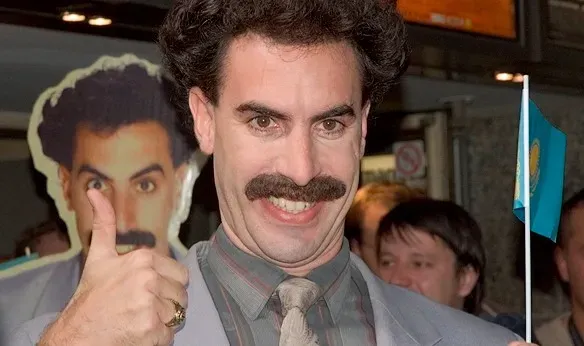
Cohen built an entire career on outrageous, provocative characters designed to make real people squirm on camera. Known primarily for outrageous satire as Borat and Brüno, Cohen built a career on provocation and absurdity. His role as activist Abbie Hoffman required something entirely different: sincerity without a wink.
Partner offer

Aaron Sorkin’s courtroom drama gave Cohen a chance to channel his natural theatricality into something with real historical weight. His portrayal of Abbie Hoffman was a turning point, showing he could channel his theatricality into something serious without winking at the audience. The performance earned him serious awards consideration, a reminder that his comic instincts had always been rooted in sharp observation, not just shock value.
6. Bryan Cranston in Breaking Bad

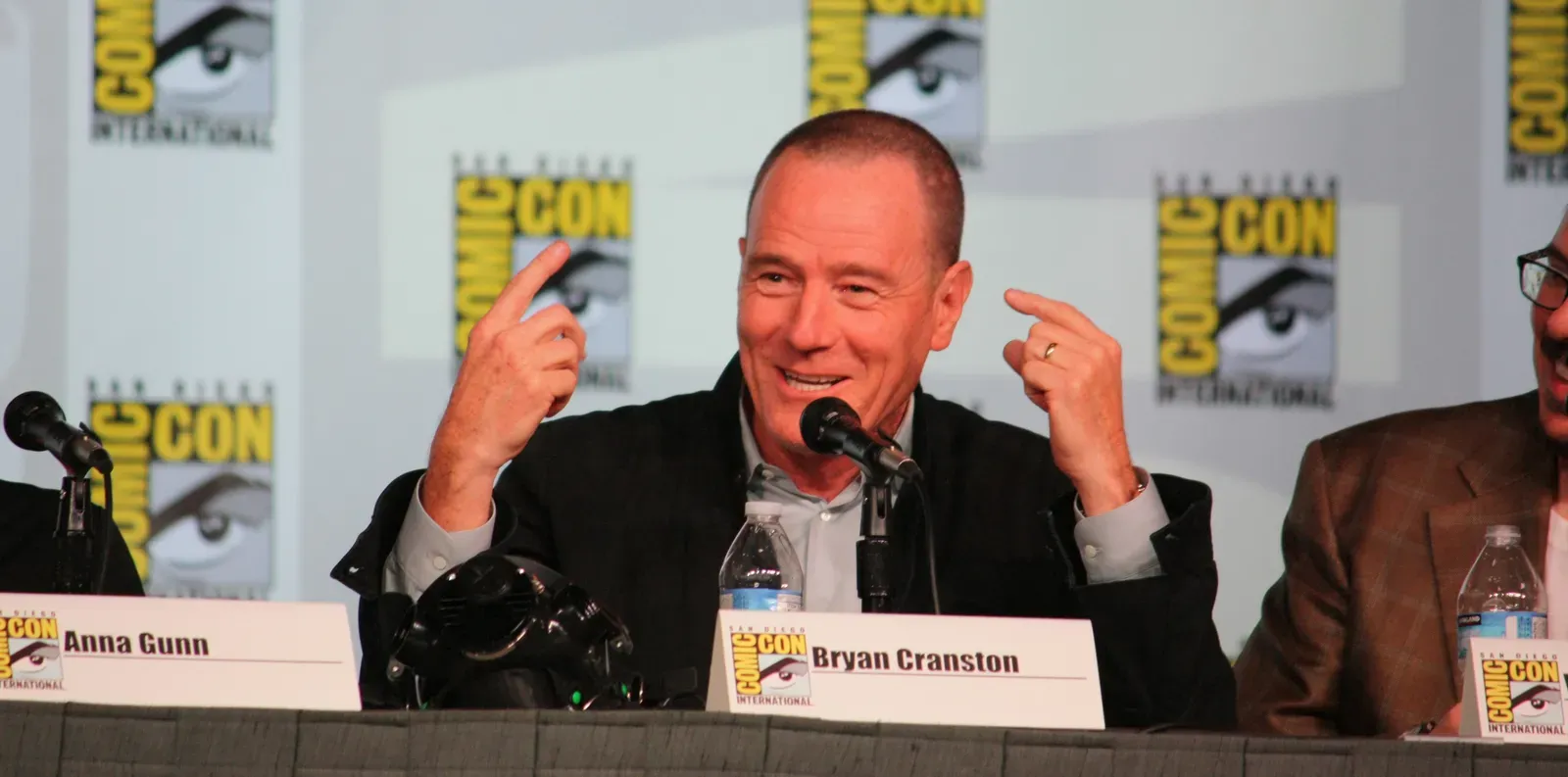
Before he was cooking meth in a New Mexico desert, Cranston was the exasperated dad on a family sitcom. His performance as Walter White in Breaking Bad is what Bryan Cranston will always be best known for, but the actor’s roots actually find themselves in the comedy genre, having starred in one of the lead roles of Malcolm In The Middle before his dramatic career really took off.
The gap between Hal, the goofy patriarch prone to physical comedy, and Walter White, a chemistry teacher who becomes a ruthless drug kingpin, is about as wide as television has ever asked an actor to cross. What made it work was that Cranston never played Walter as a cartoon villain. He built the character’s descent gradually, using the same precise comic timing that made Malcolm in the Middle work, just aimed at something far darker.
7. Chris Rock in Fargo

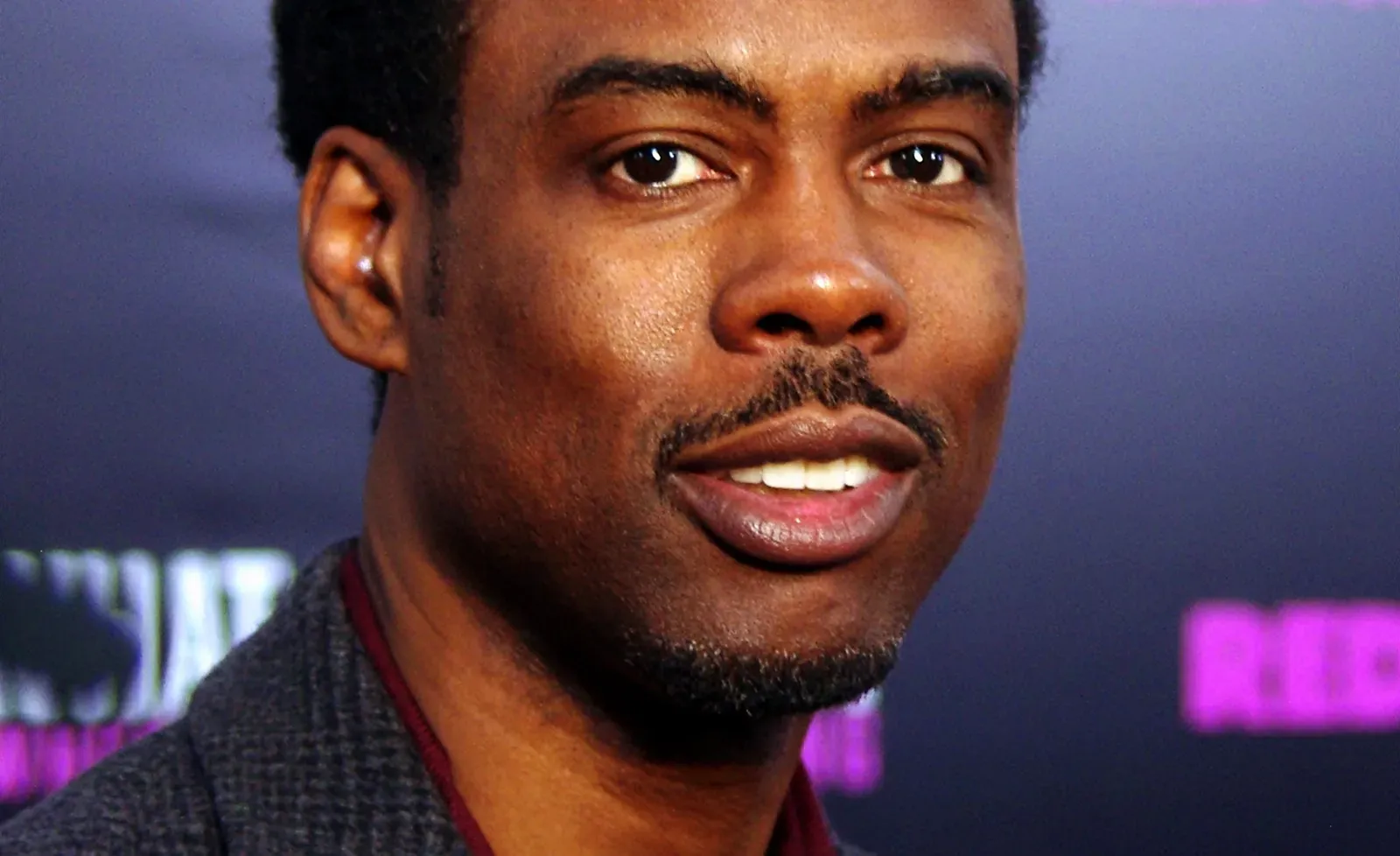
Rock has spent decades as one of stand-up comedy’s sharpest voices, with a screen career built on comedies drawing from his own biography. Chris Rock’s films and television appearances include comedies like his biographical Everybody Hates Chris, which is why it was such a surprise when it was announced that season four of Fargo would be starring the comedian.
The role asked him to trade punchlines for menace almost entirely. Chris Rock plays the leader of a black crime syndicate and while the show certainly has some laughs, Rock plays a much darker character than he ever had before. It was a reminder that Rock’s comedic sensibility, built on close observation of power and violence in American life, translates surprisingly well into straight drama.
8. Bill Murray in Lost in Translation
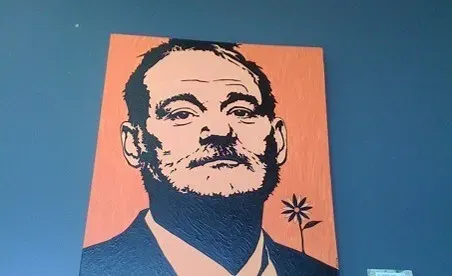
Murray’s early attempt at drama, a remake of The Razor’s Edge, didn’t land the way he hoped. Very early in his career, Murray starred in a remake of The Razor’s Edge, but at the time he just didn’t have strong enough acting chops to pull off the role convincingly, and audiences were not ready for a performance that veered so far from his work in popular comedies. Decades later, Sofia Coppola’s Lost in Translation proved the timing had finally caught up with the talent.
As Bob Harris, a fading movie star adrift in Tokyo, Murray delivered something quieter and more melancholic than anything in his back catalog. Murray’s performance is a masterclass in restraint, his character’s existential weariness and unexpected tenderness emerging through subtle facial expressions and quiet moments rather than explicit dialogue. The role earned him an Oscar nomination and reframed his entire career, proving that the deadpan detachment audiences loved him for was never just a comic device. It had always carried something heavier underneath. These eight performances share a common thread beyond simple surprise. Each actor drew on skills that comedy had already sharpened, timing, observation, the ability to read a room and adjust, and pointed them somewhere unfamiliar. The results didn’t erase what came before. They just proved there was more range sitting underneath the laughs than most audiences had given credit for.
Partner offer
Planning a trip to Vegas?
Compare hotel rates and show tickets on VEGAS.com.