There’s a persistent myth in music that great records need months of studio time, expensive gear, and endless takes to sound right. History tells a different story. Some of the most influential albums ever made were finished before the engineer even had time to learn everyone’s name, thrown together on tight budgets, tighter deadlines, and a whole lot of nerve. What follows are eight albums that defied the slow, expensive studio model entirely. Each one was recorded, mixed, or both, in less time than most people spend on a work week, yet they went on to shape entire genres.
1. Black Sabbath – Black Sabbath (1970)

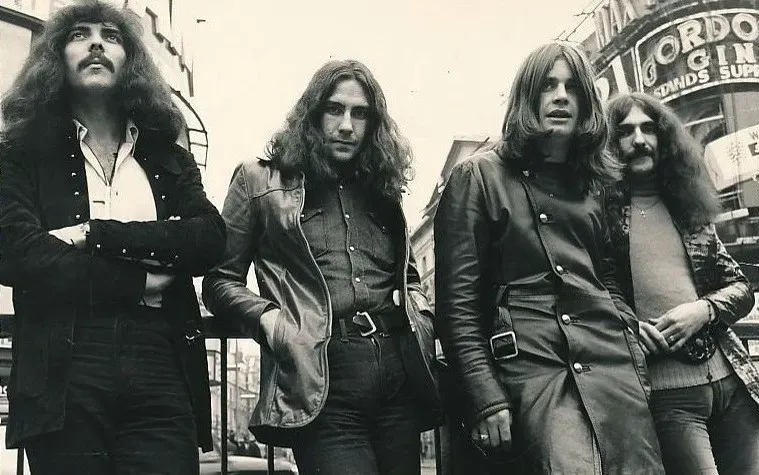
Few debut albums carry as much weight as this one, and almost none were made this fast. The album was recorded at Regent Sounds Studios on Denmark Street, London in a 12-hour session on 16 October 1969. The band essentially performed their live set from start to finish, treating the session like just another gig.
Guitarist Tony Iommi later explained the mindset plainly: “We just went in the studio and did it in a day, we played our live set and that was it.” Bassist Geezer Butler later revealed the band actually had two days booked but only needed one, and the band had two days booked in the studio to record the album, but only used one. They skipped mixing entirely to make it to a gig, and somehow still invented heavy metal along the way.
2. The Ramones – Ramones (1976)

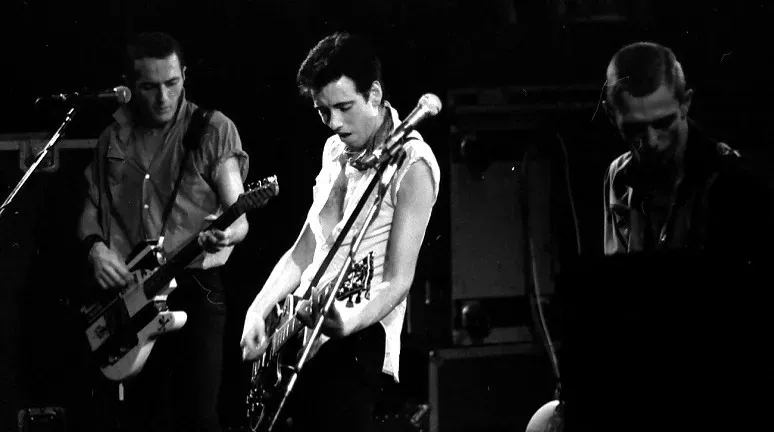
Punk rock’s founding document was made on a shoestring and an even tighter clock. The Ramones began recording in January 1976, needing only seven days and $6,400 (equivalent to $36,200 in 2025) to record the album. That number gets repeated so often because it is almost hard to believe for an album this era defining.
Drummer Tommy Ramone later gave a more granular account of the chaos, recalling they “ended up doing two or three days recording tracks and overdubs, and part of that was for Joey’s vocals, and then we did a 14-hour marathon mix session.” He estimated the whole thing wrapped in under a week, saying plainly, “I don’t think it was more than five days altogether.” Fourteen songs, twenty nine minutes, and a genre born almost by accident.
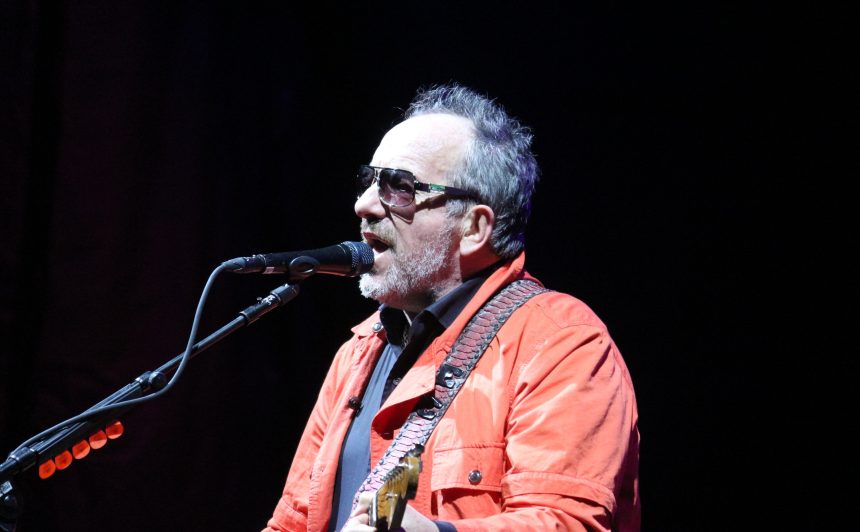
3. Elvis Costello – My Aim Is True (1977)

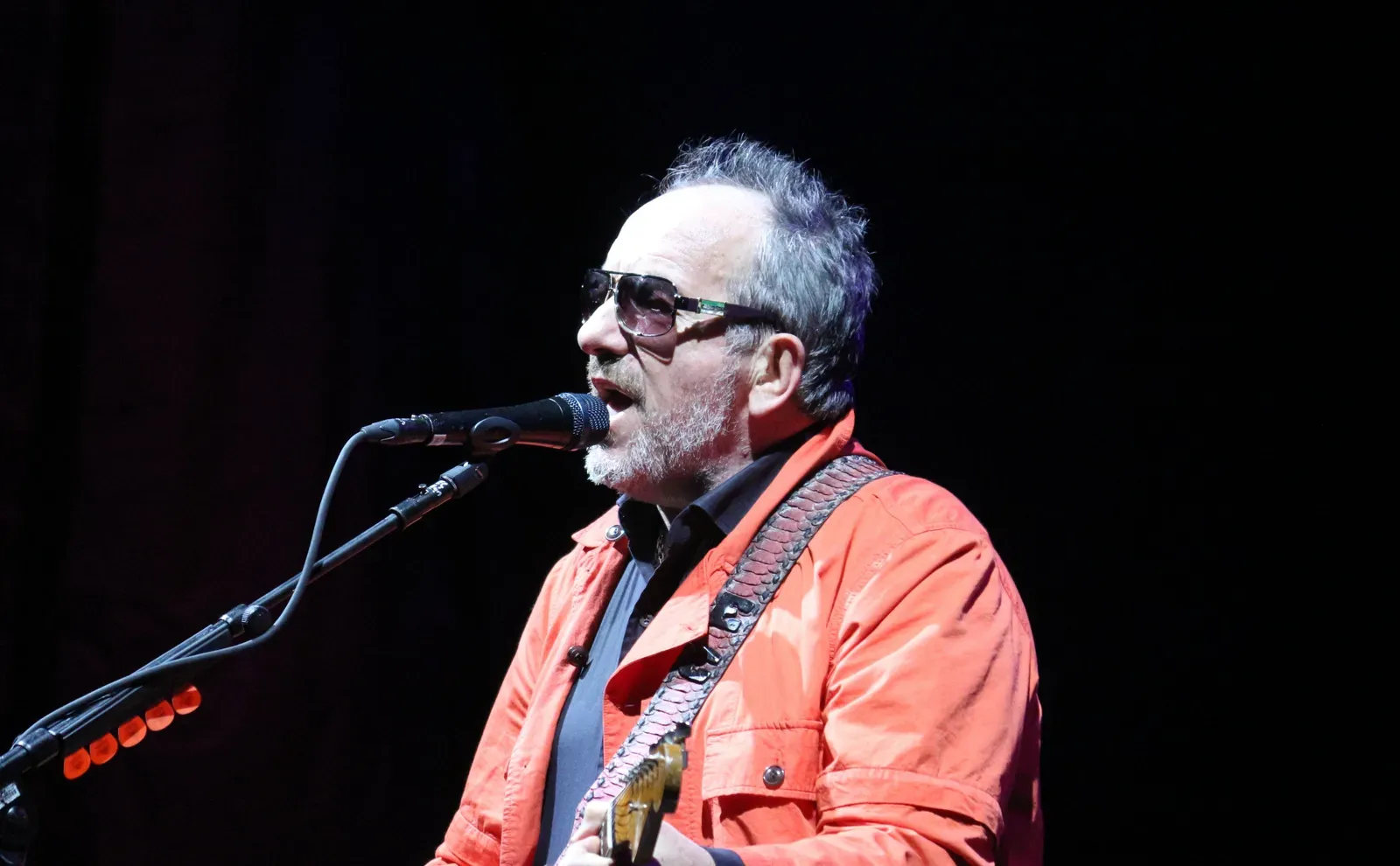
Costello didn’t have the luxury of quitting his day job to make his debut. The album was recorded from late 1976 to early 1977 over six four-hour studio sessions at Pathway Studios in Islington, London. Add it up and you get roughly a single day’s worth of actual studio time, spread out because he needed to keep his paycheck.
He later confirmed the arrangement himself in liner notes, writing that “My Aim Is True was recorded at Pathway Studios, Islington in a total of 24 hours’ studio time and at a cost of £2000,” adding “As I still had my ‘day-job,’ these sessions had to take place on ‘sick days’ and holidays during late 1976 and early 1977.” The record went on to become one of the most celebrated debuts in rock history, proof that urgency can be its own kind of production value.
4. Nirvana – In Utero (1993)

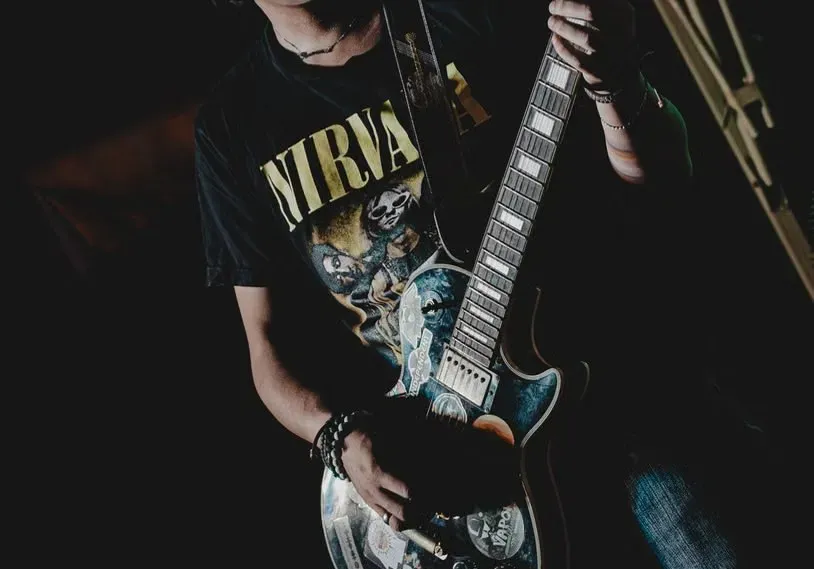
By 1993, Nirvana was the biggest band on the planet, yet they chose to record their most abrasive album in near total isolation. In February 1993, Nirvana traveled to Pachyderm Studios in Cannon Falls, Minnesota. Once the tape machines were finally rolling, things moved fast.
According to multiple accounts, the core tracking wrapped remarkably quickly, with reports noting that “recording was completed in six days; Cobain called the process ‘the easiest recording we’ve ever done, hands down.'” Producer Steve Albini later gave a slightly longer window in interviews, saying “The In Utero album was done fairly quickly, we were done in 12 or 14 days.” Even by the more generous count, the bulk of a platinum selling album came together in less time than it takes most bands to finish rehearsing.
Partner offer

5. The White Stripes – White Blood Cells (2001)

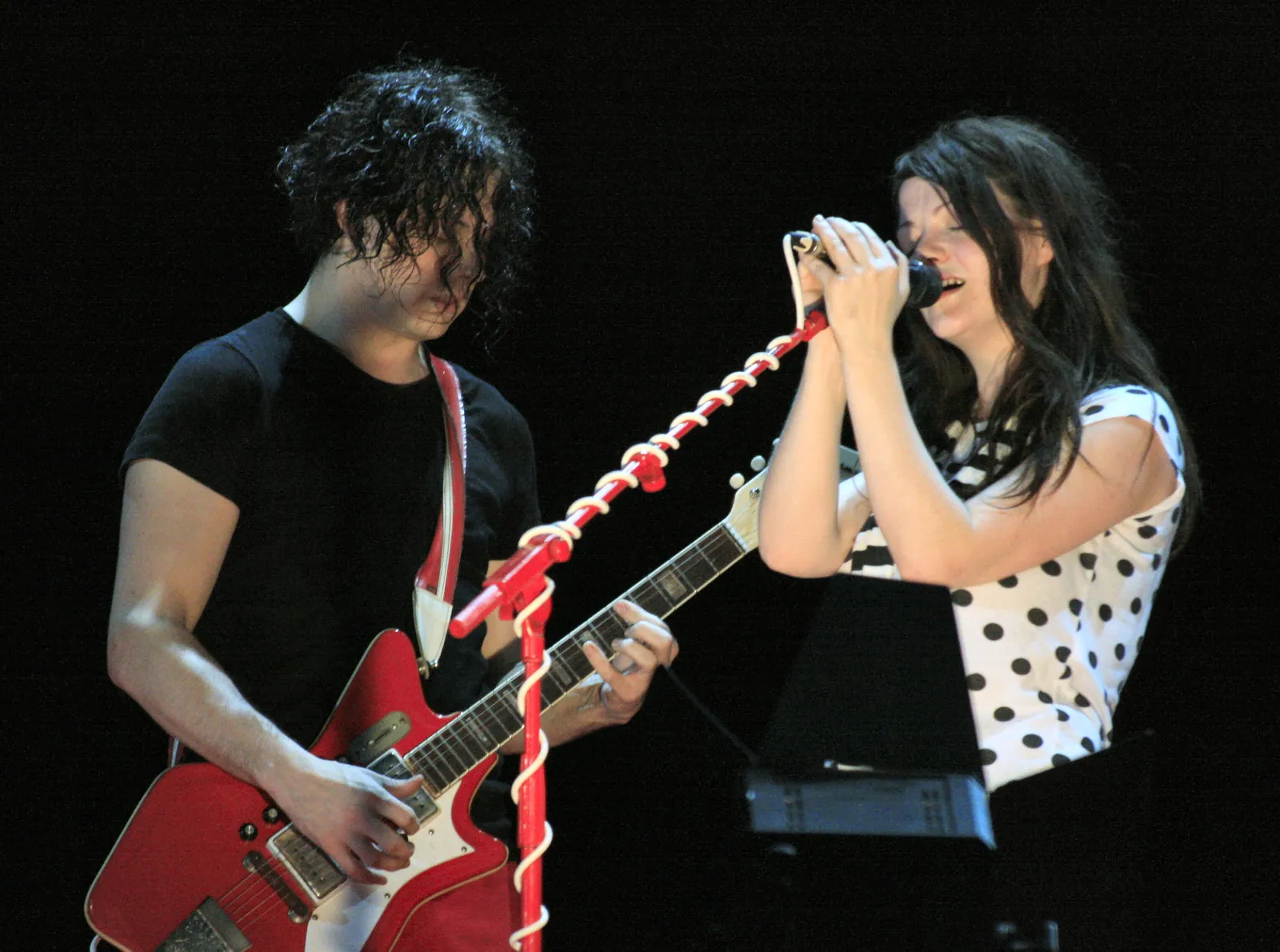
Jack and Meg White wanted their third album to sound unrehearsed, so they made sure it actually was. After rehearsing for a week, The White Stripes recorded White Blood Cells over three days, in 12- to 13-hour shifts, in February 2001, at Easley McCain Recording in Memphis, Tennessee. It was their first time working in a proper 24 track studio, which makes the speed even more notable.
Jack White later confirmed the timeline directly, telling an interviewer “There were probably only three real days of recording,” and explaining “We really rushed the whole album, to get that feel to it, a real tense thing coming out of it.” Meg White was reportedly hesitant, feeling the songs were too new to record, but the rushed approach became part of the album’s raw appeal and helped push the duo into mainstream recognition.
6. Slint – Spiderland (1991)

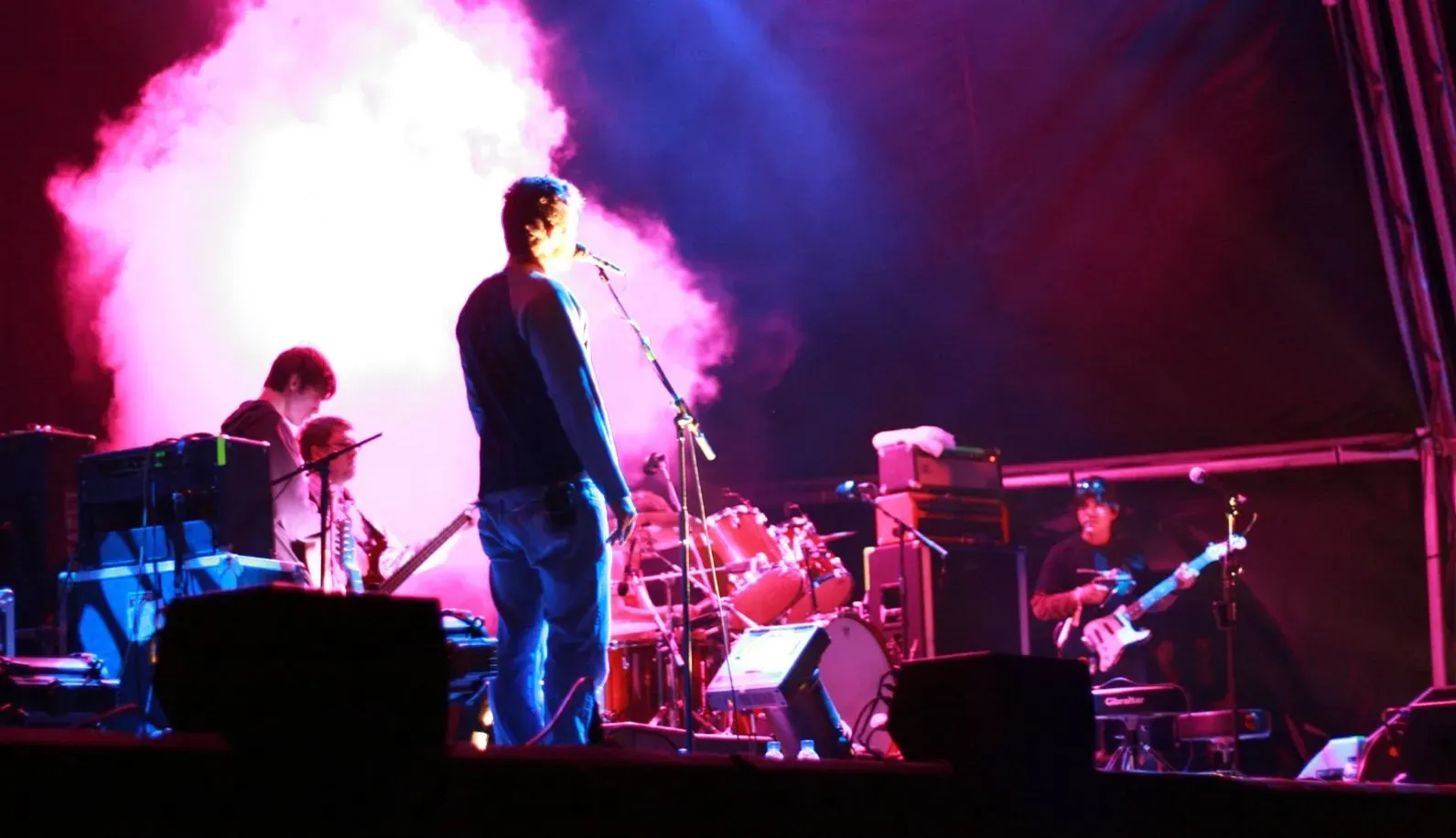
Spiderland is often cited as one of the most influential post rock and math rock records ever made, which makes its production story almost comically understated. The Louisville band tracked the entire album over roughly four days at River City Sound Studios, working with engineer Brian Paulson to capture the tense, quiet loud dynamics that would later inspire countless bands. There were no elaborate overdub sessions or months of tinkering, just a small studio and a band that knew exactly what mood they wanted.
What makes the speed so striking is the album’s reputation for meticulous, almost claustrophobic arrangement. Listeners often assume a record this deliberate must have taken ages to construct. Instead, Slint’s members walked in with the material already worked out through relentless rehearsal, leaving the studio time itself remarkably short.
7. The Stooges – The Stooges (1969)

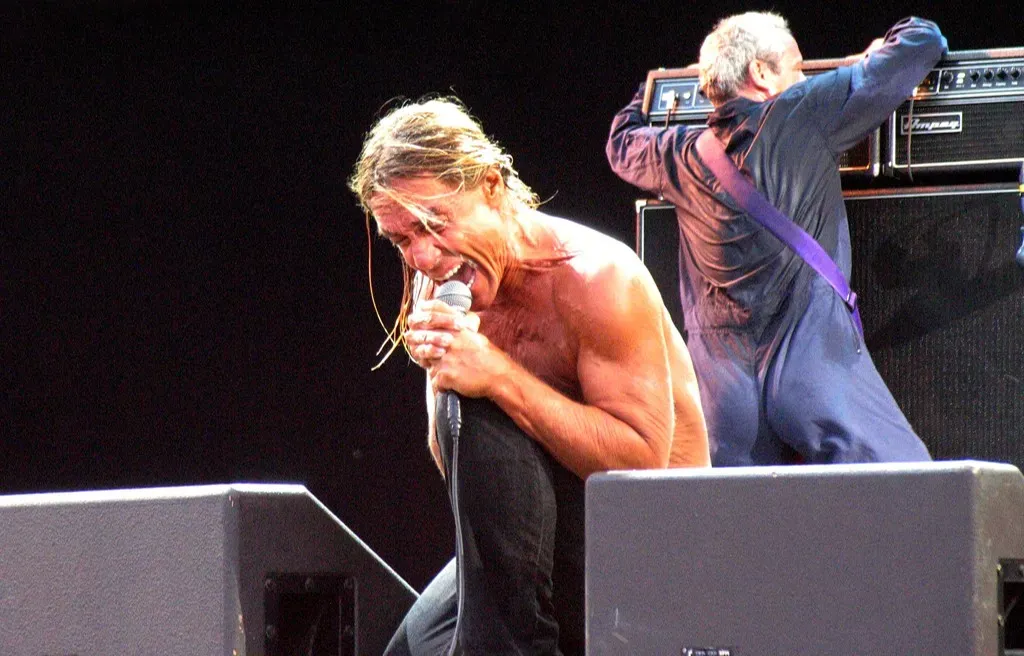
Before punk had a name, Iggy Pop and the Stooges were already living its ethos in the studio. Their self titled debut was recorded in roughly four days at the Hit Factory in New York City, with Velvet Underground member John Cale brought in to produce. The band’s raw, primal sound left little room, or need, for extensive polishing.
Cale reportedly pushed for a stripped down approach that matched the band’s live intensity rather than smoothing it over. The quick turnaround suited a group whose songs were built on repetition and groove rather than layered arrangement. Decades later, the album is regarded as a blueprint for punk, garage rock, and proto metal alike, all achieved in less time than a typical work week.
8. Bob Dylan – Bob Dylan (1962)

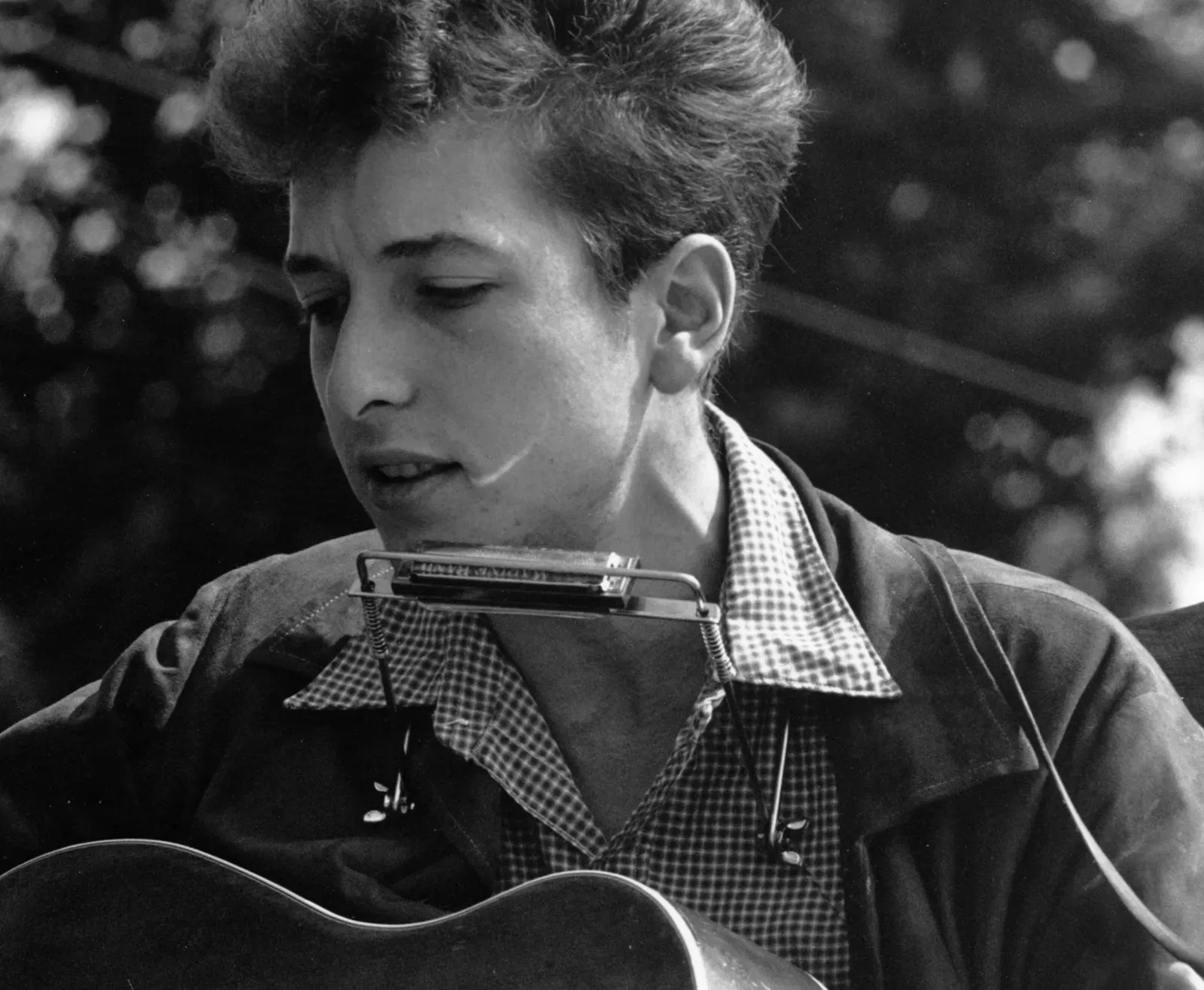
Dylan’s self titled debut might be the fastest entry on this list, recorded in just two sessions in November 1961 at Columbia’s Studio A in New York City. Producer John Hammond kept the budget famously small, reportedly around four hundred dollars, reflecting just how quickly and cheaply the record came together. Most of the material consisted of traditional folk and blues covers, allowing Dylan to lean on songs he already knew inside and out.
The speed made sense given the label’s modest expectations for a young, largely unknown singer. Nobody involved could have predicted that this quickly assembled debut would launch one of the most significant songwriting careers in American music. Sometimes the fastest sessions leave the most room for an artist’s personality to come through unfiltered.
These eight records span five decades and almost as many genres, yet they share a common thread. Speed wasn’t always a limitation forced by budget or circumstance. In several cases, it became the very thing that gave the music its edge, urgency, and honesty. The next time an album takes years to finish, it’s worth remembering that some of the most enduring ones never needed more than a few days.Partner offer
Planning a trip to Vegas?
Compare hotel rates and show tickets on VEGAS.com.