Newsrooms have trained a surprising number of novelists. Deadlines, tight word counts and the habit of chasing facts all leave a mark on a writer’s style. Many famous storytellers learned their craft by reporting on real people before they invented imaginary ones.
The eight authors below all worked in journalism before their fiction made them famous. Each career is well documented, and I’ve stuck to widely established biographical facts.
Ernest Hemingway
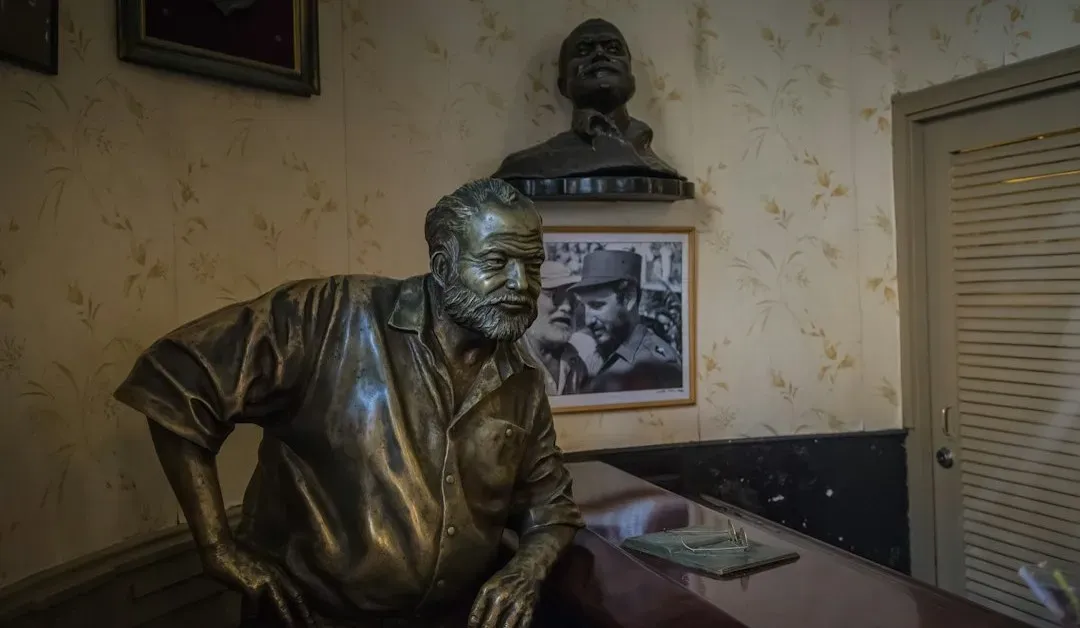
Hemingway began at the Kansas City Star in 1917, when he was only 18. He stayed there for about six months. The paper’s style guide, which urged short sentences and vigorous English, is often credited with shaping his spare prose.
He later reported from Europe for the Toronto Star and covered the Spanish Civil War as a correspondent. His first novel, The Sun Also Rises, appeared in 1926. Journalism stayed part of his life long after fiction made his name.
Gabriel García Márquez
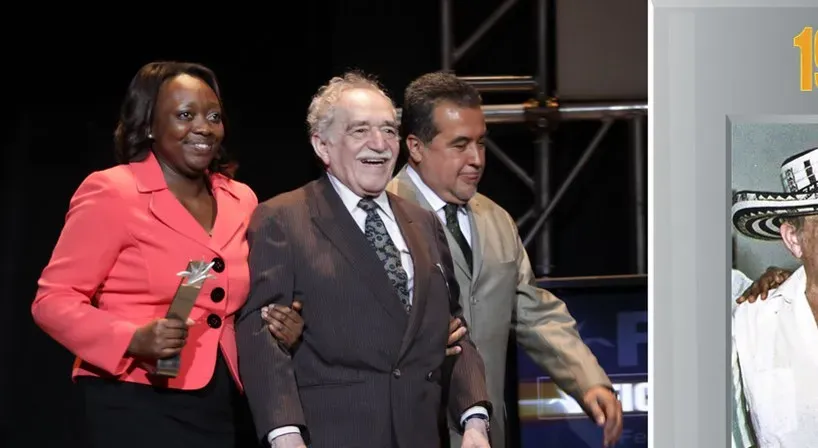
The Colombian Nobel laureate started as a newspaper reporter in the late 1940s, writing for papers such as El Universal in Cartagena and later El Espectador in Bogotá. He worked as a columnist and foreign correspondent. His journalism included a serialized account of a sailor’s shipwreck, later published as a book.
His novel One Hundred Years of Solitude came out in 1967 and became a landmark of magical realism. Many critics note how he presents fantastic events in the matter-of-fact tone of a reporter. He won the Nobel Prize in Literature in 1982.
Charles Dickens
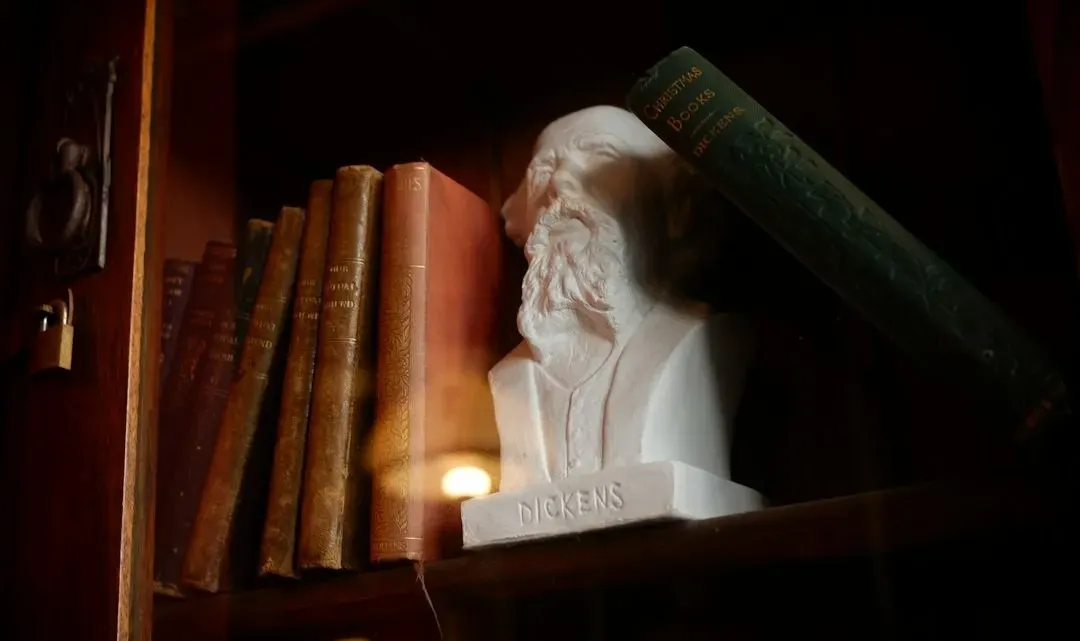
Before Oliver Twist and David Copperfield, Dickens worked as a parliamentary reporter in London. He also wrote sketches for newspapers and magazines. Those early pieces were collected as Sketches by Boz, published in 1836.
His first novel, The Pickwick Papers, appeared in monthly installments the same year. Later he edited periodicals such as Household Words. His eye for city life and social problems owes a lot to those years of observation.
Daniel Defoe
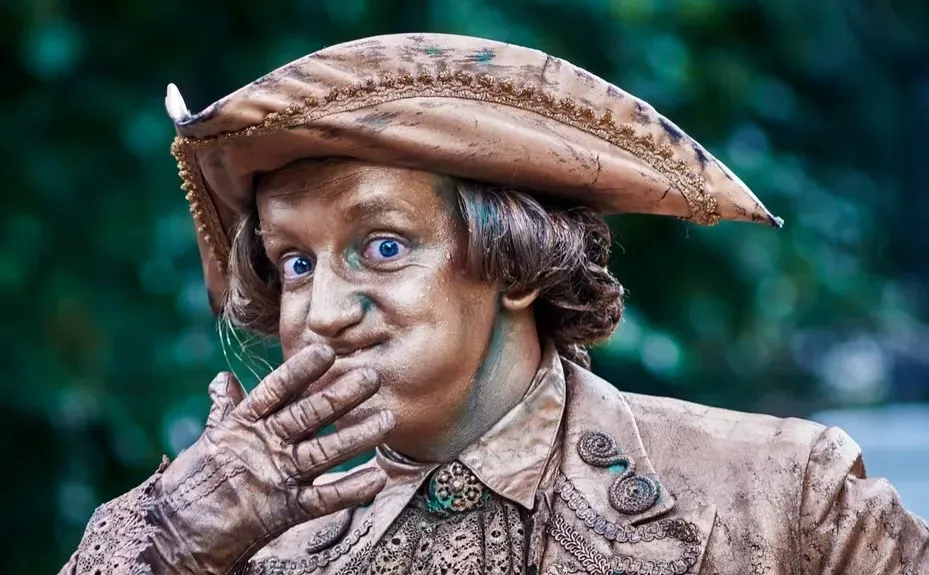
Defoe is often described as one of the earliest English journalists as well as a pioneering novelist. He wrote political pamphlets and ran a periodical called A Review of the State of the British Nation. His satirical pamphlet The Shortest Way with the Dissenters even landed him in the pillory in 1703.
Robinson Crusoe followed in 1719, when he was around sixty. The book’s detailed, realistic voice reflects his habit of writing as a witness. Many scholars see it as an early landmark of the English novel.
Partner offer
Willa Cather

Cather worked as a journalist and editor in Pittsburgh in the 1890s and early 1900s. She wrote criticism and features for newspapers and magazines. In 1906 she moved to New York to join McClure’s Magazine, where she eventually became managing editor.
She left the magazine to write fiction full time. Her novels O Pioneers! and My Ántonia drew on Nebraska prairie life. She received the Pulitzer Prize for the novel One of Ours in 1923.
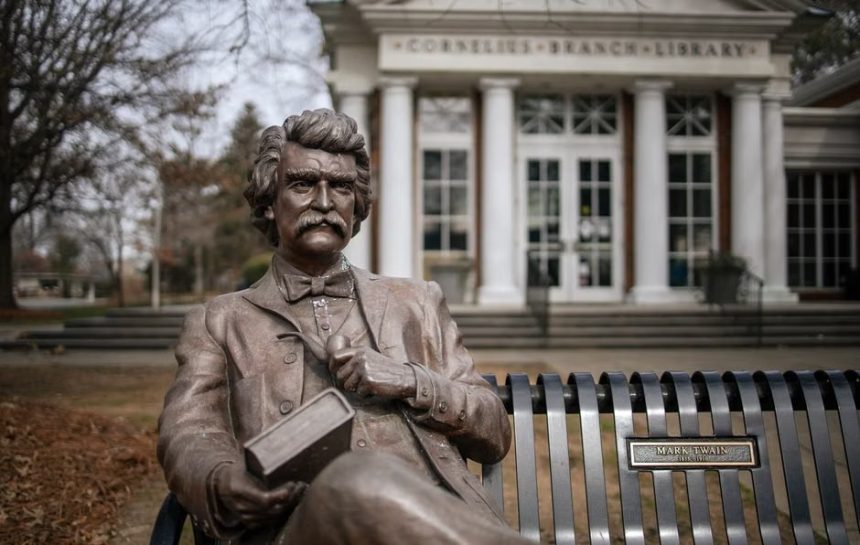
Mark Twain
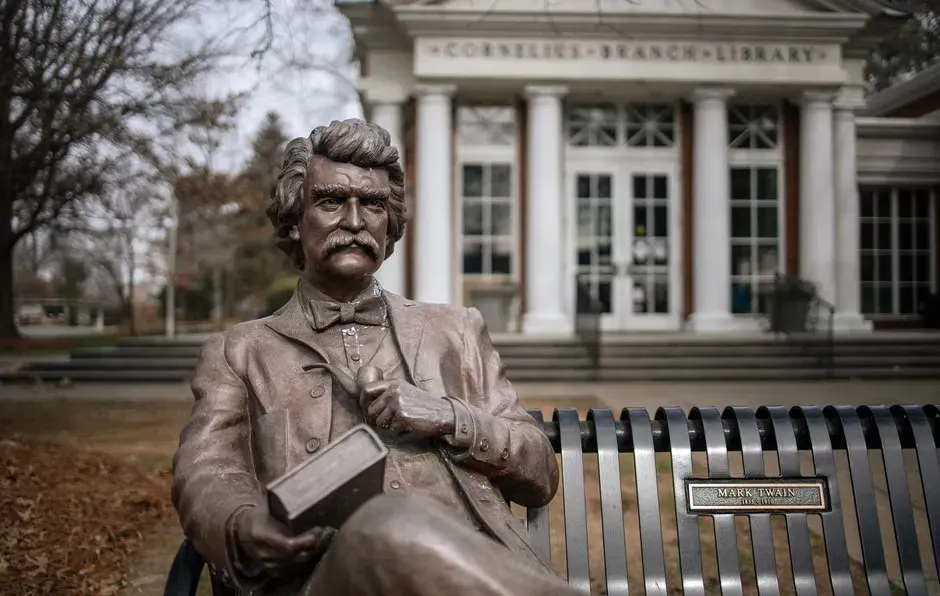
Samuel Clemens worked as a printer’s apprentice and then a newspaper writer in the West. He wrote for the Territorial Enterprise in Virginia City, Nevada, in the 1860s, which is where he began using the name Mark Twain. His humor and tall tales were sharpened in those papers.
His story about a jumping frog brought national attention in 1865. Later came The Adventures of Tom Sawyer and Adventures of Huckleberry Finn. His travel letters and newspaper work ran alongside his fiction for years.
George Orwell
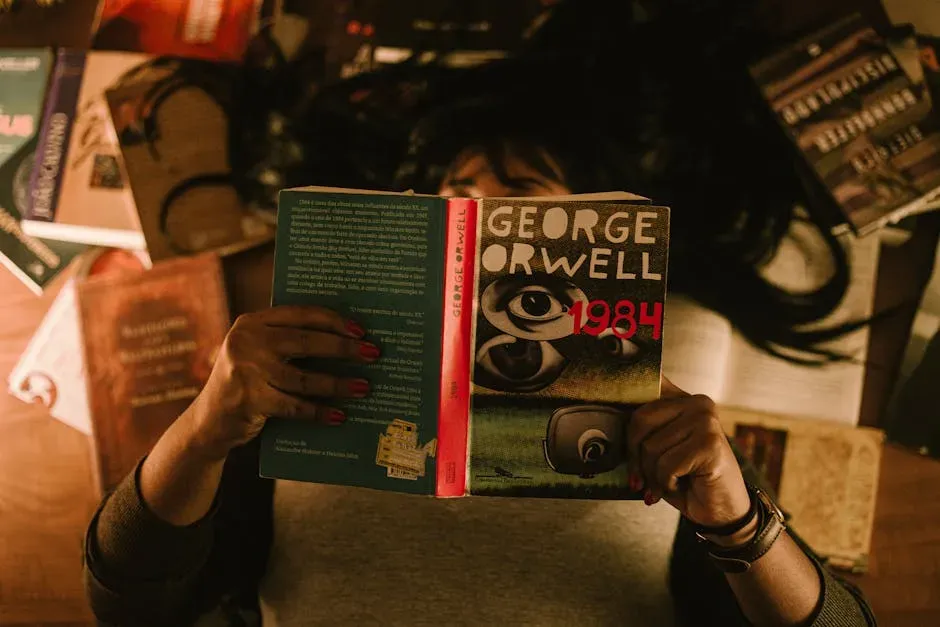
Orwell is best known for fiction, yet he spent much of his career as an essayist and reporter. He wrote about poverty and later about the Spanish Civil War, where he fought and then described the experience in Homage to Catalonia. During the Second World War he worked for the BBC and wrote for the Tribune.
Animal Farm appeared in 1945 and Nineteen Eighty-Four in 1949. His plain, direct style grew out of journalism and political writing. He even argued in his essays that good prose should be clear, like a windowpane.
Joan Didion
Didion began at Vogue in New York in the late 1950s after winning a college writing contest. She worked there for several years, writing copy and then features. Her essays for magazines later appeared in Slouching Towards Bethlehem in 1968.
Her first novel, Run River, came out in 1963. She went on to write Play It As It Lays and many acclaimed nonfiction books. Her cool, observant voice shows how reporting and fiction can feed each other.
These eight writers show that a newsroom can be a fine apprenticeship for storytelling. Reporting teaches economy, observation and the courage to meet a deadline. Plenty of great novels began as someone simply paying attention.
Partner offer
Planning a trip to Vegas?
Compare hotel rates and show tickets on VEGAS.com.