It’s one of the most fascinating paradoxes in modern education. Books that were once pulled from shelves, labeled as dangerous, or deemed inappropriate now sit at the very center of our classrooms. How did that happen? The journey from banned to beloved reveals something powerful about how society shifts, how values evolve, and how the very stories we once feared become the ones we most need our children to understand.
During the 2024-2025 school year, PEN America recorded 6,870 instances of book bans, and since 2021, that amounts to 22,810 cases across 45 states and 451 school districts. In 2024, the American Library Association’s Office for Intellectual Freedom tracked 821 attempts to censor library materials, targeting 2,452 unique titles. Yet ironically, many titles that faced censorship decades ago have become staples of English curricula nationwide. Let’s dive into eight books that weathered storms of controversy to become essential reading for students today.
To Kill a Mockingbird by Harper Lee
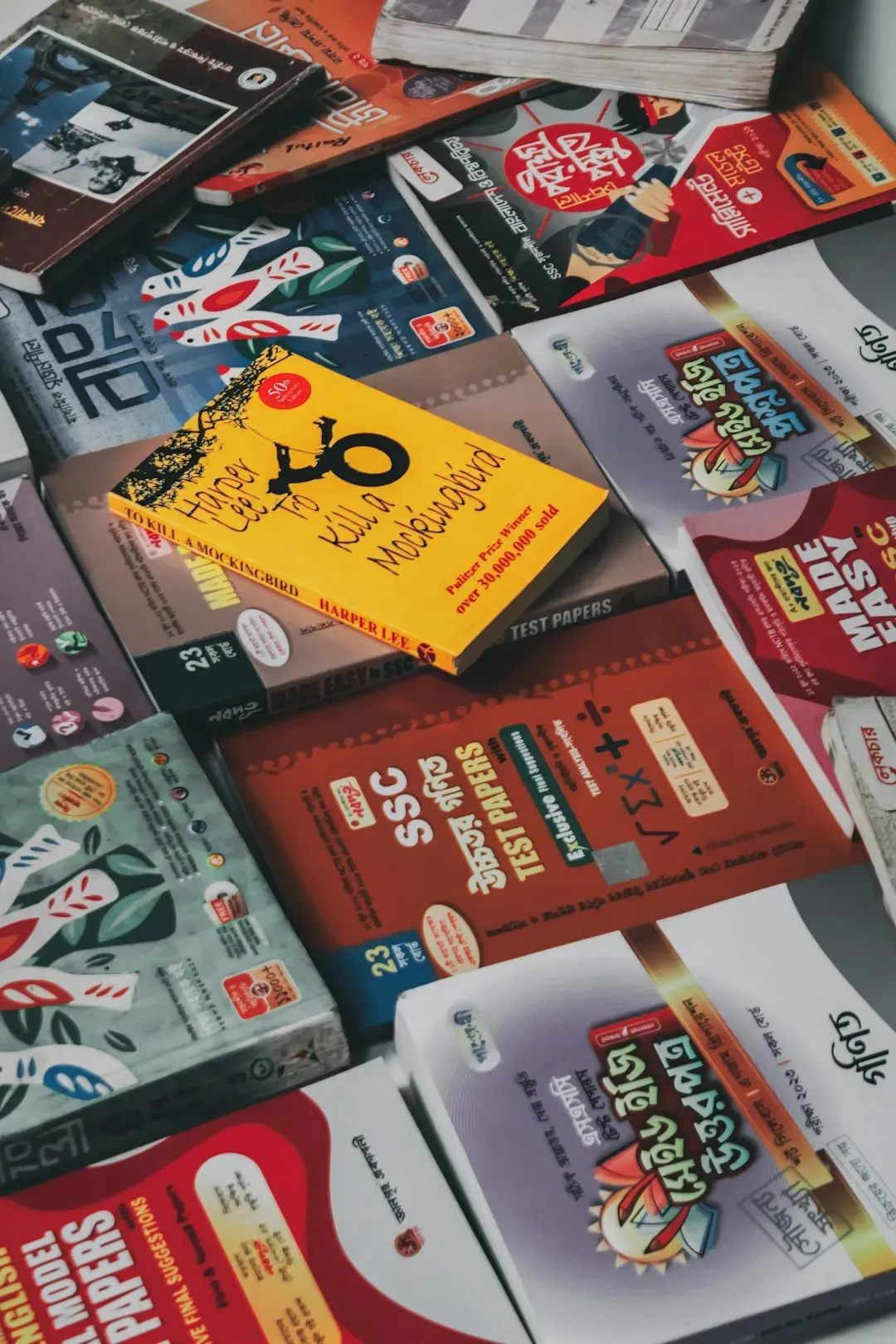
Harper Lee’s 1960 Pulitzer Prize-winning novel is considered a classic of modern American literature, yet it’s among the books most frequently challenged and banned from middle and high school curricula, with profanity, racially charged epithets including the n-word, and a rape scene topping critics’ reasons for removal. The tension around this book remains fierce even now. Some districts have removed it entirely, while others mandate it as required reading.
For educators who choose to teach the novel, it has been both beloved as a story of moral courage and criticized for its limited portrayal of Black characters, dated treatment of racism, and promotion of a white savior narrative. Despite this ongoing controversy, the book continues to appear on countless high school reading lists. The novel forces students to confront uncomfortable truths about racial injustice through Scout Finch’s eyes, creating a learning opportunity that many educators believe outweighs the discomfort its language causes.
1984 by George Orwell
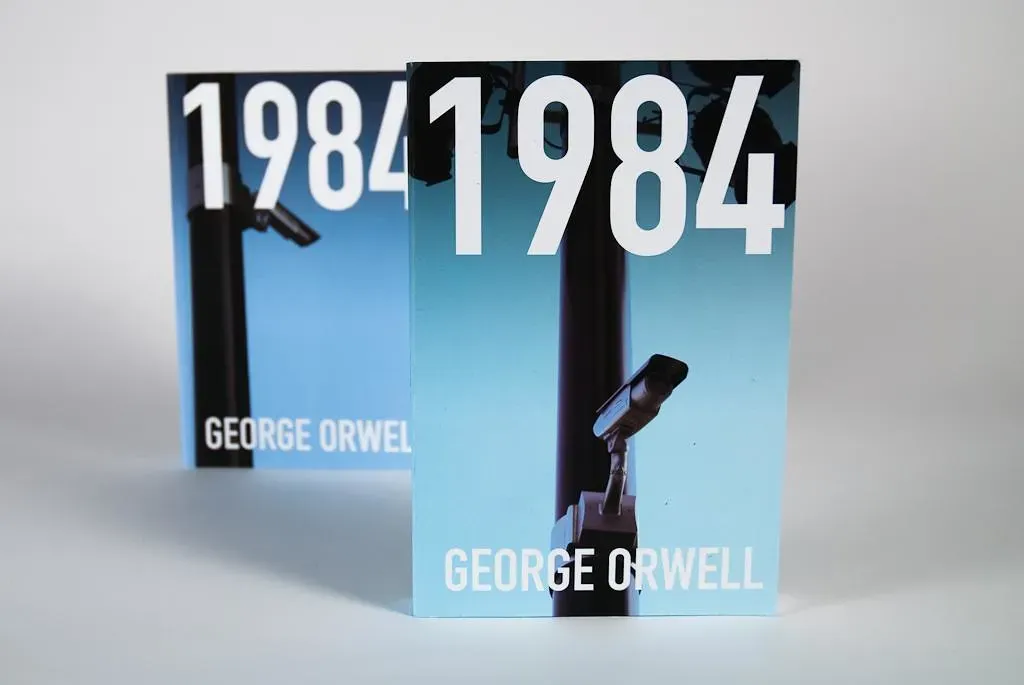
Orwell’s 1984 has been repeatedly challenged and banned for its social and political themes, one of which being the dangers of media censorship. Think about that irony for a second. A book warning about censorship gets censored. Between 1965 and 1982, the book ranked fifth on the list of most challenged titles for being immoral and pro-communist, and it currently sits ninth on the ALA’s list of banned classics.
The book has been challenged and removed from required reading at Lake Travis Middle School in Texas because parents felt the classic wasn’t age appropriate. Some parents have objected to violent and sexually explicit passages. Yet despite these challenges, 1984 has become standard fare in high school government and English classes across the country. The 2025 Banned Books Week theme, “Censorship is so 1984,” uses Orwell’s iconic novel as a reminder that censorship efforts persist today, with the American Library Association noting that the book serves as a prescient warning about the dangers of censorship.
The Catcher in the Rye by J.D. Salinger
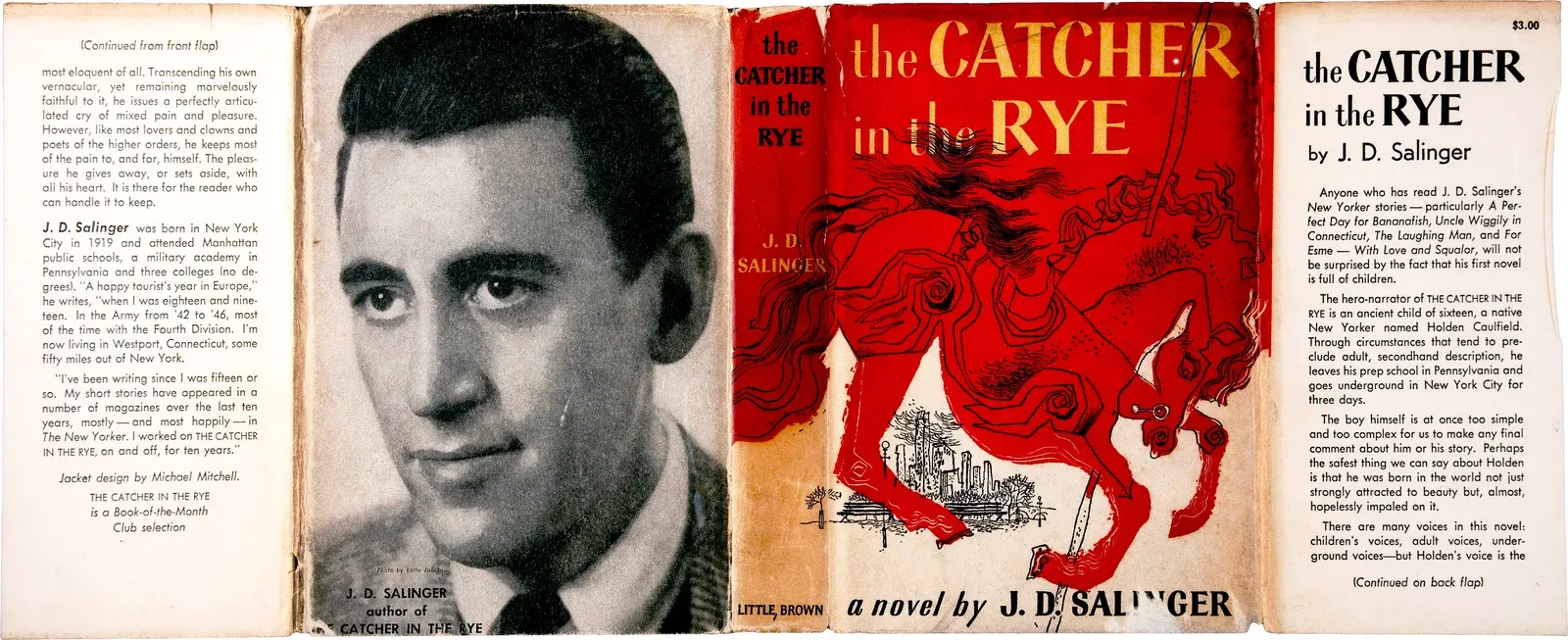
Holden Caulfield’s angst-ridden journey through New York City has frustrated parents and school boards for generations. The novel has been cited for language, sexual scenes, blasphemy, moral issues and violence numerous times through the years, and from 1966 to 1975, it was one of the most banned books in schools. Let’s be real, the language alone was enough to make administrators nervous.
The book captures teenage alienation in a way that felt raw and honest when it was published. That rawness is exactly what made adults uncomfortable. Students, though, connected with it instantly. Nowadays, it’s hard to find a high school that doesn’t include Salinger’s novel somewhere in its curriculum. The very qualities that made it scandalous turned out to be the same qualities that made it timeless.
The Adventures of Huckleberry Finn by Mark Twain
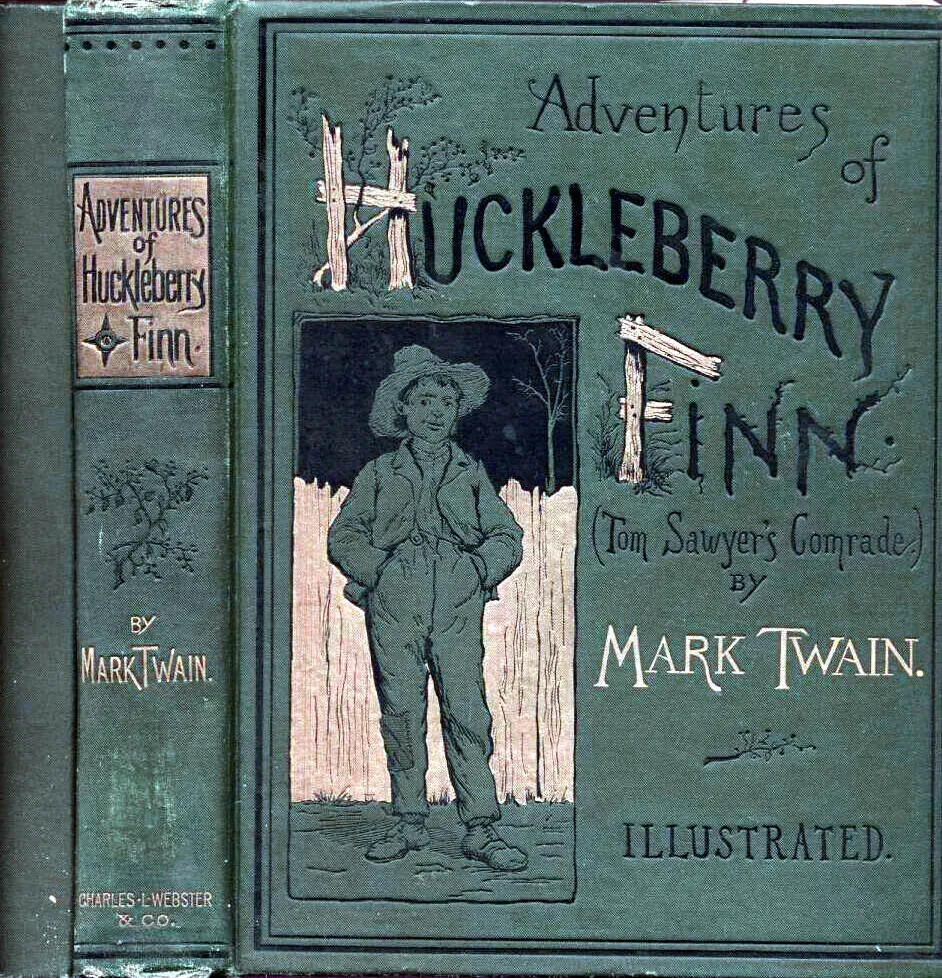
Mark Twain’s masterpiece has faced more than its share of controversy. In 2018, several schools in Minnesota banned both To Kill a Mockingbird and The Adventures of Huckleberry Finn, with Duluth’s director of curriculum explaining they could teach the same standards through other novels that didn’t require students to feel humiliated or marginalized by the use of racial slurs. The novel’s repeated use of racial epithets has made it one of the most challenged books in American education.
Here’s the thing, though. Twain was writing a critique of racism, not an endorsement of it. The book portrays Huck’s moral awakening as he comes to see Jim as a human being deserving of dignity and freedom. Many English teachers argue that removing the book erases an opportunity to discuss how language reflects historical attitudes and how literature can critique the very systems it depicts. The debate continues, with some schools keeping it and others replacing it with more contemporary works.
Brave New World by Aldous Huxley
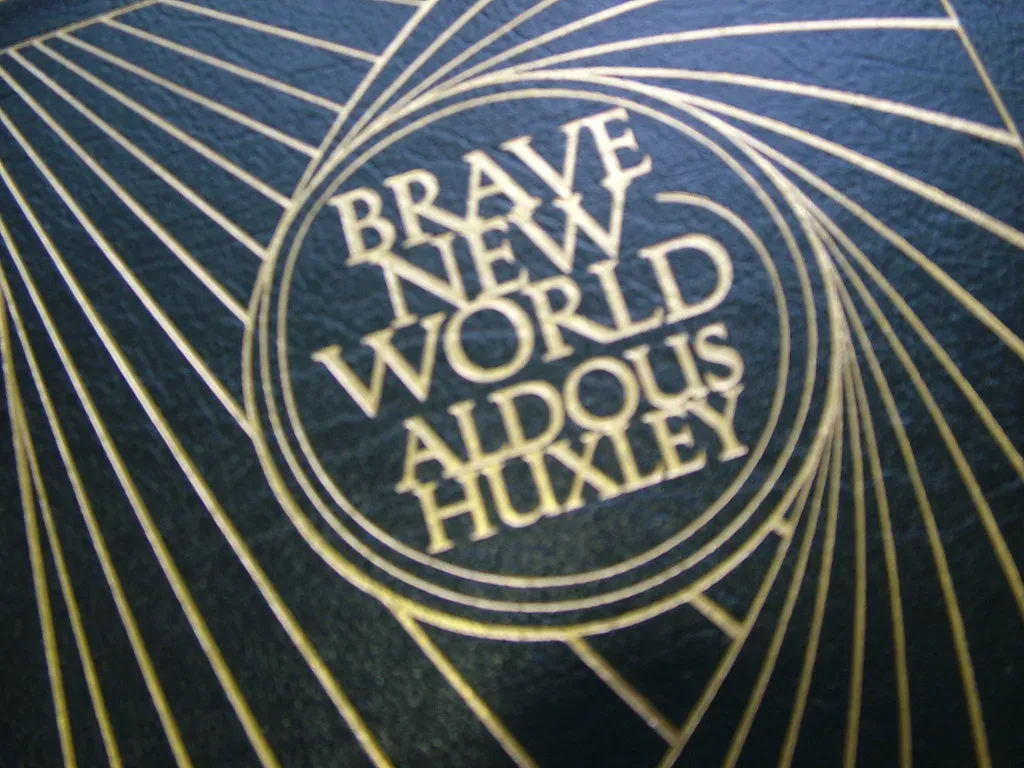
Banned in Ireland in 1932 and removed from classrooms in Miller, Missouri in 1980 because it makes promiscuous sex look like fun, the novel was challenged but retained in the South Texas Independent School District in Mercedes in 2003, with parents objecting to adult themes including sexuality, drugs, and suicide that appeared in the summer Science Academy curriculum. The dystopian vision of a society controlled through pleasure rather than pain struck many as morally dangerous.
Huxley’s novel explores themes of technological control, loss of individuality, and the commodification of human life. Those themes feel more relevant now than ever. In 2024, titles requiring parental permission in the Elizabeth School District in Colorado included 1984, Fahrenheit 451, Brave New World, and Anne Frank: The Diary of a Young Girl. Despite ongoing challenges, the book remains a staple in advanced English and social studies courses, where students grapple with questions about freedom, happiness, and what it means to be human.
Lord of the Flies by William Golding
William Golding’s 1954 novel about schoolboys stranded on an island has been challenged for violence, disturbing themes, and its dark view of human nature. The book’s brutal depiction of how quickly civilization can collapse into savagery made many adults question whether young readers should be exposed to such pessimistic ideas. Some worried the novel would corrupt children’s innocence or give them dangerous ideas.
Ironically, those very themes made the book invaluable for classroom discussions about society, morality, and human behavior. Teachers use it to explore philosophical questions about the social contract, the nature of evil, and what happens when societal rules break down. Many of these books are now considered classics and are assigned as required reading. Lord of the Flies has become essential reading for understanding how literature can function as social commentary.
The Great Gatsby by F. Scott Fitzgerald
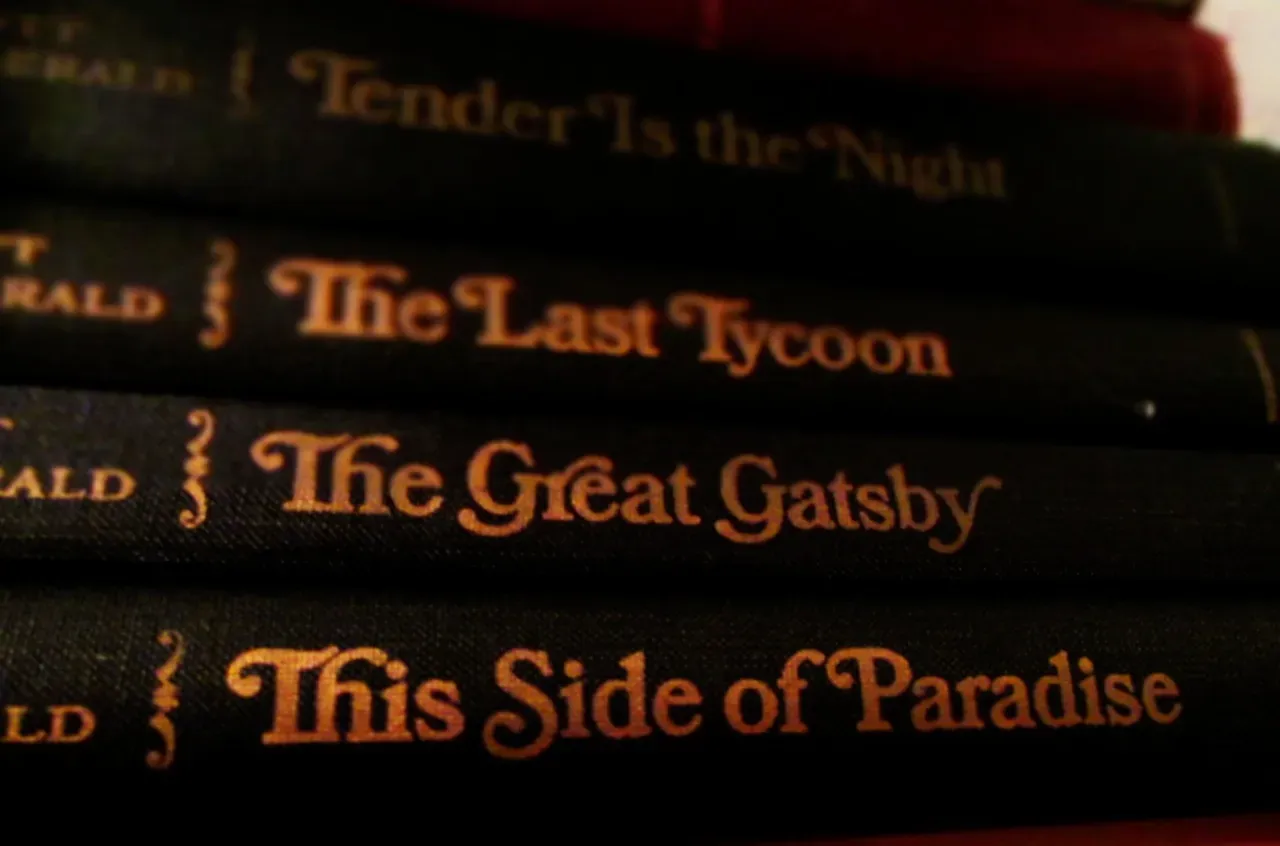
Believe it or not, Fitzgerald’s Jazz Age masterpiece has faced its share of challenges over the years. Critics have objected to its depictions of adultery, materialism, and alcohol consumption. Some found the moral decay portrayed in the novel unsuitable for young readers. The book’s unflinching look at the emptiness behind the American Dream made certain groups uncomfortable, particularly during more conservative eras.
Today, The Great Gatsby is practically synonymous with American literature courses. High schools across the country assign it to juniors and seniors, using it as a lens to examine themes of class, ambition, and the corruption of ideals. The very aspects that once drew criticism now serve as teaching tools for understanding American society and literary symbolism. It’s a perfect example of how what seems dangerous in one era becomes indispensable in the next.
A Clockwork Orange by Anthony Burgess
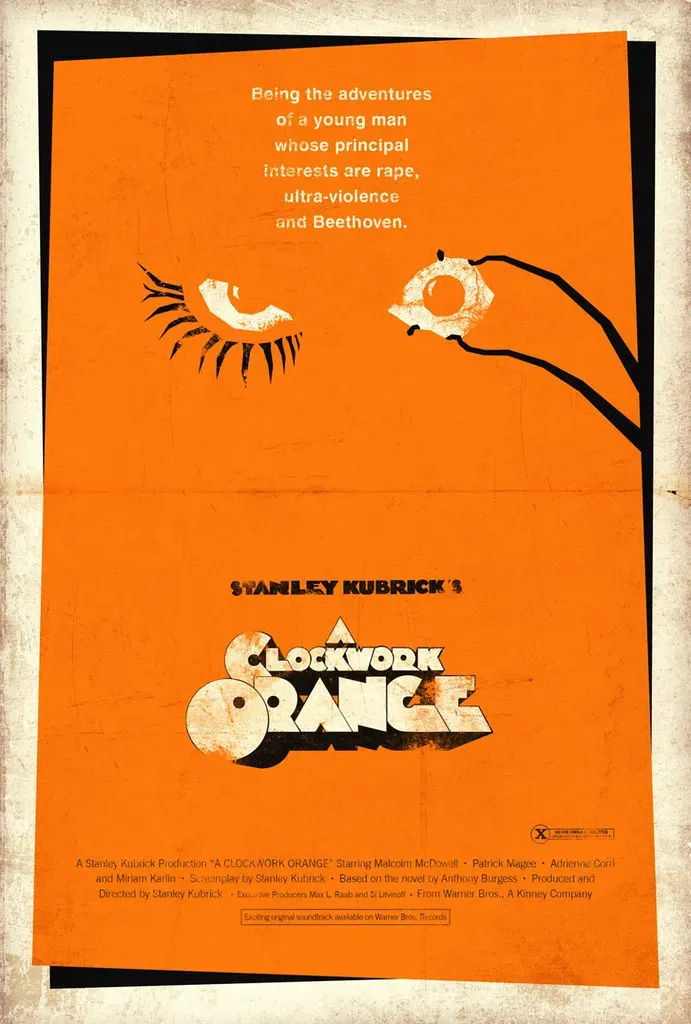
The 15 most banned books in the 2024-2025 school year, according to the PEN America Index of School Book Bans, include the Anthony Burgess classic A Clockwork Orange. The book with the most bans was A Clockwork Orange by British author Anthony Burgess, a more than 60-year-old satiric novel depicting a dystopian future full of violent young people and an extremist government.
The novel’s graphic violence and invented slang disturbed many readers who felt it glorified brutality. The portrayal of teenage gangs committing horrific acts of violence seemed to cross a line for parents and administrators. Yet Burgess was exploring profound questions about free will, morality, and whether forced goodness is truly good at all. Despite being among the most banned books recently, A Clockwork Orange appears in advanced English courses and philosophy classes where students are mature enough to grapple with its challenging themes. The book demands readers confront uncomfortable questions about choice, punishment, and human nature.
Conclusion
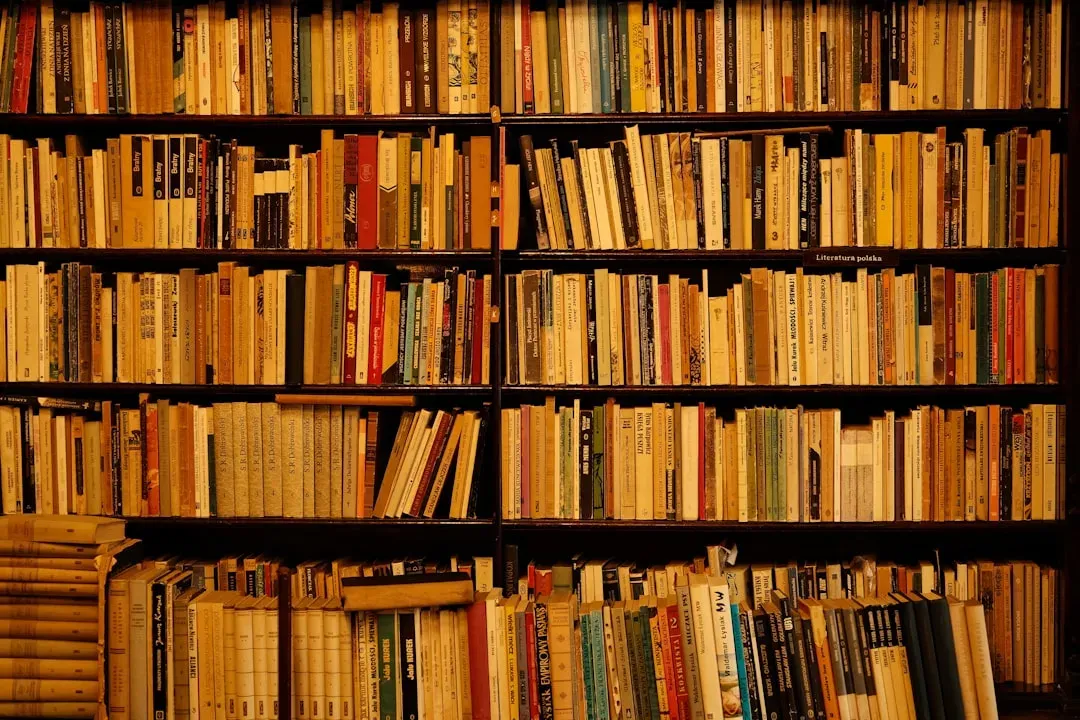
The books that spark the most controversy often become the most valuable teaching tools. Banned books often deal with subjects that are realistic, timely, and topical, and young people deserve to see their experiences, identities, and communities reflected in the books they read, as life complexities shouldn’t be kept from children and teens. What one generation fears, the next generation needs.
These eight books share something crucial. They challenge us, make us uncomfortable, and force us to examine difficult truths about society and ourselves. That discomfort is precisely why they belong in classrooms. Education isn’t about shielding students from complexity but equipping them to navigate it thoughtfully. The journey from banned to required reading reflects our growing understanding that the stories we need most are often the ones that make us squirm a little. What do you think? Should books that make us uncomfortable have a place in our schools?