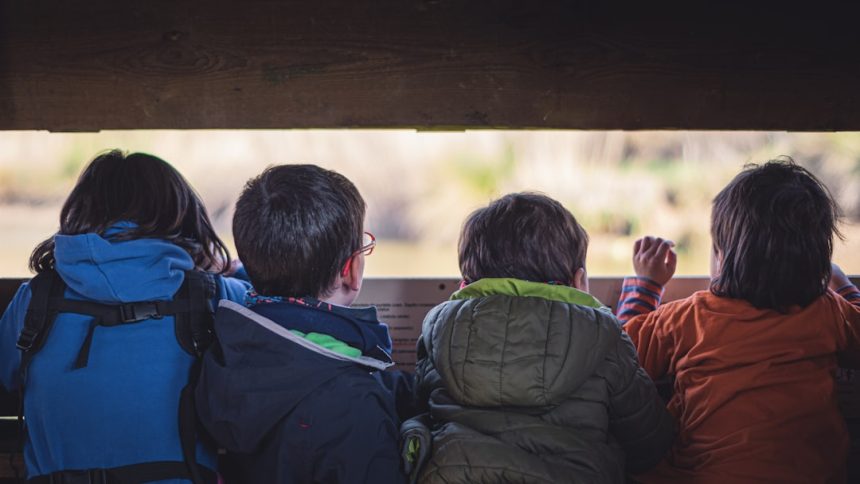
Most of us remember these games purely as fun. The chaos of a summer afternoon, the breathless sprint across a backyard, the tense quiet of crouching behind a bush. What we didn’t realize at the time was that each round was quietly building something much more durable than a memory.
Research published in 2024 in Frontiers in Psychology found that game-based learning has a moderate to large effect on cognitive, social, emotional, motivation, and engagement outcomes in early childhood. That’s a formal way of saying what most parents already sense intuitively: kids who play, learn to handle life. The eight games below did exactly that, one round at a time.
1. Hide and Seek: The Art of Staying Unseen
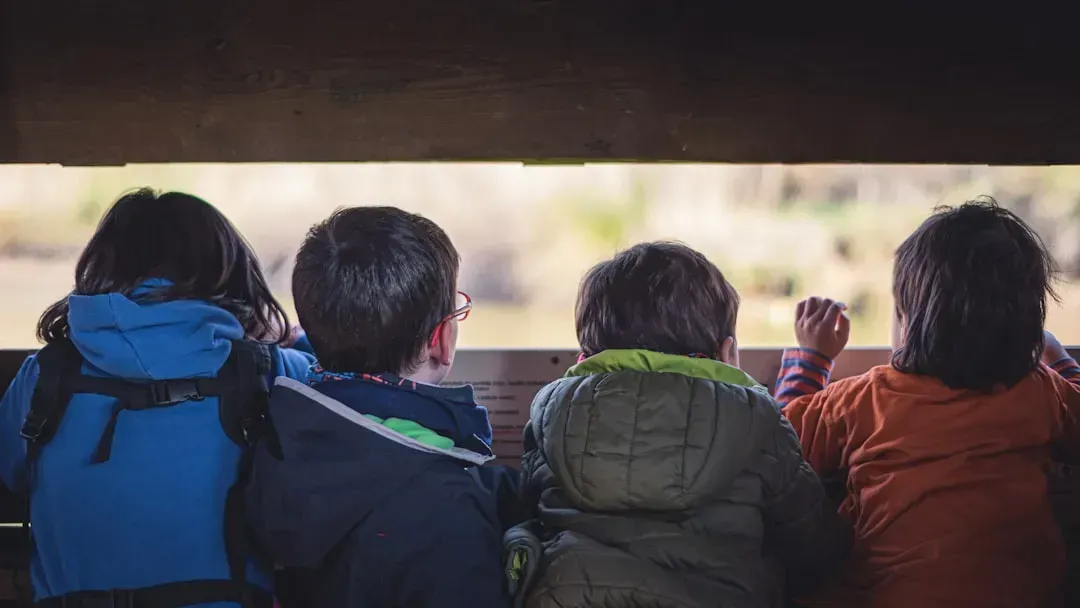
Hide and seek enhances executive functioning in children, strengthening cognitive skills such as planning, prioritizing, divergent thinking, perspective taking, and working memory. That’s a lot of mental horsepower packed into a game that looks, on the surface, like pure chaos. The child choosing a hiding spot is actually running a quiet risk assessment: who’s fast, where has already been found, how long can I hold still?
Hide and seek hits all of the pillars of executive functioning: working memory, mental flexibility, and self-control. According to research by the American Psychological Association, games requiring strategic thinking, like hide and seek, boost a child’s problem-solving ability as they grow. In real terms, a child who can stay calm, read a space, and wait for the right moment is already practicing one of the more underrated survival skills there is.
2. Tag: Reading Movement and Responding Fast
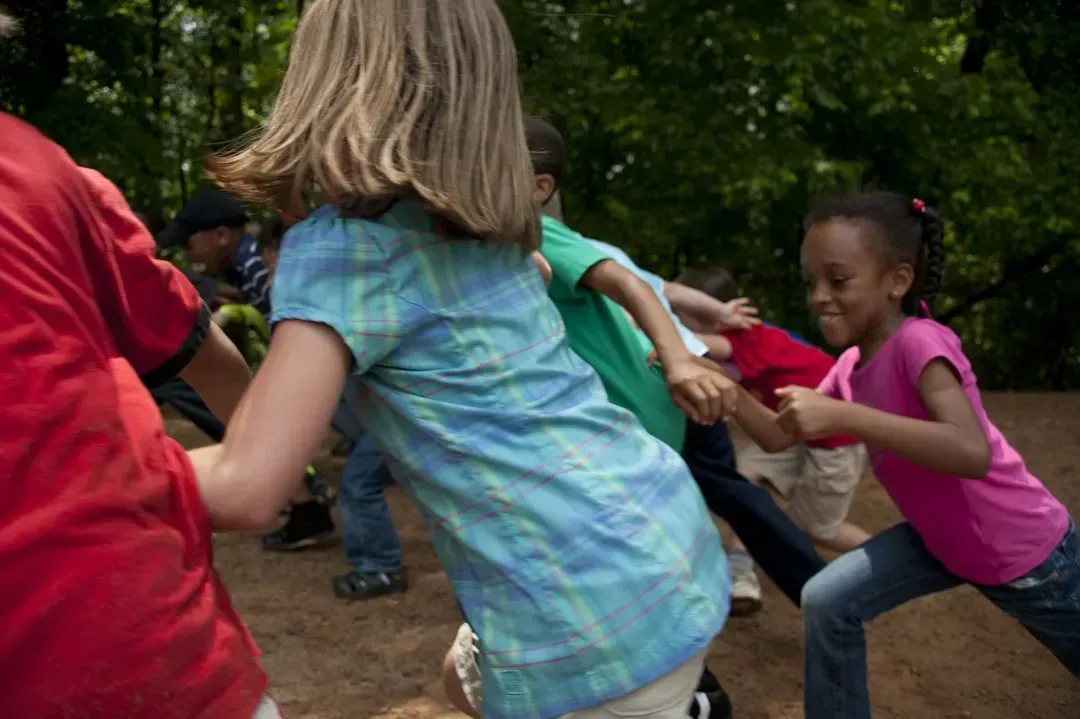
Tag is deceptively simple. One person chases, everyone else runs. The deeper game, though, is the constant scanning of everyone around you, predicting where someone will go before they go there, and deciding in a fraction of a second whether to hold ground or bolt. An often overlooked benefit of games like tag is the pressure it puts on children to think and act fast. When another child starts counting, the rest scatter and have to find a place to remain out of sight.
Running for a game of tag can help children think creatively and strategically while also interacting with others socially. Physical stamina and spatial awareness develop together, naturally and without a lesson plan. The child who survived tag without getting caught learned something about reading a situation and choosing the right move under pressure, which is about as transferable a skill as any.
3. Simon Says: The Power of Listening Before Acting
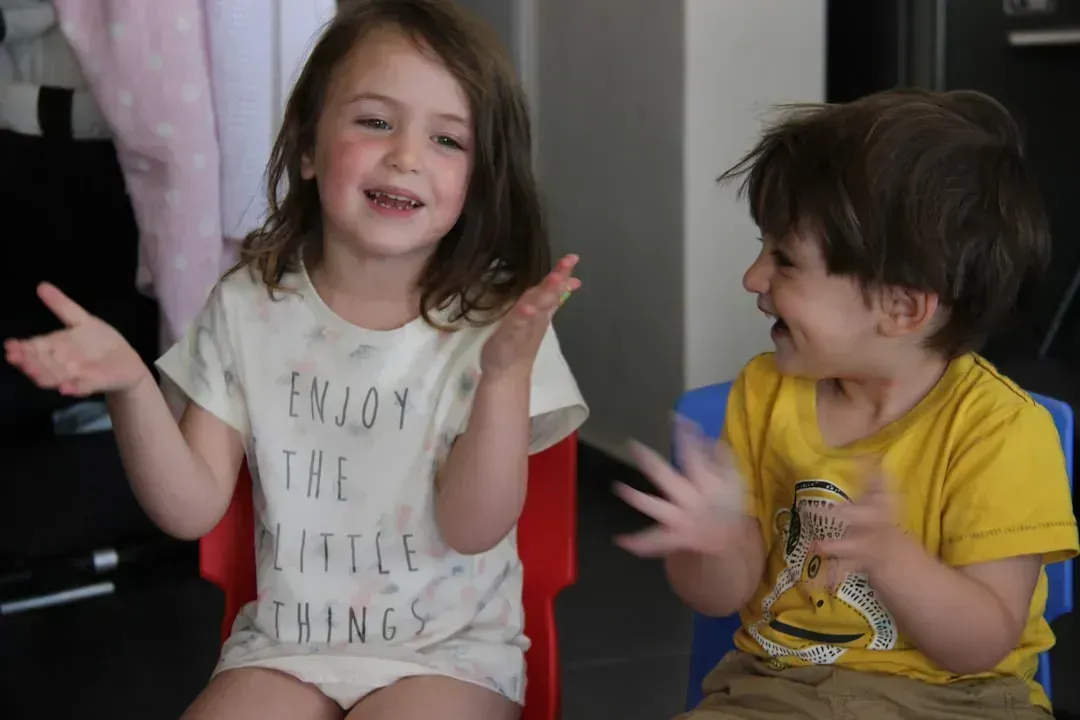
Simon Says is a classic game that improves children’s listening skills, ability to follow directions, and body control. Most importantly, it encourages them to think before acting. That pause between hearing an instruction and deciding whether to follow it is the entire point. Children who master it are practicing something that psychologists call inhibitory control, the ability to override an automatic impulse.
For young children, resisting the temptation to follow commands not preceded by “Simon says” is a great way to practice self-control. The game encourages them to pause and think before they act, helping them develop impulse control and better decision-making skills. Children participating in self-regulation games like these also made significant gains in early literacy over the school year, giving researchers preliminary evidence that such interventions can work, especially with children at higher risk of starting school with poorer self-control.
4. Red Light, Green Light: Discipline Under Pressure
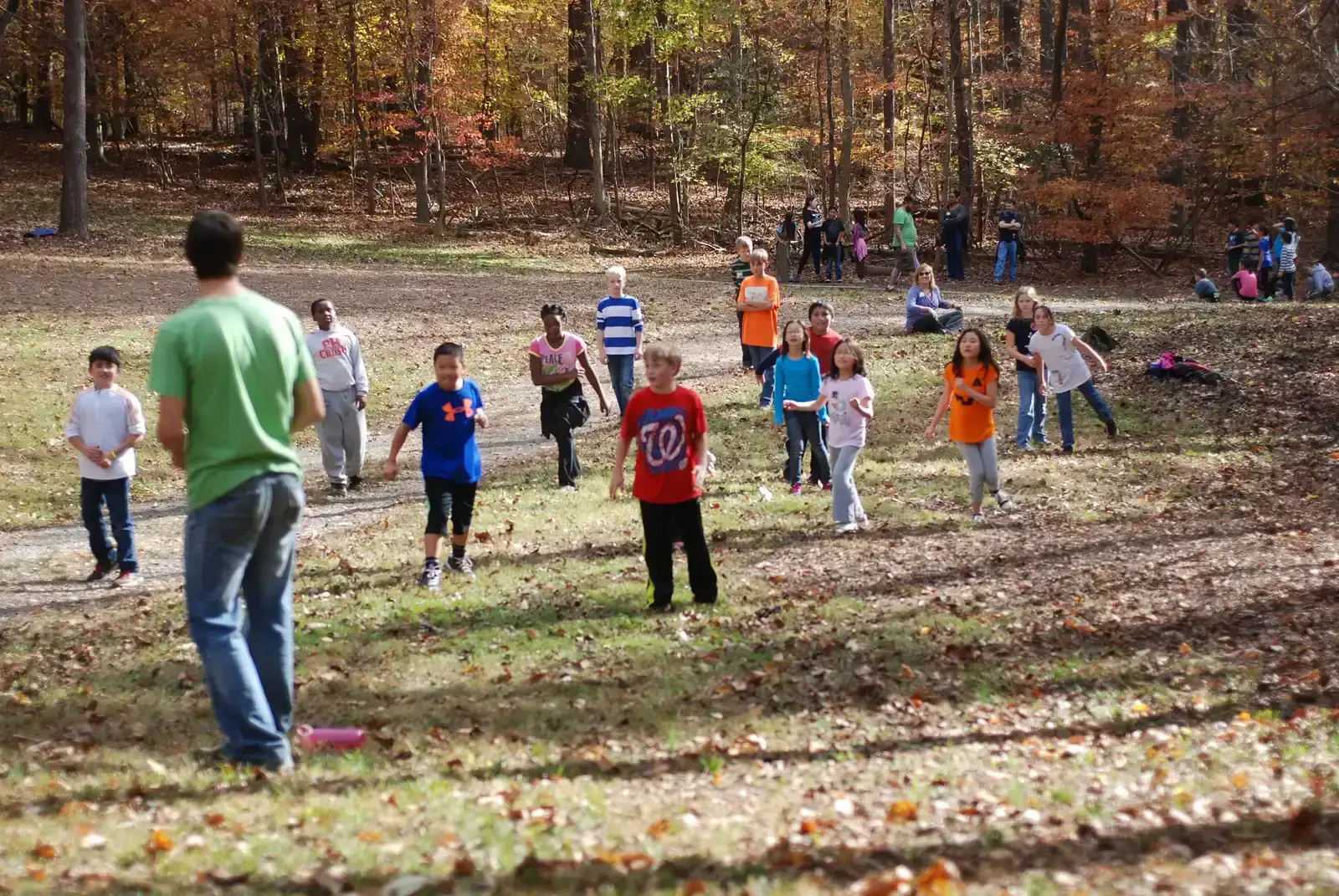
Red Light, Green Light might look simple, but it’s a real test of discipline and self-control. Players have to freeze instantly when the call comes, ignoring every urge to move. This skill translates to real-life moments when staying calm and composed could be lifesaving. The urgency is real: the slowest to stop loses ground, and the impulsive player is always caught out first.
The National Institutes of Health reports that children who build self-control through games are also more likely to succeed in school and social settings. The game trains kids to listen carefully and react only when it’s safe, teaching patience and the importance of timing. The ability to stop moving on command, to hold yourself perfectly still while every instinct says go, is not trivial. It’s the foundation of composure.
Partner offer
5. Dodgeball: Situational Awareness and Team Survival
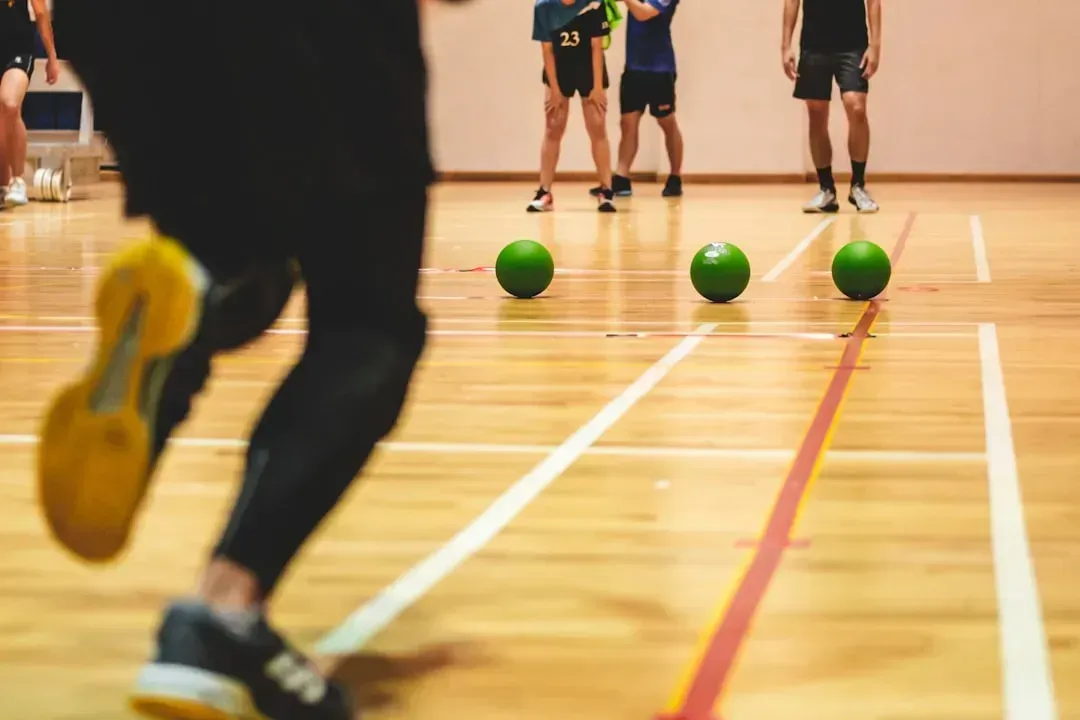
Dodgeball cranks up the intensity with balls flying and players dodging threats from all sides. Success demands sharp reflexes, anticipation, and a strong sense of teamwork. Players learn to read opponents’ intentions and act in the blink of an eye. It’s not just about avoiding getting hit, it’s about working together with teammates to survive and win.
Research from the University of California shows that kids involved in team sports like dodgeball develop better social skills and emotional intelligence. The lessons go deeper than just physical fitness, including learning how to support others and stay aware of everything happening around them. Knowing where every other player is at once, while also tracking the ball, is a genuine exercise in multi-directional awareness. That kind of vigilance matters well beyond the gymnasium.
6. Capture the Flag: Strategy, Leadership, and Trust
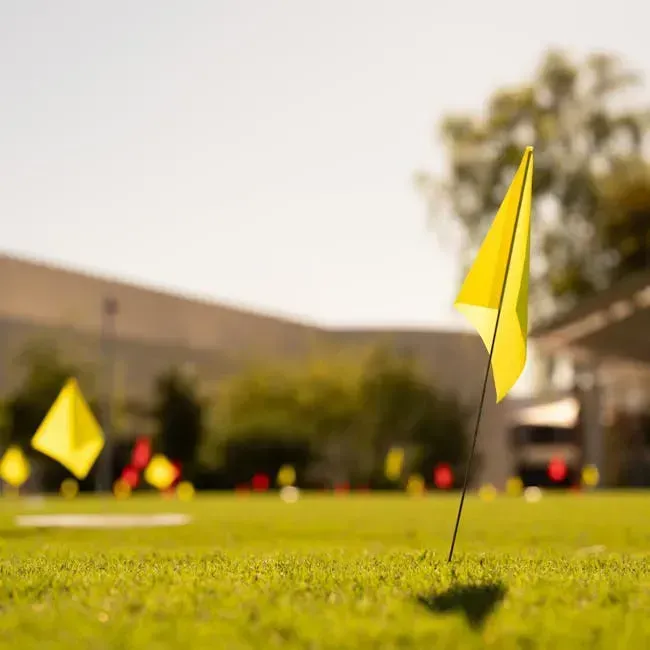
Research consistently shows that structured team sports and group activities significantly benefit children’s psychological and social development, including improved self-esteem, better social skills, and enhanced teamwork abilities. Capture the Flag excels in all these areas, providing cardiovascular exercise while demanding strategic planning and collaborative problem-solving. The game forces every player to think about the collective outcome, not just their own position.
Capture the Flag naturally develops strategic thinking as players must constantly assess risks, anticipate opponent moves, and adapt plans based on changing circumstances. Children learn to think several steps ahead, and these cognitive skills transfer directly to academic settings, where students must plan projects, anticipate challenges, and adapt when initial approaches don’t work as expected. The game’s competitive nature also provides excellent opportunities to practice emotional regulation, as players experience the frustration of being tagged just before reaching the flag, the disappointment of defeat, and the joy of victory. Learning to manage these emotions while maintaining good sportsmanship builds emotional intelligence and resilience.
7. Building Forts: Shelter Thinking and Resourcefulness
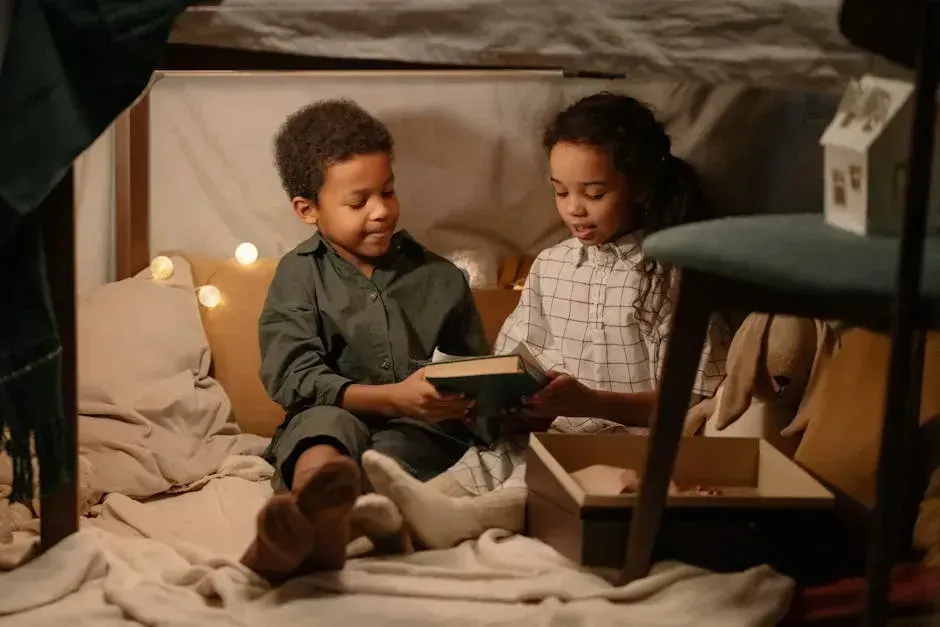
A 2025 narrative review in Frontiers in Neuroscience found that play activates neural circuits supporting executive function, language development, and cognitive flexibility. When children build forts, solve design problems, or invent stories, they practice planning, sequencing, and adapting to new challenges, the same executive function skills linked to academic success and emotional regulation later in life.
Encouraging children to engage in imaginative play scenarios that require collaboration and cooperation, whether they’re building a fort or creating a make-believe world, allows children to practice negotiation and spatial reasoning simultaneously. The child draping blankets over chairs and reinforcing them with couch cushions is, in a very real sense, solving an engineering problem with limited resources. That impulse, find materials, assess the space, build something that holds, is as old a human instinct as there is.
8. The Floor Is Lava: Problem-Solving Without a Map
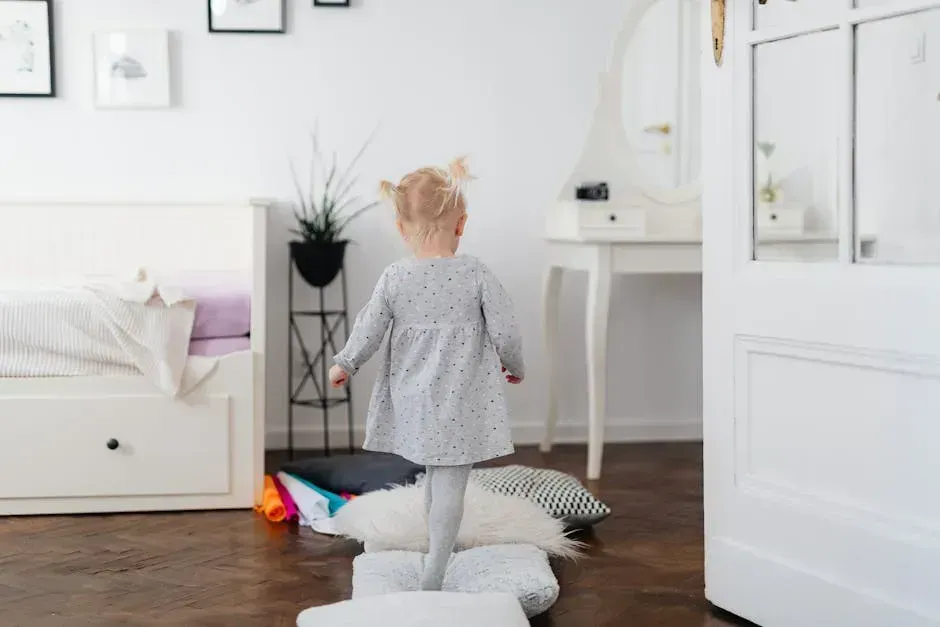
The Floor Is Lava transforms any living room into an imaginative obstacle course, pushing kids to think creatively and stay aware of their surroundings. With danger lurking below, players must find safe zones and plot paths, requiring quick problem-solving and adaptability. There are no predefined routes, no correct answers. Every child has to construct their own solution in real time with whatever happens to be within reach.
The Journal of Play and Development reports that imaginative play boosts problem-solving and creative thinking in children. This game encourages resourcefulness, as sometimes survival means getting creative with what you have, even if it’s just a couch cushion and a coffee table. Improvisation under constraint is one of the hardest skills to teach directly, and one of the most useful in practice. Children who played this game learned, instinctively, to stop waiting for the right tool and start working with what’s already there.
The survival skills that matter most in adult life rarely arrive through instruction. They accumulate, quietly and usefully, through years of play that felt like nothing more than an afternoon well spent.
Partner offer
Planning a trip to Vegas?
Compare hotel rates and show tickets on VEGAS.com.