Some films get better the older you get. The jokes land differently, the quiet scenes hit harder, and details you missed at nineteen suddenly look like the whole point.
That’s the real case for rewatching a classic. These eight films aren’t here because a list says so, but because each one still rewards a second, fifth or tenth viewing.
Casablanca (1942)
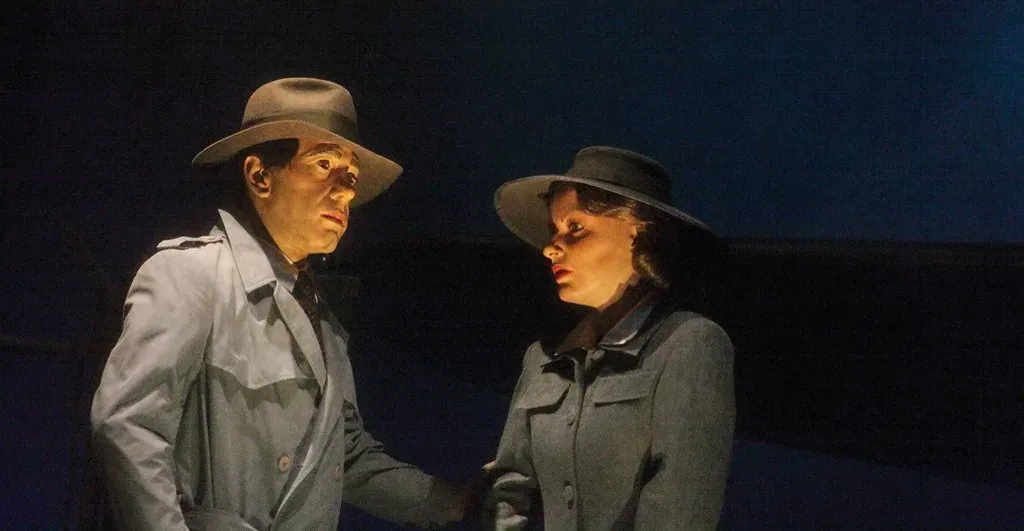
Michael Curtiz directed this wartime romance set in Vichy-controlled Morocco, starring Humphrey Bogart and Ingrid Bergman. It won the Academy Award for Best Picture for 1943. The script was famously worked on while shooting continued, which makes its tight construction all the more surprising.
On a rewatch, the supporting cast stands out. Claude Rains, Peter Lorre and Sydney Greenstreet fill the café with small stories that never feel like filler. It’s a love story, yes, though it’s also about the cost of choosing principle over desire.
Citizen Kane (1941)
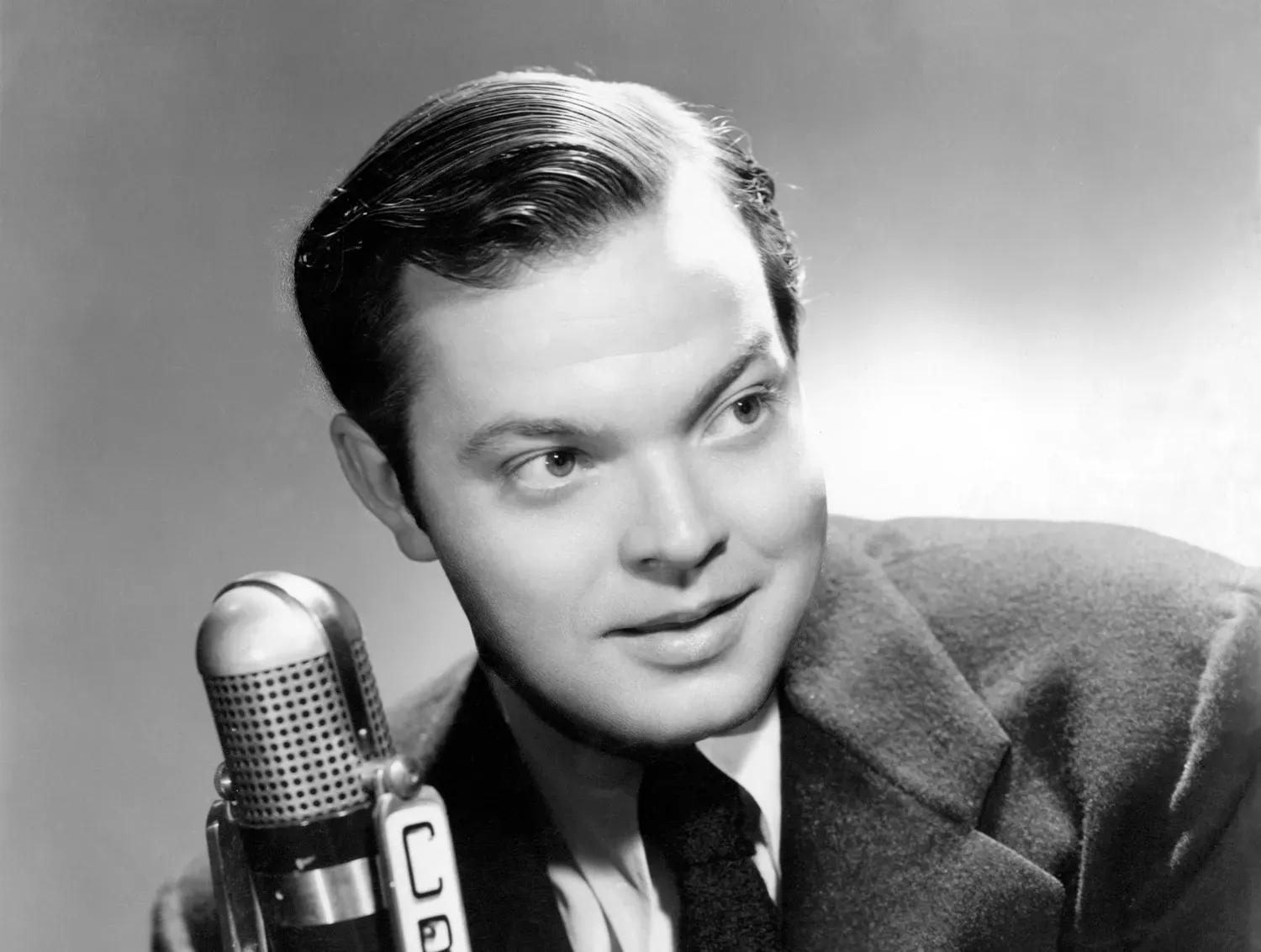
Orson Welles directed, co-wrote and starred in this portrait of a newspaper tycoon, made when he was only in his mid twenties. It has long been praised for deep focus photography by Gregg Toland and for its fractured, multi-narrator structure. The film won the Oscar for Best Original Screenplay.
First viewings often center on the famous final word. Later ones reward you with the staging, the overlapping dialogue and the way a lifetime is pieced together from other people’s memories. It’s less a puzzle than a study of how little we really know about anyone.
The Godfather (1972)
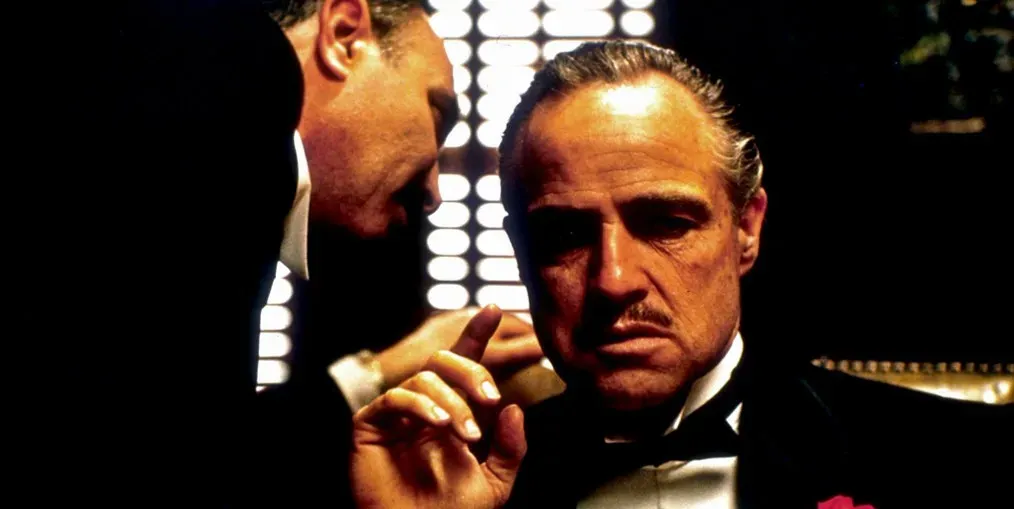
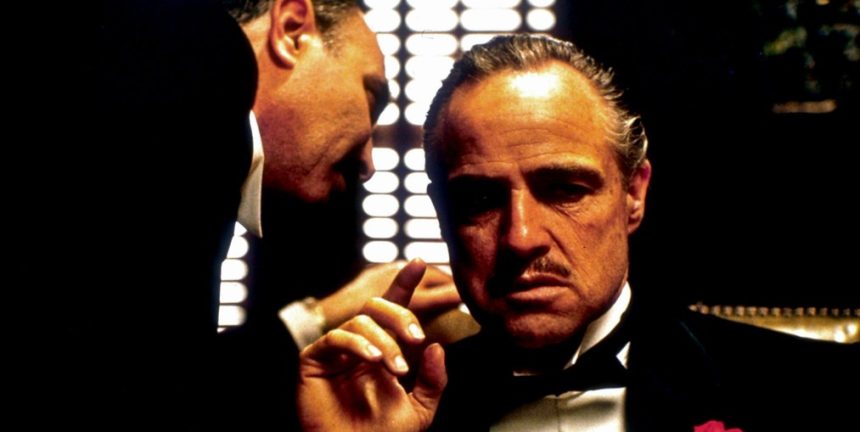
Francis Ford Coppola’s adaptation of Mario Puzo’s novel won the Academy Award for Best Picture. Marlon Brando won Best Actor, though he declined the award. The film also earned Best Adapted Screenplay.
Rewatching is about Michael Corleone’s slow transformation. Notice how the lighting and framing change as he steps deeper into the family business. What starts as a crime story slowly becomes a tragedy about inheritance.
Singin’ in the Rain (1952)
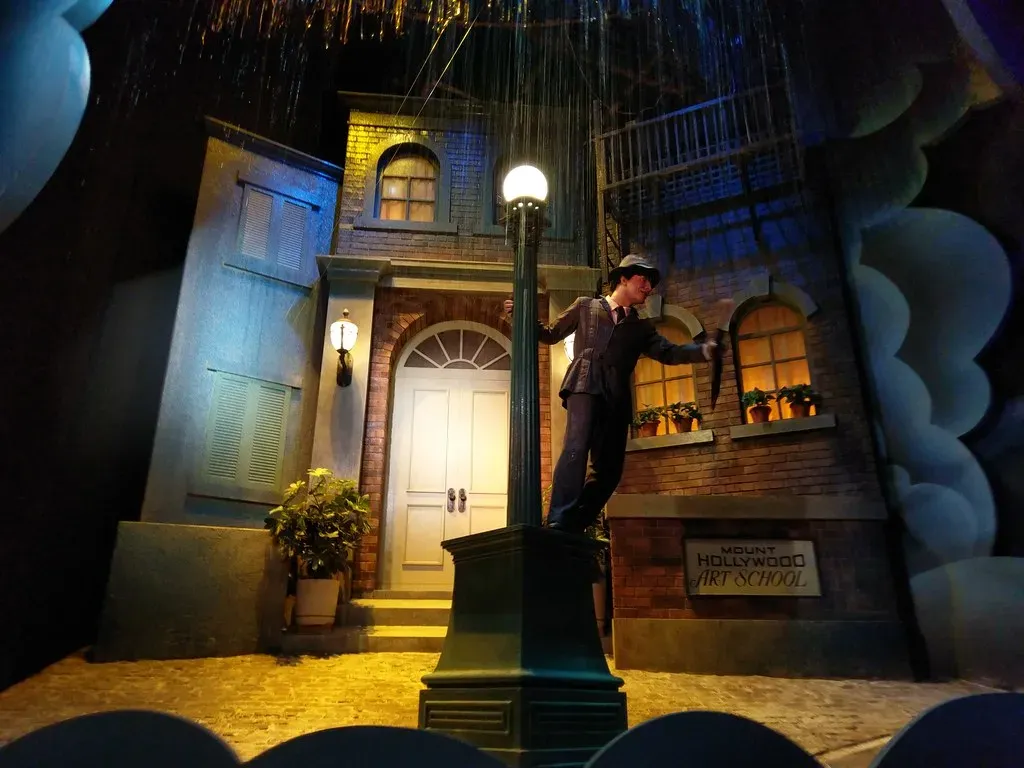
Gene Kelly and Stanley Donen co-directed this musical about Hollywood’s shaky transition from silent films to sound. Kelly, Debbie Reynolds and Donald O’Connor lead the cast. Its title number remains one of the most recognizable dance sequences in cinema.
It’s funny, too, and that’s easy to forget. The satire of early talkies holds up, and O’Connor’s physical comedy in the “Make ‘Em Laugh” number is astonishing. Few musicals feel this light and this carefully built at once.
Seven Samurai (1954)
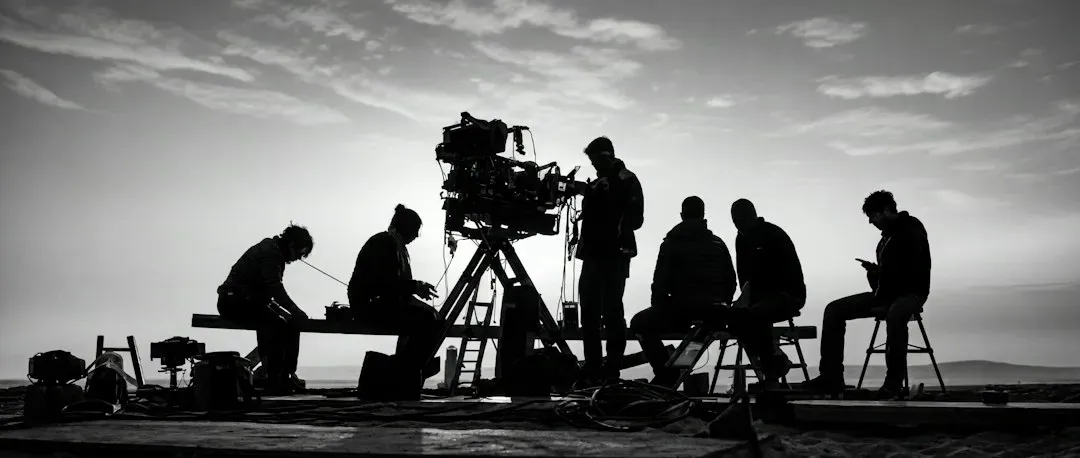
Akira Kurosawa’s epic follows villagers who hire masterless samurai to defend them from bandits. Toshiro Mifune and Takashi Shimura anchor a large ensemble. The film’s influence runs through countless action and ensemble movies, including the Hollywood remake The Magnificent Seven.
Its running time is long, but the pacing rarely drags. Each rewatch lets you spot how carefully the characters are introduced, and how weather and landscape shape the final battle. The ending is less triumphant than you remember.
Psycho (1960)
Alfred Hitchcock’s thriller, starring Anthony Perkins and Janet Leigh, shocked audiences with its midpoint twist. The shower scene is among the most analyzed sequences in film history. Hitchcock also reportedly asked theaters to restrict late admission, a marketing move that became part of the film’s legend.
Once you know what’s coming, you start watching differently. Early scenes carry clues, from the recurring bird imagery to the way mirrors keep appearing. It turns out to be a film about watching as much as fearing.
2001: A Space Odyssey (1968)
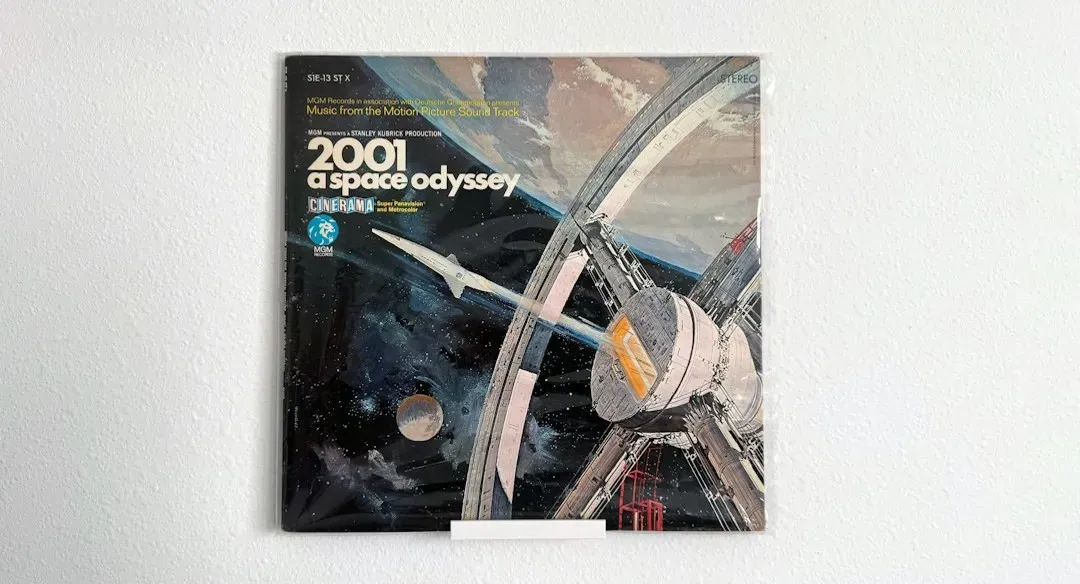
Stanley Kubrick co-wrote the screenplay with Arthur C. Clarke, and the film won an Academy Award for Best Visual Effects. Its use of classical music and its sparing dialogue set it apart from other science fiction of its era. The effects were achieved long before digital tools existed.
It asks for patience, and it pays that patience back. Rewatching helps because the film’s meaning feels different depending on your mood and age. On a large screen with good sound, it still looks decades ahead of its time.
Lawrence of Arabia (1962)
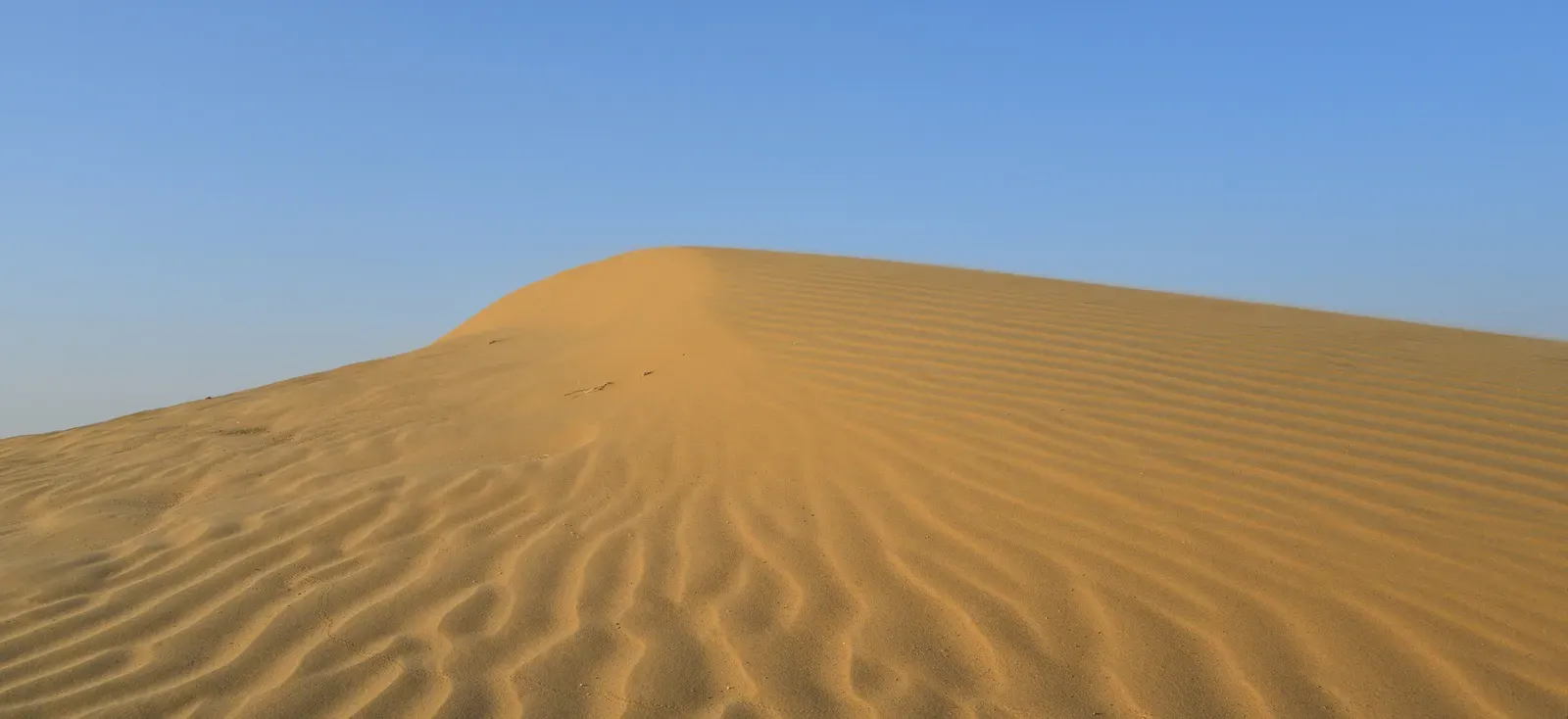
David Lean’s desert epic won the Academy Award for Best Picture and starred Peter O’Toole in his breakout role. Shot on large format 70mm film, it is built around vast landscapes and Maurice Jarre’s sweeping score. It’s often cited as a film that demands the biggest screen available.
Revisiting it, you notice how much it’s really about one complicated man. Lawrence is brave, vain and troubled, and the film never settles on a single verdict. The scale draws you in, but the character is what keeps you there.