Most of us have experienced it. You walk out of a theater feeling genuinely moved, maybe a little dazzled, and then on the drive home, something starts nagging. A detail that doesn’t add up. A character decision that makes no sense. A central premise that only works if everyone in the story is mildly oblivious. The movie was great – you felt it – but something just broke the spell.
The films on this list aren’t duds. Many earned Oscars, broke box office records, and inspired countless think pieces about their genius. That’s actually what makes the logic problems so interesting. These aren’t B-movies that forgot the rules. These are carefully crafted films praised by serious critics. They just happen to have cracks you can see once you look closely enough.
1. The Sixth Sense (1999): A Ghost Who Keeps Appointments

M. Night Shyamalan’s twist-heavy thriller earned five Oscar nominations and redefined the supernatural thriller for a generation. The reveal is genuinely clever on first viewing. The problem is that it completely dissolves once you trace Malcolm’s movements backward through the story. Shyamalan relies on fridge logic, framing Malcolm in a way that fools the audience but doesn’t hold up logically – for example, when Cole sees Malcolm sitting silently with his mother, the scene is staged to make us believe the two adults were just having a conversation, but in reality she can’t see Malcolm at all.
The questions pile up fast from there. Did Malcolm just let himself in, sit down at her table, and wait in silence for Cole to show up? How did he even set up an appointment, or know when to arrive? How did he know to meet his wife at the restaurant? How does he enter places? What does he eat or drink? Where does he sleep? Does he change clothes? The twist was so novel at the time that audiences collectively agreed not to ask these questions. On a rewatch, they’re impossible to ignore.
2. Signs (2002): An Alien Invasion Doomed From the Start
M. Night Shyamalan appears on this list twice, and honestly, he’s earned it. Signs is a genuinely tense film with a strong emotional core and some memorably creepy sequences. Then comes the ending. Signs effectively built suspense from the beginning, but it crashed down with the nonsensical reveal that the aliens’ weakness was water. The Earth is roughly seventy percent covered by water. Rain is a regular planetary event. Humid air exists.
The terrifying aliens in Signs have traveled across the universe to invade Earth, a planet that is roughly seventy percent covered in water, and during the climax it is revealed that plain old H2O acts like concentrated acid to their skin – making it their one fatal weakness. This makes the invasion the most poorly planned military operation in history, as even a light morning dew or a humid afternoon would be lethal to them. Fans have tried to construct theories around contaminated water or symbolic interpretation, but the film itself never earns a clean escape from this particular corner.
3. Batman Begins (2005): The Microwave That Kills Everything Except Everyone
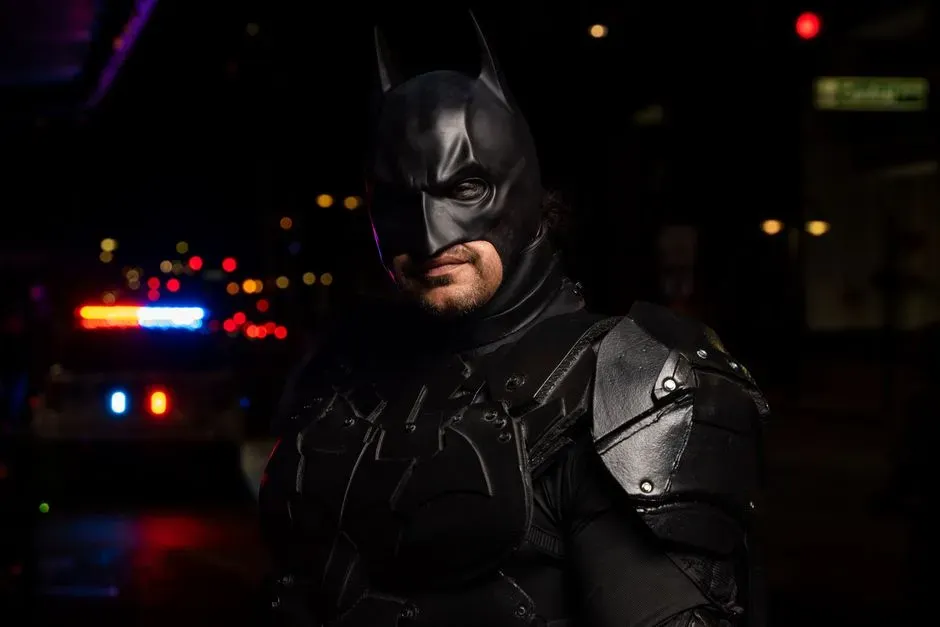
Christopher Nolan’s reboot of the Batman franchise is widely considered one of the best superhero films ever made, praised for its grounded realism and serious tone. That grounded realism is precisely why the film’s climactic villain plan sticks out so badly. The villain’s plan involves using a microwave emitter to vaporize the city’s water supply and spread a fear toxin, but the problem is that the human body is roughly seventy percent water, meaning the device should have instantly killed every person in the vicinity – and as the emitter traveled through Gotham, people should have been exploding or boiling from the inside out before the water in the pipes even got warm.
Batman and the villains walk right next to the machine without a scratch, proving that movie physics often choose when to be lethal. The film attempts a technical patch by calling it “focused microwaves,” but plenty of people have pointed out over the years that microwaves don’t work that way, and if they did then the microwave emitter would vaporize everyone around it since humans are mostly water. For a film built on gritty logic and plausibility, that’s a sizable crack in the foundation.
4. Titanic (1997): There Was Room on That Door

James Cameron’s Titanic won 11 Oscars and became the highest-grossing movie of all time soon after its release. The doomed romance between Jack and Rose became one of cinema’s most iconic love stories. It’s visually spectacular, emotionally devastating, and also the source of one of film history’s most stubborn logic debates. Rose floats safely on a large wooden door frame while Jack freezes to death in the icy water, and many fans and even scientific tests have proven the debris was buoyant enough to support both characters.
Cameron has addressed this particular complaint multiple times over the decades, insisting the story required Jack to die and that the door was not the issue. That may be true as a storytelling decision. Still, when a movie’s defining tragedy hinges on a character choosing not to attempt an action that appears entirely possible on screen, audiences notice. The door argument became such a cultural fixture that it was eventually recreated and tested on a television documentary, and the results were not kind to the film’s internal logic.
5. Toy Story (1995): Buzz Lightyear’s Convenient Amnesia
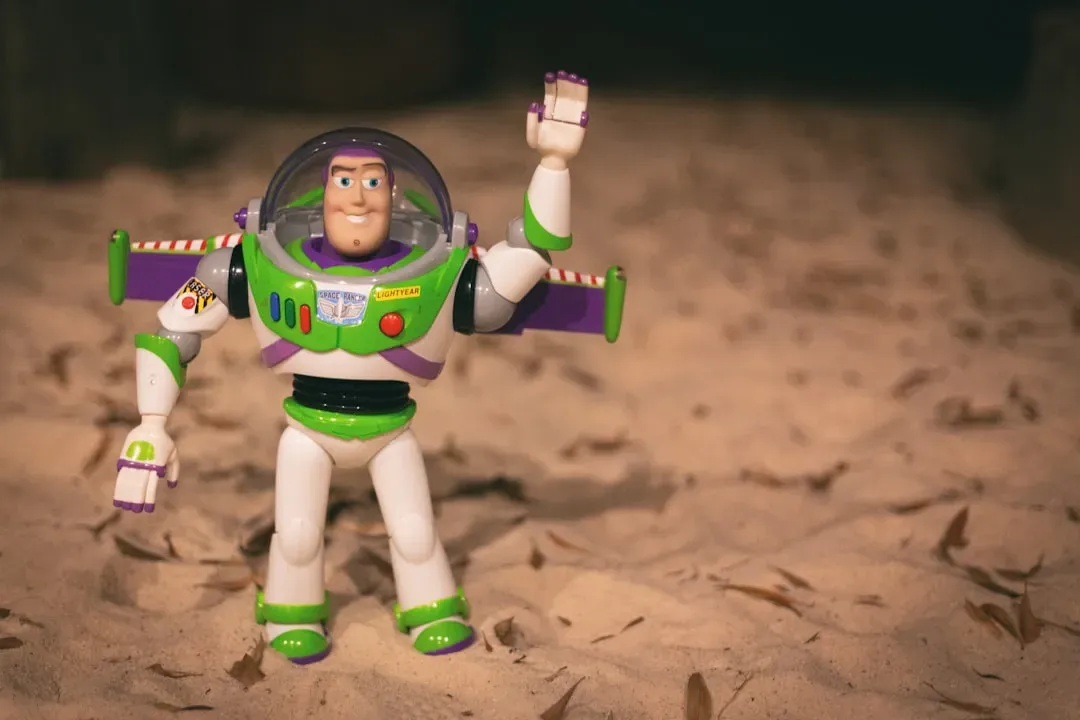
Pixar’s animated masterpiece is rightly celebrated as a landmark in storytelling and animation. It holds up beautifully in most respects. The central premise, however, has one structural problem that becomes harder to ignore with each rewatch. When Buzz first arrives in Andy’s room, he genuinely believes he’s a Space Ranger on a mission to Planet Zerg, and he spends his free time fixing his spacecraft or trying to connect with headquarters. Except, whenever Andy appears to play with his toys, Buzz reverts to his toy form.
Despite this firm belief that he is a real Space Ranger, Buzz still freezes and becomes motionless whenever a human enters the room, just like every other toy in Andy’s house. If he truly thought he was a sentient galactic hero, he would have tried to communicate with the humans or defend himself instead of playing dead. It’s a classic logic fail that the creators admitted was necessary for the plot, but it essentially invalidates Buzz’s entire character arc for the first half of the film. The movie is wonderful. This thread still unravels it slightly.
6. Interstellar (2014): When the Plot Needs the Science to Look Away
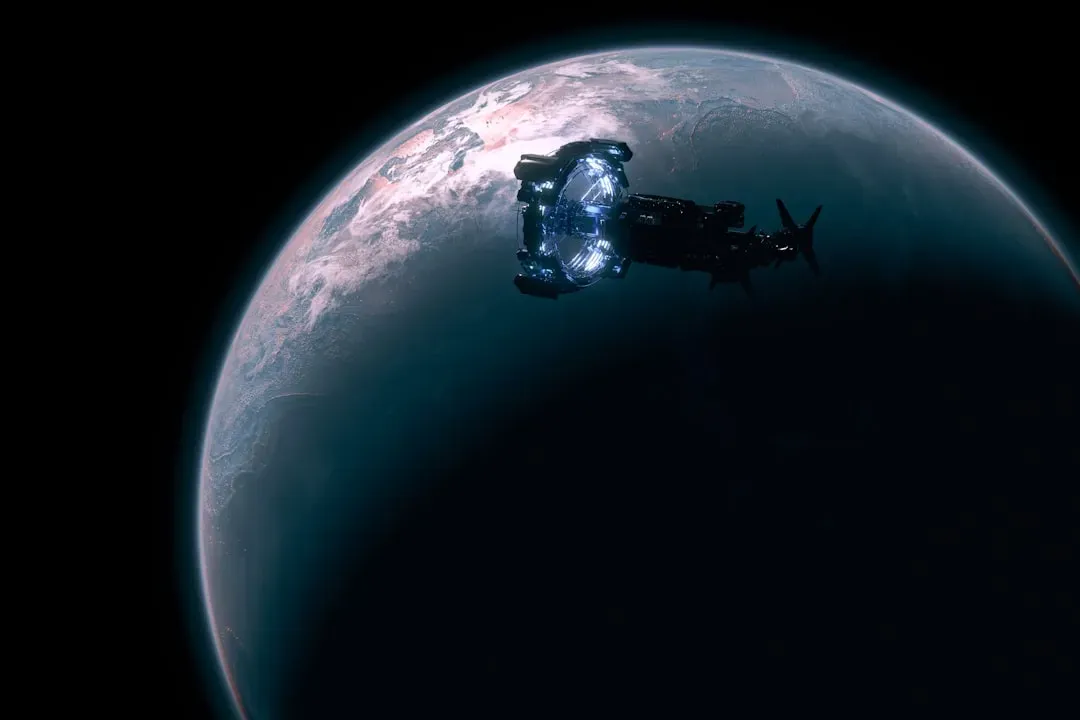
Interstellar is Christopher Nolan’s most ambitious film, built with genuine consultation from theoretical physicist Kip Thorne and praised for its scientific grounding. Much of the physics does hold up. Some of it, though, bends conveniently around the story’s emotional needs. The idea that time passes more slowly on Miller’s planet due to its proximity to a black hole is scientifically plausible, but if every hour spent there equals seven years, why would a crew risk decades just to retrieve inconclusive data? Cooper’s team had limited time and resources, and this decision feels more dramatic than logical.
The film’s finale raises its own set of questions. So humans evolve to become beings capable of living in and understanding five-dimensional space, but they can’t find a more effective means of communication than Morse code and binary? And how complicated can the equation that Michael Caine’s character can’t solve be, if its key components can be sent back to a little girl by way of Morse code using the broken minute hand of her watch? The film earns enormous emotional credit. It just occasionally spends that credit on plot mechanics that don’t quite balance.
7. The Dark Knight Rises (2012): Bruce Wayne’s Miraculous Intercontinental Commute
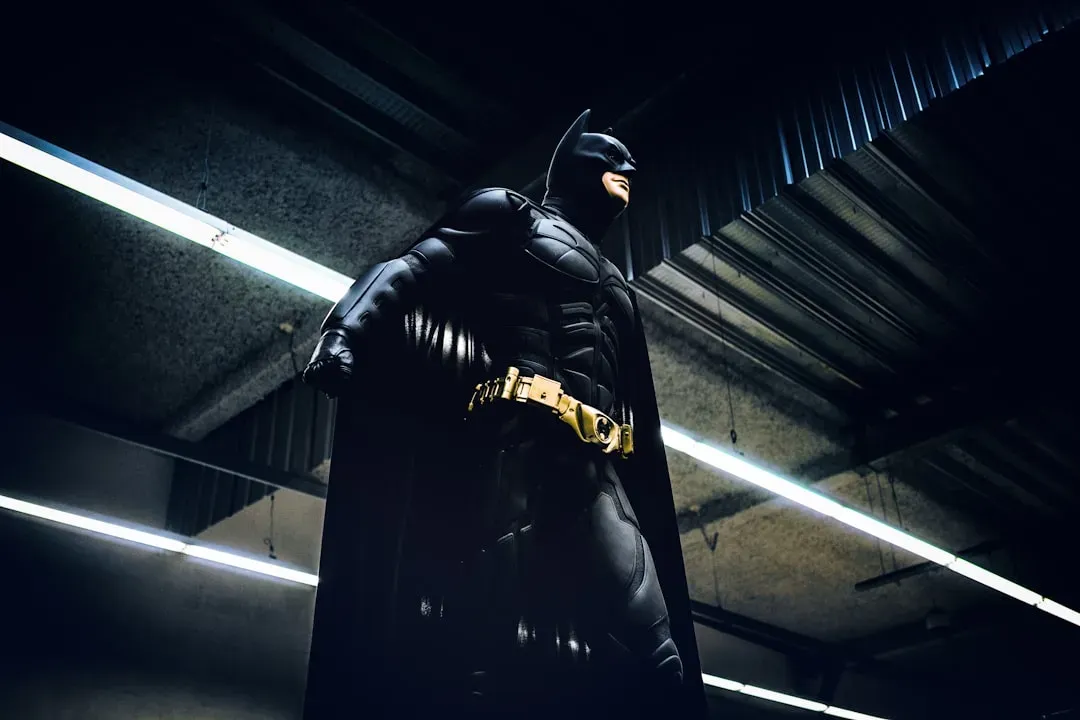
The final film in Nolan’s Batman trilogy arrived to near-universal acclaim and massive box office success. It’s a genuinely grand piece of filmmaking, ambitious in scope and operatic in tone. It also contains one logistical problem so conspicuous that it became something of an internet legend. Bane imprisons Bruce Wayne in a remote underground pit located on the other side of the world, and Bruce escapes the prison and reappears in Gotham City within hours despite having no money or resources, while the city is under martial law and completely cut off from the outside world. The film simply skips over the logistics of his intercontinental travel to rush toward the final confrontation.
The film established those constraints deliberately. Gotham was sealed. Financial systems were frozen. Getting out of a pit on a different continent with nothing in your pockets should be a fairly significant narrative obstacle. The movie treats it as a brief off-screen errand. To be fair, Nolan has acknowledged that his films are held to an unusually high standard of internal logic, and plenty of viewers are willing to grant the leap. Still, for a series that prided itself on gritty plausibility, this one is hard to quietly wave away.
8. Citizen Kane (1941): Nobody Heard the Last Word

Orson Welles’ Citizen Kane is considered one of the greatest movies of all time, but that doesn’t exclude it from having a plot hole – and a pretty major one at that. The entire film is organized around the mystery of Kane’s dying word, “Rosebud,” and a reporter’s mission to understand what it meant. It’s elegant filmmaking, celebrated for decades as the pinnacle of cinematic craft. There’s just one foundational problem. Everyone in Citizen Kane loses sleep wondering what “Rosebud” means, and since the whole plot hinges on this mystery, it would make more sense if any other character in the movie – even a servant or a talkative parrot – were around to hear Kane whisper the word on his deathbed, but he died alone.
No one in the film could have heard him say it. So the reporter’s entire investigation, and the audience’s entire journey, is built around a word that no living character in the story has any reason to know or pursue. The suspension of disbelief is crucial to a film’s success, and without it we would just spend the entire time pointing out what couldn’t happen, which would make watching movies one of the more irritating pastimes imaginable. However, sometimes the internal logic of a film stretches credulity so much that you can’t help but sit up and take notice. Citizen Kane is a masterpiece. It just happens to be a masterpiece with no logical reason to exist as a story.
None of this makes these films bad. Most of them remain genuinely great, and the emotional experiences they deliver are real regardless of the logical seams. What’s worth noting is how skillfully filmmakers can carry an audience past a broken premise, and how long it sometimes takes for anyone to notice. Craft, performance, and momentum can paper over an enormous amount of structural damage. The cracks only show when the film stops moving and you’re left standing there, replaying what you just saw.