Food prices have been a steady source of frustration for households in recent years, and many people are looking for ways to stretch a grocery budget without eating worse. Some of the most practical answers aren’t new at all. They come from the 1930s, when families had to make every ingredient count.
These habits weren’t about trendy frugality. They were about getting full value from what was already in the pantry, the icebox, and the garden. Here are eight that still hold up today.
Cooking Meals From Scratch
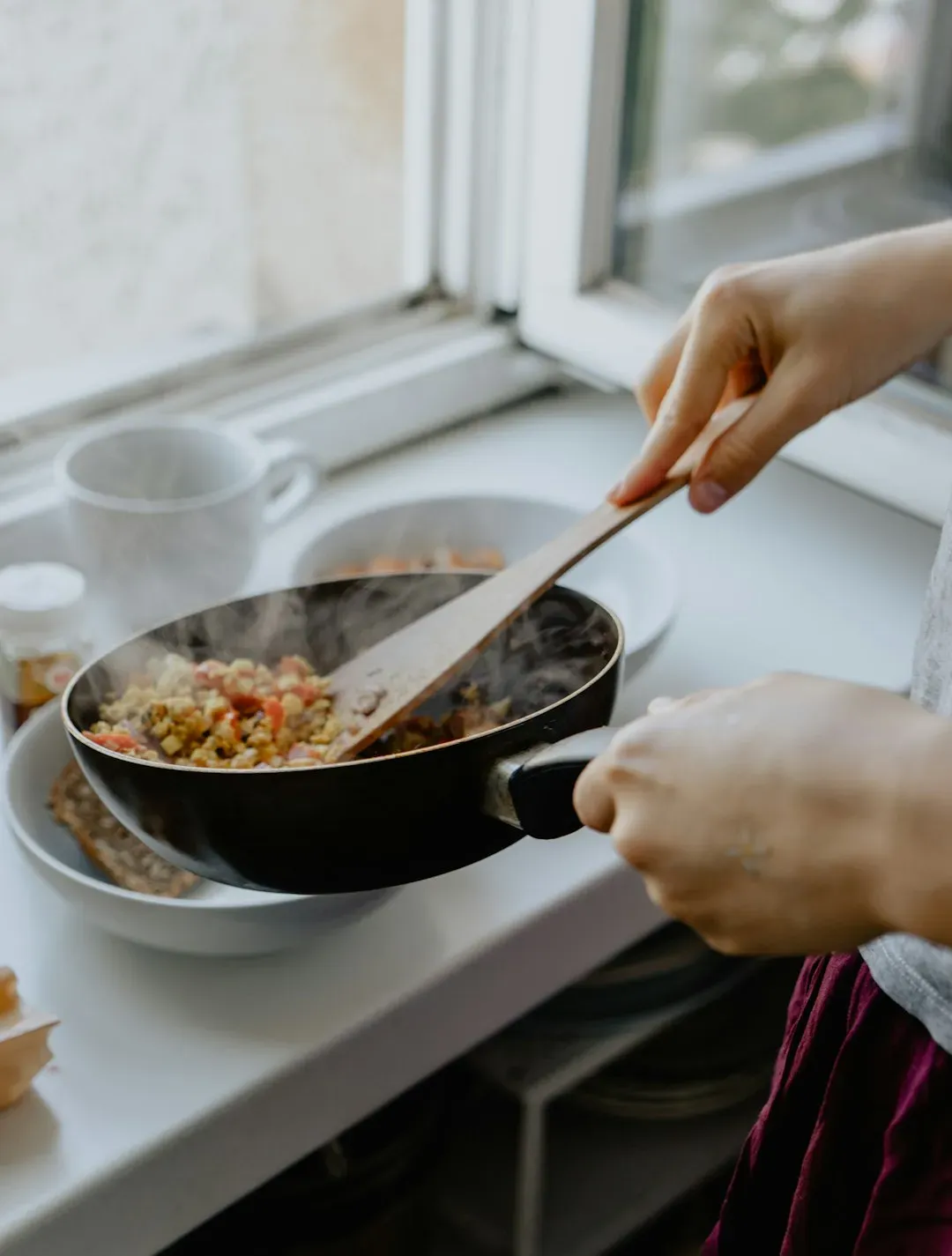
Home cooks in the 1930s relied on basic staples like flour, dried beans, rice, potatoes, and oats. They didn’t have much choice, since packaged convenience foods were limited and cost more. Cooking from basic ingredients is still usually cheaper per serving than buying prepared meals or restaurant food.
The U.S. Department of Agriculture’s Economic Research Service has long reported that food eaten away from home costs more than food prepared at home. Its Food Price Outlook tracks that gap, and food away from home has generally risen faster in price than groceries in recent years. A simple pot of beans and rice still costs only a fraction of a takeout order.
Wasting Nothing: Using Leftovers Creatively
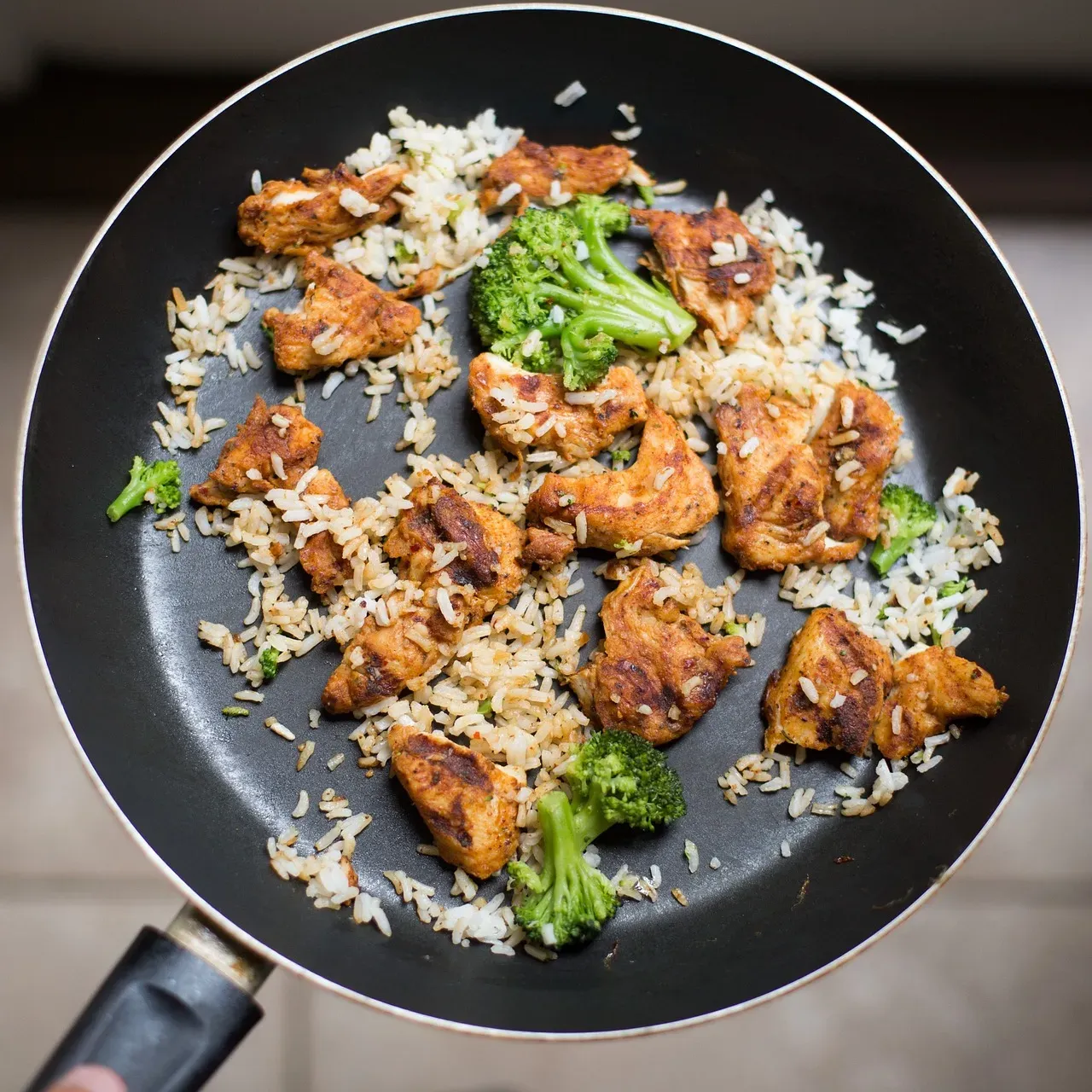
Depression-era cooks turned yesterday’s dinner into tomorrow’s lunch. Leftover roast became hash, stale rice became fried rice or pudding, and extra vegetables went into soup. Nothing was considered too humble to reuse.
This matters because food waste is expensive. The USDA estimates that roughly 30 to 40 percent of the U.S. food supply goes uneaten, and the EPA and USDA have both promoted home meal planning and leftover use as ways to cut household waste. Planning one leftover meal each week is an easy way to start.
Making Soup and Stew Stretch Further
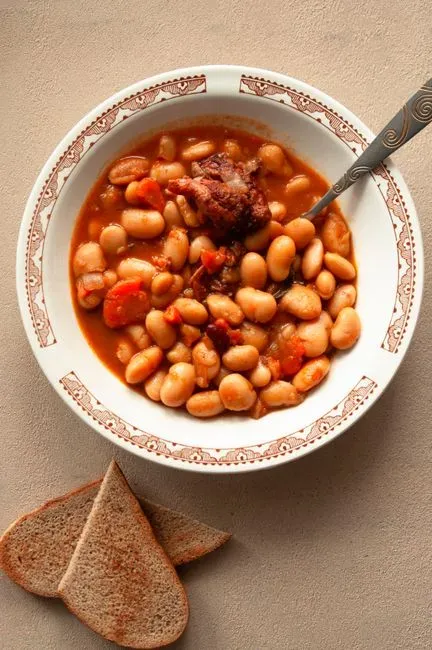
A big pot of soup was the classic way to feed a crowd on very little. Bones, vegetable scraps, and a handful of grains or beans could become several meals. Adding water, potatoes, or noodles made the portions go further.
The same approach works now with inexpensive cuts of meat and dried legumes. Dried beans and lentils are consistently among the cheapest sources of protein per serving, and they’re rich in fiber. Soups also freeze well, which keeps them from turning into waste.
Saving Bread Ends and Stale Bread
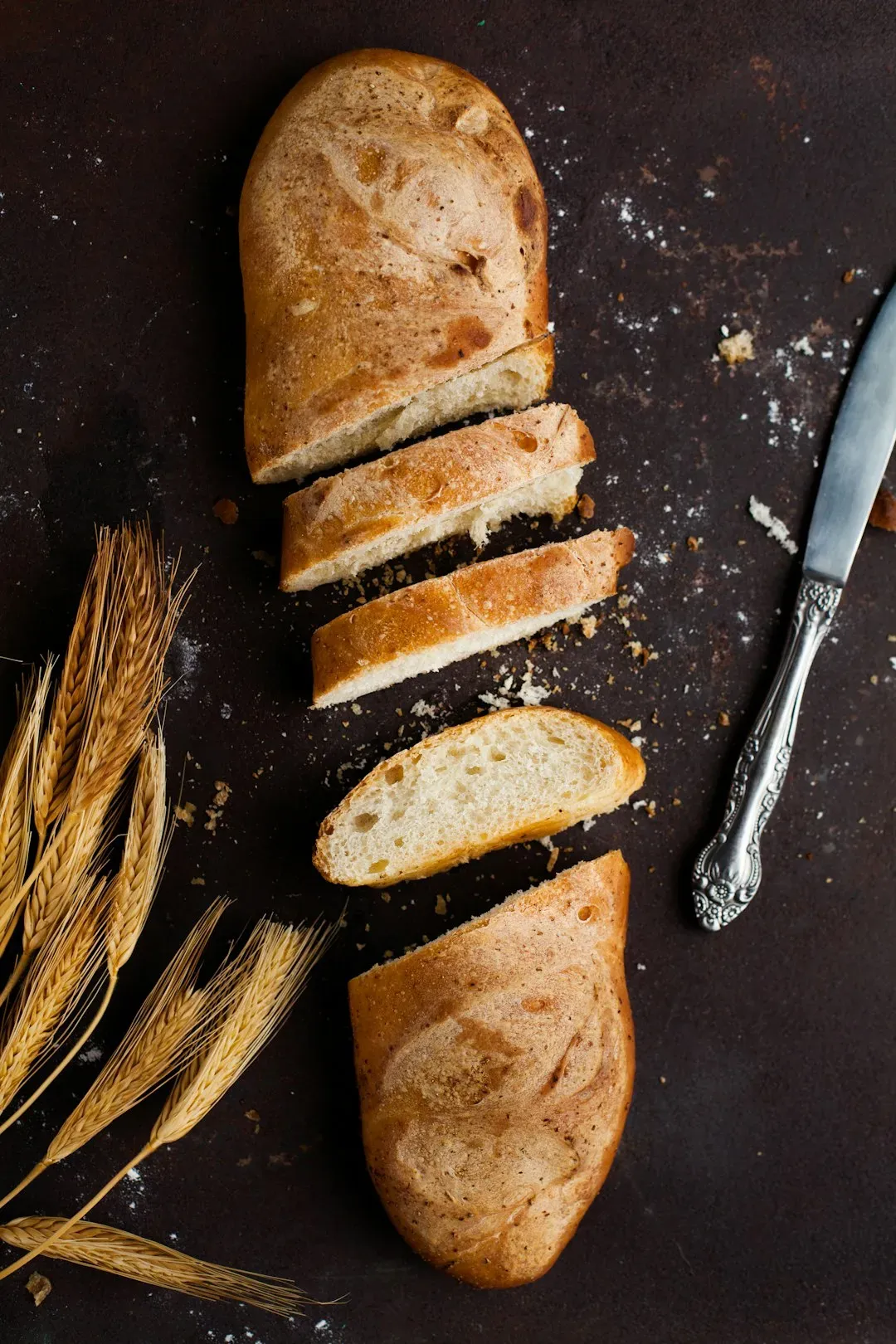
Stale bread rarely went into the trash back then. It became bread pudding, stuffing, croutons, French toast, or breadcrumbs for stretching meatloaf. A loaf could be used right down to the last heel.
Partner offer
Today it’s just as easy to freeze slices before they go hard and toast them straight from the freezer. Bread is among the foods commonly wasted in homes, so using it fully is a small but real saving. Breadcrumbs made at home also cost nothing compared with the store-bought canister.
Growing a Few Vegetables at Home
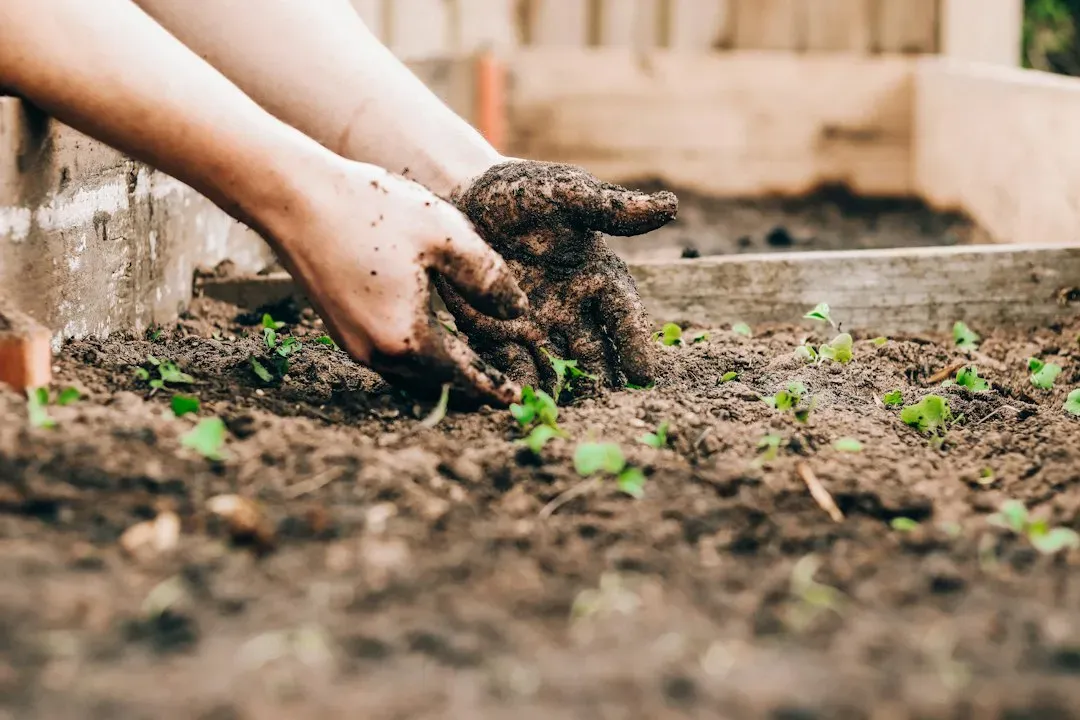
During the 1930s, home gardens were common, and in the following decade the government encouraged Victory Gardens. Families grew tomatoes, beans, greens, and root vegetables to cut grocery bills. Preserving extra produce meant the harvest lasted through winter.
You don’t need a farm to try this. Herbs, lettuce, tomatoes, and peppers can grow in pots on a balcony, and a packet of seeds costs very little compared with the same produce at the store. The National Gardening Association has reported surges in home food gardening in recent years, which suggests many people still see the value.
Canning and Preserving the Harvest
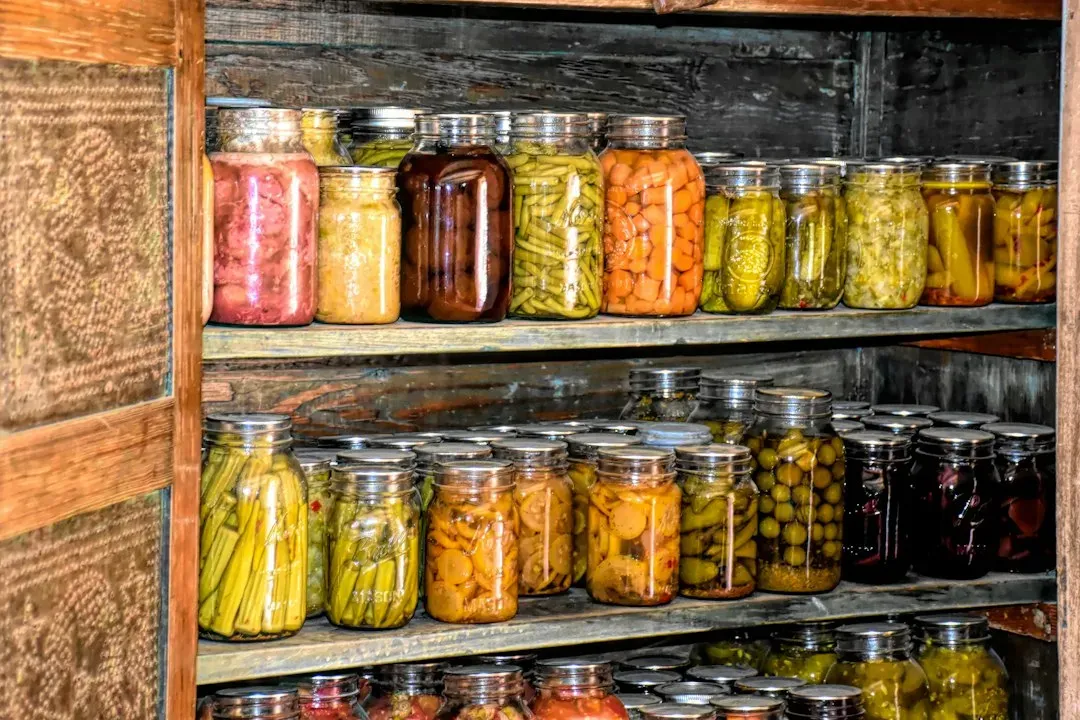
Home canning was a survival skill. Families put up jars of tomatoes, pickles, jams, and fruit when produce was cheap and plentiful. That way they could eat well when fresh food was scarce or expensive.
Preserving remains a smart way to buy in season, whether you can, freeze, or dehydrate. The National Center for Home Food Preservation, run through the University of Georgia, provides tested guidelines, and following them matters for safety. Use current, tested recipes rather than old family methods, particularly for low acid foods.
Saving Fat and Making Broth From Scraps
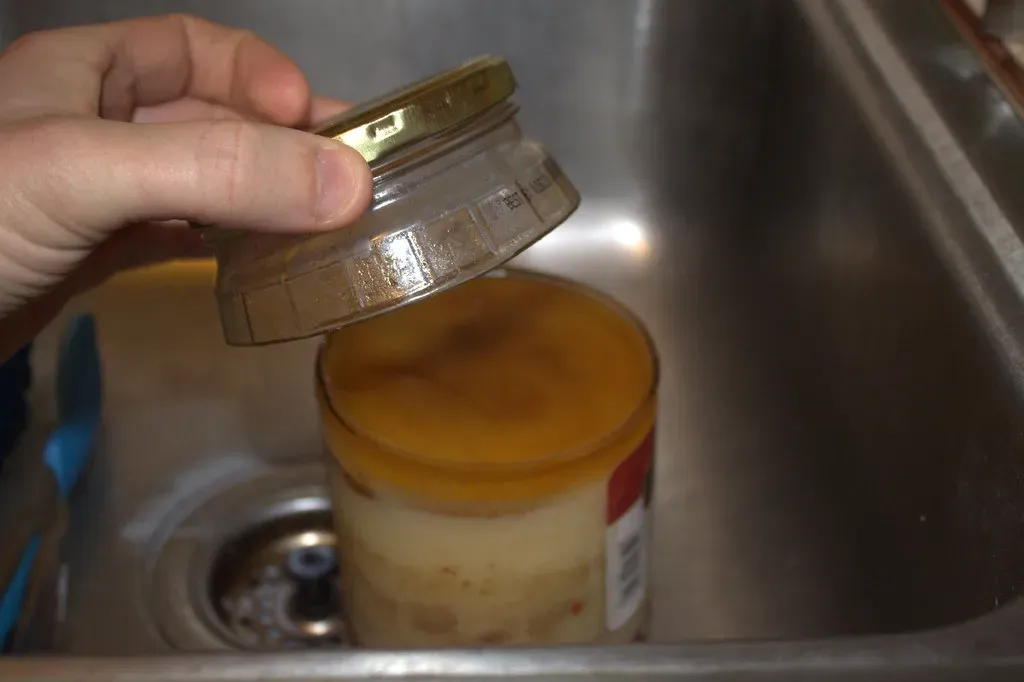
Cooks kept bacon grease in a jar for frying and flavoring vegetables. Bones and vegetable trimmings went into a stockpot instead of the bin. Both practices made small amounts of food work harder.
Today you can keep onion ends, carrot peels, and celery tops in a freezer bag until you have enough for broth. Store-bought stock adds up, and homemade versions are close to free. Cooked fats should be refrigerated and used within a reasonable time to stay safe.
Planning Meals Around What You Already Have
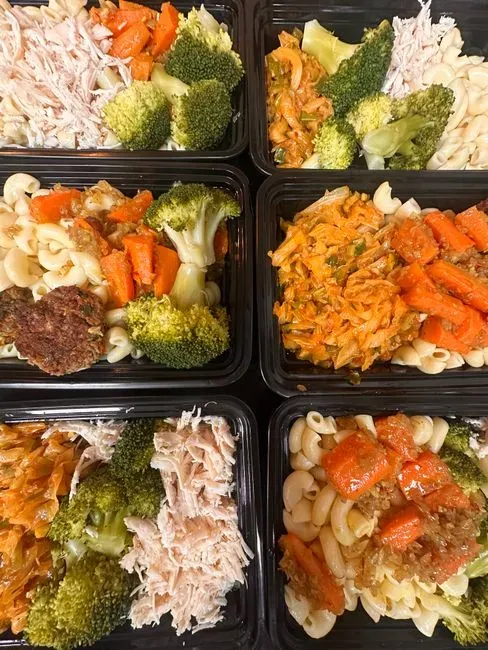
Families in the 1930s often built menus around what was on hand or cheapest that week. Government home economists published bulletins with low cost meal ideas and budget guidance. The mindset was to start with the pantry, not the recipe.
That habit still pays off. The USDA publishes food plans that show typical monthly costs at different spending levels, and they emphasize planning and cooking at home. Checking the fridge before shopping, writing a short list, and sticking to it helps prevent duplicate purchases and spoiled food.
Partner offer
Planning a trip to Vegas?
Compare hotel rates and show tickets on VEGAS.com.