Hollywood loves to celebrate its visionaries, the auteurs who bend actors and crews to their singular creative will. Still, there’s a darker side to that genius narrative. Behind some of cinema’s most acclaimed films sit directors whose methods have left actors in tears, crew members shaken, and co-stars vowing never to return. These aren’t just rumors passed around at industry parties. Many of these stories come straight from the actors themselves, backed by leaked footage, court records, and decades of consistent testimony.
What follows is a look at eight filmmakers whose on-set reputations precede them, sometimes to the point of overshadowing the very films that made them famous. Some of these directors are still working today, while others left behind legacies that historians and biographers continue to unpack. Either way, the stories are well documented enough that they’ve become part of Hollywood lore.
1. David O. Russell

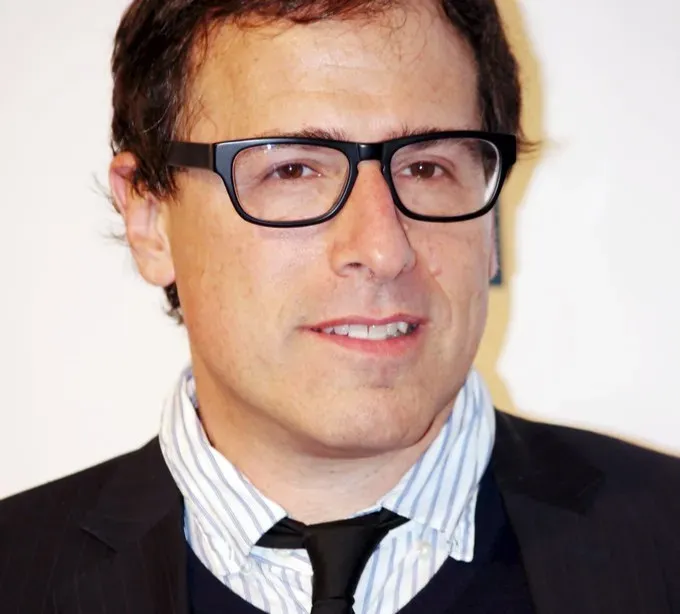
Few directors working today carry a reputation quite as combustible as David O. Russell. Across his career, Russell has been widely noted for combative and abusive behavior towards crew members and actors in his films, including documented incidents with George Clooney, Lily Tomlin, Amy Adams, Christopher Nolan, and Christian Bale. The most infamous piece of evidence is a leaked video from the set of “I Heart Huckabees,” in which Russell calls actress Lily Tomlin a “bitch” and a “cunt,” screaming that he wasn’t there to be yelled at after working on the project for three years.
The chaos hasn’t been limited to one film either. During “Three Kings,” George Clooney alleged that Russell yelled and screamed at people “all day, from day one,” calling the shoot “truly, without exception, the worst experience of my life.” Even actors who’ve defended him acknowledge the intensity. Jennifer Lawrence has said she never felt Russell was degrading her, describing his blunt style as him simply saying a take “was terrible” and looked “like shit” before telling her to do it better. Meanwhile, Amy Adams admitted Russell’s behavior on “American Hustle” left her “really just devastated on set,” saying it happened not every day, but most, while noting Lawrence seemed unaffected by comparison.
2. Lars von Trier

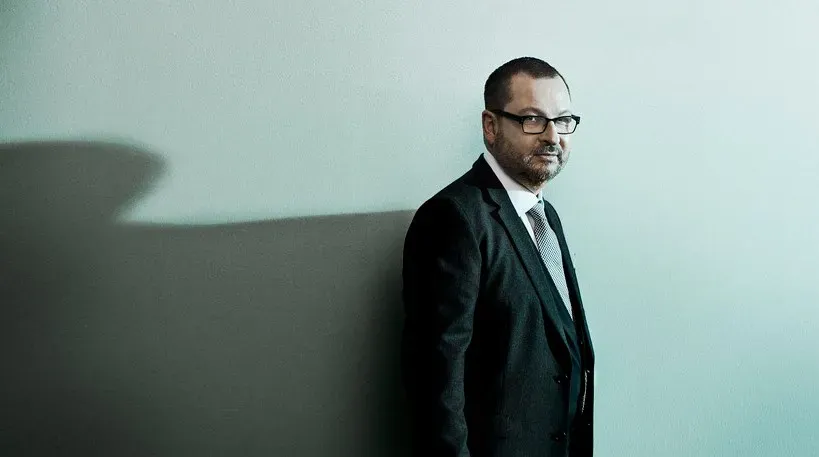
The Danish provocateur behind “Melancholia” and “Antichrist” has built an entire career on pushing actors past their comfort zones, sometimes with disturbing results. The fact that von Trier once said “I’m a Nazi” at the Cannes Film Festival gives a hint at the type of personality he brings to his sets, and though films like “Dancer in the Dark” and “Melancholia” are regarded as artistic classics, many of his actors can’t stand him. Paul Bettany, who worked with him on “Dogville,” has said the director barely spoke to him during filming.
The most extreme case remains his collaboration with Icelandic singer Björk on “Dancer in the Dark.” Björk described the director as emotionally manipulative, claiming the experience was so grueling that she would never act in another movie, and reportedly ate a piece of her costume to avoid filming a specific scene. Von Trier’s own account of the shoot didn’t help his case. During filming, Björk and von Trier fought so much that she refused to come to set for three days, and he later said on record that his one regret was that he “wasn’t meaner” to her.
3. Alfred Hitchcock

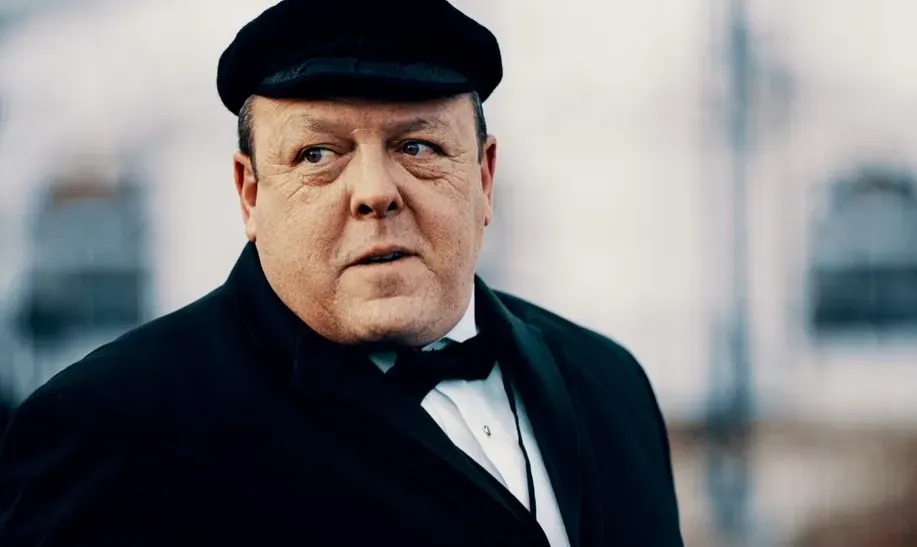
The Master of Suspense earned his nickname for terrifying audiences, but his treatment of at least one leading lady turned real-life terror into a decades-long controversy. While Hitchcock was notoriously hard on actors generally, his treatment of actress Tippi Hedren stands out, beginning during the filming of “The Birds” when he used live birds to attack her despite previously assuring her they would be mechanical. That was only the start of the trouble between them.
Hedren has spoken publicly for years about what happened next. She claims Hitchcock began making repeated sexual advances toward her, and during filming of “Marnie” allegedly told her outright to be sexually available to him, isolating her from the crew, and when she refused, he used his power as her contract holder to deny her future roles, effectively ending her acting career. She eventually refused to work for him after “Marnie” despite still being under contract for several years. The story has become one of the defining, uncomfortable footnotes to an otherwise celebrated filmography.
4. David Fincher


Unlike some names on this list, David Fincher’s reputation isn’t built on screaming matches or cruelty. It’s built on relentless, exhausting perfectionism. Actors have long complained about working with him, with actor R. Lee Ermey once noting that Fincher is “afraid to take chances” and “afraid to let anybody change one word in the script,” wanting puppets rather than creative actors. That obsessive control extends to how many takes he demands from a single scene.
The clearest example comes from “Zodiac,” a film notorious for its shoot. Fincher is known for requiring nearly a hundred takes to get a scene right, which according to Robert Downey Jr.’s co-stars pushed both cast and crew to the brink, and Downey reportedly left mason jars of urine around the set in protest. Downey has since reflected differently on the experience. After working with Christopher Nolan on “Oppenheimer,” Downey told co-star Mark Ruffalo that Zodiac “might have been the first time we really had our feet put to the fire with an exacting director.”
5. Werner Herzog


Herzog’s reputation for difficulty is inseparable from his infamous partnership with actor Klaus Kinski, a collaboration that produced some of the most acclaimed films in German cinema and also nearly ended in violence multiple times. Kinski and Herzog shared one of the most volatile partnerships in cinema history across five different films, and during the production of “Aguirre, the Wrath of God,” Kinski reportedly threatened to leave the set until Herzog threatened him at gunpoint, with their relationship characterized by explosive arguments and mutual public insults that lasted for decades.
Herzog’s difficulty isn’t purely about temper, though. It’s tied to his obsessive demand for authenticity over safety or comfort. He is well known in the industry for being absolutely unpredictable and a stickler for authenticity, and it’s this reality based directing style which reportedly gets on many people’s nerves. Whether pushing actors into physically dangerous locations or refusing special effects in favor of the real thing, Herzog has always prioritized his vision over comfort, a trait that has defined both his genius and his difficulty.
6. Stanley Kubrick

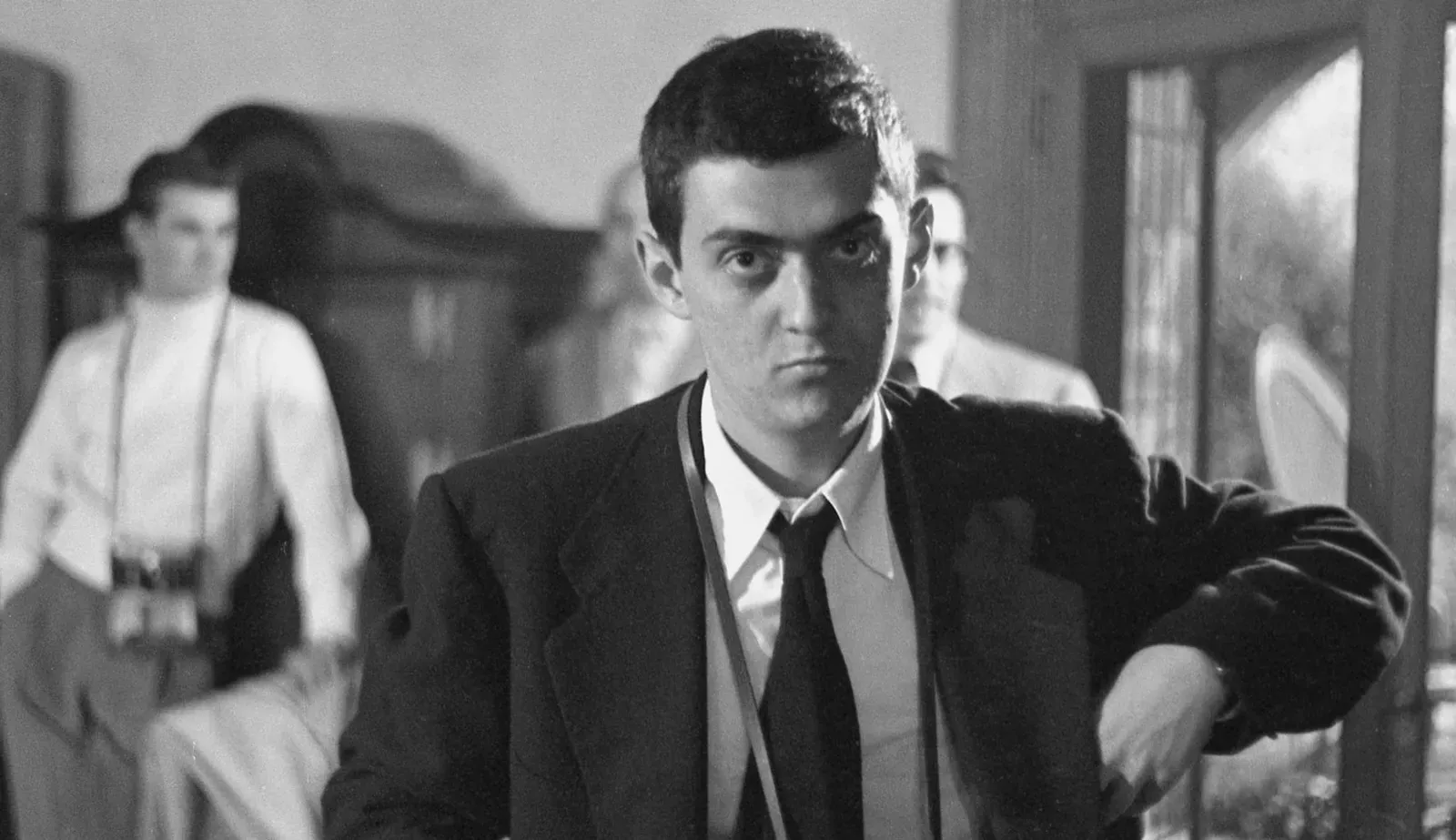
Stanley Kubrick’s meticulous, obsessive approach to filmmaking produced some of the most studied movies in history, but it also came at a steep cost to those in front of his camera. Though he’s undoubtedly one of the best directors to ever grace the silver screen, Kubrick notoriously wasn’t the easiest person to work with, and his tricky personality came to a head on the set of 1980’s “The Shining” when he clashed with lead actor Shelley Duvall.
Duvall’s account of the shoot has become one of the most cited examples of directorial cruelty in film history. Comparing the role to “torture,” she described how she would think about something sad in her life to get into character, until her body would eventually rebel and refuse to keep crying every day. She didn’t hold back describing Kubrick’s contradictions either. “For a person so charming and lovable, he can do some pretty cruel things when you’re filming,” she revealed, calling it “a very difficult role.”
7. Michael Bay

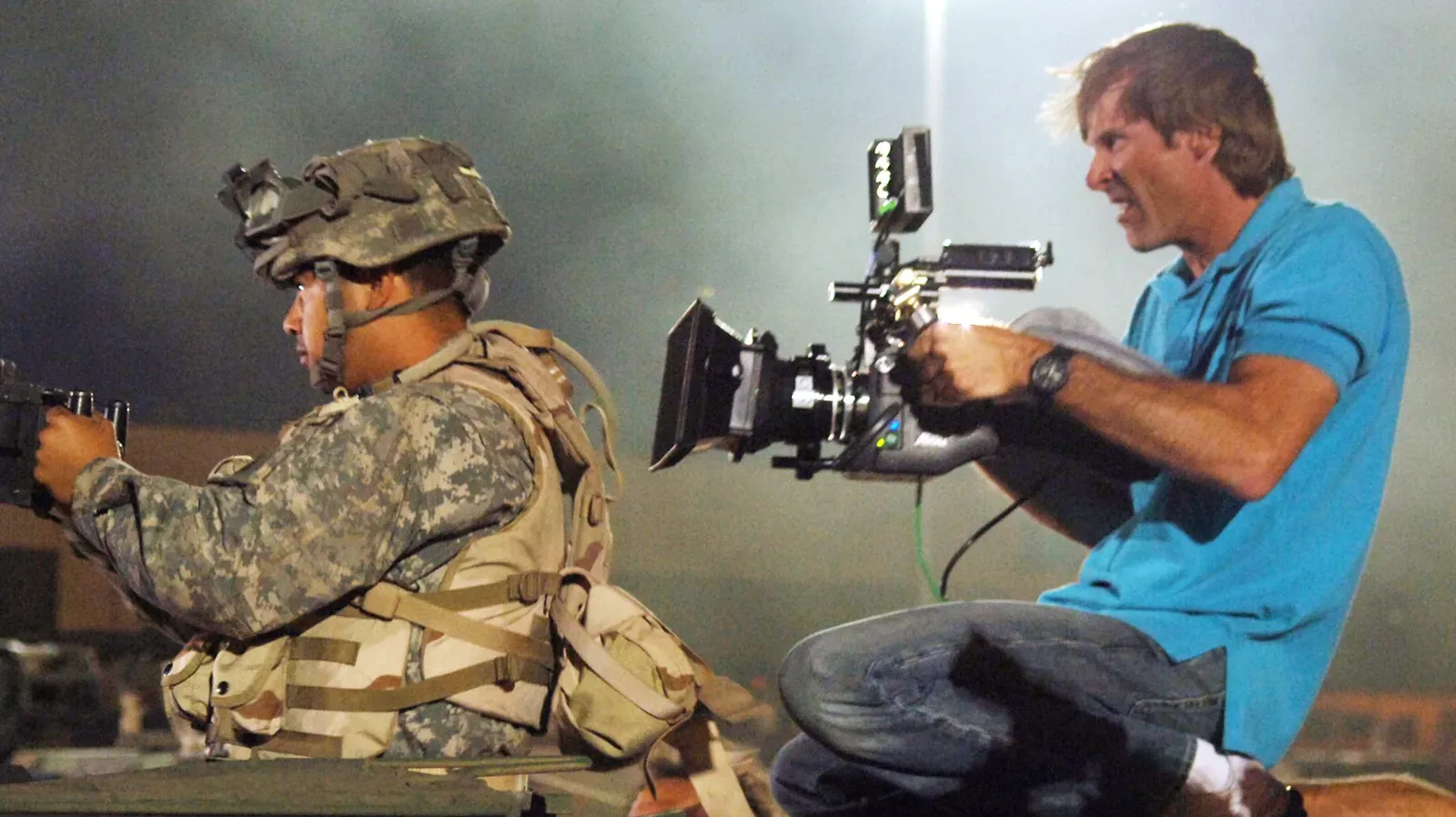
Michael Bay’s action-packed blockbusters have made him one of the highest-grossing directors of all time, but the sets of his films have a reputation for being loud, chaotic, and emotionally exhausting. Say what you will about Bay and his movies, but don’t say it to his face, as he’s known for being extremely hot tempered and emotional on his sets, often bossing the crew around and becoming agitated over confrontations.
The most publicized fallout came from actress Megan Fox during her time on the “Transformers” franchise. The controversy erupted in 2009 when Fox told a magazine that Bay was “a nightmare to work with,” comparing him to Napoleon and adding that “he wants to be like Hitler on his sets, and he is,” while also admitting she enjoyed his personality away from set because he was “so hopelessly awkward.” The comments had real consequences. Fox’s comparison of Bay to Adolf Hitler ultimately got her fired from the franchise, with Bay later revealing that executive producer Steven Spielberg was the one who insisted she be let go immediately.
8. Oliver Stone

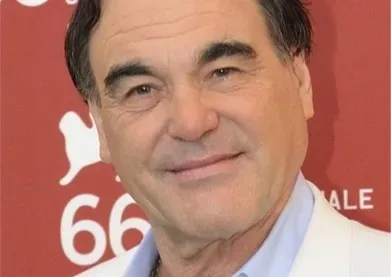
Oliver Stone’s politically charged, intense filmmaking style has translated into an equally intense reputation on set, one that has drawn sharp criticism from more than one respected actor. Working with him on the George W. Bush biopic “W.” reportedly left a lasting impression on Richard Dreyfuss. Dreyfuss called Stone a “fascist” and claimed that working with him on the film was the worst experience of his career.
Stone’s blunt, sometimes brutal feedback style has also rattled other collaborators. Jamie Foxx admitted that while filming “Any Given Sunday,” Stone came up to him and allegedly told him point blank, “You’re just not good at all.” For a director known for tackling weighty historical and political material, that kind of unfiltered, confrontational approach seems to be part of the package, whether his actors are ready for it or not.
Taken together, these stories say something uncomfortable about the film industry itself. Talent and torment have often gone hand in hand on movie sets, and the industry has, for decades, tended to look the other way as long as the finished product wins awards or makes money at the box office. Some of these directors, like Russell and von Trier, continue to work with A-list actors despite very public and well-documented behavior. Others, like Hitchcock and Kubrick, have had their legacies reexamined by modern audiences who are less willing to excuse bad behavior simply because the results were artistically brilliant.
None of this means talent and difficulty always go together, of course. Plenty of celebrated directors run calm, collaborative sets without a hint of controversy. Still, the stories collected here serve as a reminder that behind the glamour of the silver screen, there’s often a much messier, more human story about power, ego, and what people are willing to endure in the name of making great art.