There’s something almost magical about a great duet, two voices trading lines, building harmony, clearly reacting to each other in real time. Except sometimes that reaction never actually happened. Thanks to overdubbing, archival tape, and increasingly clever digital tools, some of the most beloved duets in music history were built from vocal tracks recorded years, sometimes decades, apart, by singers who never once stood in the same room.
Nat King Cole and Natalie Cole, “Unforgettable”
Nat King Cole recorded the original version of “Unforgettable” in 1951, more than a decade before his daughter Natalie was even born. When Natalie decided to reimagine the song as a tribute in 1991, engineers isolated his vocal track and built new orchestration around it, then recorded her voice singing alongside his preserved performance. The result won multiple Grammy Awards and introduced Nat King Cole’s voice to a generation that had never heard him live.
What makes this pairing so striking is the emotional weight behind it. Natalie Cole was singing to a father who had passed away in 1965, using technology to create a moment that could never have happened naturally. It remains one of the most commercially successful and emotionally resonant examples of a “virtual duet” in pop music history.
Jim Reeves and Patsy Cline, “Have You Ever Been Lonely?”
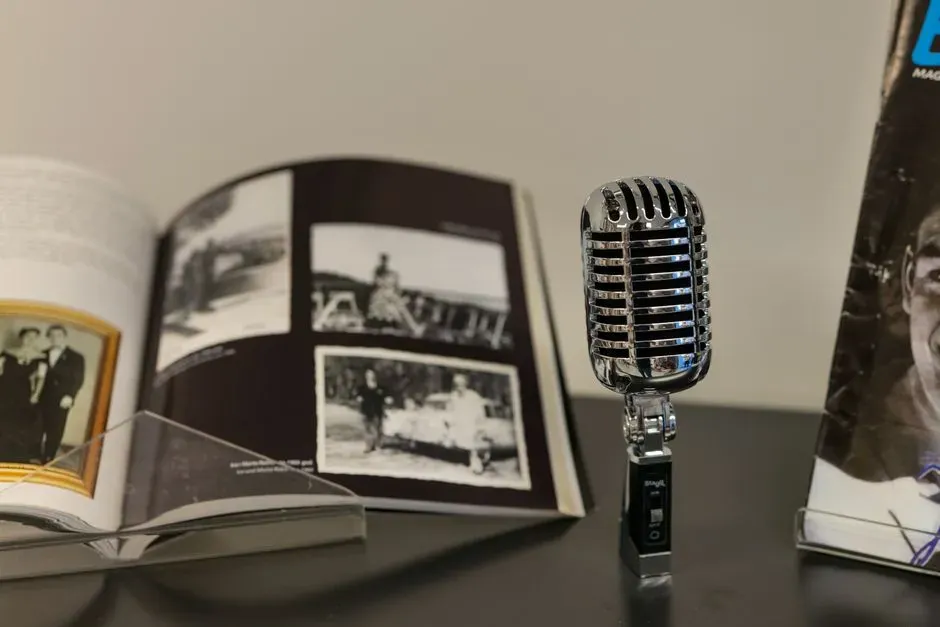
Both Jim Reeves and Patsy Cline died in separate plane crashes in the early 1960s, Cline in 1963 and Reeves in 1964, and had never recorded together during their lifetimes. Each had recorded solo versions of the standard “Have You Ever Been Lonely?” in 1961, years before their deaths. In 1981, producer Owen Bradley pulled their isolated vocal performances from the original master tapes and combined them into a single track.
Bradley lifted their solo vocal performances off their original stereo tapes, synchronized them and recorded a new backing track, and the song became a No. 5 hit on the Billboard Hot Country Singles chart in January 1982. It’s a technically remarkable feat considering the recordings were made a semitone apart and had to be carefully matched in pitch and tempo before release. The success led to further posthumous pairings between the two artists on later compilation albums.
Frank Sinatra and his guest stars on Duets
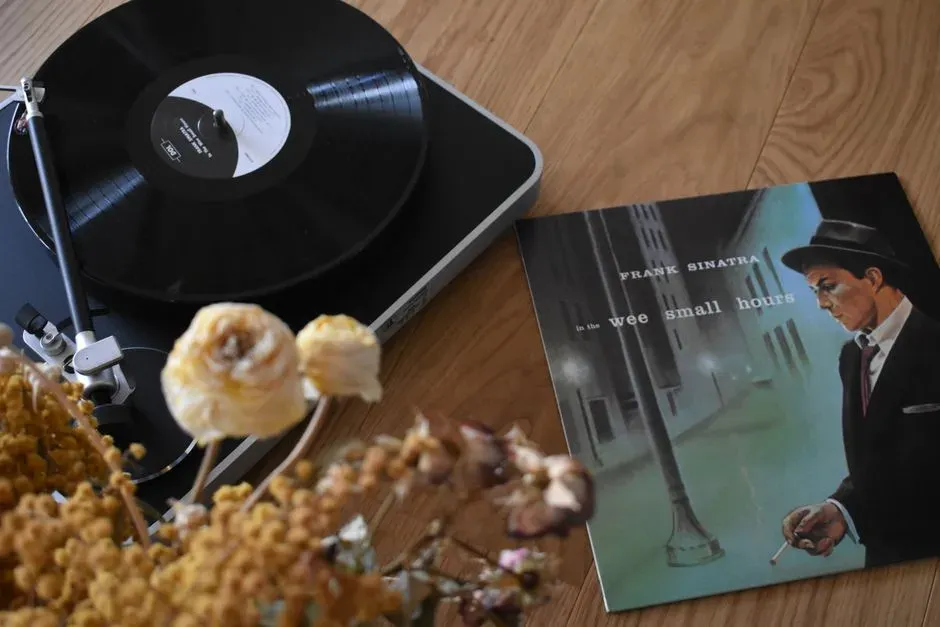
Frank Sinatra’s 1993 album Duets became one of the biggest sellers of his career, yet by the time it topped the charts it was well known that Sinatra was never actually in the room with any of the singing stars with whom he recorded, his vocals were laid down in one studio while the other contributors literally phoned in theirs through elaborate digital transmissions. Sinatra recorded his parts first at Capitol Studios in Los Angeles, and artists like Tony Bennett, Barbra Streisand, Bono, Luther Vandross, and Aretha Franklin later added their vocals from entirely different locations, sometimes different continents.
The technology behind this, a fiber optic system that allowed real time transmission over long distances, was considered cutting edge at the time. Duet partners contributed their vocals remotely from their respective locations, such as studios in New York, Miami, or even internationally, using ISDN lines and the EDNet fiber optic system for high fidelity, real time transmission of audio. Despite the physical distance between the performers, the album sold millions of copies and helped introduce Sinatra’s music to younger audiences who might never have discovered him otherwise.
Hank Williams Jr. and Hank Williams Sr., “There’s a Tear in My Beer”
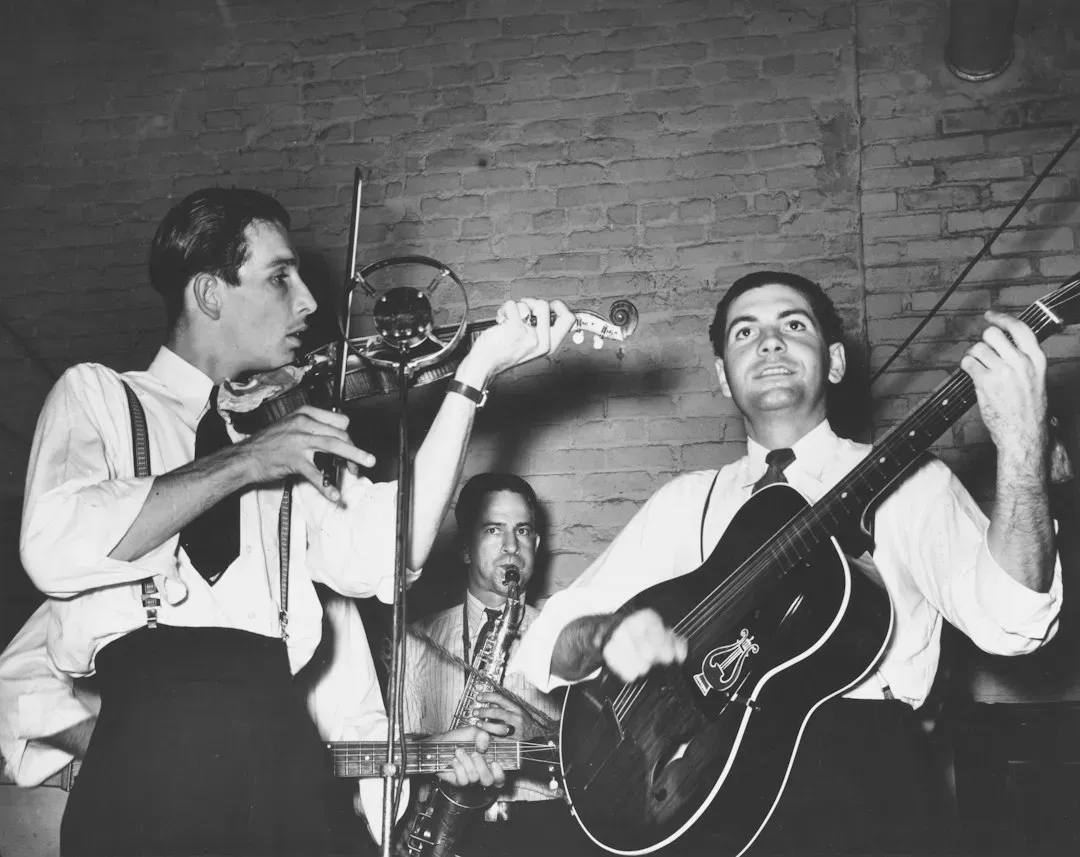
Hank Williams Sr. recorded a simple demo of “There’s a Tear in My Beer” decades before his death in 1953, and the tape sat largely forgotten for years. In 1989, his son Hank Williams Jr. used archival audio and film technology to create a music video and recording that placed his own performance alongside his father’s original vocal. The video, blending old black and white footage with new color footage of the younger Williams, won a CMA award and drew wide attention for its technical ambition.
It was an unusual project for its time, essentially a duet between a son and a father he barely remembered performing live. The emotional resonance mirrored what Natalie Cole would later do with her own father two years afterward, suggesting a small but meaningful trend of country and pop artists using technology to honor deceased parents through music.
Partner offer
Elvis Presley and Céline Dion, “If I Can Dream”
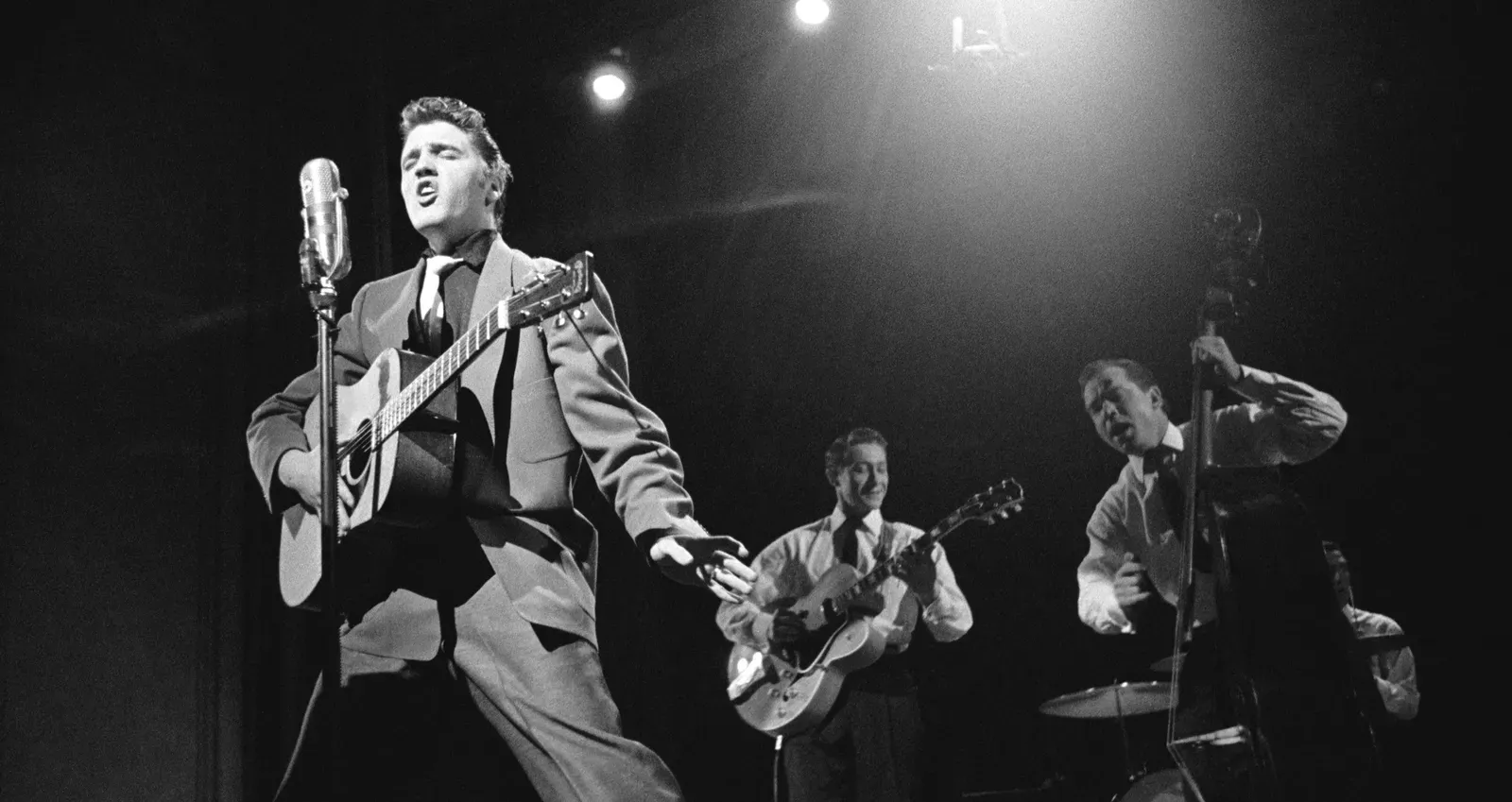
Elvis Presley recorded “If I Can Dream” in 1968 as part of his famous television comeback special, delivering one of the most emotionally charged performances of his career. Céline Dion, born the same year that performance aired, later recorded new vocals to accompany his isolated original track, first for a 2007 American Idol tribute and later for a 2015 studio album pairing his archival vocals with a full orchestra. Presley died in 1977, meaning the two singers were separated not just by geography but by an entire era of music.
The pairing worked because engineers were able to extract Presley’s raw vocal performance from the original session tapes, free of the original backing track, and build new orchestration around it. Dion has spoken about the surreal nature of singing alongside a voice she grew up admiring but could never have shared a stage with. The project reflected a broader trend of using archival vocal isolation to create new listening experiences from decades old recordings.
Elton John and Dua Lipa, “Cold Heart (PNAU Remix)”
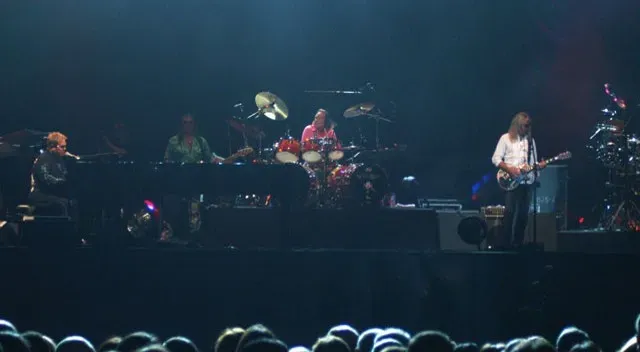
Released in 2021, “Cold Heart” blended fragments of several older Elton John songs, including “Rocket Man” and “Sacrifice,” with new vocals recorded by Dua Lipa specifically for the remix. The Australian production duo PNAU built the track by splicing together these vocal elements, meaning the two artists never sang the song together in a traditional studio session. Instead, Dua Lipa recorded her contributions independently, and producers assembled the final version digitally.
The song became a massive commercial success, reaching the top of charts in multiple countries and introducing Elton John’s back catalog to a new generation of streaming listeners. It stands as one of the more recent examples of how modern production techniques allow artists across generations to appear to collaborate without ever physically meeting in a studio. The mashup format made the lack of a shared recording session almost invisible to casual listeners.
Tupac Shakur and The Notorious B.I.G., “Runnin’ (Dying to Live)”
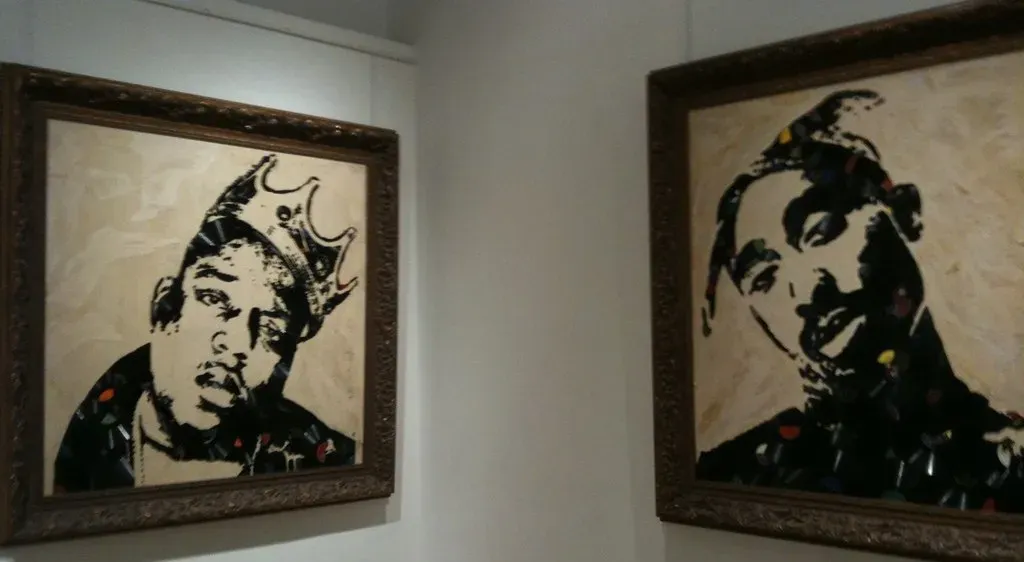
Tupac Shakur and The Notorious B.I.G. were once close friends before becoming symbols of the East Coast-West Coast rivalry that defined much of 1990s hip hop, and both were killed within a year of each other, Shakur in 1996 and Wallace in 1997. In 2003, producer Eminem combined archival vocal recordings from both rappers into a single track for the soundtrack of Tupac: Resurrection, built around a sample of Stevie Wonder’s “Pastime Paradise.” The two verses had never been intended as a joint recording, and the artists had not worked together in a studio in the years before their deaths.
The result was a haunting piece of hip hop history, pairing two voices whose real life rivalry made an actual collaboration seem unthinkable at the time. Fans and critics alike noted the strange poignancy of hearing them “together” years after both had passed. It remains one of the more unusual examples of posthumous vocal pairing outside of traditional pop and country music.
John Lennon and the surviving Beatles, “Free as a Bird”
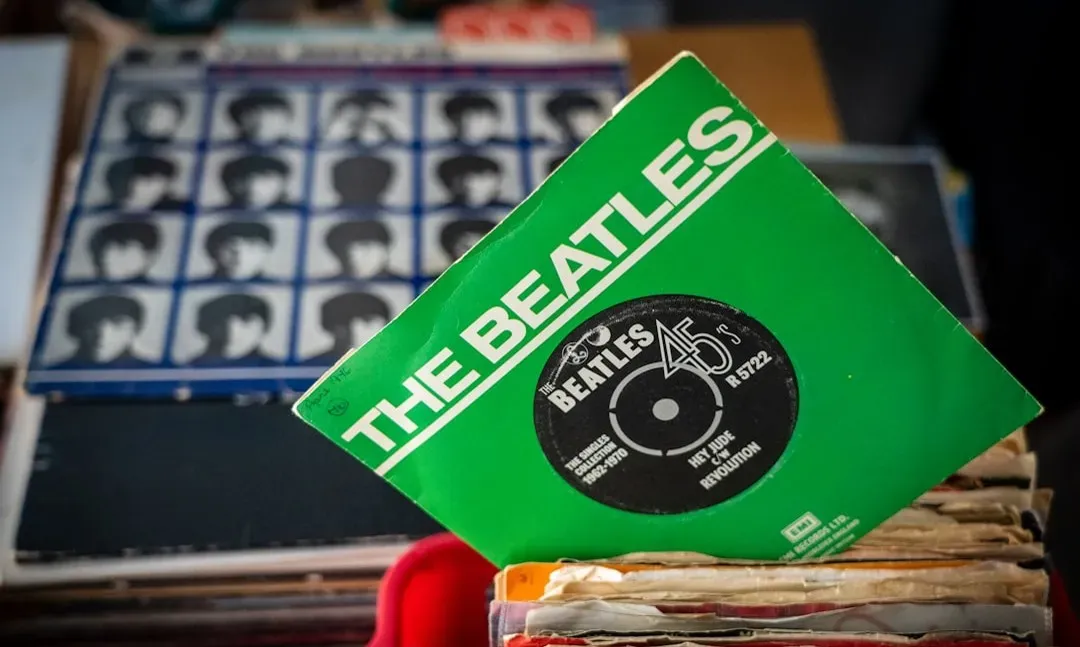
John Lennon recorded a rough home demo of “Free as a Bird” on cassette tape in 1977, three years before his murder in 1980. In 1994, Paul McCartney, George Harrison, and Ringo Starr took that demo and built an entirely new recording around it, adding fresh instrumentation, harmonies, and a middle eight that Lennon never wrote. The finished track was released in 1995 as part of the Beatles Anthology project, marking the first new Beatles single in twenty five years.
McCartney has described the process as emotionally complicated, working alongside a voice that could no longer respond or collaborate in any conventional sense. The technical work involved cleaning up the low fidelity cassette recording so Lennon’s vocal could sit convincingly alongside modern studio production. It gave fans a strange but welcome final new song from a band that had stopped recording together decades earlier.
These recordings share a common thread beyond the technology involved. Each one found a way to preserve a connection, whether between parent and child, friends turned rivals, or bandmates separated by death, using tools that didn’t exist when the original vocals were first laid down. Listening to them now, it’s easy to forget that the voices never actually shared a room, which may be the clearest sign of how well the illusion was built.Partner offer
Planning a trip to Vegas?
Compare hotel rates and show tickets on VEGAS.com.