Test screenings have a strange power in Hollywood. A film can spend years in development, cost tens of millions of dollars, and still get rewritten in a matter of weeks because a room full of strangers filled out a comment card the wrong way. Sometimes those changes save a picture. Other times they erase something genuinely daring in favor of a safer, more crowd pleasing finish.
What follows are eight cases where the ending audiences eventually saw in theaters was not the one filmmakers originally intended. Some were swapped out because of studio pressure, others because the people who made them lost their nerve, and a few because a paying crowd simply refused to accept what was on screen.
Fatal Attraction (1987): The Ending Test Audiences Demanded

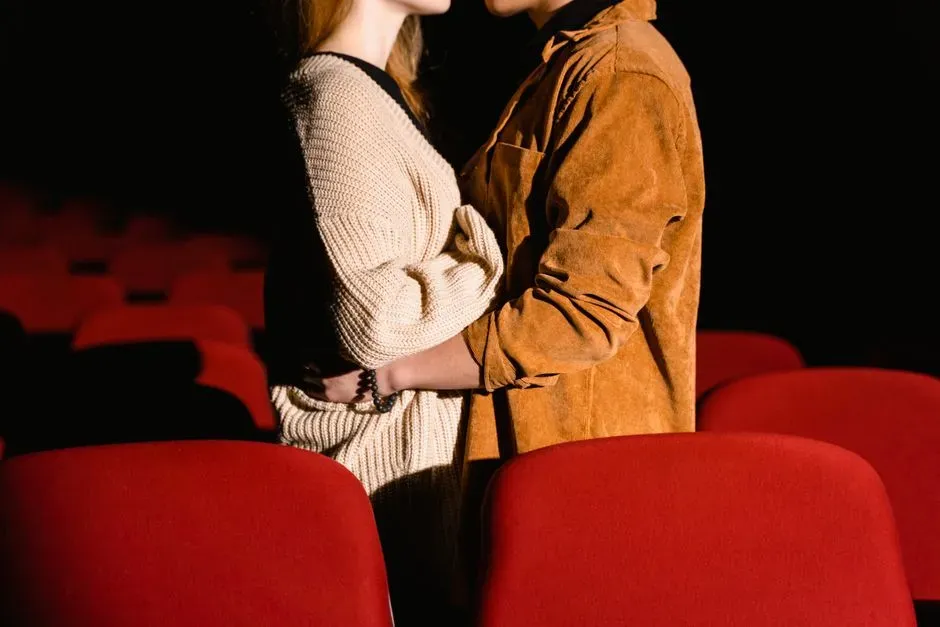
Adrian Lyne’s psychological thriller originally ended on a much quieter, sadder note. In that version, Glenn Close’s character Alex takes her own life while listening to an aria from Madama Butterfly, then frames Michael Douglas’s character for her murder using his fingerprints on the knife. Test audiences didn’t like the original ending of Fatal Attraction, which featured Alex taking her own life and then framing Dan for her murder, ensuring his fingerprints were on the knife so police could charge him for the crime.
The reaction from preview crowds was blunt. An executive at the studio recalled that audiences “want us to terminate the bitch with extreme prejudice.” Close herself pushed back hard against the idea of reshooting, arguing the suicide ending reflected the psychiatric research she had done on the character, but the studio eventually paid for a new, far more violent climax in which Dan’s wife kills Alex, and it became the version the world knows.
First Blood (1982): Rambo Was Supposed to Die

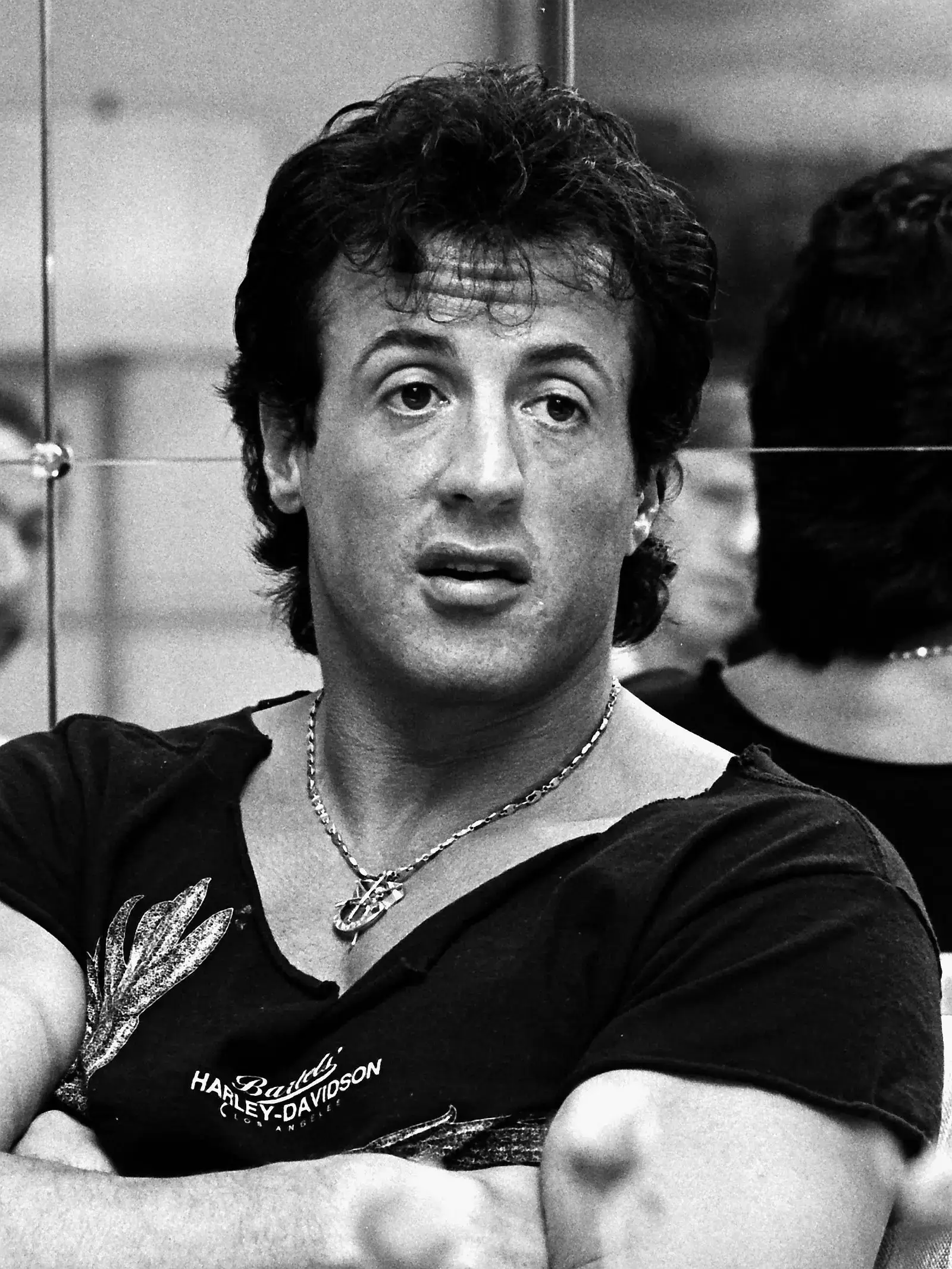
Before John Rambo became a franchise action hero, First Blood was conceived as a tragedy about a Vietnam veteran who cannot find peace back home. The original ending shot for the film had Rambo calmly seize Colonel Trautman’s pistol and ask for death, saying “You trained me, you made me, you’ll kill me. You owe me that,” before Trautman presses the gun to his stomach and pulls the trigger. That version actually stayed closer to David Morrell’s source novel, in which both Rambo and the sheriff who hunts him die.
Sylvester Stallone, who had co written the script, ultimately could not accept killing off the character he was playing. Director Ted Kotcheff later recalled Stallone telling him, “You can’t kill Rocky.” The filmmakers reshot the finale so Rambo survives and surrenders instead, a decision that opened the door to four sequels and turned a modest post war drama into the seed of an action franchise.
I Am Legend (2007): A Different Kind of Monster

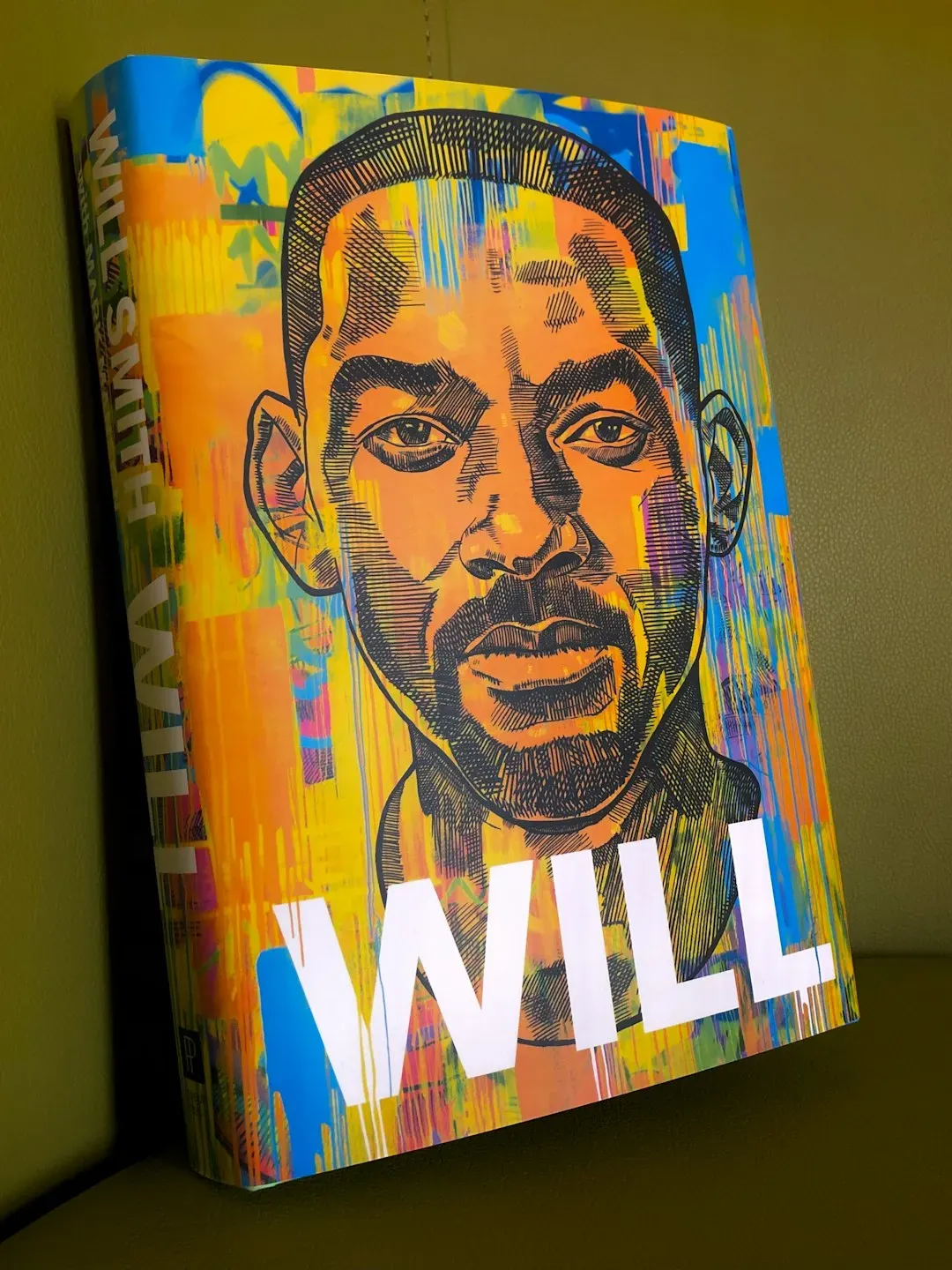
Will Smith’s post apocalyptic thriller was originally faithful to Richard Matheson’s novel, which flips audience sympathy by revealing that the infected creatures are not simply monsters but a new society trying to survive, and that the human hero is the one they fear. The original ending showed Robert Neville discovering that the Darkseekers were trying to survive, just like humans, and realizing that he might be the monster in their eyes, so he lets them go. It was a bold, morally uncomfortable finish for a studio blockbuster.
Test audiences hated it. Will Smith later said, “It was the only movie I’ve ever had that the audience booed,” and the top two approval ratings on the feedback cards only added up to 51 percent, the lowest score of his career. The decision to change the ending was made just six weeks before the movie’s release, leading to a last minute reshoot to create the alternate conclusion in which Neville sacrifices himself so a cure can reach the last human survivors.
Little Shop of Horrors (1986): When the Musical’s Dark Finale Was Too Much


Frank Oz’s film adaptation of the stage musical originally kept the source material’s grim conclusion, in which the man eating plant Audrey II devours both leads and then spreads across the world. After two previews and many angry comment cards, Oz and screenwriter Howard Ashman decided to scrap the original twenty three minute ending in favor of giving Seymour and Audrey their happy ending instead. The footage that was abandoned had cost millions of dollars and taken over a year of model effects work to build.
The numbers from those test screenings were almost unheard of in their severity. The key recommendation question needed at least 55 percent approval to avoid changes, and for Little Shop that number came in at just 13 percent, with a nearly identical result at a second screening in Los Angeles. Warner Bros eventually restored the original, darker ending decades later for a director’s cut released on home video and shown at select theatrical screenings.
World War Z (2013): The Russian Battle That Never Made It

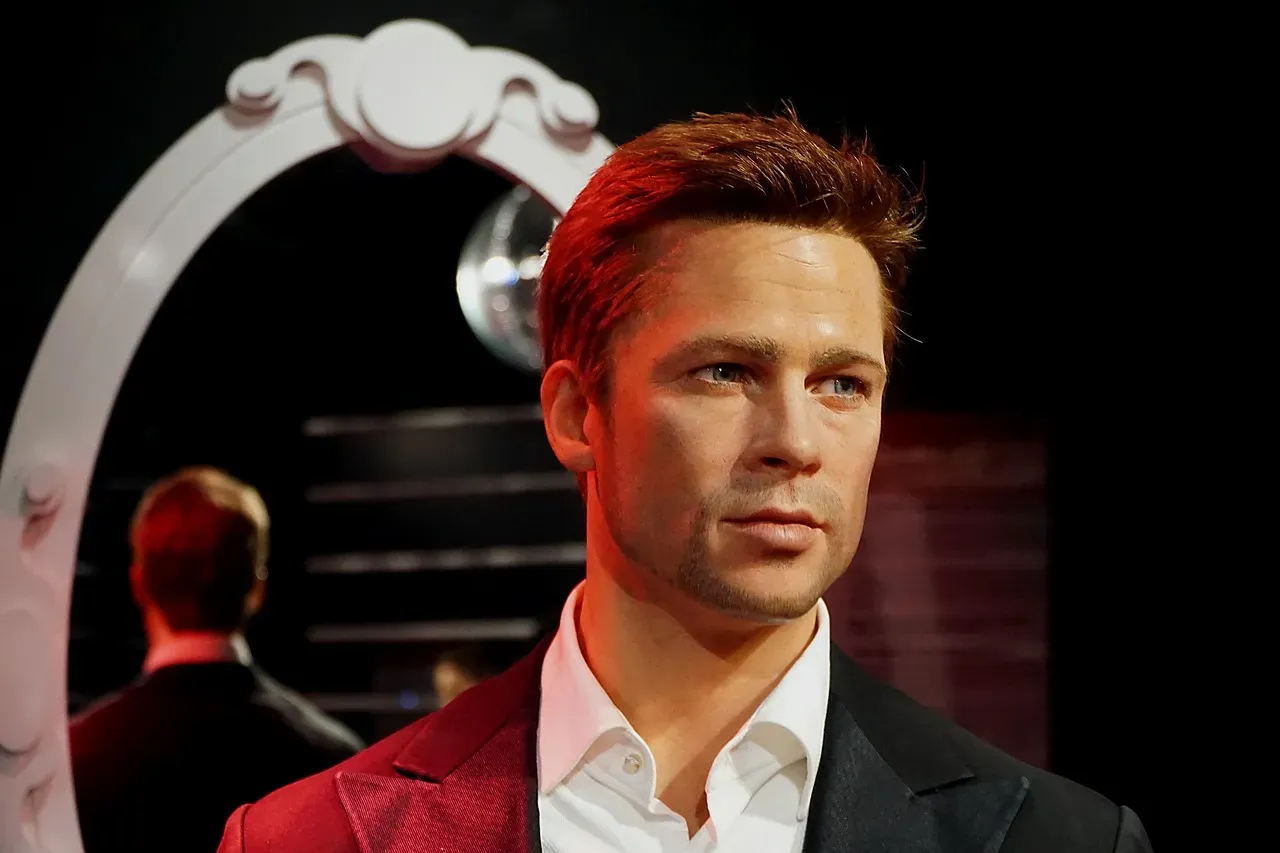
Brad Pitt’s zombie epic was supposed to end with an enormous military battle in Moscow rather than the quiet, tense sequence set inside a Welsh research facility that audiences eventually saw. As Gerry Lane and Israeli soldier Segen board a plane to leave Jerusalem, the script originally had them land safely in Moscow, where Lane is forced into military service to help fight off zombies. A time jump followed, showing Lane months later as a hardened soldier who had lost contact with his family entirely.
Director Marc Forster and the studio decided the sprawling battle sequence undercut the intimacy of the story. Forster explained simply, “originally there was a third act that I thought didn’t work,” describing how the finale was meant to culminate in an epic battle in Moscow with Pitt’s character becoming a zombie killing badass. Screenwriters Damon Lindelof and Drew Goddard were brought in to rewrite the ending almost entirely, and the result grossed over half a billion dollars worldwide.
Pretty in Pink (1986): A Different Boy Waits at Prom


John Hughes’s teen romance almost sent a very different message about who deserved the girl. The film initially had Andie and Duckie as the movie’s one true pairing until test audiences revolted against the idea of her ending up with her loyal best friend rather than the wealthier, more conventionally romantic Blane.
That reaction pushed the production to shoot a new final scene at the prom, sending Andie into Blane’s arms while Duckie is left to find someone else, a choice that has divided fans of the film for decades. It remains one of the clearest examples of a studio comedy having its emotional outcome rewritten purely because a preview crowd voted with its reaction cards for the more expected pairing.
Rocky V (1990): Stallone Almost Killed His Own Hero

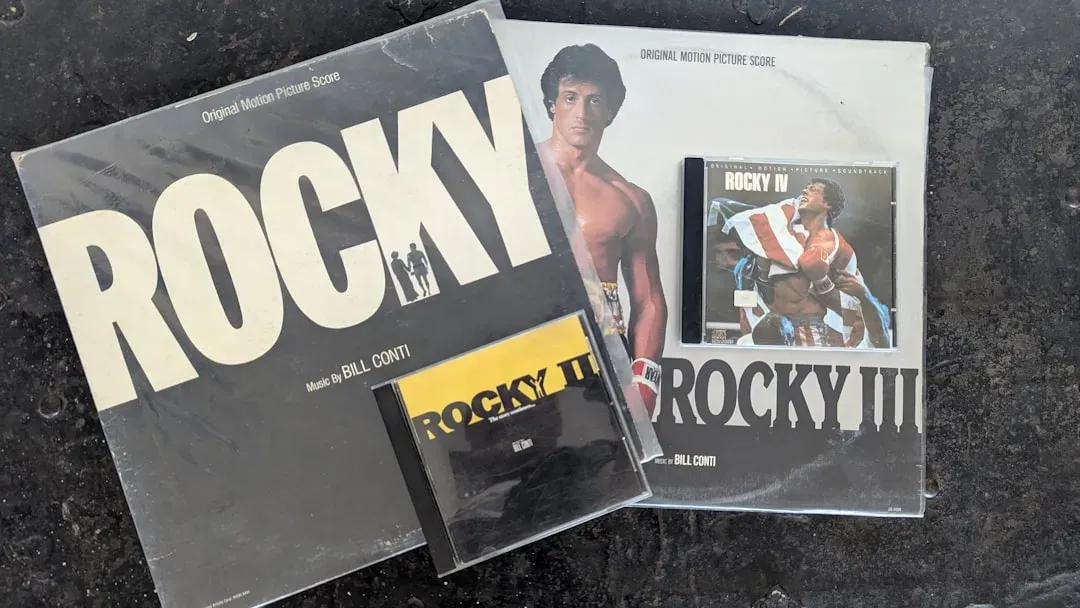
Sylvester Stallone has made a habit throughout his career of writing dramatic deaths for his own characters and then backing away from them. His original script for Rocky V ended with the boxer dying in the arms of his wife Adrian, before Stallone decided to grant his alter ego a reprieve. The idea was to give the long running series a definitive, tragic close.
In the end, Stallone could not bring himself to close out the character that way, much as Kotcheff had noted years earlier with First Blood. Rocky V was released with its title character alive, setting the stage for Stallone to revisit Balboa more than once in later decades, culminating in the well received Creed spin off films that carried the character’s legacy forward.
Clerks (1994): The Ending That Almost Left Dante Dead

Kevin Smith’s low budget breakout comedy, shot in black and white for a fraction of the cost of a typical studio release, originally ended on a startlingly grim note. In that early draft, the film’s put upon lead character Dante is shot and killed during a robbery at the convenience store where he works, a sudden and violent finish for what had otherwise been a talky, comic slice of slacker life.
Friends and early viewers who saw the footage felt the death scene clashed badly with everything that came before it, so Smith cut the sequence before the film went into wider release. The version that eventually reached Sundance and then theaters left Dante alive, closing the shutter on the store instead of on his life, a small change that helped the film keep its comic tone intact through its final minutes.
Looking across these eight films, a pattern becomes clear. Test screenings are not villains by default, and plenty of movies genuinely improved because a director was willing to listen to a room full of strangers. Still, each of these endings shows how thin the line can be between the film a director imagined and the one audiences actually got to see, decided in a matter of weeks by people holding pencils and comment cards in a screening room somewhere in Los Angeles.