There is something quietly astonishing about a musician who walks into a studio alone and walks out with a complete album. No bandmates, no session players waiting in the lounge, just one person and a room full of instruments. It sounds almost impossible, yet a small group of artists have done exactly this, repeatedly and with extraordinary results. Some did it out of necessity, some out of perfectionism, and some simply because they trusted no one else to hear the music the way they did. What follows is a gallery of those remarkable musicians who proved that a full band can live inside one person.
1. Prince – The Man Who Played 27 Instruments at Age 19
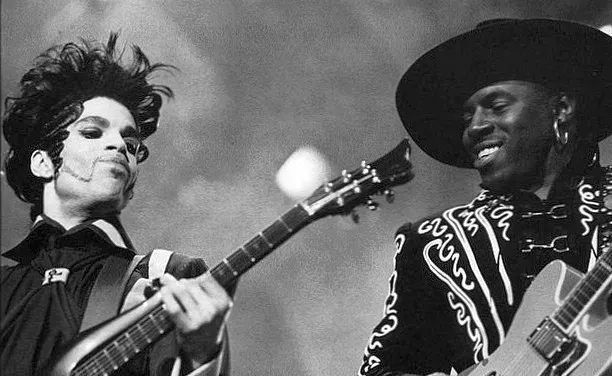
Few artists in history have stunned the world with their musical versatility quite like Prince. He famously played nearly every instrument on his debut album “For You” when he was just 19 years old. He signed with Warner Bros. in 1977, and he arranged, composed and played almost all of the 27 instruments on that debut album himself.
Like auteurs Stevie Wonder, Todd Rundgren and Paul McCartney before him, the Minneapolis multi-track whiz kid wrote, arranged, produced and played almost every instrument on his first five albums, from 1978 to 1982. That level of self-sufficiency in a teenager is, honestly, hard to even wrap your head around. It is like showing up to school having already written the textbook.
Prince wrote and composed the lead single “When Doves Cry” after all the other tracks were complete on Purple Rain. In addition to providing vocals, he played all instruments on the track. Despite initial controversy, Purple Rain was an enormous success, spending 24 consecutive weeks atop the Billboard 200.
Purple Rain is Prince’s commercial peak, with total sales standing at 25 million copies worldwide, making it one of the best-selling albums of all time. His legacy as a one-man studio force remains completely unmatched in modern pop history.
2. Paul McCartney – A Beatle Who Built Albums Alone
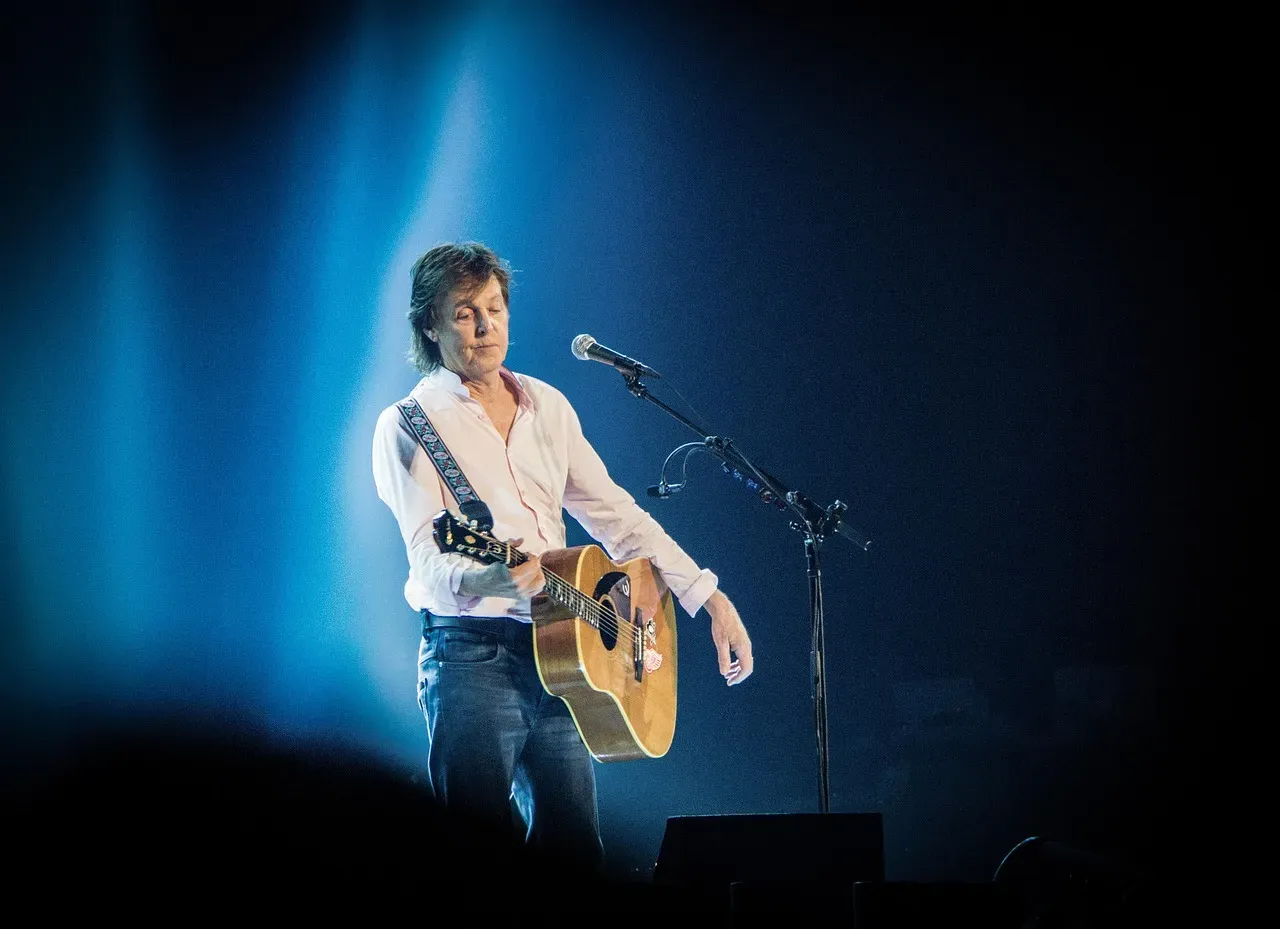
After conquering the world with The Beatles, Paul McCartney shocked fans by releasing his solo debut “McCartney” in 1970, where he played every instrument himself. On his album McCartney, he is credited with vocals, acoustic guitar, electric guitar, bass guitar, drums, piano, organ, percussion, wine glasses, Mellotron, and effects. That list alone reads like a full band’s rider.
He repeated this self-sufficient approach on “McCartney II” in 1980, again handling all vocals and instruments. These albums revealed a raw, intimate side of the legend, with unpolished edges and experimental touches. McCartney’s proficiency on bass, drums, guitar, and keyboards let him explore deeply personal themes at his own pace.
Critics praised the honesty and innovation in these works, and the public responded with massive sales, proving that McCartney’s genius isn’t limited to collaboration, but shines just as brightly in solitude. There is something refreshingly unguarded about a musician of his stature choosing to record entirely alone. No one to impress, no one to compromise with.
3. Stevie Wonder – Blind to Limits, Boundless in Talent
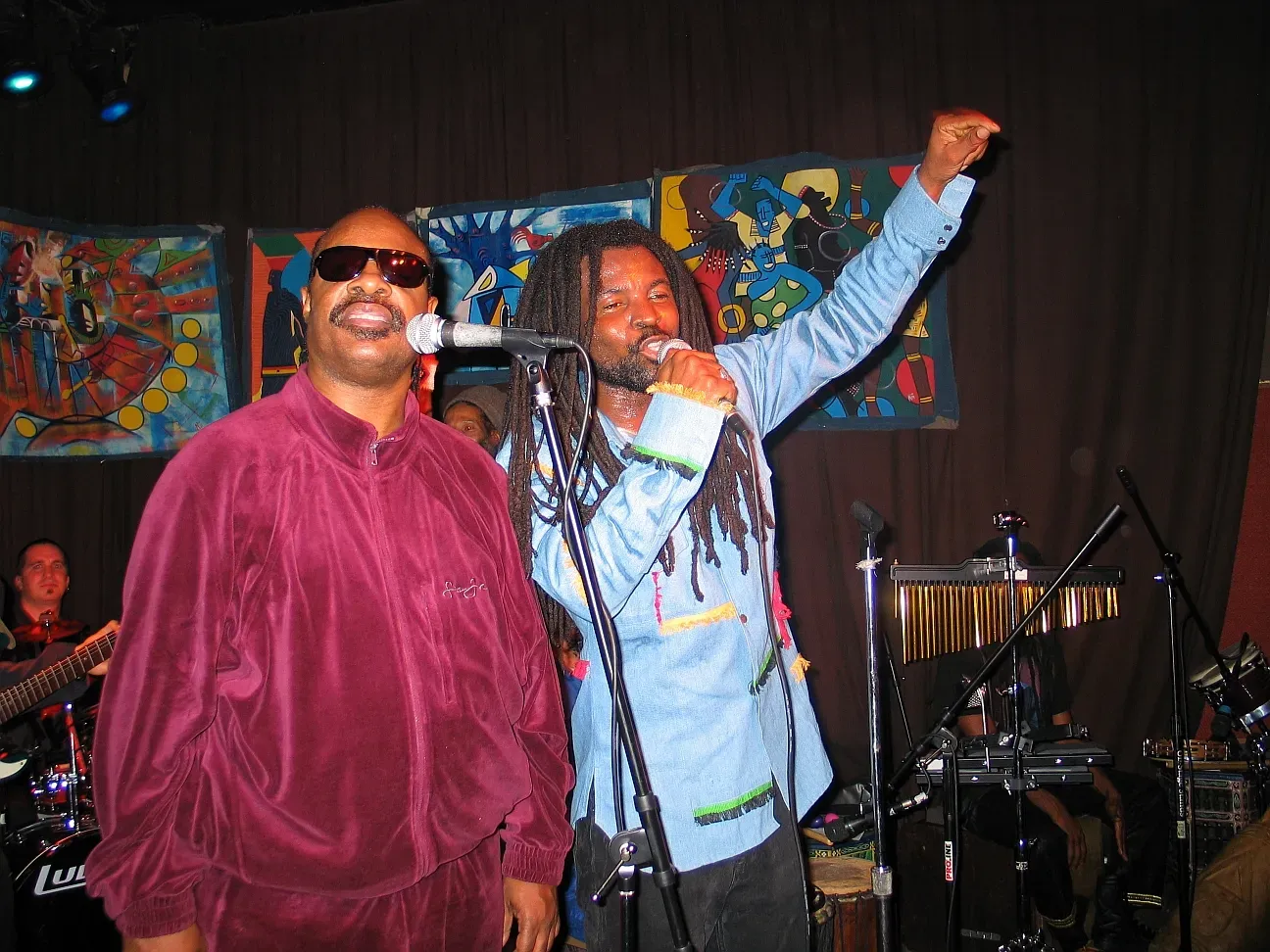
Stevie Wonder’s story is nothing short of inspiring. Blind since shortly after birth, he defied every expectation to become one of history’s greatest multi-instrumentalists. On seminal albums like “Music of My Mind” and “Innervisions,” Wonder played nearly every instrument, including drums, bass, keyboards, and the harmonica that became his trademark.
He was among the first to master the synthesizer, using it to create lush, genre-defying soundscapes that still sound fresh today. His willingness to experiment with emerging technology changed the way pop and soul music are produced. Think of it this way: he was essentially mapping musical territory that nobody else had explored yet.
The world noticed: Wonder has received 25 Grammy Awards, more than almost any other solo artist, and his albums have sold millions worldwide. His work remains a testament to the power of determination and artistry. I think it is impossible to overstate how radical his approach was for its era. He didn’t just play many instruments. He reimagined what music could sound like.
4. Dave Grohl – Grief, Guitars, and a One-Man Band
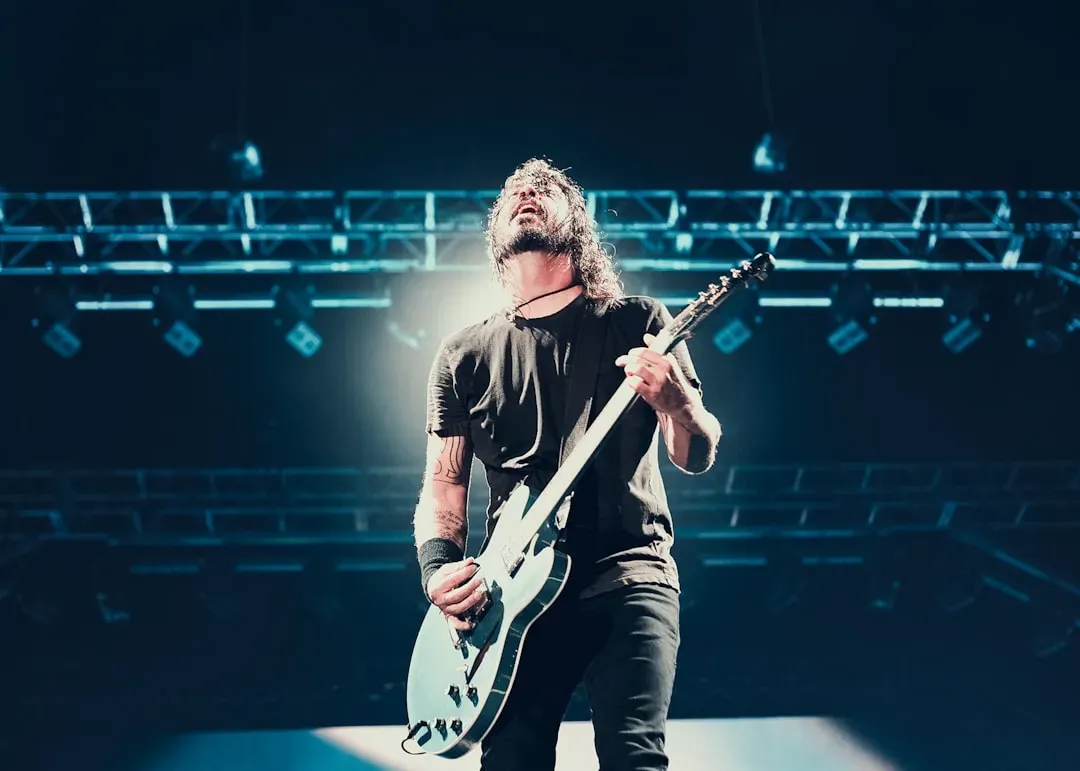
After the tragic loss of collaborator and friend Kurt Cobain in 1994, Dave Grohl was in a state of total devastation. He and bandmate Krist Novoselic withdrew from the public eye for several months before speaking about Cobain’s death. Grohl eventually decided to work on his own musical project, which he believed could serve as “some sort of cathartic therapy.”
Former Nirvana drummer Dave Grohl wrote the entire album. He recorded it himself in six days with the assistance of producer Barrett Jones at Robert Lang Studios in Seattle, Washington, in 1994. Grohl played drums, bass, guitar and sang on the band’s self-titled debut disc. Six days. Fifteen tracks. One human being.
Grohl recorded every instrument himself, recording around four songs a day, frantically running from room to room in the studio to pick up the next instrument. There is a frenetic energy that abounds on Foo Fighters, even with Grohl still clearly trying to find his voice as a songwriter.
Grohl titled the project Foo Fighters to give it the illusion of being a full band effort. The Foo Fighters have won 15 Grammy Awards, including Best Rock Album five times, making them among the most successful rock acts in Grammy history. Not bad for a solo bedroom project born out of grief.
5. Trent Reznor – Industrial Fury, Crafted Alone
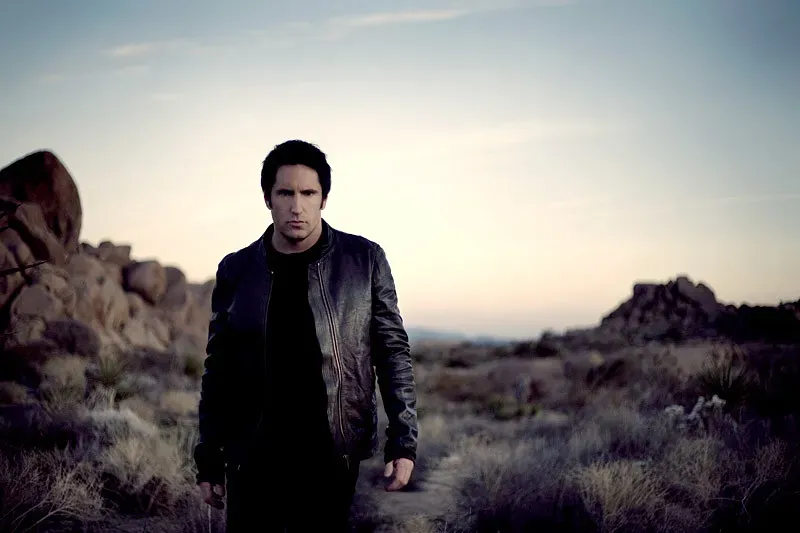
On Nine Inch Nails albums like “Pretty Hate Machine” and “The Downward Spiral,” Reznor wrote, performed, and produced nearly every track alone. He is known for spending countless hours perfecting every detail, recording vocals, guitars, synths, and programming drums himself. His willingness to dive deep into electronic and industrial sounds created music that was both abrasive and hauntingly beautiful.
Reznor was Nine Inch Nails on “Pretty Hate Machine,” this industrial-rock landmark, building beats and synths after hours in a Cleveland studio while working as a janitor. The angst was real, the hooks were massive, and the production broke new ground. This wasn’t just a one-man band; it was a one-man revolution. He has always struck me as someone who simply couldn’t trust anyone else to make the sounds in his head.
Reznor’s work has been recognized with Grammy Awards and even an Oscar for his later film scores. His fearless experimentation and relentless drive have inspired a new generation of musicians to push the limits of what one person can achieve. From recording in borrowed studios to scoring Hollywood films, the arc of his solo studio work is genuinely remarkable.
6. Todd Rundgren – The DIY Pioneer Nobody Talks About Enough

Todd Rundgren’s 1972 double album “Something/Anything?” is considered a masterpiece of the do-it-yourself approach. Rundgren wrote, produced, sang, and played every note on three of its four sides, layering vocals and instruments by himself in various studios. This ambitious project showcased his uncanny ability to switch moods, genres, and instruments with ease, from upbeat pop to introspective ballads.
His technical skills matched his songwriting talent, allowing him to experiment with overdubs and sound effects that were groundbreaking at the time. Rundgren’s independence as a creator set a precedent for generations of artists who wanted to break free from industry conventions. The album’s critical and commercial success cemented his reputation as a true musical polymath.
Here’s the thing about Rundgren: he doesn’t always get the credit he deserves, despite being a direct influence on artists like Prince and Kevin Parker. Rundgren keeps a firm hand on every aspect of his recordings, on which he has occasionally played all of the instruments. That hands-on obsession defined an entire generation of studio artists who followed him.
7. Kevin Parker (Tame Impala) – The Modern Bedroom Studio Genius

On stage, Tame Impala is a band, but in the studio and at its heart, it is the life’s work and vision of Kevin Parker, a native of Perth, Australia, who writes all the songs and plays all the instruments and handles all the production. That’s a level of creative control that most musicians can only dream about.
On tour, Tame Impala is a five-piece band, but in the studio it’s all Kevin Parker. He plays every instrument and sings all vocals on his recordings, and produces, engineers, and mixes the results. His appetite for guitar experimentation, powered by an arsenal of reverb, phaser, delay, and fuzz pedals, made his 2010 debut album InnerSpeaker one of the year’s standout indie releases.
Parker’s perfectionism is legendary; he’s known to spend months tweaking the smallest details. This hands-on approach has earned him critical acclaim, a Grammy nomination, and a fiercely loyal fanbase. By controlling every aspect of the music, Parker creates an unmistakable sonic identity that fans instantly recognize.
8. Lenny Kravitz – Soul, Funk, and a Studio Built for One
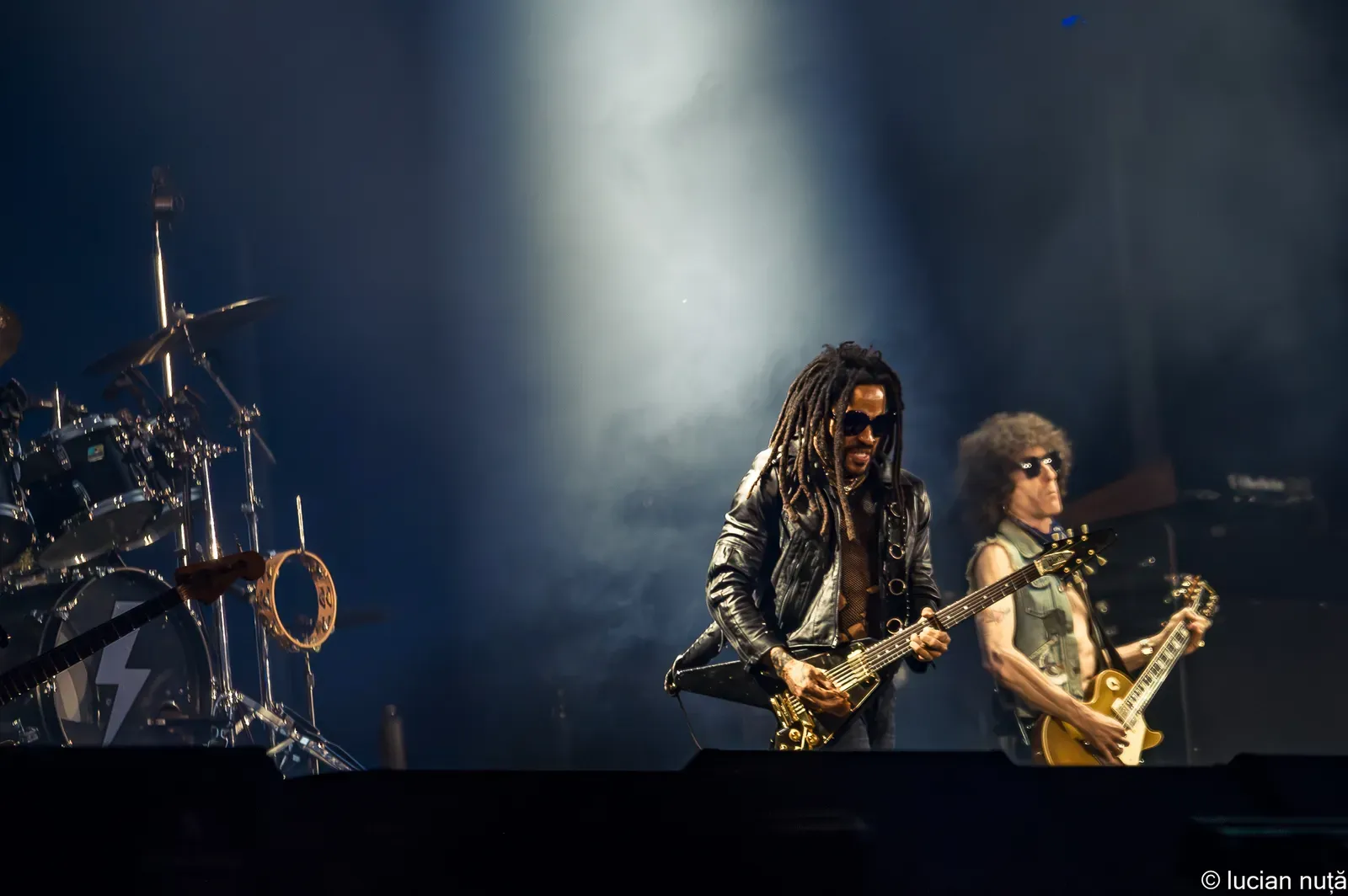
Lenny Kravitz burst onto the scene in 1989 with “Let Love Rule,” an album where he played almost every instrument himself. His debut album is a warm, analog love letter to the ’60s and ’70s, complete with psychedelic guitars, gospel-inspired vocals, and DIY vibes. He played nearly every instrument himself, fusing funk, rock, and soul into a raw, retro-modern blend. “Let Love Rule” is less a slogan and more a mission statement, delivered groove by groove.
Kravitz is often underestimated in this conversation, I think, because he makes it all look effortless. Honestly, that’s a kind of mastery in itself. His sound is so organic, so rooted in real instrument tones, that listeners rarely stop to wonder how many hands were responsible for every note.
Lenny Kravitz is counted alongside artists like Prince, Paul McCartney, Dave Grohl, and Trent Reznor as one of the rockers who played every instrument and sang on an album. That company alone says everything about the caliber of what he achieved. His multi-decade career, built on the same self-reliant principles, continues to stand as one of music’s most unique stories.
A Few Honorable Mentions Worth Knowing

The eight artists above represent some of the most celebrated names in this territory, but the tradition of the one-person album runs deeper than any single list can capture. John Fogerty was also an early example of this type of musicality, performing his entire solo albums on his own after departing from Creedence Clearwater Revival. Pete Townshend of The Who also did it with his first solo venture.
Mike Oldfield, just 19, played nearly every note on his 1973 genre-defying work “Tubular Bells,” fusing rock, folk, and classical into something wholly new. Thanks to The Exorcist, its opening motif remains iconic, but the full journey is a labyrinth of layered brilliance. That album literally launched a record label, Virgin Records, and changed how the industry thought about progressive instrumental music.
It’s hard to say for sure who among these artists faced the greatest challenge. Each came to the solo studio approach from a different place: grief, perfectionism, genius, defiance, or all of the above at once. For some, it was only a one-off scenario, and for others, it was their whole career. Either way, the results they left behind are extraordinary.
What Drives a Musician to Do It All Alone?

It’s a fair question, and the answers vary more than you might expect. Sometimes it is about trust, or the lack of it. Sometimes it is about hours. Those who worked with Prince said he could move from drums to bass to synthesizer in a single studio session, barely breaking a sweat. When you operate at that speed, waiting for other musicians to catch up probably feels like watching paint dry.
For others, the studio itself becomes a deeply private space. Parker records in his home. Grohl recorded his debut essentially in secret, not even putting his real name on the first pressings. Reznor built his sound in off-hours at a studio where he swept floors. These aren’t stories of ego. They’re stories of obsession, the kind that produces something entirely irreplaceable.
There is also something to be said about the sonic coherence that emerges when one mind controls every element. Prince’s relentless perfectionism and boundary-breaking creativity resulted in a sound uniquely his own, blending funk, rock, and pop into something the world had never heard before. That kind of internal consistency is almost impossible to manufacture with a committee. It has to come from one place, one person, one vision.
What do you think, could you name a one-man album that deserves to be on this list? Drop your pick in the comments.