


The Cannes Film Festival has a complicated relationship with greatness. Since its inception in 1946, the festival has hosted premieres for some of the most influential movies in cinematic history, while also producing its fair share of heckles and boos for films not up to its audiences’ often cryptic sensibilities. That tension between immediate reaction and lasting worth is one of cinema’s most persistent stories.
A boo at Cannes doesn’t necessarily signal failure. Sometimes it signals the opposite. The films below were met with laughter, walkouts, and jeers on the Croisette – only to be reassessed as essential works that changed what cinema could be. Here are eight of the most striking examples.
1. L’Avventura (1960)


Despite its eventual lionization by film scholars, Michelangelo Antonioni’s film received a harsh reception at its opening in May at the 1960 Cannes Film Festival – one of the festival’s more notorious reactions. From the opening titles, despite the film’s serious tone, laughs erupted in a dark theater packed with critics and photographers, and continued through the runtime, joined by boos.
Antonioni and lead actress Monica Vitti, who claimed she was sobbing, fled the theater. The next day, however, the filmmakers were sent a list of signatures from established filmmakers and writers who declared that L’Avventura was the best film screened at Cannes. After a second screening, the film went on to win the Jury Prize at the same festival. By deploying the unique powers of film, L’Avventura influenced the very language and grammar of cinema, changing forever how subsequent films would be made and looked at – arguably, very few films in history have broken the standard rules of filmmaking so elegantly and so subtly.
2. Taxi Driver (1976)


Martin Scorsese’s Taxi Driver is widely considered one of the greatest movies ever made, so it’s never not shocking to hear the film got its start with boos and walkouts at the Cannes Film Festival. The jury president for that year, Tennessee Williams, criticized films in the programme for taking “a voluptuous pleasure in lingering on terrible cruelties,” and Taxi Driver’s violent conclusion was met with boos at the premiere.
Scorsese was supposedly so spooked by the outrage that he left Cannes early – but he needn’t have worried too much, as Taxi Driver won the Palme d’Or and became more highly acclaimed the more people around the world saw it. In the film, violence is used not to attribute justice, but to denounce loneliness, alienation, self-depreciation, rejection, and frustration. Scorsese took a huge step in approaching violence and everyday madness that no one had done before – and it was hard to appreciate from the very beginning.
3. Wild at Heart (1990)


David Lynch’s violent, brilliant film Wild at Heart went on to win the Palme d’Or at Cannes, but not before receiving boos from a contingent of people who thought it had gone too far. Completing the film’s final cut just a day before it premiered at Cannes, initial screenings were generally positive, but once Lynch was announced as the winner of the Palme d’Or, thunderous boos from the crowd drowned out any notions of celebration.
A sort of macabre Wizard of Oz, Lynch’s Wild at Heart was awarded the festival’s Palme d’Or in one of the festival’s most controversial judgements to date. Critically divisive and commercially disappointing, Wild at Heart, like many of Lynch’s works, was critically reevaluated in later years and has come to mark a defining moment in Lynch’s storied career.
4. Twin Peaks: Fire Walk with Me (1992)
A prequel to Lynch’s beloved television series Twin Peaks, his cinematic spinoff Twin Peaks: Fire Walk with Me premiered at the Cannes Film Festival on May 16, 1992, garnering less than enthusiastic reviews. Lynch’s Fire Walk with Me received a staggering ten straight minutes of boos, according to one of the film’s stars, actor Ray Wise. This Twin Peaks prequel had been largely alienating at the fest due to surrealistic imagery and cruel violence.
Critically polarizing and commercially unviable, Lynch’s Fire Walk with Me tanked at the box office, totally dashing production’s hopeful plans for a sequel. Like much of Lynch’s work, it underwent a critical reassessment in later years, going on to become a staple in the genre-defying filmmaker’s expansive catalogue. Today it is widely regarded as one of the most emotionally devastating entries in Lynch’s body of work, a film that rewards patience in ways the Cannes crowd simply weren’t prepared for in 1992.
Partner offer

5. Pulp Fiction (1994)

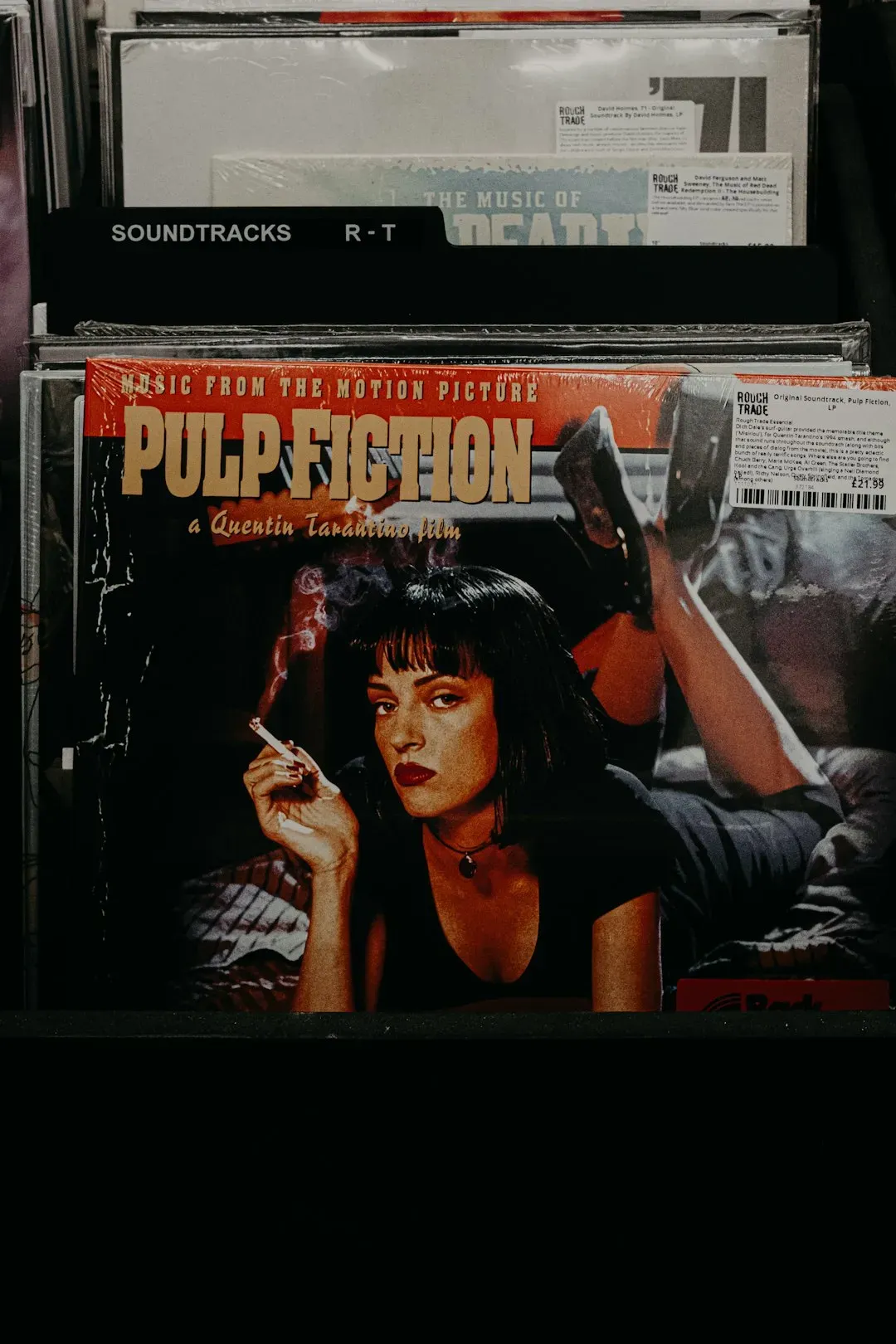
When Quentin Tarantino’s neo-noir classic Pulp Fiction premiered at the Cannes Film Festival in May 1994, audiences were blown away by its graphic depiction of crime, drug usage, and violence. Pairing unconventional storytelling with Tarantino’s hallmark no-holds-barred style, Pulp Fiction was that year’s most polarizing entry, both delighting and disgusting the audience in equal measure.
The Cannes audience didn’t boo Pulp Fiction when it first screened to much adulation – it was when the film won the Palme d’Or over Krzysztof Kieślowski’s Three Colors: Red that some at the festival took issue and started a small wave of jeers. The resentment over that jury decision lingered for years in cinephile circles, though Pulp Fiction’s stature has only grown since, now sitting near the top of nearly every serious ranking of films from the 1990s.
6. Dancer in the Dark (2000)

Lars von Trier’s 2000 musical drama Dancer in the Dark, despite a very public feud with its main star and being booed at its Cannes Film Festival premiere, went on to win the Palme d’Or. After the screening, the auditorium filled with booing and cheering – so equal in measure that people started booing or cheering at each other. Critics either heralded it as a masterpiece or derided it as an experimental mess.
Dancer in the Dark is a psychological tragedy musical film written and directed by Lars von Trier, starring Icelandic musician Björk as a factory worker who has a degenerative eye condition and is saving for an operation to prevent her young son from suffering the same fate. In 2025, Dancer in the Dark was one of the films voted for The New York Times’ list of “The 100 Best Movies of the 21st Century,” finishing at number 21.
7. Marie Antoinette (2006)

Sofia Coppola’s Marie Antoinette takes the historical epic and turns it into a punk rock contemporary coming-of-age movie, which generated boos at Cannes reportedly because it threw French history to the wind and seemingly relished in the monarchy’s decadent wealth instead of criticizing it. Though many critics lauded Coppola’s daring direction and impeccable production design, some took umbrage with her largely sympathetic depiction of Antoinette, and the film was met with a “trumpet blast of boos” when it premiered at the French film festival.
Starring Kirsten Dunst as the film’s titular queen, the film has garnered a cult following in the two decades since its release, but its initial critical reception was less than warm. The film has garnered more critical acclaim over the years, and is now frequently cited as one of the purest expressions of Coppola’s aesthetic sensibility – its anachronistic soundtrack, pastel-drenched visuals, and deeply empathetic portrait of a young woman trapped by circumstance feel as fresh in 2026 as they were divisive in 2006.
8. The Tree of Life (2011)

Terrence Malick’s metaphysical epic, featuring dinosaurs, galactic imagery, and Jessica Chastain, was booed by audiences who just wanted a linear story, or at least a clear point. Instead, they got a meditation on grief, grace, and the cosmos. Brad Pitt plays a strict 1950s father, while Sean Penn wanders through modern architecture looking confused. The film was either an existential masterpiece or a pretentious snoozefest, depending on who you asked.
Continuing the trend of Palme d’Or winners getting booed was Terrence Malick’s epic The Tree of Life. While most in the audience adored the film, there was a very small, very vocal group who took issue with the film’s grandeur, booing the film as it ended. Widely considered a masterpiece in filmmaking, Malick’s examination of humanity spans the ages and is a beautiful film – yet the meditative pace and ambitious scope seemed to alienate many in attendance, who were later silenced as the film won the Palme d’Or.
What ties all eight of these films together isn’t stubbornness or shock value. It’s that each one refused to meet the audience where they were comfortable. Cannes crowds are sophisticated, but sophistication doesn’t always equal openness to the genuinely new. The boo, in many of these cases, turned out to be a strange kind of confirmation – proof that something unfamiliar and lasting had just arrived on screen.
Partner offer
Planning a trip to Vegas?
Compare hotel rates and show tickets on VEGAS.com.


