We tend to think we know everything about . The Beatles changed rock, Elvis shook his hips into immortality, and Hendrix redefined the guitar. Those names are everywhere, practically tattooed into our collective consciousness.
Still, some of the most influential musicians in history remain oddly invisible. They built the foundations that the superstars stood on, yet their names barely register today. These forgotten legends didn’t just contribute to music. They fundamentally reshaped it, paving roads that entire genres would later travel.
Let’s dive in and meet the innovators who deserve far more credit than they’ve received.
Sister Rosetta Tharpe: The Godmother Who Electrified Everything

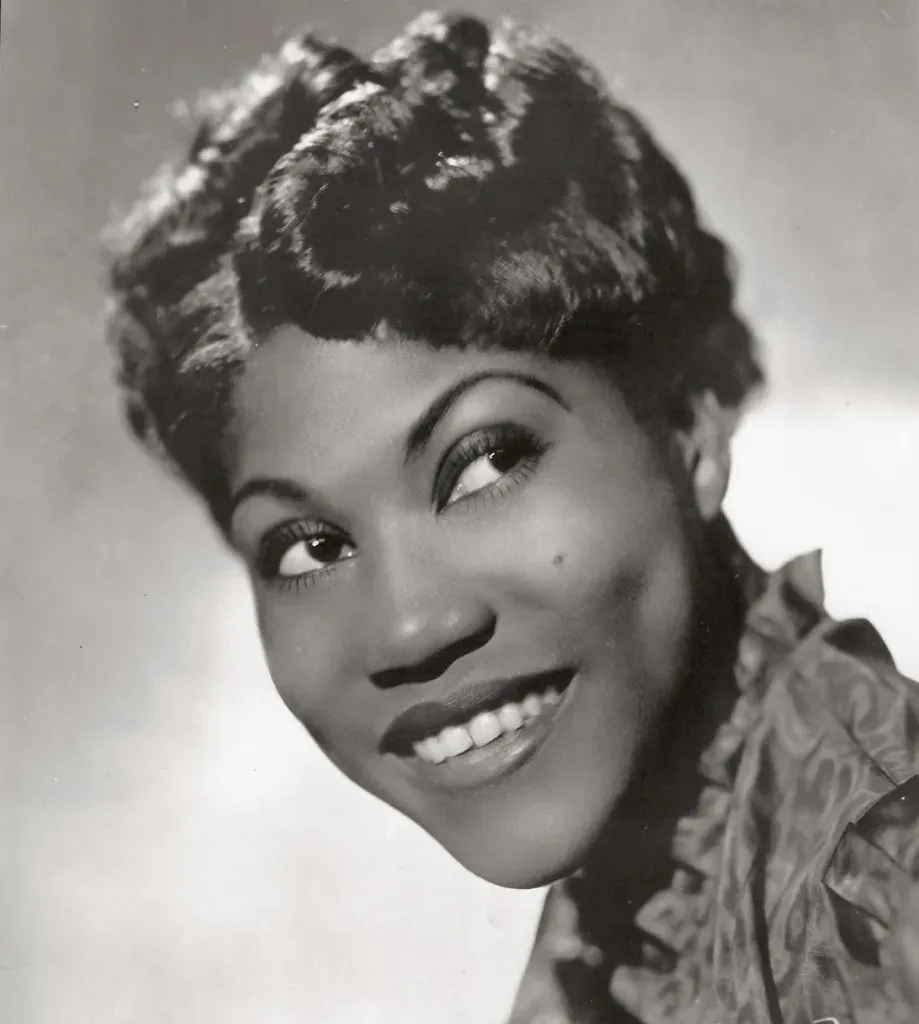
Born in 1915, Sister Rosetta Tharpe became a pioneering force in gospel music during the 1930s and 1940s, merging spiritual lyrics with electric guitar in a way no one had heard before. Honestly, calling her just a gospel singer feels like an insult. She became the first great recording star of gospel music and influenced early rock-and-roll musicians, including Tina Turner, Little Richard, Chuck Berry, Johnny Cash, Carl Perkins, Elvis Presley, and Jerry Lee Lewis.
Chuck Berry once said his entire career was one long Sister Rosetta Tharpe impersonation. Little Richard called her his greatest influence and Tharpe was the first to put him on stage, a tale Richard recounts in his autobiography, while Elvis Presley, Carl Perkins, Jerry Lee Lewis, and Johnny Cash were also all inspired by Tharpe. Think about that for a second. The people we consider rock pioneers were actually following in her footsteps.
Tharpe was a pioneer in her guitar technique and was among the first popular recording artists to use heavy distortion on her electric guitar, opening the way to the rise of electric blues. Her 1944 recording of Strange Things Happening Every Day was the first gospel song to reach the top 10 in Billboard’s race records chart, with some music scholars arguing that Tharpe’s rendition can be viewed as the first rock-and-roll song. Despite her heavy influence on rock and roll, she wasn’t inducted into the Rock and Roll Hall of Fame until 2017. Better late than never, I suppose.
Big Mama Thornton: The Voice Behind the Hits You Know

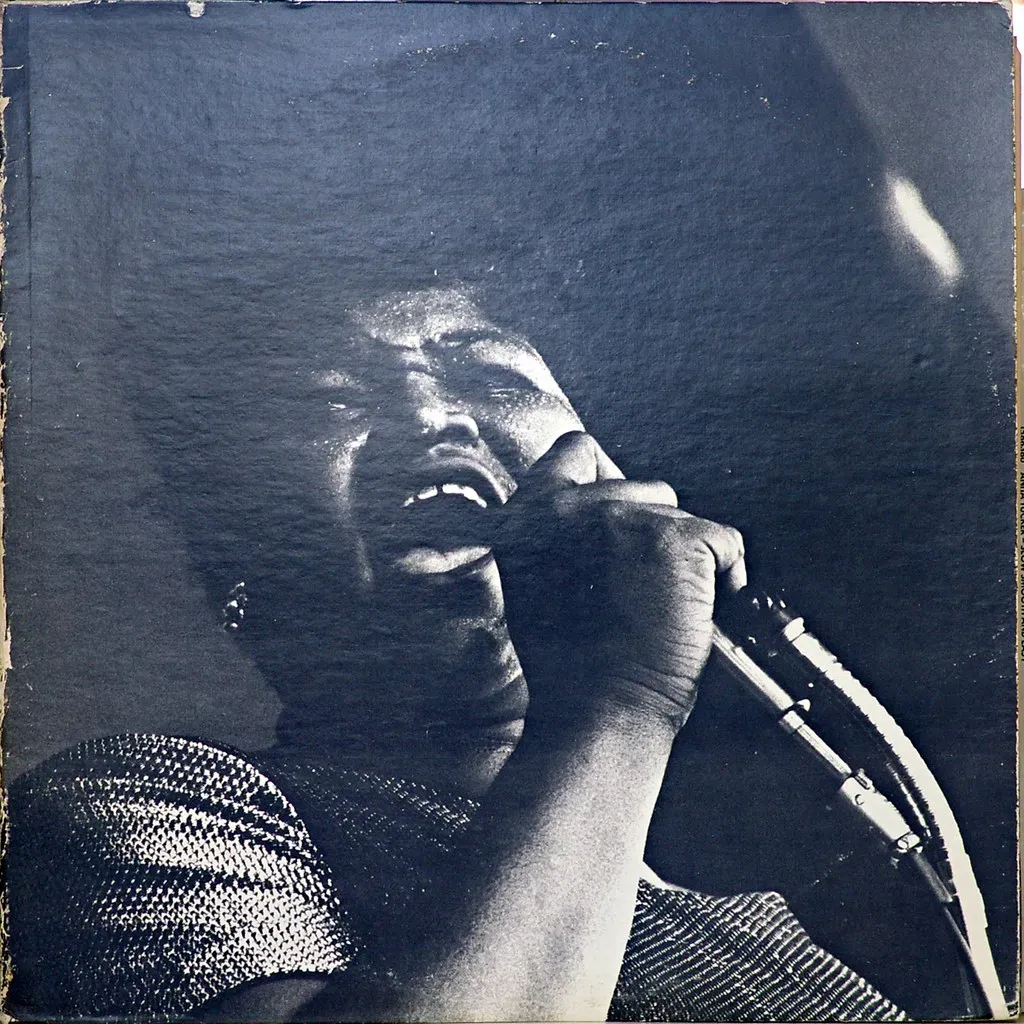
Willie Mae Big Mama Thornton was an American singer and songwriter of blues and R&B whose booming voice, sometimes 200-pound frame, and exuberant stage manner had audiences stomping their feet and shouting encouragement in R&B theaters from coast to coast from the early 1950s on. She gave us two songs that became cultural landmarks, yet most people have no clue she created them.
Thornton was the first to record Leiber and Stoller’s Hound Dog in 1952, which became her biggest hit, selling over 500,000 copies and staying seven weeks at number one on the Billboard R&B chart in 1953. She received a lifetime total of $500 for the song, even though Elvis Presley went on to make Hound Dog a rock-and-roll classic three years later. Five hundred dollars. Let that sink in. Meanwhile, Presley’s version became one of the defining songs of an entire era.
Thornton wrote 20 blues songs, and her Ball n’ Chain is included in the Rock and Roll Hall of Fame list of the 500 Songs That Shaped Rock and Roll. Though Thornton did not receive financial compensation for her song, Janis Joplin arranged for Thornton to open shows for her, and Joplin found her singing voice through Thornton, who praised Joplin’s version of Ball n’ Chain. In 2024, Thornton was selected for induction into the Rock and Roll Hall of Fame in the musical influence category. What took so long?
Arthur Russell: The Experimental Genius You’ve Never Heard Of


Charles Arthur Russell Jr. was an American cellist, composer, producer, singer, and musician from Iowa whose work spanned a disparate range of styles, and after studying contemporary composition and Indian classical music in California, Russell relocated to New York City in the mid-1970s, where he became involved in Lower Manhattan’s avant-garde community and later the city’s burgeoning disco scene. His music defied every imaginable category.
Due to his reluctance to conform to commercial expectations, Arthur Russell never achieved mainstream success, making him one of the most underrated yet influential musicians in modern history. Artists who have cited Russell as an influence include Dev Hynes, The Lemon Twigs and James Murphy, and James Blake named his club night and record label after Russell’s provisionally titled album 1-800-Dinosaur. The people who know, know.
Russell worked as musical director of the New York avant-garde venue The Kitchen in 1974 and 1975, but later embraced dance music, producing or co-producing several underground club hits under names such as Dinosaur L, Loose Joints, and Indian Ocean between 1978 and 1988. While the Velvet Underground blended the most potent and perfect mix of pop and avant-garde a decade earlier, it is perhaps Arthur Russell to whom the ’70s are owed when it comes to amalgamating seemingly contradictory musical forces in such revolutionary ways, as he was unquestionably its acne-scarred angel. I think that’s one of the most perfect descriptions ever written about an artist.
The Drifters: Architects of the Modern Sound

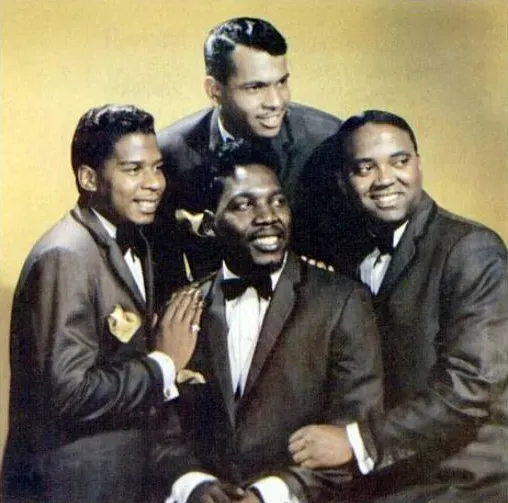
Ben E. King was this younger singer just coming up, yet he had this mature style that was so unusual, and people have said that There Goes My Baby was a very influential record because it helped set the stage for the Wall of Sound and Motown. The Drifters weren’t just another vocal group. They were sonic architects.
Thanks to a great arrangement by Stan Applebaum, the song showed us how rock & roll and strings could really work together. That might sound simple now, but back then, it was revolutionary. Upon Lewis’ death, Moore returned to the group in time for Under the Boardwalk, and they worked with the best songwriters in their world, as Doc Pomus and Mort Shuman came with perfect songs like This Magic Moment and Save the Last Dance for Me.
Partner offer

The Drifters created a blueprint that countless artists would follow. Their smooth harmonies and sophisticated arrangements influenced everyone from Motown acts to British Invasion bands. Yet somehow, they’re often treated as a footnote rather than the groundbreaking innovators they truly were.
Bad Brains: The Hardcore Pioneers Who Changed Punk Forever

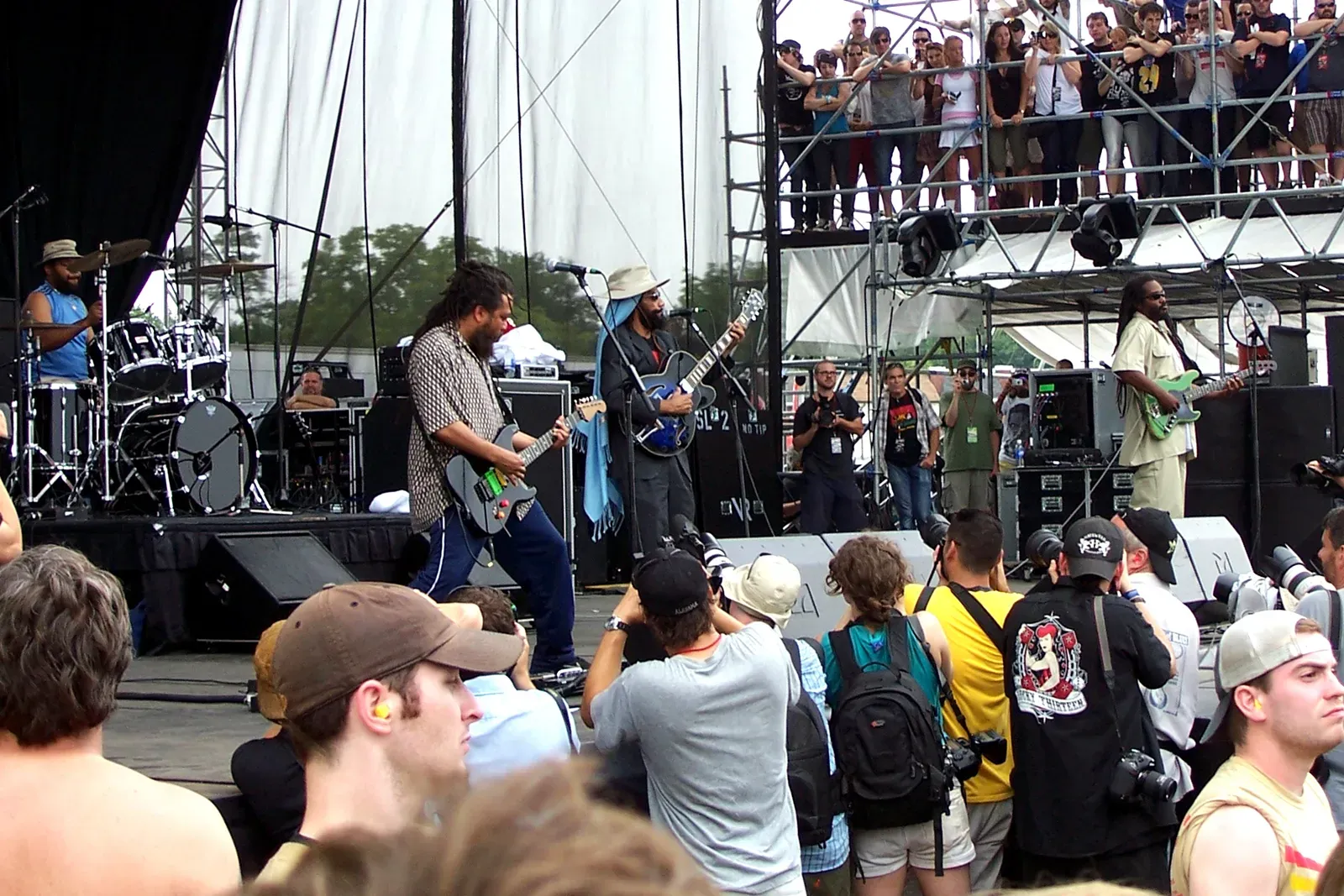
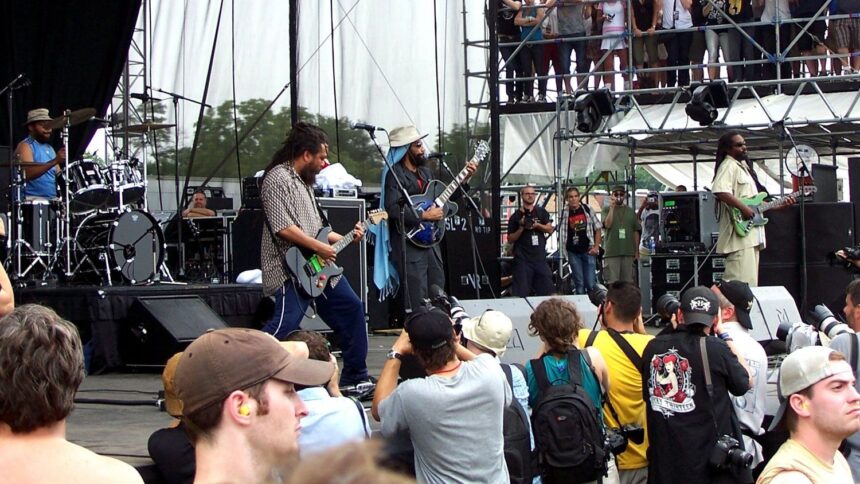
Bad Brains, the pioneers of the Washington, D.C., hardcore movement of the 1970s and 1980s, began as a jazz fusion group that gradually evolved into a punk band before acquiring the hardcore moniker, and since its formation, the group has released nine studio albums, all of which are regarded as historic triumphs crucial to the growth of underground rock in America. They brought an intensity to punk that nobody had seen before.
The major originators of hardcore punk, Bad Brains are renowned for their wild live performances that encouraged some of the best musicians of today to pick up instruments and get their smash on. Their shows were legendary. People didn’t just watch Bad Brains. They experienced them, body and soul.
What made Bad Brains truly unique was their fusion of hardcore punk with reggae influences, creating a sound that was both aggressive and deeply spiritual. They opened doors for countless bands to experiment with genre boundaries. Still, if you ask most people about punk pioneers, they’ll mention the Ramones or the Sex Pistols, rarely Bad Brains.
Brian Eno: The Invisible Hand Behind Your Favorite Albums


Brian Eno is a composer, producer, songwriter, singer, visual artist, and musician who has spent more than 40 years contributing to the growth and popularity of ambient and experimental music, yet few people are aware of the man despite his work, as Eno has released 17 solo albums and has collaborated and contributed to a wide range of other bands, including Coldplay, Talking Heads, and David Bowie. His fingerprints are everywhere, even if his name isn’t.
Eno is incredibly prolific and influential, and artists from all over the world have commended his theories and methods for creating and recording music, and his contributions to the advancement of recording technology cannot be emphasized. Seriously, think about the albums you love. There’s a decent chance Eno had something to do with them.
He essentially invented ambient music as a genre and revolutionized how we think about sound production. From U2 to David Bowie to countless electronic artists, Eno’s influence ripples through generations. Yet he remains curiously underrated in mainstream conversations about .
MC5: The Political Fire That Ignited Punk


The popularity and spread of various musical genres were considerably aided by this band from Michigan. MC5 didn’t just play music. They weaponized it. Their performances were raw, political, and absolutely explosive.
MC5’s 1969 album Kick Out the Jams captured the visceral energy of their live shows and became a blueprint for punk rock years before the genre had a name. Their fusion of garage rock, free jazz, and radical politics created something genuinely dangerous and new. They influenced everyone from the Ramones to Rage Against the Machine.
The band’s political activism and confrontational style got them blacklisted by much of the music industry, which probably explains why they’re not as celebrated as they should be. They were too radical, too uncompromising, and too ahead of their time. Now, decades later, we can see just how prescient their vision was.
Steve Earle: The Nashville Outsider


Since Steve Earle has long been a mainstay of the Nashville music industry, it’s shocking when anyone hasn’t heard of this iconic musician, as Earle put out his debut EP in 1982 and gained popularity with his album Guitar Town in 1986, yet we seldom ever hear anyone mention him when talking about famous performers or significant figures in . He bridges country, rock, and folk in ways few artists can.
Earle is recognized with penning and helping record some of the biggest names in music, including Johnny Cash, Waylon Jennings, and Emmylou Harris, to mention just a few. His songwriting has depth and grit that feels increasingly rare in modern country music. He writes about real people facing real struggles.
Earle has never played it safe, and that might be exactly why he’s underrated. He’s challenged the country music establishment, written politically charged songs, and refused to be pigeonholed. His influence on Americana music is massive, even if his name doesn’t get dropped as often as it should. Did you expect that?
These eight legends remind us that is far more complex than the highlight reel we usually get. The innovators who shaped our favorite sounds often remain in the shadows while others take the spotlight. What do you think about it? Tell us in the comments.
Partner offer
Planning a trip to Vegas?
Compare hotel rates and show tickets on VEGAS.com.