Most people picture a novelist at a quiet desk with a view and endless afternoons. The real stories are often messier. Plenty of well-known books began in the gaps of a working day, between meetings or somewhere along a rail line.
This list gathers eight books and authors tied to those stolen minutes. In a few cases the writing happened on the train or on a lunch hour. In others the commute or the break was the spark. Each entry says which it was.
Presumed Innocent by Scott Turow

Turow is probably the clearest example of a bestseller written on a commute. He began writing Presumed Innocent on the morning commute to his job as a lawyer in Chicago, around 1980. He used the half hour of the ride in, and he wrote longhand in spiral notebooks.
The payoff was large. Published in 1987, the book sold millions of copies. A 1990 film with Harrison Ford made Turow instantly famous. He recalls the book bringing in about three million dollars in guarantees before it reached bookstores or theaters.
The Warded Man by Peter V. Brett
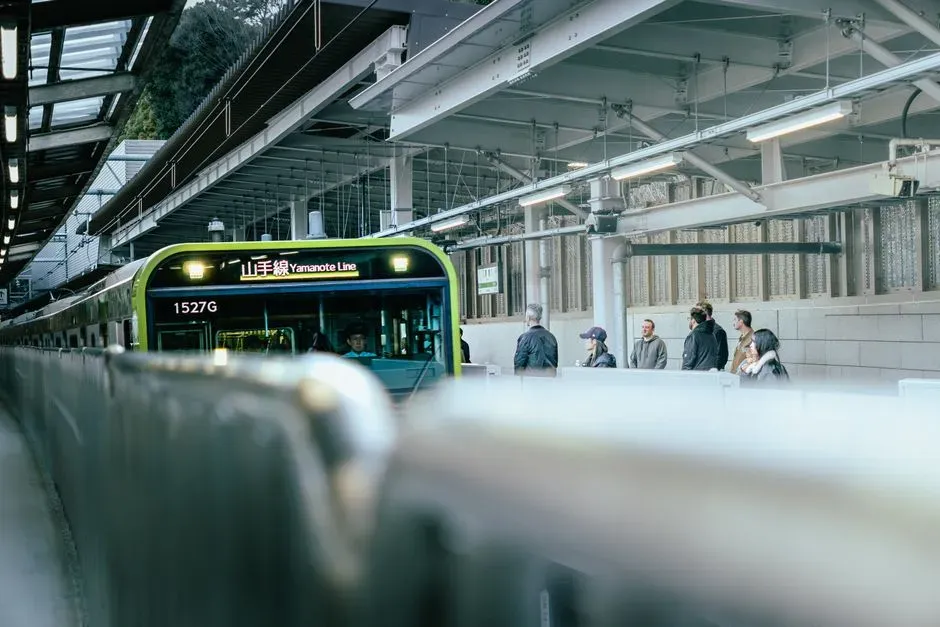
Brett’s debut fantasy was drafted largely on a phone, on the subway. A New York Daily News article described how he wrote a significant portion of The Warded Man while riding to work. His commute ran about forty-five minutes, on the F train into Times Square.
He committed to the habit. After trying it for a while, he realized he could write from anywhere and promised himself he would write on the train every day. By his own estimate, about one hundred thousand words of the book came from the phone.
A Curse So Dark and Lonely by Brigid Kemmerer
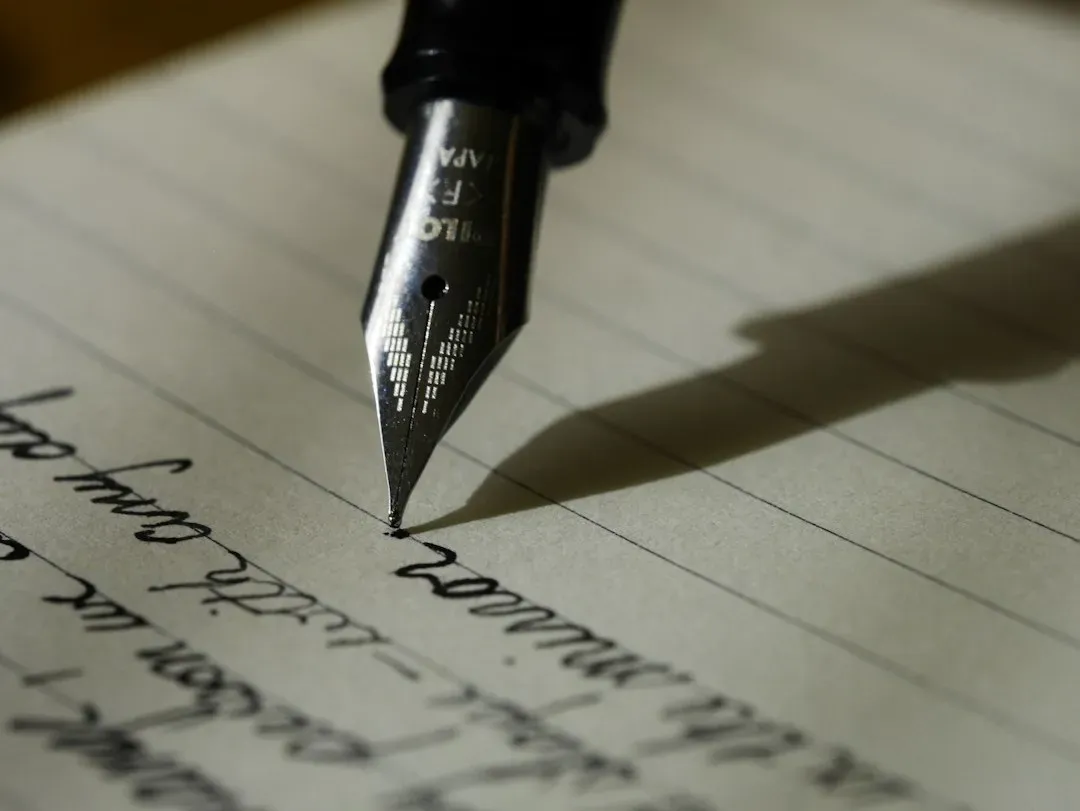
Kemmerer worked in finance for years while chasing a writing career. She became a licensed stockbroker, and she wrote early in the morning, late at night and during her lunch hour. That routine ran for a long time before anything paid off.
The turn came with a book she revived. She pulled out an old, previously rejected manuscript and rewrote its first seventy-five pages. That book, A Curse So Dark and Lonely, became her first New York Times bestseller and paid enough for her to leave her day job. The book itself was reworked from earlier drafts, but the discipline behind it came from those lunch hours.
The Shopaholic Author Sophie Kinsella’s First Novel

This entry is about a start rather than a single title. Madeleine Wickham, who writes as Sophie Kinsella, was a financial journalist who found the work uninspiring. She ended up writing her first novel during her lunch hours and at night.
That early habit preceded a much bigger career. She went on to create the popular Confessions of a Shopaholic series. The first novel was not the Shopaholic book, so treat this as the origin of a bestselling career rather than of one famous title.
The Girl on the Train by Paula Hawkins
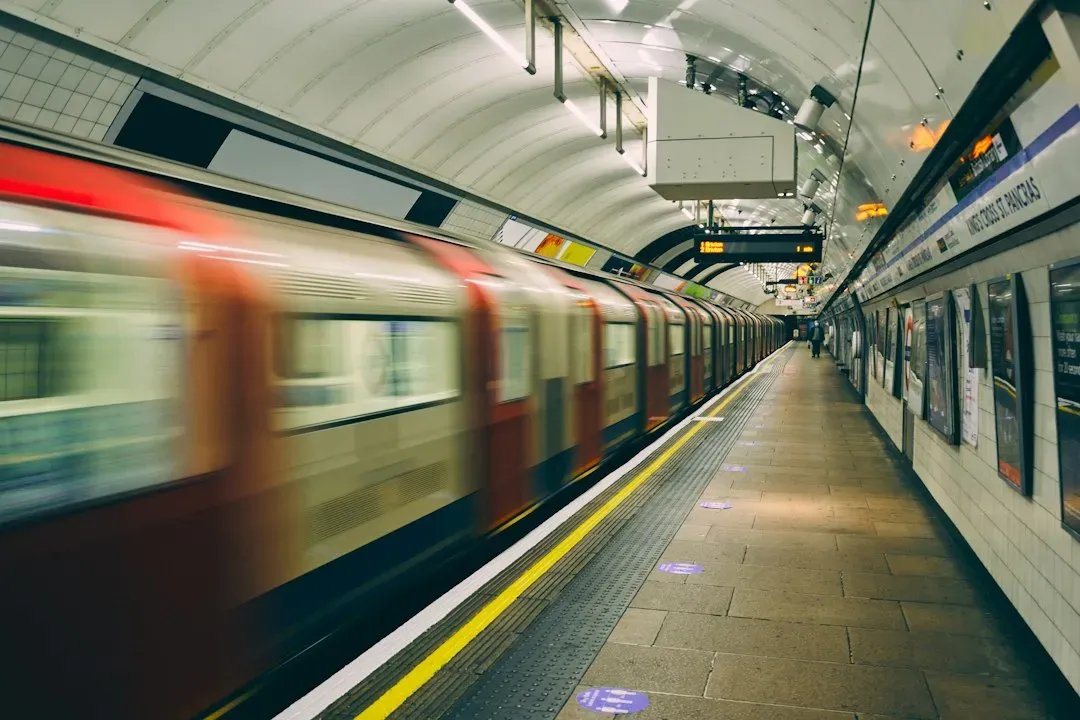
Here the commute was the inspiration, not the writing room. A London Evening Standard piece carried the headline that her District line commute inspired the bestselling thriller. The premise grew from that setting. The story follows a heartbroken woman who lives vicariously through a couple she passes every morning on her train into London.
The sales were remarkable. Since its January release in 2015, it broke sales records in the U.K. In 2016 it was the most frequent weekly number one on the New York Times fiction list, with ten weeks at the top.
Harry Potter and the Philosopher’s Stone by J.K. Rowling
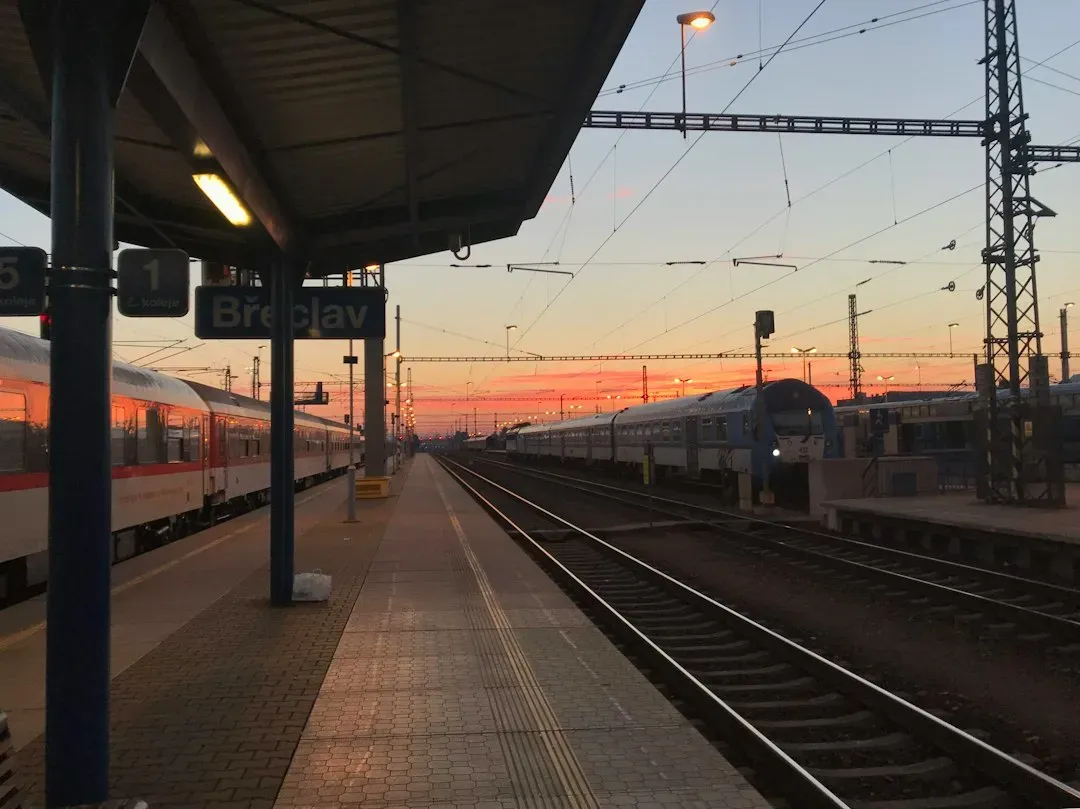
The idea for Harry Potter famously arrived on a train. In 1990 Rowling was travelling from Manchester to London when the service was delayed, and the image of the boy wizard took shape during the wait. Most of the actual writing happened later and elsewhere, so this is a commute origin story rather than a commute manuscript.
Still, it earns its place on a list about borrowed time. The series grew into one of the best selling book franchises in publishing history. A stalled train turned out to be a very productive place to think.
Out of the Black by Lee Doty
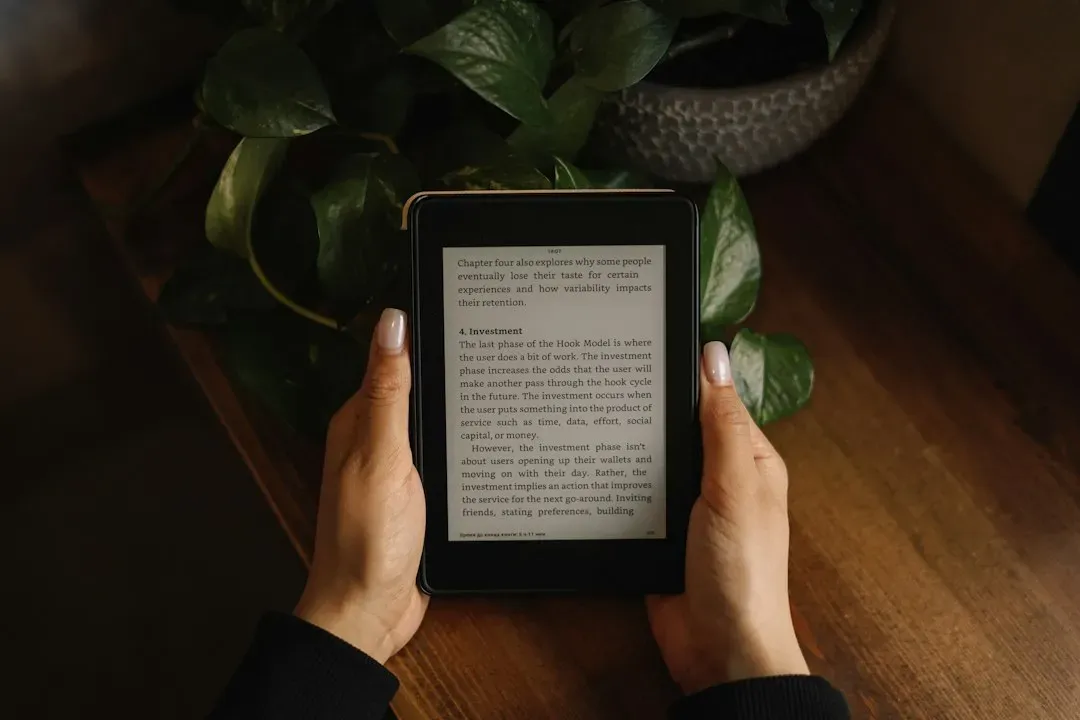
Doty’s story belongs to the e-book era. A software engineer at an international investment bank, he used his long commute to write his first novel, Out of the Black. The book mixes cop thriller, science fiction and fantasy.
Its sales curve was unusual. Originally published print on demand, it jumped from about twenty sales a month into the thousands once formatted for e-readers. It topped Amazon’s 2011 Kindle sales rankings for fantasy and science fiction. That is a genre chart result rather than a global list, but it shows how a commuter manuscript can find an audience.
Lunch Poems by Frank O’Hara

The title says it all. O’Hara worked at the Museum of Modern Art, rising from clerk to associate curator. Many of his poems were written in his MoMA office or on his daily lunch break.
The collection arrived in 1965 while he was still working at the museum. It is poetry, so it plays by different sales rules than a thriller, yet it remains a widely read and often cited book. It is a fitting final entry, since the lunch break is written right into its name.