Hollywood loves a good ghost story, and sometimes the scariest ones happen off camera. Over the decades, a handful of productions have picked up reputations so grim that cast and crew started whispering about curses instead of coincidence. Whether it was freak weather, tragic accidents, or a string of deaths that followed a film long after the cameras stopped rolling, these eight sets left a mark that outlasted the movies themselves.
The Exorcist (1973)
Few productions carry the weight of dread quite like William Friedkin’s original horror classic. The filming of The Exorcist was done over a nine-month period, with the main set, a reproduction of the Georgetown home, built in a warehouse in New York. During that stretch, the MacNeil house set burned down, delaying filming by six weeks, and then the sprinkler system broke, delaying a further two weeks. Oddly, Regan’s bedroom, where the exorcism is performed in the film, was the only part left unscathed.
The injuries and losses piled up in ways that still unsettle people who research the production. A carpenter accidentally cut off his thumb on the set and one of the lighting technicians lost a toe. Star Ellen Burstyn has spoken about the human cost beyond the physical accidents, recalling that “there were many deaths on the film… Linda’s grandfather died, the assistant cameraman’s wife had a baby that died, the man who refrigerated the set died, the janitor who took care of the building was shot and killed.” The unease got so bad that a Jesuit priest and professor of theology from Georgetown University was called to the set to bless it and calm the cast and crew down.
Poltergeist trilogy (1982-1988)
The Poltergeist films built their reputation on a haunted suburban house, and real life seemed determined to echo the plot. The legend took hold after four actors connected to the ’80s film trilogy, O’Rourke, Dominique Dunne, Julian Beck and Will Sampson, died during or after filming. Dominique Dunne’s death was especially shocking, since Sweeney grabbed Dunne’s neck, choked her until she was unconscious, and left her to die in her Hollywood home’s driveway, just months after the first film hit theaters.
Heather O’Rourke’s death struck an even more personal chord because of her age and her central role as Carol Anne. She collapsed and suffered a cardiac arrest, and after being airlifted to a children’s hospital in San Diego, died during an operation to correct a bowel obstruction. Julian Beck and Will Sampson, who played the trilogy’s supernatural antagonists, also passed away within a few years of filming their roles, from cancer and complications following a heart-lung transplant respectively. Her family has since pushed back on the mythology, noting plainly that the situation is simply “a lot of unfortunate circumstances.”
The Omen (1976)
If any production makes a strong case for cosmic bad luck, it’s this satanic thriller. Lead actor Gregory Peck was flying to London when lightning struck the plane, and shortly after, executive producer Mace Neufeld’s plane was also struck by lightning while en route to Los Angeles. Then, as if the sky wasn’t finished, writer David Seltzer’s plane was also struck by lightning, and while filming in Rome, lightning narrowly missed producer Harvey Bernhard.
The tragedy that followed was far darker than any weather event. Special effects designer John Richardson and his assistant Liz Moore were driving through the Netherlands when they were involved in a horrific car accident, and Moore was decapitated by a tire that smashed into their car. The eerie part is how closely that mirrored the film’s own plot, since a photographer helping Robert Thorn research Damien’s origins is killed when he is decapitated by a sheet of glass that falls off a construction vehicle. On top of the aerial mishaps, a plane hired by the studio to take aerial shots in Israel was switched at the last moment by the airline, and the clients who took the original plane were all killed when it crashed on takeoff.
The Crow (1994)
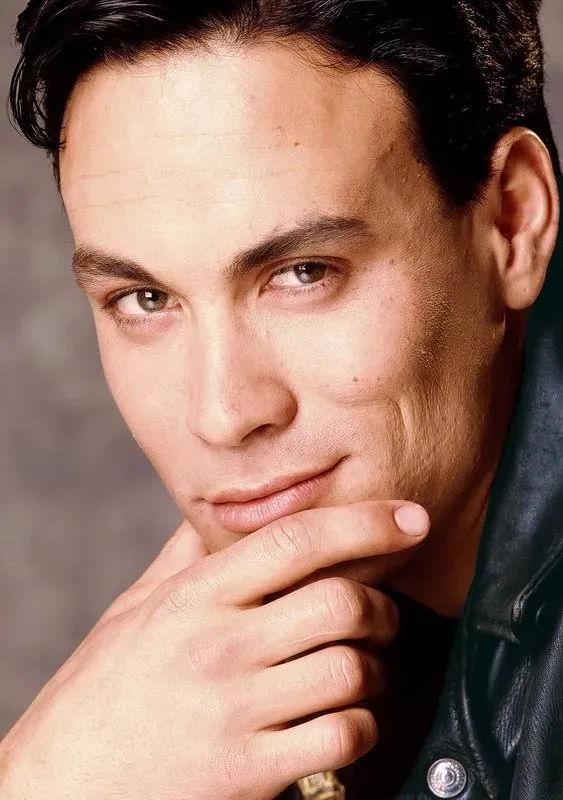
Brandon Lee’s death on this Gothic revenge film remains one of the most sobering tragedies in modern filmmaking. As Lee entered a room, another actor shot him from a distance of 15 to 20 feet, and though the gun was supposed to have been loaded with blanks, police later found that a bullet entered Lee’s abdomen and lodged in his spine. He died in the hospital hours later of internal injuries, blood loss and heart failure.
What made it worse was how preventable the accident turned out to be. Investigators determined it came down to negligence on the part of the film’s crew, since hollowed-out cartridges used for close-ups are supposed to be removed and replaced with blanks before filming resumes. Lee wasn’t the only person hurt during production either, since an electrician on the film was electrocuted and severely burned when a live wire connected with a piece of equipment improperly. The eerie parallel to his father, martial arts legend Bruce Lee, who also died young and unexpectedly, only deepened the sense that something dark surrounded the project.
Twilight Zone: The Movie (1983)

This anthology film’s Vietnam War segment turned into a real catastrophe that changed how Hollywood handles stunt safety forever. Morrow and the children, ages six and seven, were shooting a Vietnam War battle scene in which they were supposed to be running from a pursuing helicopter, when special effects explosions caused the pilot of the low flying craft to lose control and crash into the three victims. Six-year-old Renee was crushed by the right skid of the helicopter, and it then fell over, with the blade killing Morrow and seven-year-old Myca.
The aftermath revealed troubling details about how the shoot was run in the first place. The children had been hired illegally and were not working according to child labor laws. Director John Landis and four others faced charges, but Landis and four other defendants, including the helicopter pilot Dorsey Wingo, were acquitted of involuntary manslaughter after a trial that lasted nearly nine months. The tragedy pushed the industry toward stricter regulations, and it remains one of the clearest examples of how corner cutting on set can turn fatal.
Apocalypse Now (1979)
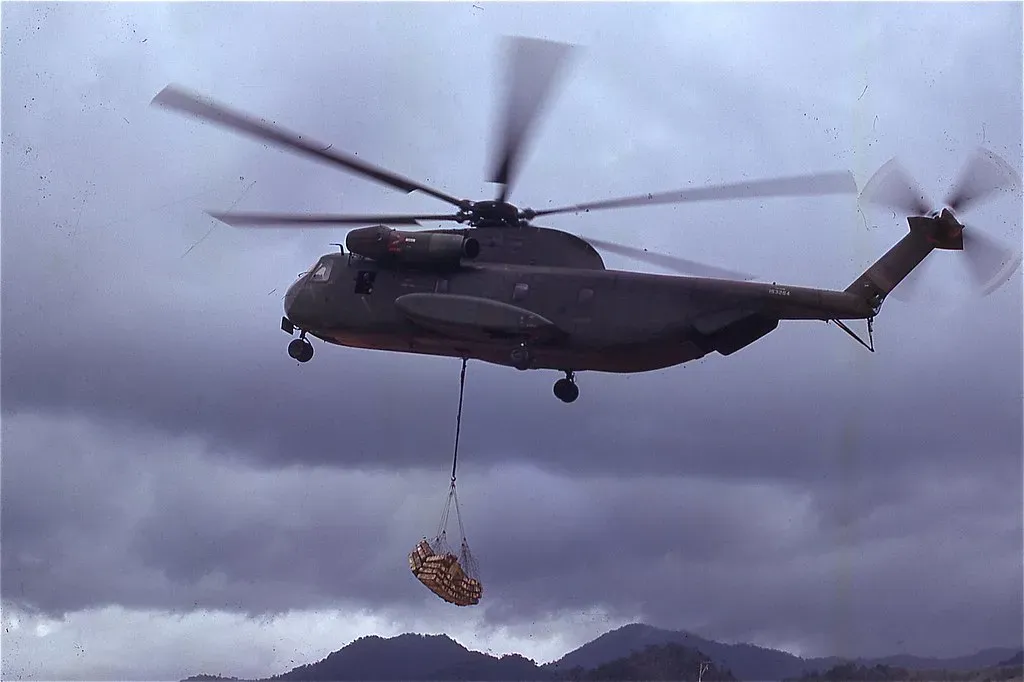
Francis Ford Coppola’s Vietnam War epic became almost as legendary for its chaos behind the camera as for the finished film itself. Shooting stretched on for well over a year in the Philippines, with a typhoon destroying sets that had to be rebuilt from scratch, and helicopters borrowed from the Filipino military were sometimes pulled away mid-shoot to fight actual rebel insurgents nearby. Martin Sheen suffered a heart attack during filming, at just 36 years old, brought on by the punishing conditions and personal stress of the shoot.
Marlon Brando arrived overweight and largely unprepared for his role, forcing Coppola to rework scenes on the fly, while Dennis Hopper’s erratic behavior added another layer of unpredictability to an already fraught set. The budget ballooned far past its original estimate, and Coppola reportedly threatened his own life at points during the grueling process of finishing the film. It eventually became a case study in how ambition, jungle heat, and geopolitical instability can combine into a genuinely cursed shoot, even without a single supernatural claim attached to it.
Rebel Without a Cause (1955)
This film’s off-screen tragedy didn’t unfold during production so much as in the years that followed, striking each of its three young leads in turn. James Dean, the film’s star, died in a car crash on a California highway before the movie even reached theaters, turning his performance into an eerie, posthumous farewell. The loss set an unsettling tone for a cast that seemed destined for more heartbreak.
Sal Mineo, who played the troubled Plato and earned an Oscar nomination for the role, was murdered outside his West Hollywood apartment in 1976, a case that went unsolved for years before an arrest was finally made. Natalie Wood, the film’s female lead, drowned in mysterious circumstances off Catalina Island in 1981, a death still debated and re-examined by investigators decades later. Three young stars from one film, each dying young and under troubling circumstances, is part of why this movie is still mentioned whenever the topic of Hollywood curses comes up.
Superman: The Movie (1978)
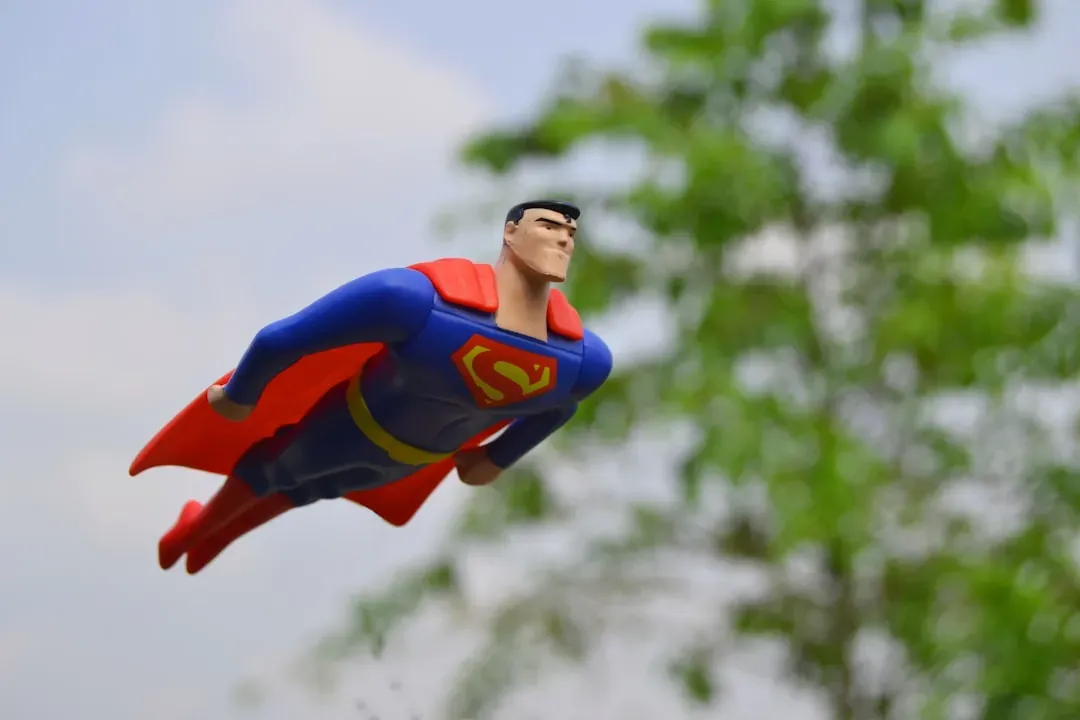
Long before Christopher Reeve put on the cape, the role of Superman already carried an unlucky reputation. George Reeves, who played the character in the 1950s television series, died by suicide in 1959 under circumstances that remain disputed to this day, and some believe he struggled with being typecast after the show ended. That history alone gave the franchise an uneasy legacy before Reeve’s 1978 film ever went into production.
The pattern continued in ways nobody could have predicted. Christopher Reeve was paralyzed from the neck down in 1995 after a horse riding accident, ending his acting career and changing the course of his life entirely. Margot Kidder, who played Lois Lane, later experienced a serious car accident and struggled publicly with mental health issues for years afterward. Richard Pryor, who appeared in a later sequel, also battled declining health tied to multiple sclerosis in the years following his involvement with the franchise, adding another chapter to what fans have long called the Superman curse.