Most of us picture a songwriter alone with a guitar, pouring their own heartbreak directly into lyrics that will eventually carry their name. That image is comforting, but it’s also often wrong. The pop music business has always run on collaboration, backroom deals, and the quiet transfer of songs between artists who never share a stage together.
Some of the most recognizable tracks in music history were born in studios by people who never performed them publicly. The singer on the cover gets the glory, but the pen behind the song belongs to someone else entirely. Here are eight of the most surprising examples.
“Nothing Compares 2 U” by Sinéad O’Connor – Written by Prince
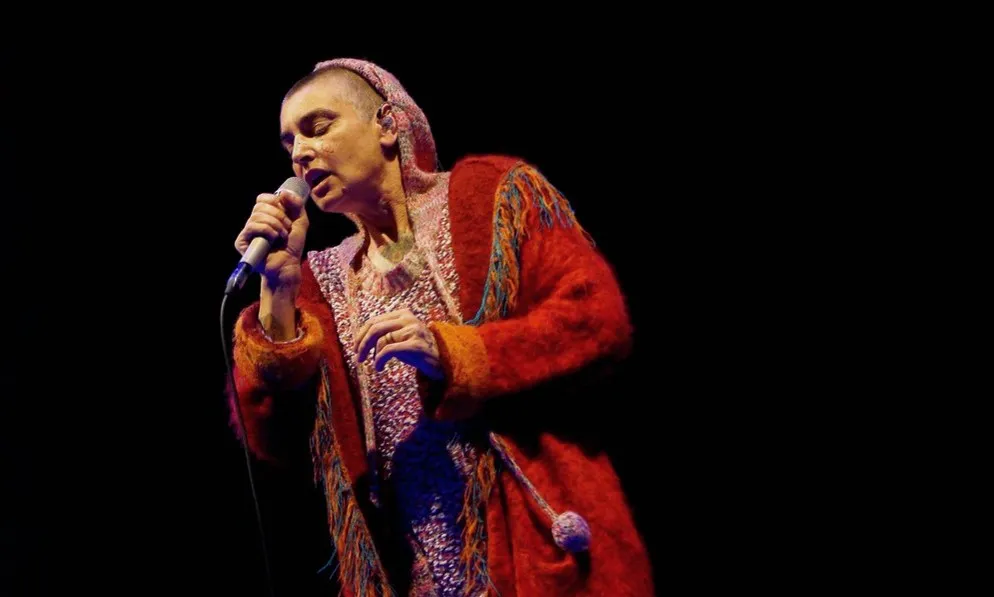
The Irish singer is best remembered for her 1990 cover of Prince’s “Nothing Compares 2 U,” a wounded ballad Prince wrote in 1984 and first gave to his funk-pop offshoot band The Family, who recorded it for their self-titled 1985 debut album. The Family version was never released as a single, and the song might have been completely forgotten had it not been for O’Connor.
Prince headed to the recording studio as soon as he stepped off the plane after a trip, and with only his studio engineer Susan Rogers present, he wrote and recorded an early version of the song in just a few hours. O’Connor’s version won three Moonmen at the 1990 MTV Video Music Awards, including Video of the Year, making O’Connor the first female artist to receive that award. The recording was also named the Number 1 World Single of 1990 at the Billboard Music Awards.
“Umbrella” by Rihanna – Written by The-Dream and Tricky Stewart
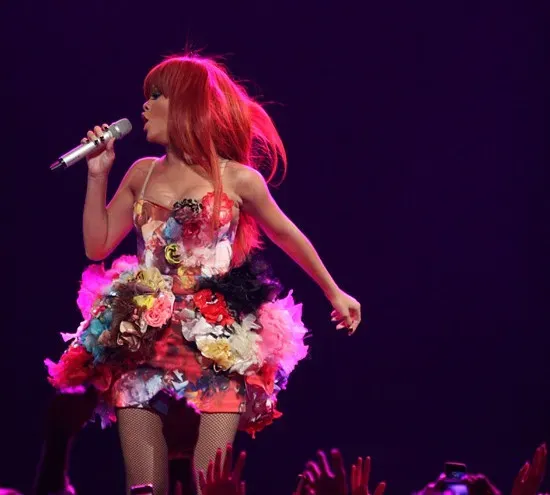
Originally, The-Dream and Tricky Stewart wrote the single with Britney Spears in mind. After her record label turned it down, the songwriting team thought it could go to Mary J. Blige. Blige loved the song, but Rihanna wanted it more. She reportedly cornered The-Dream at the 2007 Grammy Awards and told him, “Umbrella is my record.”
The-Dream freely admits the whole thing took only twelve minutes to write. “I knew ‘Umbrella’ was a hit, it didn’t matter who sang it. But I think it ended up in the best situation it could have been in. Before that song, Rihanna was just a pop-single girl.” The song topped the Billboard Hot 100 for seven consecutive weeks and reigned at the top of the UK charts for ten weeks, eventually selling more than six million copies worldwide.
“Party in the U.S.A.” by Miley Cyrus – Written by Jessie J
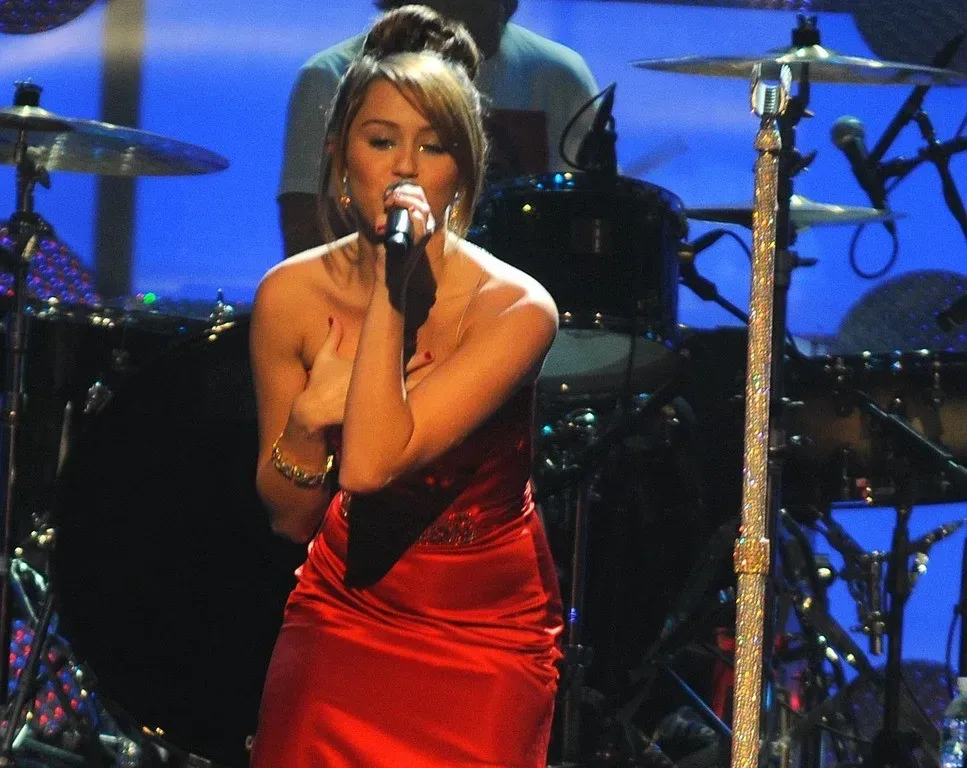
When Miley Cyrus wanted to move beyond her Disney Channel roots, she did so with the help of “Party in the U.S.A.,” co-written by British pop singer Jessie J. At first, Jessie J hoped to record it for herself, but after her version of the song was rejected, she handed it off to Cyrus, who turned it into a chart-topping hit. The song was an instant hit and spent 28 weeks on the Hot 100, where it reached number two.
It was Jessie J, along with Dr. Luke and Claude Kelly, who wrote the track, and Jessie initially intended on singing it herself. The label, however, didn’t agree, and the song ended up with Miley. In an interview with Glamour U.K., Jessie J admitted that the song earned her quite a bit of money, helping pay her rent for three years, which is why she eventually turned to songwriting to pay the bills.
“Irreplaceable” by Beyoncé – Written by Ne-Yo
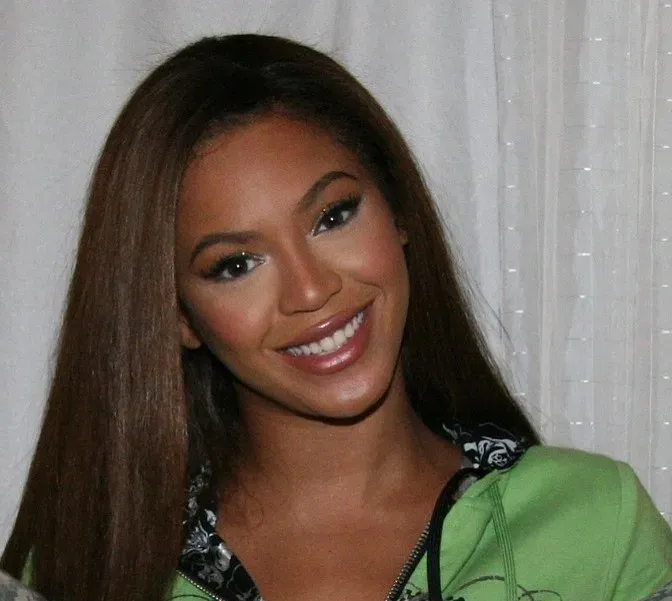
When the BeyHive hears Beyoncé sing “To the left, to the left,” they’re actually singing lyrics written by Ne-Yo. At the time, Ne-Yo was a rising solo star in his own right as one of the industry’s newest R&B singers, but he was in high demand as a songwriter for other artists. Ne-Yo originally wrote the song with a male perspective, but after some reworking, it became the female empowerment anthem that Beyoncé delivered with her trademark flair.
When Beyoncé released “Irreplaceable” in 2006, it quickly became one of her signature songs. The track’s catchy, relatable lyrics about moving on from a bad relationship were penned by Ne-Yo, a successful artist and songwriter in his own right. Ne-Yo reportedly regretted selling the song afterward, which is easy to understand given how completely it became identified with someone else.
“Diamonds” by Rihanna – Written by Sia
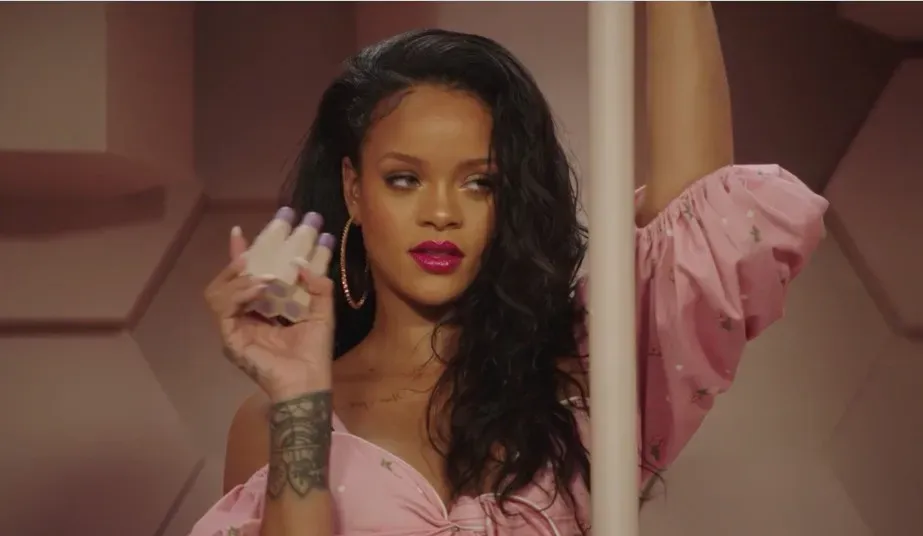
Sia had already written for Beyoncé a track she originally meant for Katy Perry, and then she wrote another massive hit for a separate artist: “Diamonds” for Rihanna. To make things even more impressive, Sia wrote “Diamonds” in only 14 minutes. A prolific pop music producing duo later spoke to Entertainment Weekly about recording the song for Rihanna, revealing that the singer loved Sia’s lyrics so much, and so adored how Sia sounded when she sang the track as a demo, that Rihanna spent days making sure to get the inflection and attitude just right.
The notoriously press-shy Sia is also an incredibly prolific songwriter, having penned a number of hit songs for artists like Beyoncé, Britney Spears, Kylie Minogue, and Rihanna. She co-wrote one of Rihanna’s biggest tracks, the 2012 hit “Diamonds.” Fourteen minutes of inspiration, years of chart success for someone else. That particular trade-off speaks volumes about how the modern pop machine actually works.
“Little Things” by One Direction – Written by Ed Sheeran
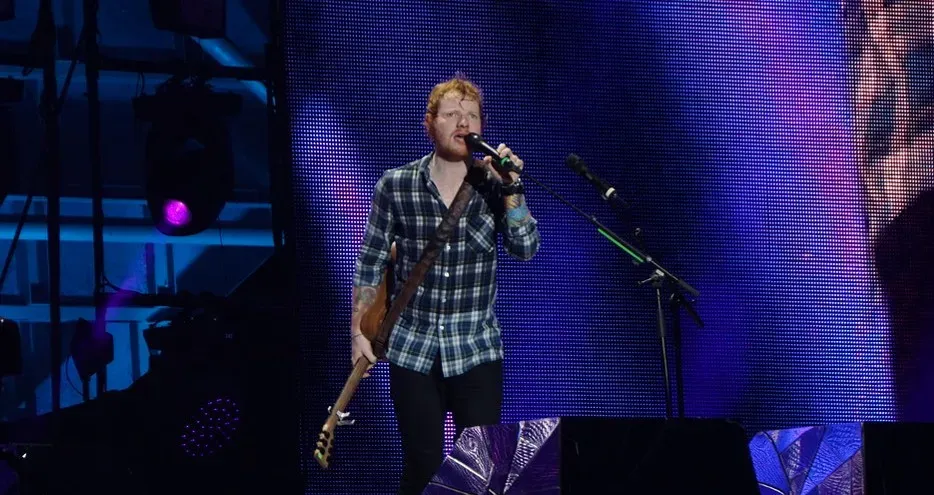
Ed wrote this song when he was 17 with singer Fiona Bevan, but it was shelved and forgotten about. When One Direction expressed interest in working with Ed for their second album, Fiona sent the track to him, and it was a perfect match. According to Ed, the two had actually lost the song years before, but she sent it to him saying, “remember this?” At the time, Ed was in the studio with the One Direction boys – he showed it to them and they were keen on it, so they decided to record it for their album.
Ed Sheeran was the mastermind behind One Direction’s hit song “Little Things.” The track features adorable lyrics that all 1D fans know and love. There’s a lot of history behind the song, as Ed wrote it when he was just 17 years old, long before he was the household name he is today. A throwaway teenage demo, rediscovered at exactly the right moment, ended up becoming one of a globally beloved boy band’s most cherished songs.
“Till the World Ends” by Britney Spears – Written by Kesha
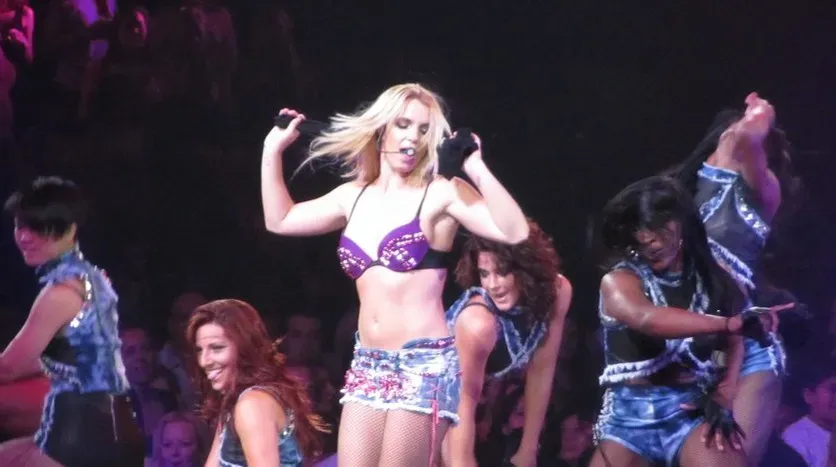
In 2011, Britney Spears released her seventh studio album Femme Fatale and re-established herself as one of the biggest stars in pop music. At that same time, Kesha was an artist on the rise with her own hit songs like “Tik Tok,” and for Spears she penned the hit single “Till the World Ends.” Co-written by Kesha, the song became a staple in Britney’s discography. Kesha’s influence is clear in the song’s party vibe and infectious chorus, characteristics that also define much of her own music.
Among Kesha’s many songwriting credits are tracks for artists like The Veronicas and the K-pop group Girls’ Generation. She also wrote for pop superstar Britney Spears, and the track “Till The World Ends,” which appeared on Spears’ 2011 album Femme Fatale, was a Kesha-written track. The irony is hard to miss. Kesha was busy building her own identity in pop while quietly handing one of her best tracks to the reigning princess of the genre.
“Pretty Hurts” by Beyoncé – Written by Sia (Originally Intended for Katy Perry)

Australian singer-songwriter Sia wrote the ballad and shared that she originally had Katy Perry in mind during the writing process. Sia sent an email offering Perry first dibs on the song, but when the singer missed the email, “Pretty Hurts” found itself in a custody battle between Rihanna and Beyoncé. When Rihanna’s team dragged their feet for eight months without paying to secure the track, Beyoncé’s team swept in.
Beyoncé’s 2013 song “Pretty Hurts” resonated with fans for its hard-hitting themes of eating disorders and feminism. Not everyone knows the song was not only written by another artist but was also originally intended for someone else. Sia wrote “Pretty Hurts,” the opening song to Beyoncé’s 2013 self-titled album. Three famous artists connected to a single song, and only one name ended up on the cover.
The songwriting credits buried in an album’s liner notes have always told a different story than the one the public typically sees. A great pop song tends to carry whoever sings it, making ownership feel absolute and unquestionable. These eight tracks are a useful reminder that the voice and the pen rarely belong to the same person, and that some of music history’s most enduring moments were born in rooms where the eventual performer wasn’t even present.