There’s a version of almost every great film that never made it to theaters. Somewhere in a studio vault, there’s a cut where the hero dies, the couple doesn’t reunite, and the villain escapes without consequence. Those versions got swapped out not because directors changed their minds, but because a room full of strangers with feedback cards said no.
The idea of test-screening a movie is almost as old as Hollywood itself, and with production budgets and marketing costs continuing to soar, studios want to know exactly how audiences are going to react before a film ever hits theaters. Endings in particular are known to often be changed based on focus group feedback, probably because it’s one of the most memorable parts of a movie. The eight cases below are among the most striking examples of that dynamic in action.
Blade Runner (1982) – The Voiceover Nobody Asked For
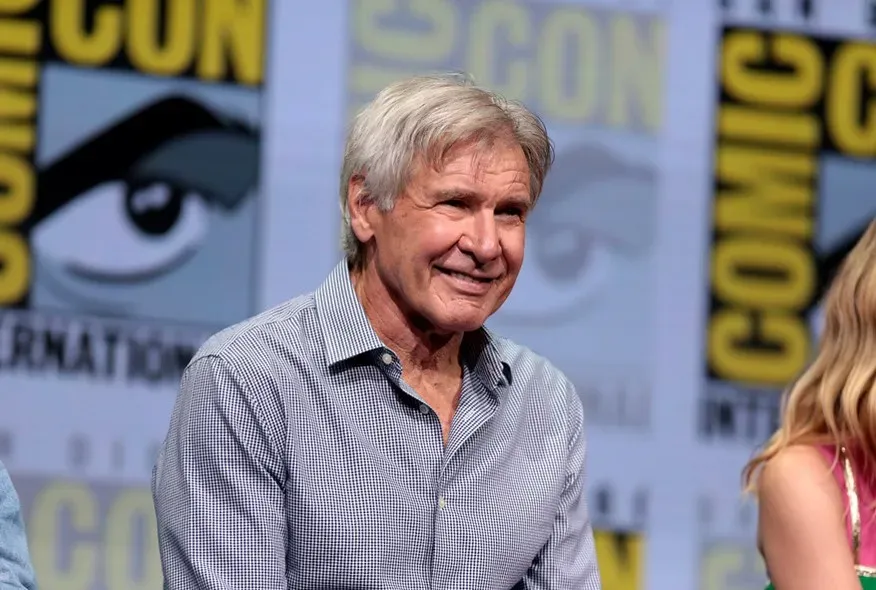
When test audiences found the original 1982 cut confusing and too bleak, studio executives demanded significant changes, including adding Harrison Ford’s explanatory voiceover and a tacked-on happy ending showing Deckard and Rachael escaping to a lush countryside. The studio even recycled unused aerial footage from Stanley Kubrick’s The Shining to create this unplanned happy ending. It’s one of the stranger moments in Hollywood history: a masterpiece patched together with borrowed footage from a completely different movie.
Reportedly, viewers wanted Deckard to behave more like Ford’s other iconic characters, including Indiana Jones and Han Solo, despite the fact that Blade Runner is nothing like those films. Years later, Ridley Scott released his preferred cut without the voiceover or happy ending, restoring his original vision. Ironically, what test audiences rejected became the definitive version, now celebrated as one of science fiction’s greatest achievements.
Fatal Attraction (1987) – Audiences Wanted Blood
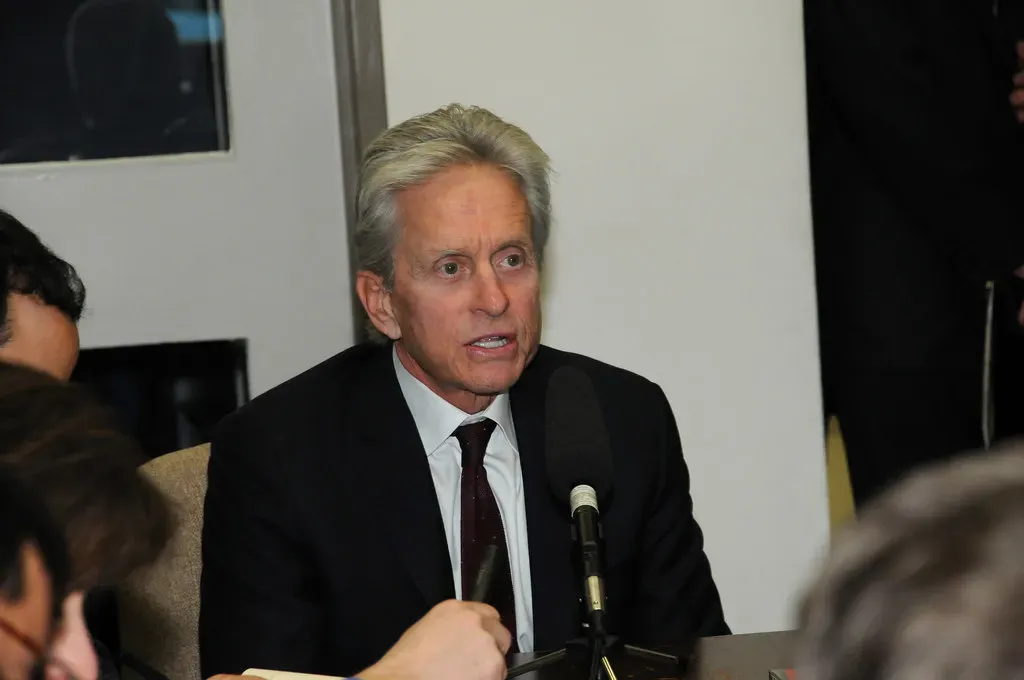
The thriller about a man whose mistress becomes dangerously possessive initially ended with Alex (Glenn Close) taking her own life after making sure Dan’s (Michael Douglas) fingerprints were all over it, essentially framing him for her murder. It was a psychologically coherent ending, true to the tone of everything that came before it. The only problem was that test audiences resented it.
Director Adrian Lyne balked at shooting a new ending in which Dan tries to drown Alex in a bathtub and then his wife Beth shoots her, so a studio executive offered him an extra $1.5 million to do it. The film remains one of the most successful thrillers of the 1980s, earning six Academy Award nominations. The now-iconic bathroom confrontation exists entirely because a preview audience demanded a more satisfying punishment for the villain.
Pretty in Pink (1986) – The Crowd Started Booing
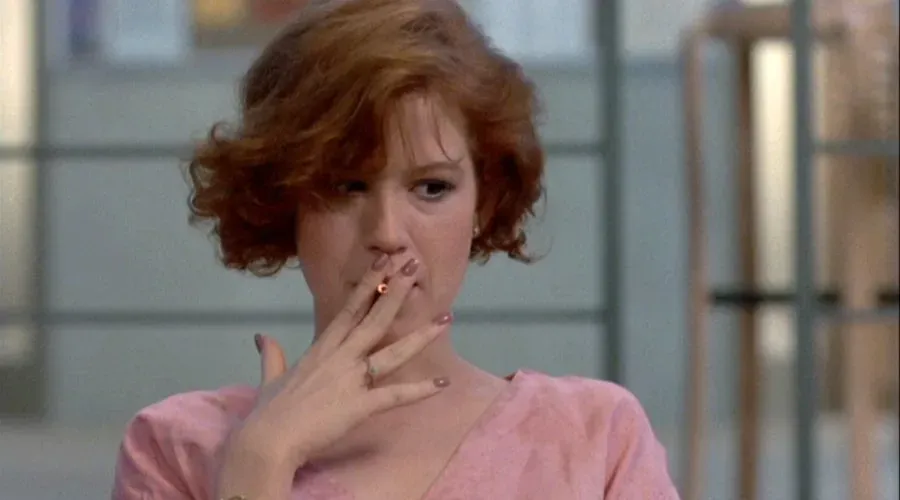
The iconic John Hughes movie was originally going to end very differently. The test screenings had the audience so engaged that they were cheering throughout the movie, until the ending, when Duckie and Andie danced together, putting a definitive end to Andie and Blane’s romance – at which point the crowd turned and began to boo. That’s a vivid reaction, even by test screening standards.
As a result of such a visceral reaction, the ending was retooled to show Duckie giving his blessing and Andie getting her happy ending. This change sparked debates about whether Hughes betrayed his own message about class differences and authenticity, but the revised romantic conclusion better satisfied audience expectations for 1980s teen romance. The actor who played Duckie, Jon Cryer, had to wear a wig for the reshoots because he had already shaved his head for another project.
Pretty Woman (1990) – From Dark Drama to Fairy Tale
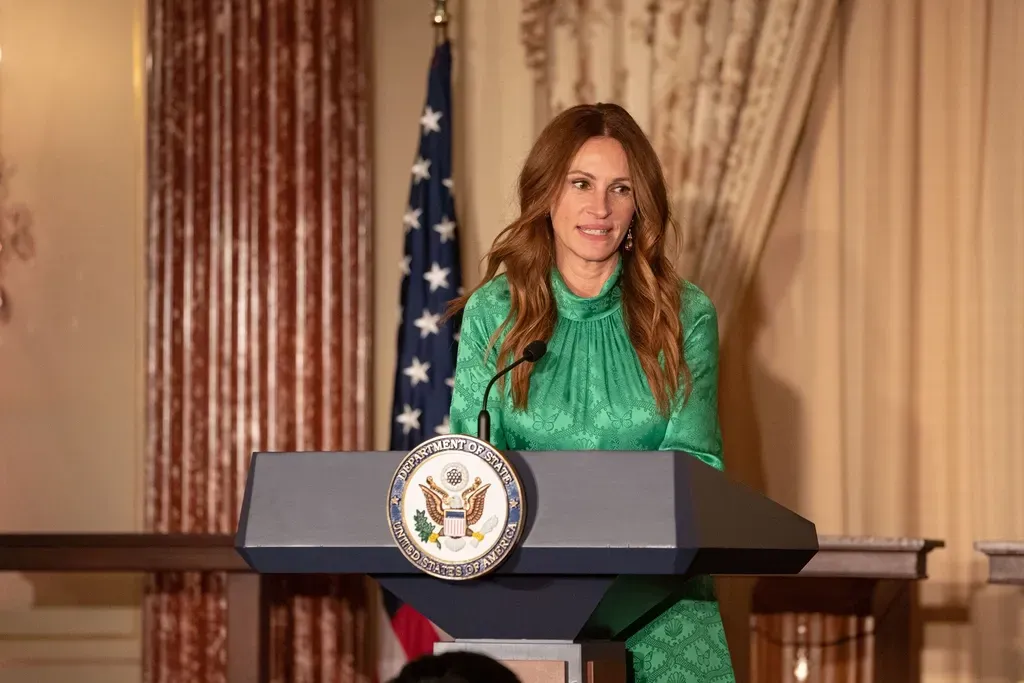
Originally a darker drama titled “3000” with a grim ending where Richard Gere’s character abandons Julia Roberts’ Vivian, test audiences hated it, so the studio reshot for the iconic, happy, fairy-tale romance ending. The original script was far more interested in exploring the transactional nature of the central relationship than in wrapping things up with a bow. Studios had different plans.
Disney insisted that multiple endings for the film be shot and the winner would be picked based on the test audience’s reaction. The viewers went with the more upbeat ending, which certainly worked out. Pretty Woman ended up being one of the highest-grossing movies of 1990. It’s a case where the commercial instinct and the audience instinct happened to land in the same place, even if the filmmaker’s original vision was something altogether different.
Partner offer
Little Shop of Horrors (1986) – The Heroes Were Not Supposed to Survive
Director Frank Oz originally wanted his 1986 adaptation of the off-Broadway musical to end the same way the stage version does. In that version, the killer alien plant Audrey II prevails, eating both Seymour and Audrey before attempting what amounts to a world conquest. It was a bold, tonally consistent ending that honored the source material completely. Audiences were having none of it.
Little Shop played like gangbusters during test screenings, until that ending. Audiences wouldn’t accept seeing the two leads die. Oz requested a second test screening just to make sure, and got the same response from a different audience. The verdict was in. Oz reshot a new ending in which Seymour electrocutes Audrey II and then lives happily ever after with Audrey, and that’s the version that wound up in theaters. The original dark ending was eventually restored and released as a bonus feature on Blu-ray.
First Blood (1982) – Rambo Was Never Meant to Come Back
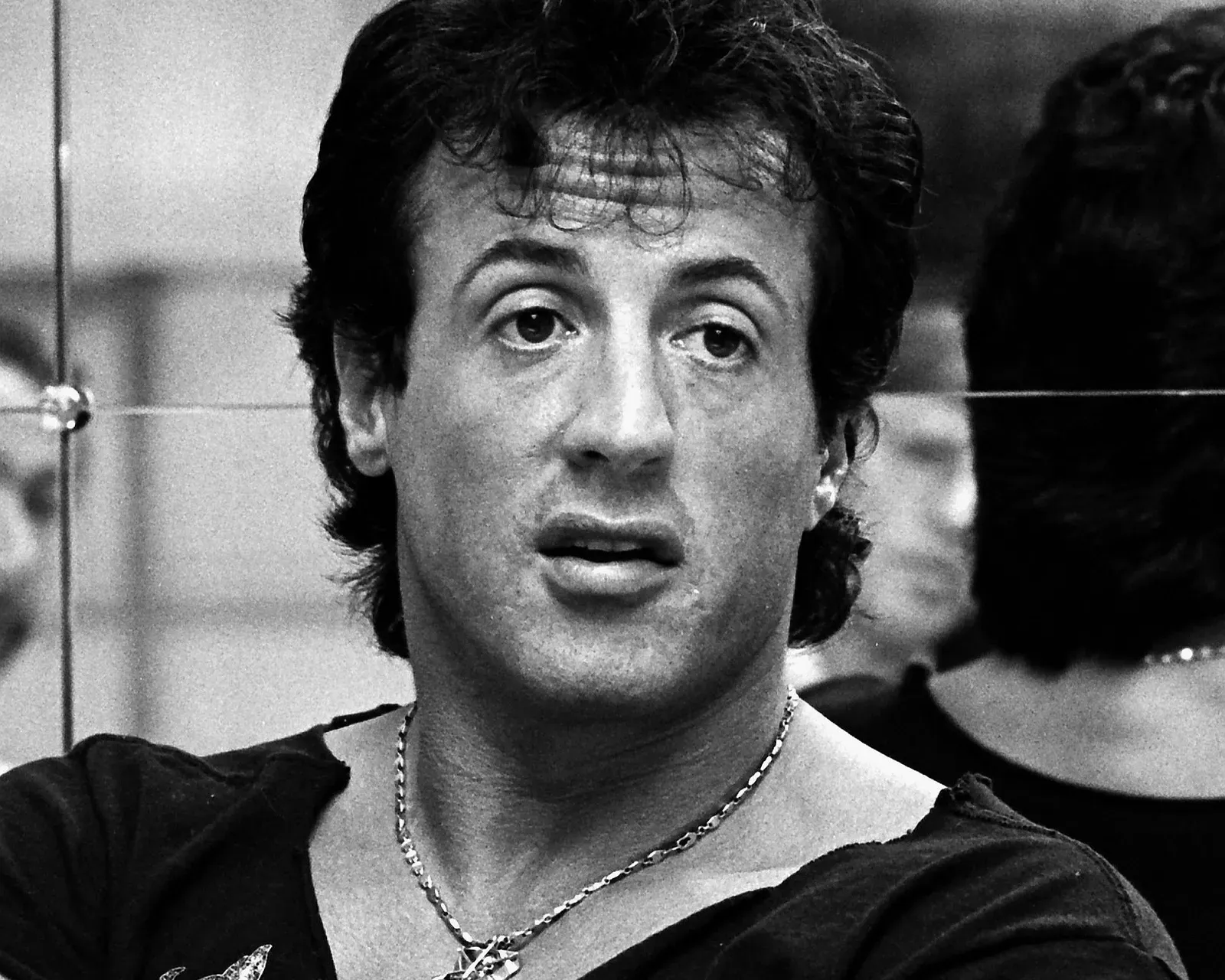
It might be hard to believe now, but First Blood was originally supposed to be a one-and-done affair, because John Rambo was originally supposed to die. Sylvester Stallone’s tortured Vietnam veteran was originally going to get killed at the end of his first and only movie. That’s what happens in David Morrell’s novel on which the film is based. The ending carried real weight and thematic purpose.
Test audiences felt deeply connected to the troubled veteran and hated seeing him go out that way. The filmmakers rewrote the ending so that Rambo survives and is taken into custody, a move that not only gave the character a future but also launched several sequels. This decision turned Rambo from a one-off antihero into an enduring symbol of resilience. Without that test screening, one of Hollywood’s most durable action franchises would simply never have existed.
28 Days Later (2002) – Jim Was Supposed to Die
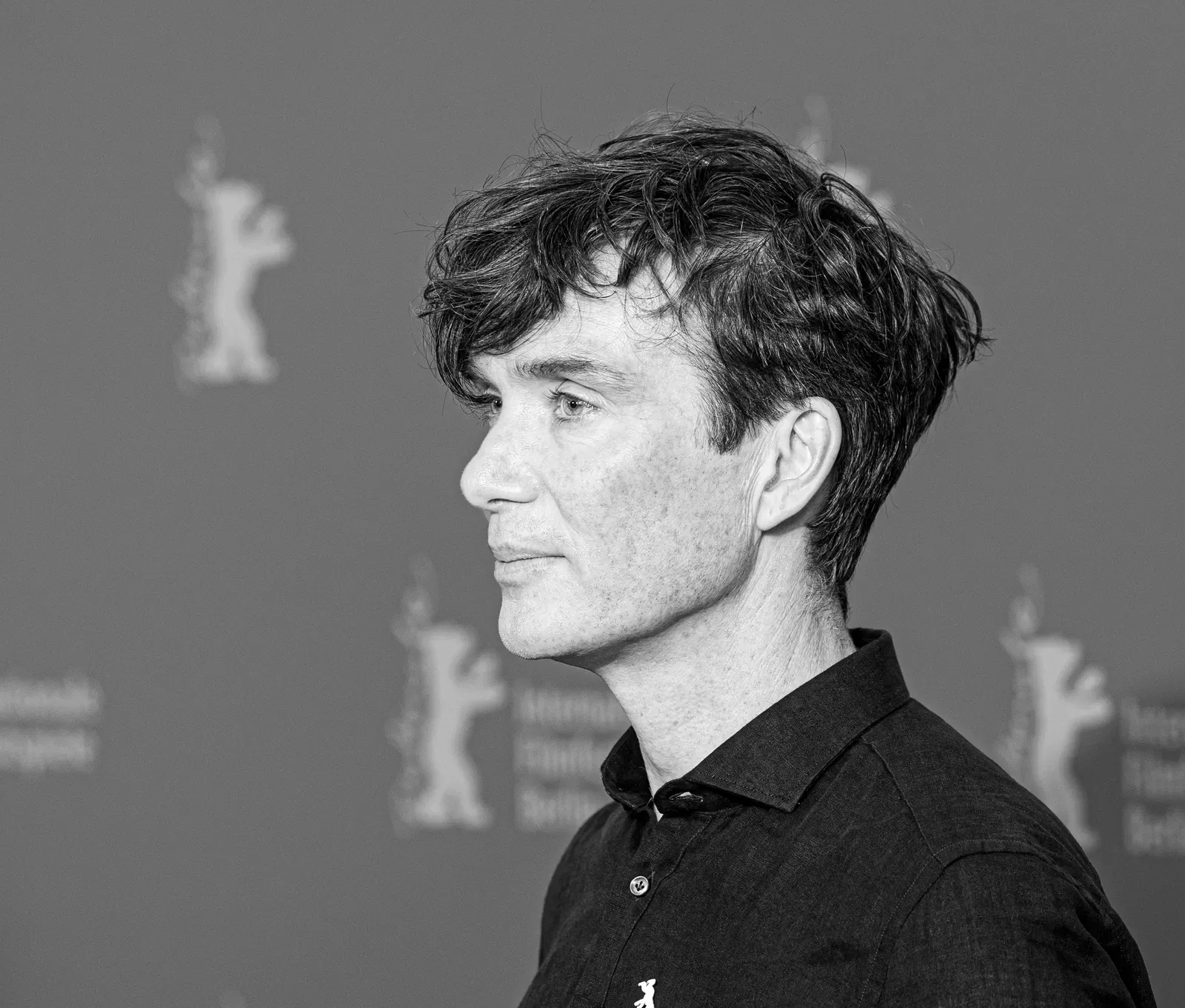
In the original ending, Jim is seen dying from his wounds, and Selena and Hannah see that he is unlikely to make it, so they leave him to die alone. The ending is somber and essentially gives the audience no hope after the exhausting events of the film, which is exactly why this ending was changed. Danny Boyle’s intention was to push the bleakness to its furthest possible point.
Danny Boyle’s zombie classic originally ended with Cillian Murphy dying alone in a hospital bed after being shot in the stomach. Test audiences understandably thought it was bleak, so it was switched for a new version that saw him wake up in a cottage and discover the zombies were now dying of starvation. Boyle toyed with other endings that also involved Jim meeting his demise, most of which were included as DVD extras. The survival ending is now so embedded in how people remember the film that the original conclusion feels almost unimaginable.
Scott Pilgrim vs. the World (2010) – Wrong Girl, Wrong Ending
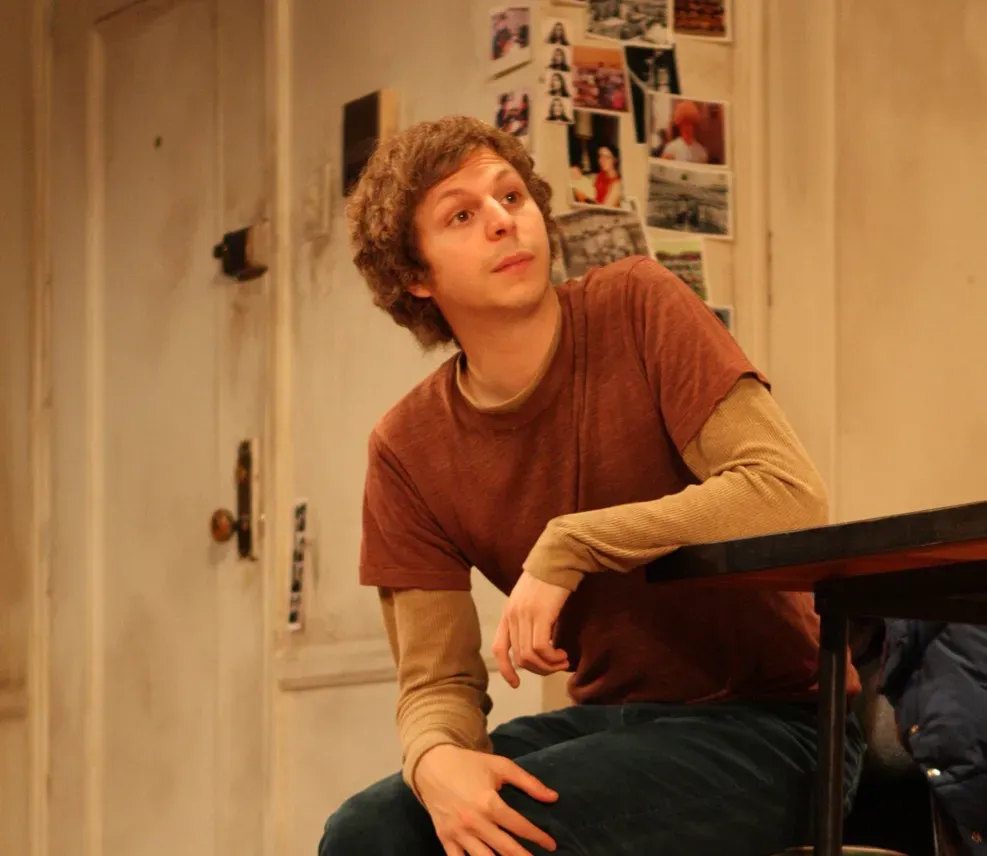
It might be shocking to learn that Scott Pilgrim almost didn’t end up with Ramona Flowers. In the first cut of this cult favorite, Scott walked off into the sunset with Knives Chau, his fierce and loyal ex-girlfriend. When test audiences saw this version, the response was overwhelmingly negative. The problem wasn’t that the ending was poorly made, it was that it resolved the story in a way that felt emotionally wrong to nearly everyone watching.
Fans of the graphic novel, and even newcomers, wanted Scott to end up with Ramona, the girl whose baggage he’d fought so hard to conquer. Universal Pictures listened. Director Edgar Wright and his team reshot the ending, swapping Knives out for Ramona. This decision changed the movie’s whole vibe, making it feel truer to Bryan Lee O’Malley’s original comics. Not only did test audiences hate the original ending, but so did the actress playing Knives, who felt that her character shouldn’t get back together with someone who had treated her that way.
What’s striking about all eight of these cases is how varied the outcomes are. Sometimes the studio intervention genuinely improved the film. Sometimes it stripped away the most interesting idea in it. The test screening process doesn’t sort for quality or artistic merit. It sorts for comfort, and what an audience in a preview theater is comfortable with on a Tuesday night isn’t always the same thing as what makes a film endure for decades.
Partner offer
Planning a trip to Vegas?
Compare hotel rates and show tickets on VEGAS.com.