Color became the default for filmmaking long before 1970, so choosing black and white afterward is a deliberate artistic decision. Directors have used it for mood, historical texture, or to set a film apart from everything around it. The eight films below show how varied those reasons can be.
The list sticks to well-documented feature films that were , not films that were converted later. Each entry is a gallery-style snapshot with a few facts you can easily verify.
The Last Picture Show (1971)

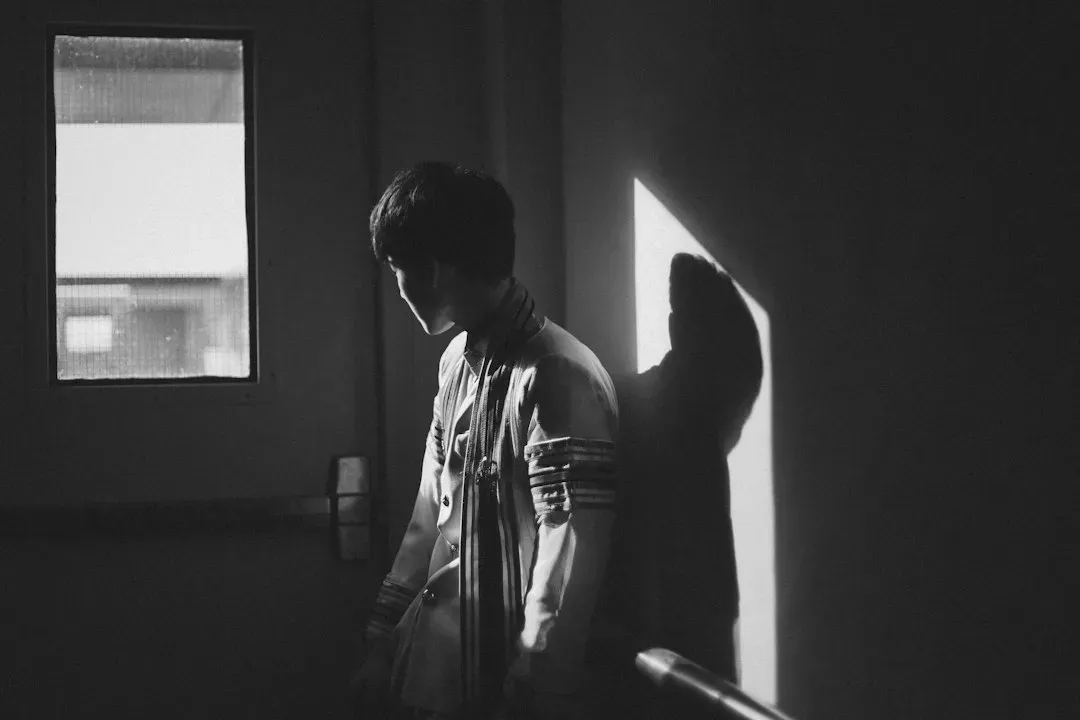
Peter Bogdanovich directed this adaptation of Larry McMurtry’s novel about a dying Texas town in the early 1950s. Robert Surtees shot it in black and white, which gave the dusty streets and empty storefronts a stark, period-appropriate look. Bogdanovich has said he wanted it to resemble the films of that era.
The film earned eight Academy Award nominations. Ben Johnson and Cloris Leachman won the supporting acting Oscars. It remains one of the best-known examples of black and white photography in the New Hollywood period.
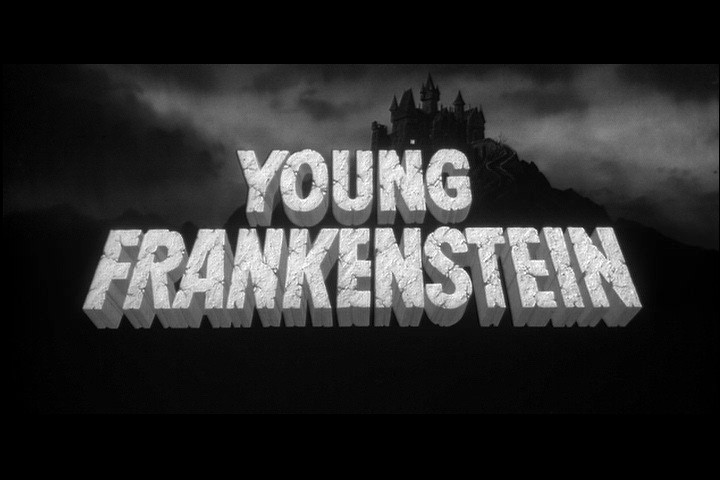
Young Frankenstein (1974)
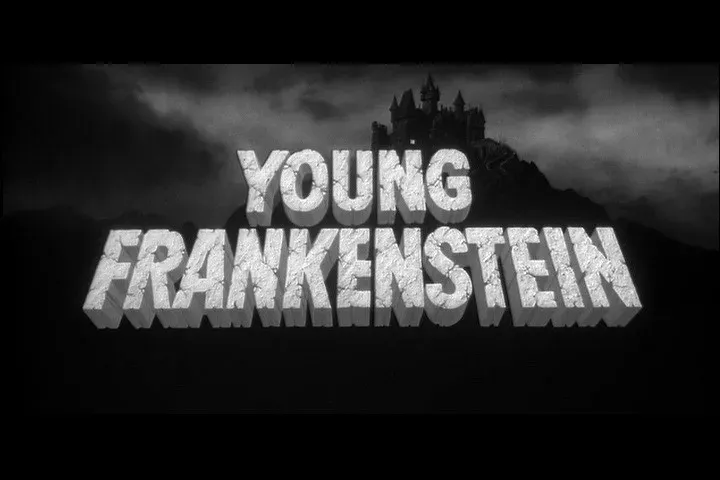
Mel Brooks made his horror parody in black and white to echo the Universal monster films of the 1930s. Gerald Hirschfeld photographed it, and the production even reused laboratory equipment designed by Kenneth Strickfaden for the 1931 Frankenstein. The look is a big part of why the jokes land.
Brooks co-wrote the script with Gene Wilder, who also starred. The film received Oscar nominations for its screenplay and for sound. It shows how monochrome can work as a comic tool, not just a serious one.
Eraserhead (1977)

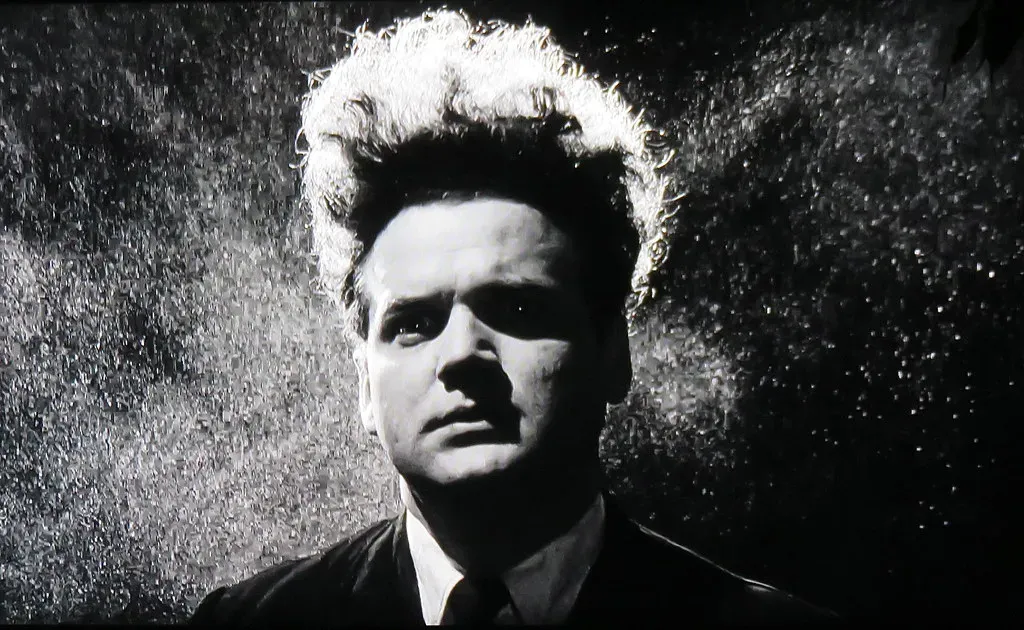
David Lynch’s debut feature was filmed in black and white over several years on a tiny budget. Its industrial soundscape and grainy, shadowy images create a nightmarish atmosphere that color would likely have softened. Herbert Cardwell and Frederick Elmes handled the cinematography.
The film became a midnight movie favorite and launched Lynch’s career. In 2004 it was selected for preservation in the U.S. National Film Registry. It’s still a reference point for experimental black and white work.
Manhattan (1979)
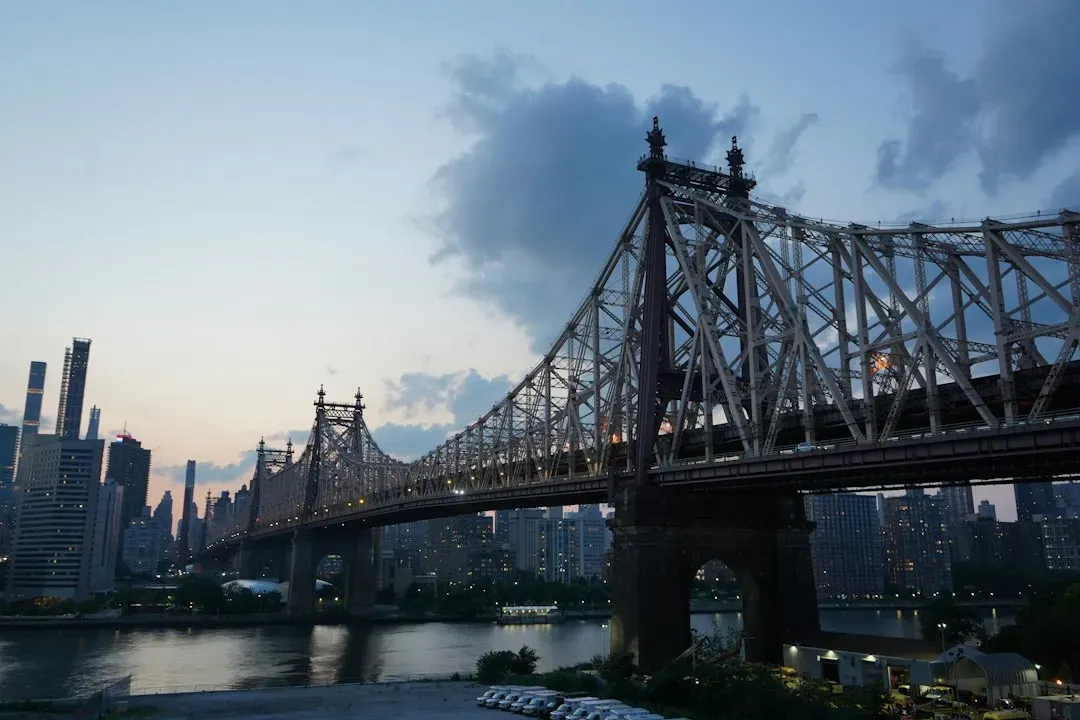
Woody Allen’s love letter to New York was shot by Gordon Willis in black and white and widescreen. The monochrome images of the skyline and the Queensboro Bridge are among the most famous in his filmography. The Gershwin score adds to the romantic tone.
Willis was widely respected for his control of light and shadow, and the film shows that skill clearly. Its look was intended to evoke a nostalgic vision of the city. It was also nominated for Oscars, including best original screenplay.
Partner offer

Raging Bull (1980)
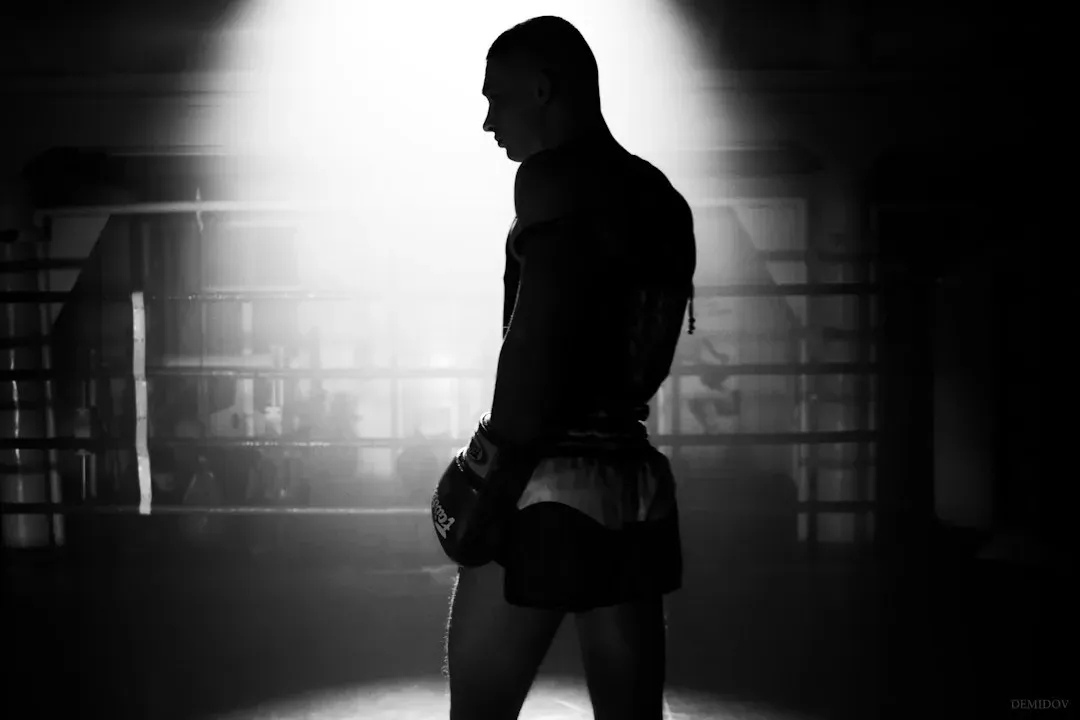
Martin Scorsese chose black and white for his boxing drama about Jake LaMotta, reportedly in part because color film stock of the time was prone to fading. It also separated the film from earlier, more glamorized boxing pictures. Michael Chapman served as cinematographer.
Robert De Niro won the Oscar for best actor, and Thelma Schoonmaker won for editing. The film is routinely ranked among the finest American movies of the 1980s. A few color home-movie sequences stand out sharply against the monochrome.
Schindler’s List (1993)


Steven Spielberg shot this Holocaust drama in black and white, with Janusz Kamiński as cinematographer. Spielberg has said the choice reflected how he understood the history, drawn from documentary images and photographs. The little girl in the red coat is the film’s famous splash of color.
It won seven Academy Awards, including best picture and best director. The film was also selected for the National Film Registry. Its use of black and white is often cited as one of the most purposeful in modern cinema.
Ed Wood (1994)

Tim Burton directed this biographical comedy about the infamous B-movie filmmaker, and Stefan Czapsky photographed it in black and white. The look suits a story set in 1950s Hollywood and mirrors the cheap films Wood himself made. It feels affectionate rather than mocking.
Martin Landau won the Oscar for best supporting actor for playing Bela Lugosi. The film also won for makeup. It’s a good example of monochrome used as homage.
Roma (2018)

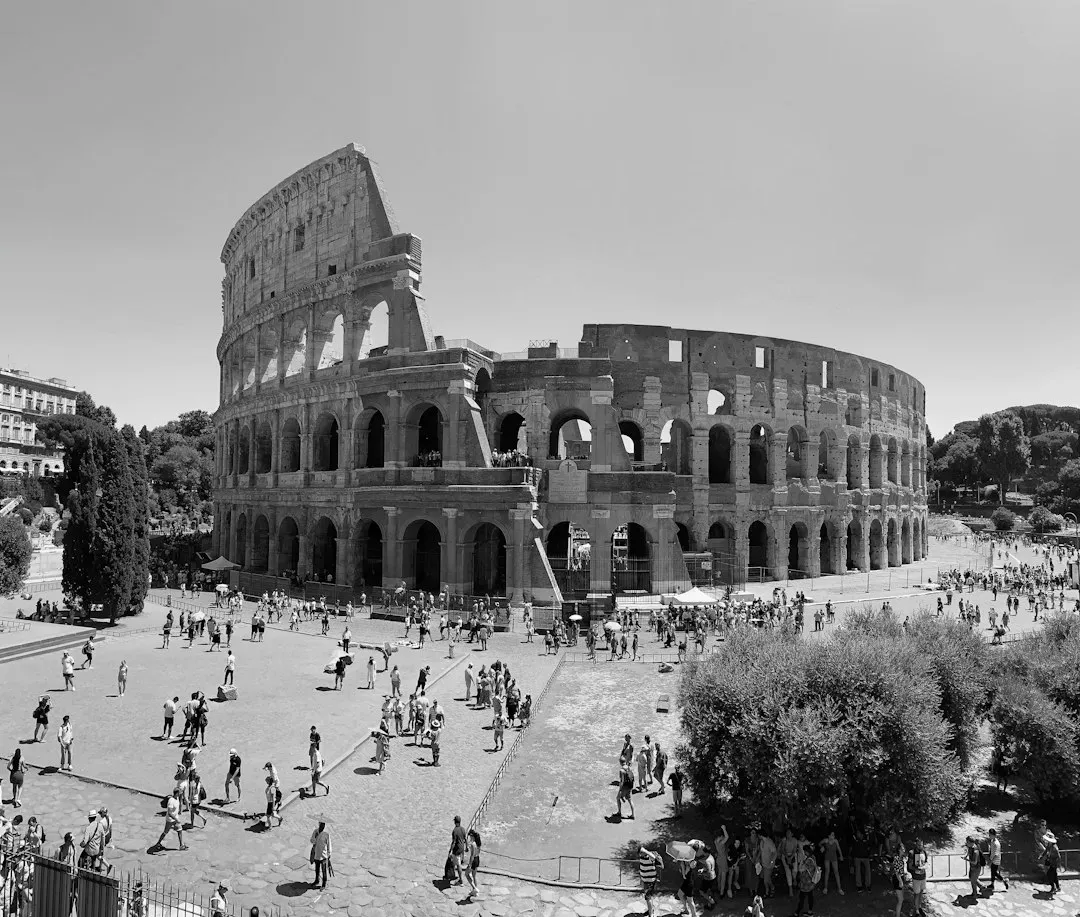
Alfonso Cuarón directed, wrote, and photographed this semi-autobiographical drama set in Mexico City in the early 1970s. It was shot digitally in black and white, which proves the style isn’t tied to film stock. The long, carefully composed shots give everyday life a quiet, memory-like feel.
Roma won Academy Awards for best director, best cinematography, and best foreign language film. It was among the first Netflix releases to gain major Oscar recognition. Its success showed that black and white can still reach a broad audience.
Taken together, these films prove that was never simply a throwback. It served comedy, horror, memoir, and tragedy equally well. Whenever a filmmaker skips color today, it’s usually because the story demands it.
Partner offer
Planning a trip to Vegas?
Compare hotel rates and show tickets on VEGAS.com.