There’s a certain social contract around music fandom. You nod along at parties, you don’t challenge someone’s playlist, and you definitely don’t announce in a group chat that you can’t stand the artist everyone else is losing their mind over. Admitting you dislike a bonafide superstar feels a little like saying you don’t enjoy sunshine. People look at you differently.
Yet the confessions are out there. Forum threads, Reddit polls, and listener surveys all point to the same quiet truth: some of the most commercially dominant artists in the world have vast pockets of the audience that simply don’t connect with them. With so many musicians to choose from, the number of people labeling artists “overrated” has grown considerably, and sometimes it’s the fandom’s overpraising that tips the scales, other times it’s the music itself. Here are eight names that consistently surface in those honest, slightly hushed conversations.
Taylor Swift

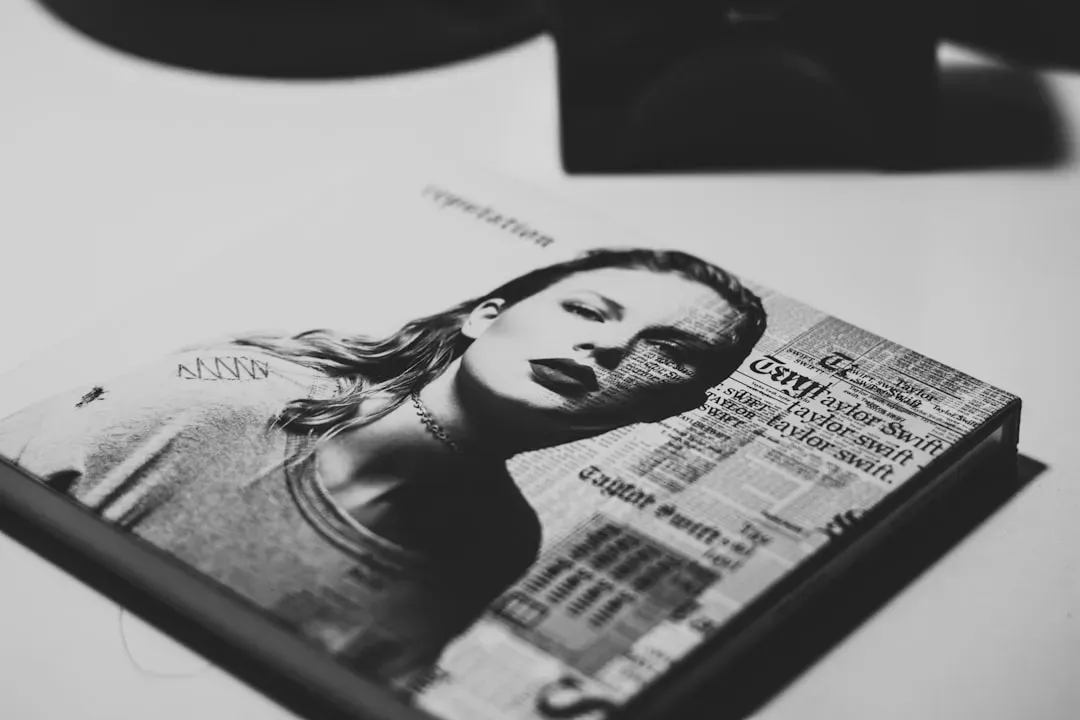
As of April 2026, Taylor Swift is the most-streamed artist in Spotify’s history, which makes any dissenting opinion feel almost legally risky to voice. Her dominance is genuinely staggering, and her fanbase is one of the most organized in pop music. Still, not everyone is converted.
Some listeners describe not quite understanding the “god-like status” she’s achieved, with a common grievance being that her reputation as an exceptional lyricist doesn’t fully hold up on close inspection, and her lyrics aren’t considered anything particularly special by those who prefer more poetic writing. Someone with as much popularity as Swift is bound to have people who don’t follow her music, and the most common criticism among younger listeners is simply that it “sounds too pop” – a sentiment especially common among fans of rap, country, and R&B who tend not to gravitate toward her output.
Drake

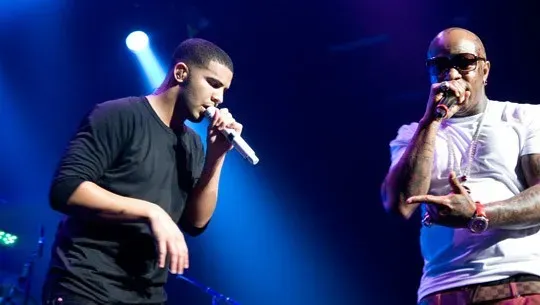
Drake broke The Beatles’ Billboard Hot 100 record, which they had held for 55 years – a fact that underlines just how much real estate he’s occupied in modern music. He topped Spotify’s most-streamed artist list three times, in 2015, 2016, and again in 2018. The commercial case for his greatness is essentially airtight.
However, a widely shared listener opinion holds that artists who reach peak mainstream popularity tend to ditch their unique styles in favor of generic “radio” music, and Drake is cited as a prime example – with many noting they loved his older work but can no longer stand what he puts out. Drake frequently appears at the top of overrated artist lists, and while he has a massive fanbase, many listeners feel the constant radio play has made his music feel stale.
Ed Sheeran

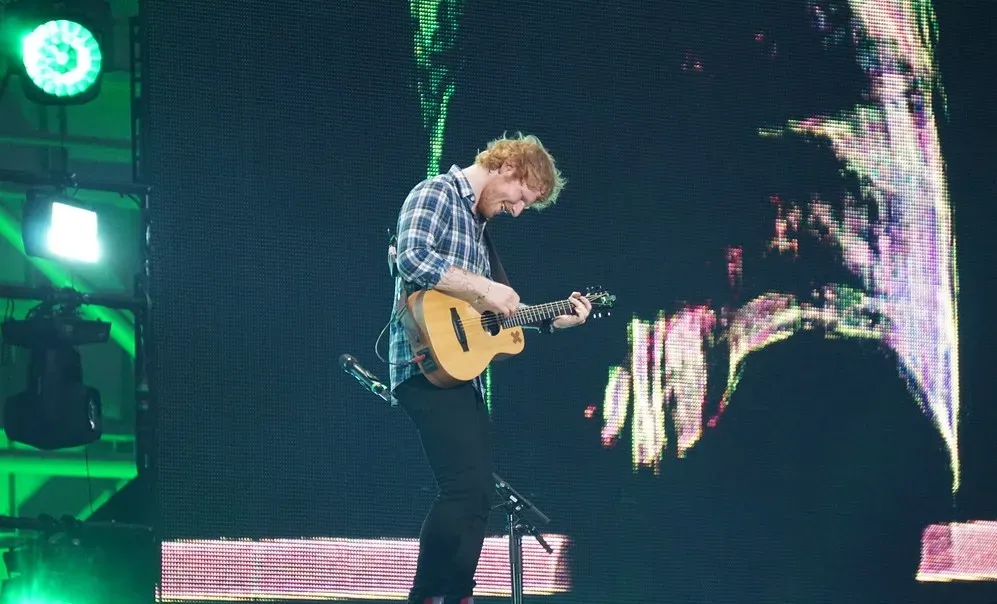
Over the past decade, only seven artists have ever claimed the number one spot for most monthly Spotify listeners, and Ed Sheeran is one of them – a statistic that places him in rarefied company. His ability to write a melody that lodges itself in your brain is well-documented. Yet his enormous profile seems to generate a specific, recurring kind of ambivalence.
On major music forums, Ed Sheeran frequently draws votes for being overrated, with a recurring theme being: “Seems like a really nice guy, just can’t stand his music.” Some describe his tracks as pleasant enough on first listen but genuinely grating after hearing them on the radio for the fiftieth time – which, given his saturation of playlists and TV commercials, happens faster than you might expect.
Beyoncé

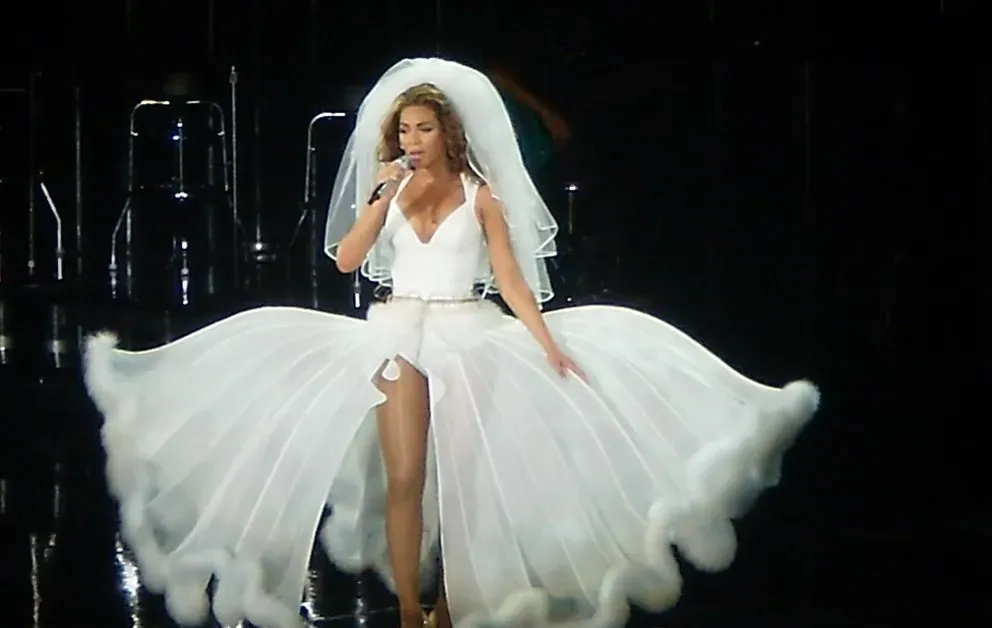
In a poll of over eight thousand music fans ranking the most overrated pop artists of 2026, Beyoncé placed in the current top three, which will surprise her devoted fanbase greatly. Her creative output, live performances, and cultural significance are genuinely hard to argue against. The Grammy-winning “Cowboy Carter” further cemented her critical standing.
Some listeners, while acknowledging she can sing and dance, question whether she’s truly the best musician of our time, with certain critics pointing out that other artists offer more depth and versatility than her famously flashy shows might suggest. Longer-standing fans also describe a disconnect with the direction her sound has taken in recent years, with some feeling she’s moved away from her own distinct style to appeal to each new generation’s tastes.
Coldplay


Coldplay have sold out stadiums across every continent for over two decades, and their catalog stretches from quiet guitar introspection to glittering pop spectacle. On pure reach, few bands come close. Their touring numbers are among the most impressive in live music history. Yet a vocal contingent of listeners finds them very difficult to endure.
A persistent criticism among detractors is that Coldplay’s music is “completely generic, bland, and boring,” and that the older the band gets, the more they seem to chase a younger audience in ways that some find frankly embarrassing. Broader complaints about their songwriting tend to focus on lyrics that feel like “a bunch of random nonsense that leads to a somewhat catchy chorus” – a critique that, fairly or not, follows them from album to album.
Maroon 5

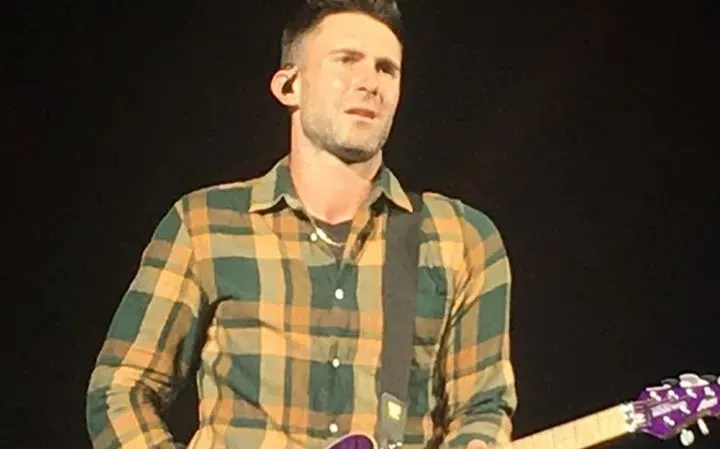
It had been years since Maroon 5 appeared on worst-of lists, not because the band improved, but seemingly because they had barely released anything in that time. Critics also note that Adam Levine is, for most intents and purposes, the only member of the band that most listeners could actually name.
Across multiple online polls and listener threads, Maroon 5 consistently shows up as one of the most cited overrated acts. The band began as a reasonably well-regarded funk-pop group in the early 2000s, but their trajectory toward radio-safe hits alienated a significant portion of the audience that initially found them interesting. What’s left, many quietly admit, feels like background music that apologizes for existing.
Katy Perry

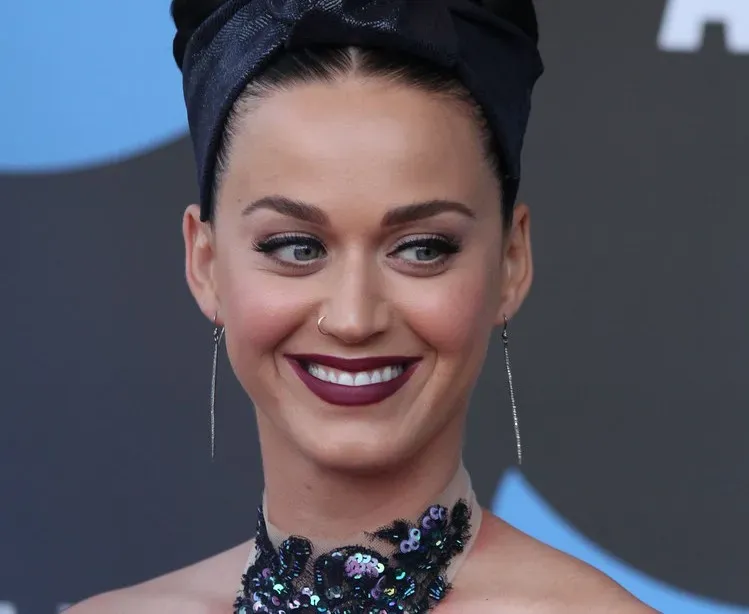
Once a genuinely beloved pop musician, Katy Perry’s standing took serious hits in 2025, including widespread online criticism following her participation in a Blue Origin space flight in March, with many viewing the trip as tone-deaf given the cultural climate. Her subsequent Lifetimes Tour attracted further scrutiny, with a significant number of attendees and online commenters finding it low-budget and unimpressive.
Perry’s earlier run of chart-topping singles made her one of the defining pop voices of the 2010s, but the audience that propped up that era has shifted noticeably. Her 2024 comeback was widely considered a failure, placing her alongside other artists like Justin Timberlake and Shawn Mendes who all faced similar struggles trying to recapture earlier momentum. For many casual listeners, the affection dried up gradually and then, somewhat suddenly, all at once.
Justin Bieber

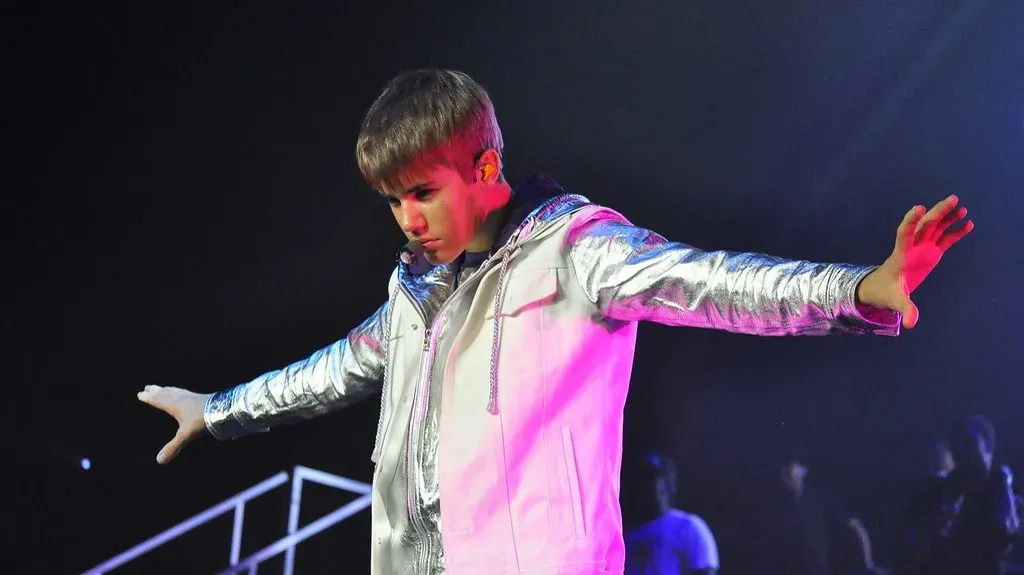
Justin Bieber is one of only seven artists ever to hold the number one spot for monthly Spotify listeners, a measure of how deeply his music has penetrated global listening habits. His early success was legitimate and his production choices through the 2010s were genuinely influential. The numbers tell one story. The sentiment among many listeners tells another.
Artists like Bieber, who have been in the spotlight for a very long time, often face questions about whether their current output still justifies the massive hype around them, with new listeners and fans of other genres genuinely puzzled about why they remain so central to the pop conversation – and whether that longevity is earned or simply the result of industry backing. His 2025 album “SWAG” was critically described as starting promisingly before dropping off a quality cliff, with badly executed skits forming what reviewers called a catastrophic misstep.
None of this means these artists lack talent or that their success is somehow fraudulent. Music is deeply subjective, which is exactly why the most overrated artists for one listener might be on the favorites list of another. Pop stars who receive massive exposure naturally invite fatigue – when an artist is literally everywhere, people start picking apart their production or songwriting simply because they hear it too often, and that’s less about a lack of talent and more about the saturation of their sound. Popularity and love are not the same thing, and the gap between them is where these quiet confessions live.