Most careers in music are measured by output: albums, tours, anniversary reissues. Walking away is rarer, and it’s usually read as a failure or a mystery. The reasons are often more ordinary than that.
The eight artists below left for different reasons, including frustration, faith, family, illness and plain fatigue. Some never came back. Others returned on their own terms, years later.
Bill Withers

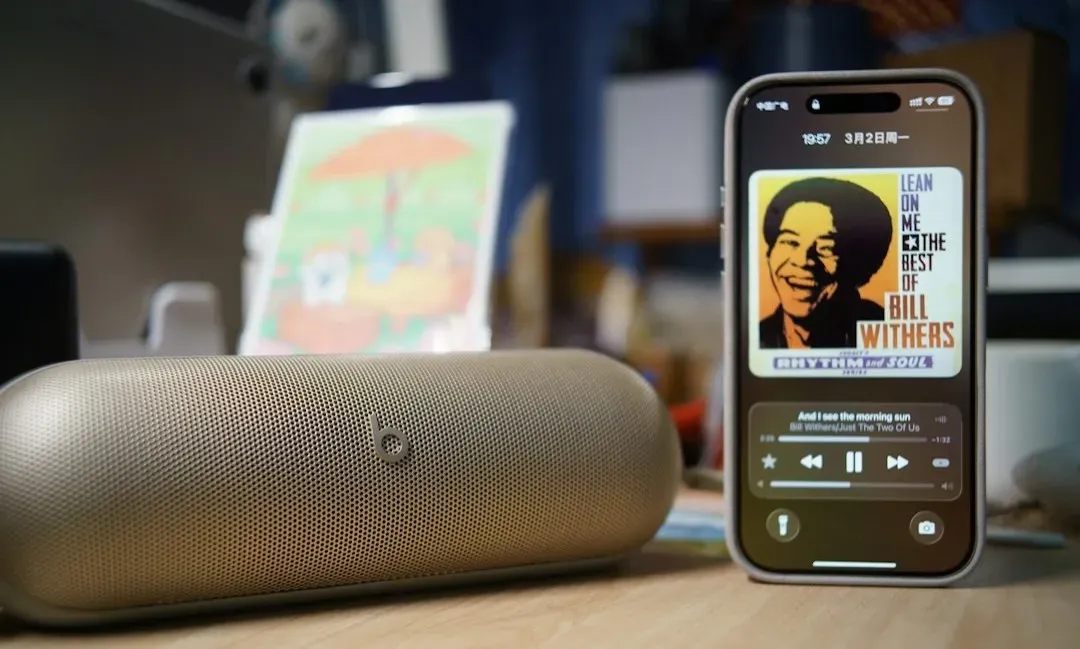
Bill Withers wrote Ain’t No Sunshine, Lean on Me and Lovely Day, three songs that still sound familiar to almost everyone. His last studio album, Watching You Watching Me, came out in 1985. After that he stopped releasing music, largely because of disagreements with his label over creative control.
He didn’t chase a comeback. He was inducted into the Rock and Roll Hall of Fame in 2005, and his songs lived on through covers and samples. Withers died in March 2020 at the age of 81, having stayed out of the business for more than three decades.
Cat Stevens

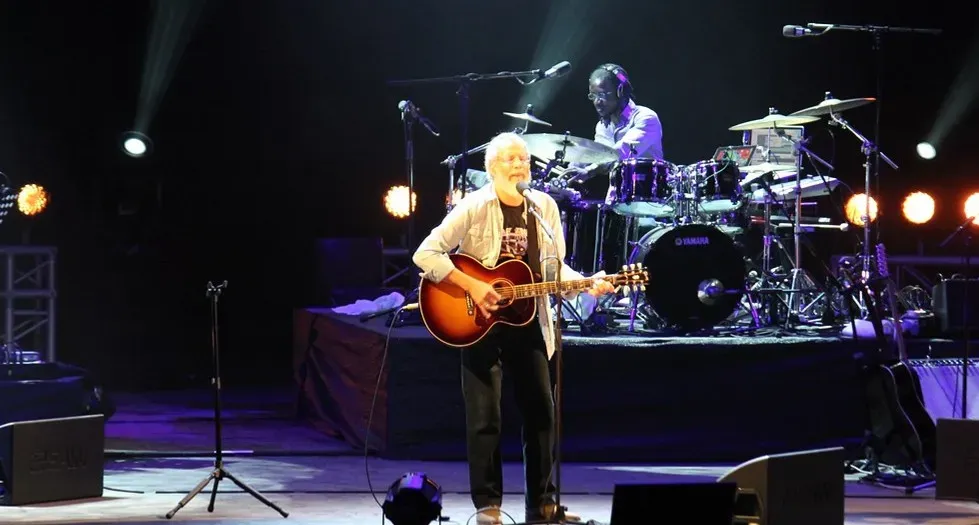
In the 1970s Cat Stevens was one of the biggest singer songwriters in the world. In 1977 he converted to Islam and took the name Yusuf Islam. Around the end of the decade he left pop music behind and moved his energy toward education and charity work, including Muslim schools in London.
The break lasted well over twenty years. He returned to recording with the album An Other Cup in 2006, and he was inducted into the Rock and Roll Hall of Fame in 2014. His story is one of the clearest examples of an artist leaving for conviction rather than burnout.
Syd Barrett

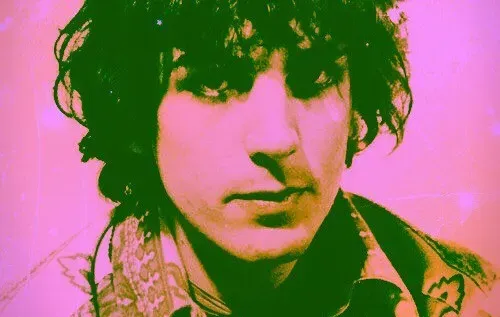
Syd Barrett was a founding member of Pink Floyd and the main songwriter on their early work. He left the band in 1968 as his behavior became increasingly unpredictable. He then released two solo albums in 1970, The Madcap Laughs and Barrett.
After that he largely withdrew from music and returned to his hometown of Cambridge. He lived quietly there and spent time painting, avoiding publicity for decades. Barrett died in 2006, and his short catalog has kept a devoted following.
Sixto Rodriguez

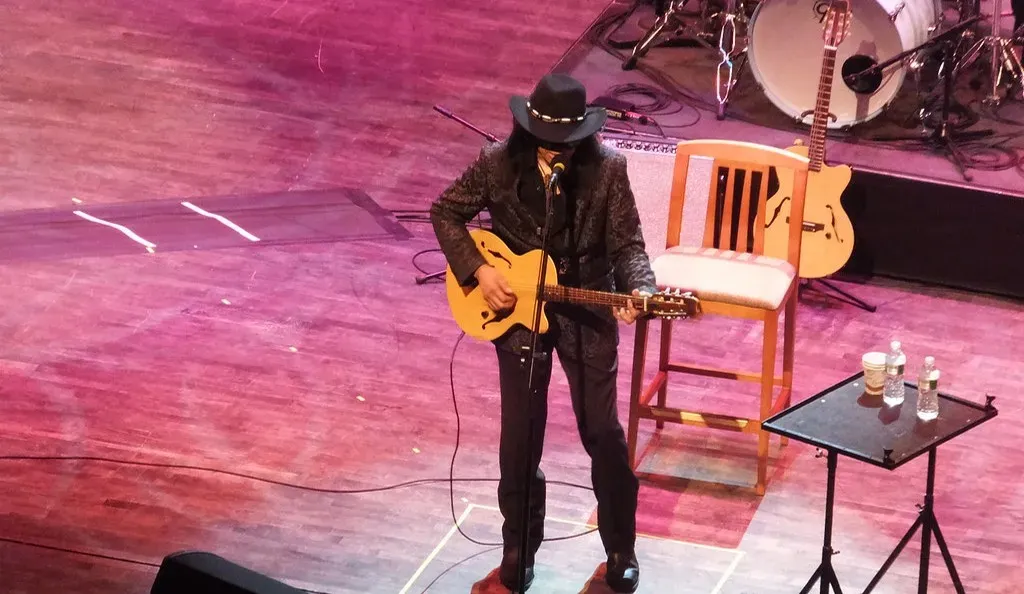
Rodriguez, a Detroit singer songwriter, released Cold Fact in 1970 and Coming From Reality in 1971. Neither sold well in the United States, and his music career effectively ended. He went back to manual work, including construction, and raised his family.
Partner offer

Unknown to him, his records had become hugely popular in South Africa. The 2012 documentary Searching for Sugar Man told that story and won the Oscar for Best Documentary Feature the following year. Rodriguez toured again and died in August 2023 at the age of 81.
Jay-Z

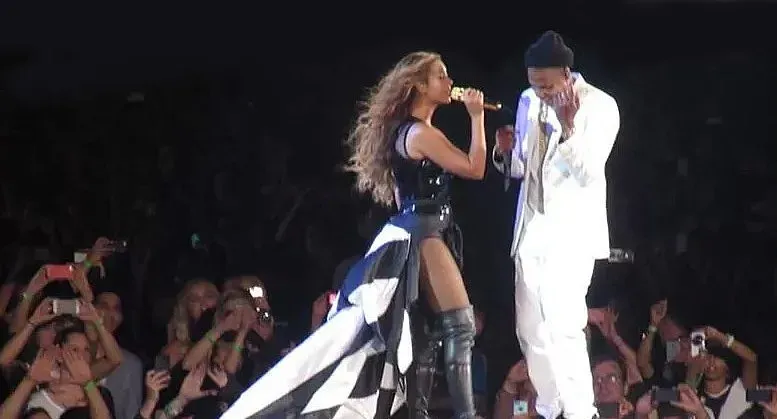
Jay-Z’s step back was the loudest on this list, and also the shortest. He framed his 2003 album The Black Album as a farewell and announced his retirement from recording. He then took on a business role as president of Def Jam Recordings in 2004.
The retirement didn’t last. He returned to making music with Kingdom Come in 2006. It’s a useful reminder that stepping away can mean changing jobs inside the industry rather than leaving it entirely.
Tracy Chapman

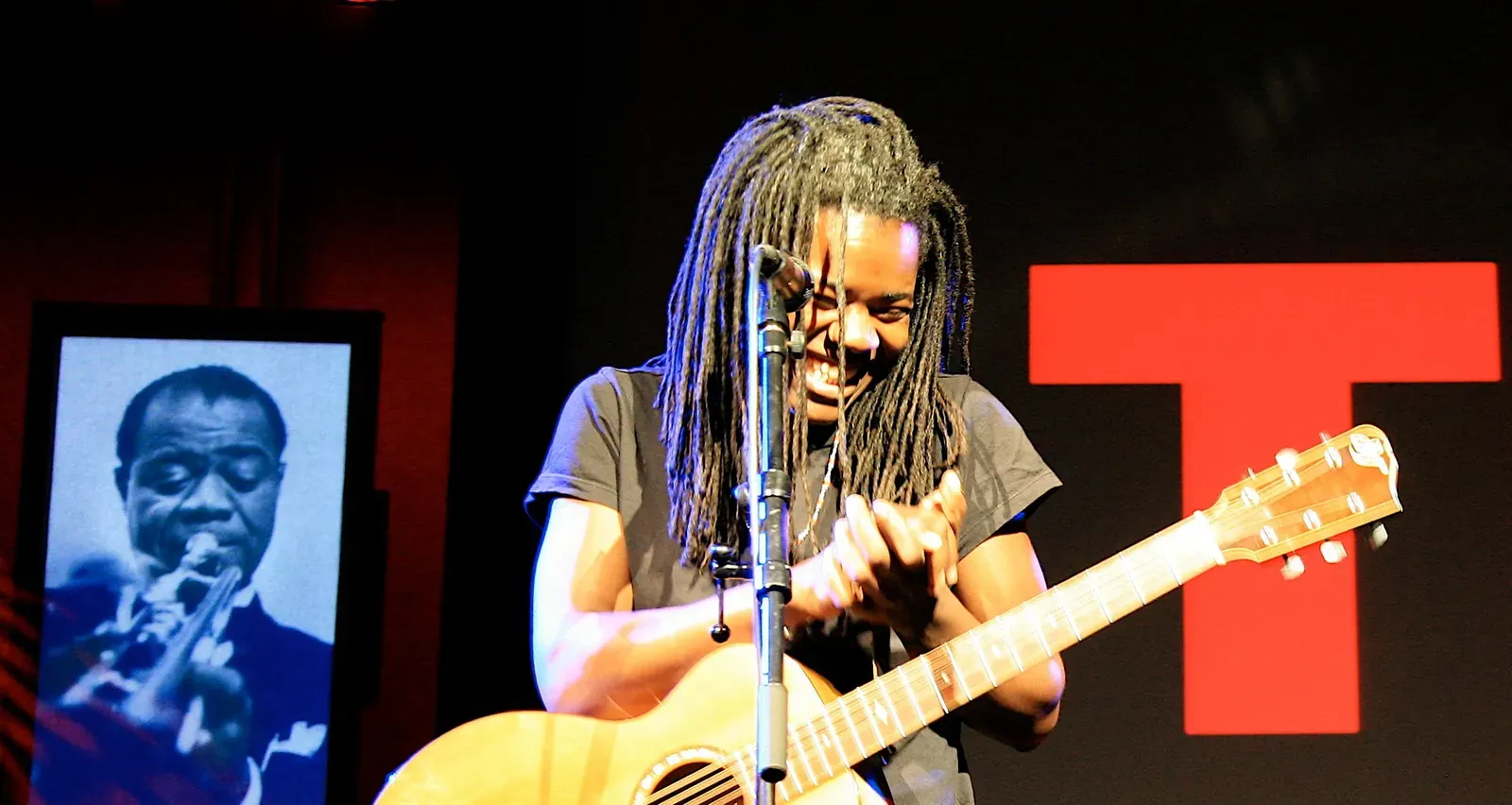
Tracy Chapman broke through in 1988 with her self titled debut and kept releasing albums for two decades. Her most recent studio album, Our Bright Future, came out in 2008. Since then she has stayed largely out of the spotlight, with few interviews and rare public appearances.
Her song Fast Car found a new audience in 2023 when Luke Combs recorded a cover. In February 2024 she appeared with him at the Grammy Awards, a rare live performance. It showed how a catalog can keep working even when its creator isn’t promoting it.
Kate Bush

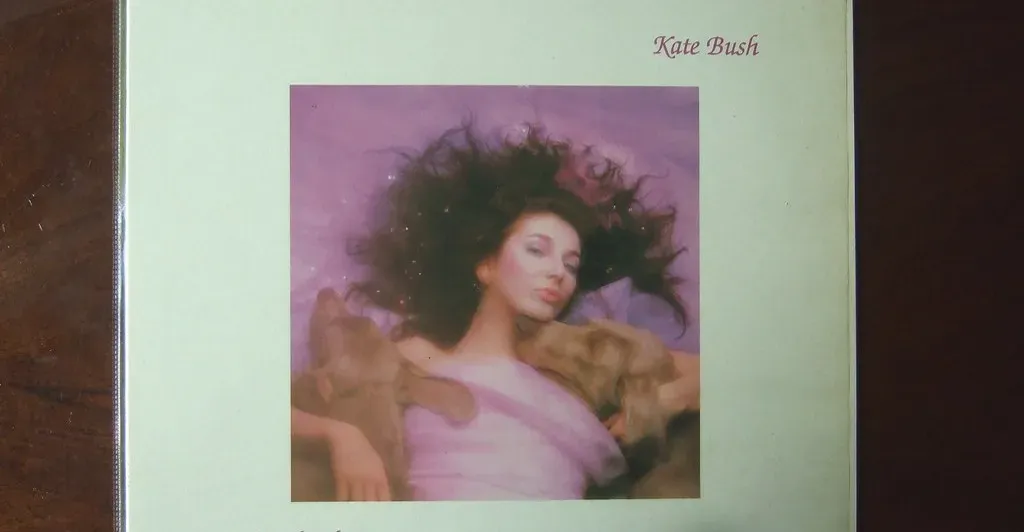
Kate Bush released The Red Shoes in 1993 and then went quiet for years. She has said in interviews that she wanted time away from the machinery of the music business, and she focused on family life, including raising her son. Her next album, Aerial, arrived in 2005, a gap of about twelve years.
She followed it with two albums in 2011, then a run of live shows in London in 2014 that were her first in decades. In 2022, her 1985 song Running Up That Hill surged back up the charts after its prominent use in the TV series Stranger Things. Throughout, she has chosen when to appear rather than following an industry schedule.
Sade

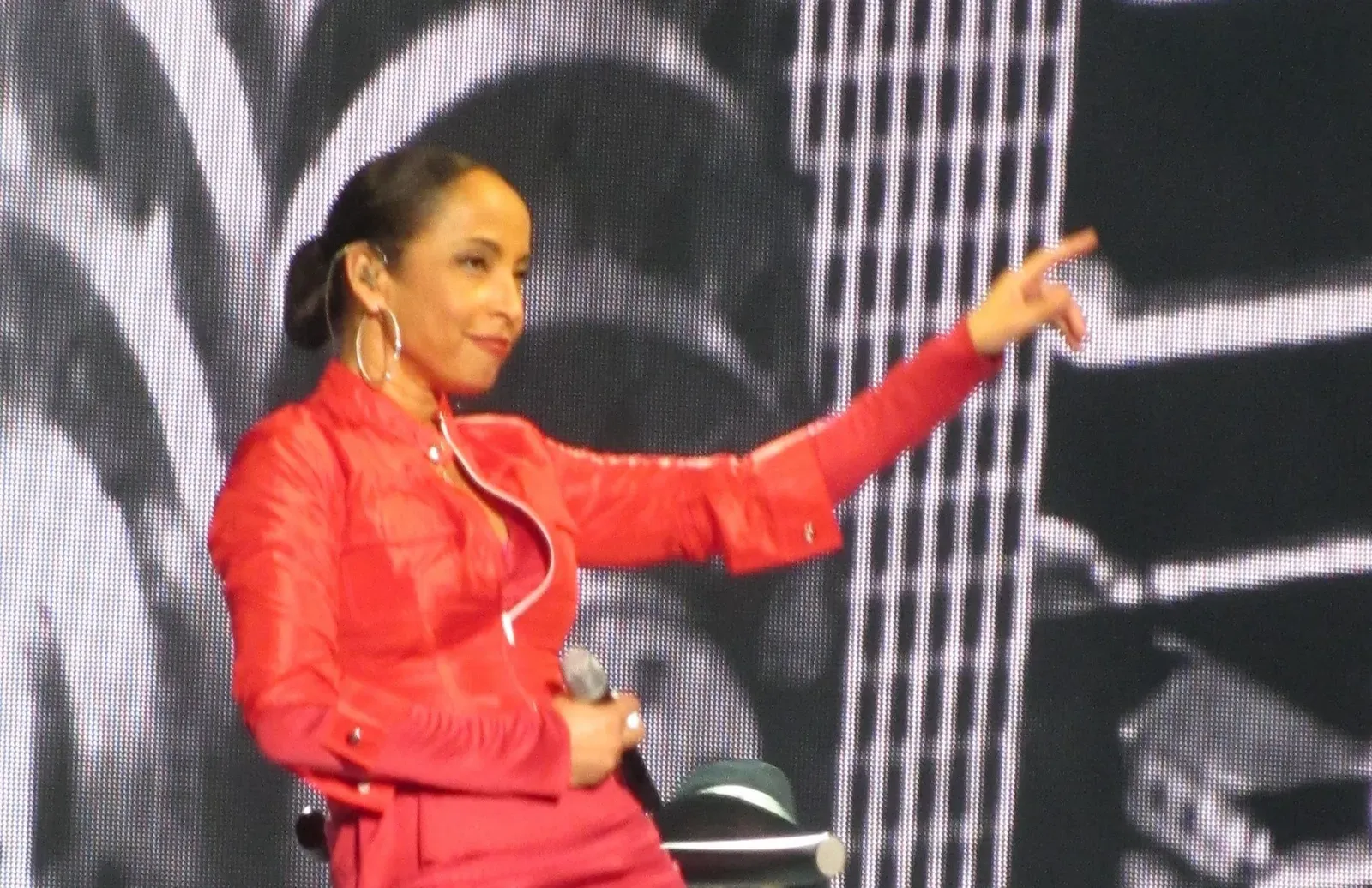
Sade has always worked slowly, and the long pauses between releases have become part of her identity. After Lovers Rock in 2000 and the tours that followed, she waited about ten years to release Soldier of Love in 2010. A tour followed in 2011.
Since then her output has been sparse, with a single song, Flower of the Universe, for the film A Wrinkle in Time in 2018. She has kept a low public profile and avoided constant promotion. Her approach shows that stepping back doesn’t always mean a formal retirement, only a refusal to hurry.
Partner offer
Planning a trip to Vegas?
Compare hotel rates and show tickets on VEGAS.com.