
There’s a particular kind of cruelty to hearing a medical prognosis that doubles as a professional death sentence. For musicians, whose identity is often inseparable from their craft, a serious illness or injury doesn’t just threaten their body. It threatens everything they’ve built. The stage, the instrument, the voice – all suddenly in question.
Some artists fold under that weight, and nobody could blame them. Others do something almost unreasonable: they keep going. The eight musicians below faced diagnoses and setbacks that, by any logical measure, should have ended their careers. They had other ideas.
Bruce Dickinson – Iron Maiden’s Indestructible Air-Raid Siren


Bruce Dickinson discovered he had a tumor roughly the size of a golf ball living at the base of his tongue, and by the time it was large enough to notice, it had been sitting there for an unknown stretch of time. He underwent seven weeks of intensive treatment, including radiation therapy. There was a real risk that his powerful vocals, which earned him the nickname “the Air-Raid Siren,” would be permanently altered by the radiation, potentially forcing him to give up singing entirely.
Dickinson was given the all-clear in May 2015 and returned to Iron Maiden, who put out their 16th album, The Book of Souls, the following September. His voice has since been described as better than ever, with Dickinson himself convinced his singing improved following the battle, though he obviously would have preferred to skip the diagnosis altogether. As of 2026, the band’s Run For Your Lives 50th anniversary world tour continues, with more dates still to come.
Tony Iommi – The Riff Architect Who Refused to Stop

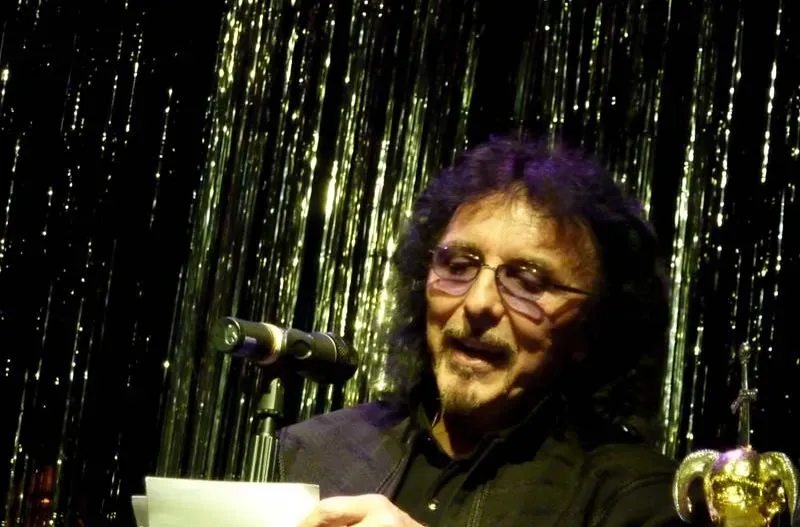
Iommi revealed his cancer diagnosis in early 2012, shortly after Black Sabbath announced a reunion tour and album. He underwent treatment throughout the recording of their album titled “13” and the subsequent tour to promote it. When the doctors told him he had cancer, his first thought was that it was a death sentence. He began writing himself off, lying awake at night thinking about who should speak at his funeral – but he also kept thinking he wasn’t ready to go yet, that he had too much to do.
After releasing the album, he went on tour and played 81 shows across 28 countries, flying home every six weeks for treatment. By August 2016, Iommi announced that his cancer was in remission. Considered one of the creators of heavy metal music and referred to as the “Godfather of Heavy Metal,” Iommi had already defied the odds once as a teenager – losing the tips of two fingers in a factory accident, then developing the down-tuned, power chord-heavy style that became the foundation of the entire genre.
Rod Stewart – The Raspy Voice That Survived Thyroid Cancer

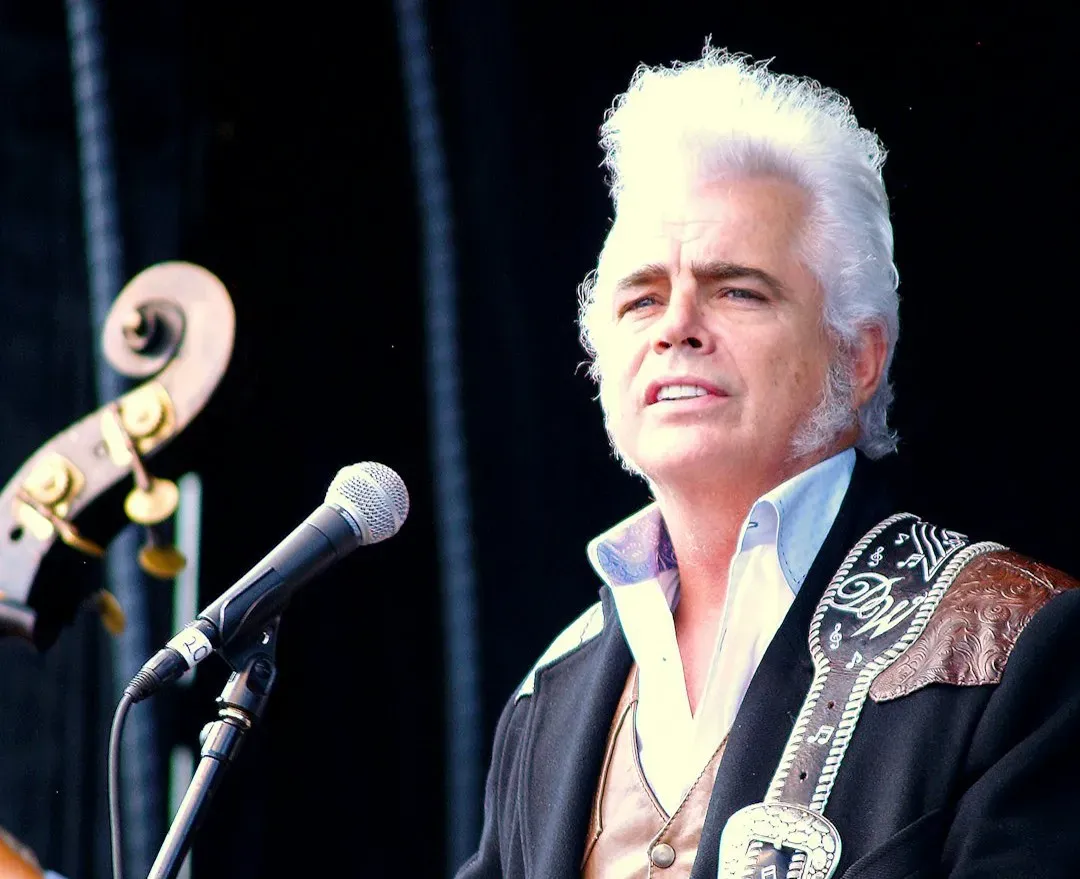
Stewart received a terrifying thyroid cancer diagnosis in 2000 that made his palms go cold. The scene played out like it does for thousands of people: he was waiting on test results from a routine checkup when his doctor found something, went in for a biopsy the next day, and the results came back malignant. Aside from the cancer itself, there was a serious risk that his vocal cords would be damaged during surgery – the merest mistake from the surgeon could have ended his career on the spot.
It took only two days for Stewart to go back to the hospital for surgery, and he famously used a fake name – Billy Potts – when he checked in, wanting to keep the whole ordeal private. The surgery was a success, and Stewart returned to performing with his voice intact. His career, which stretches back to the 1960s, continued uninterrupted. He remains one of the best-selling artists of all time, with well over a hundred million records sold worldwide.
Neil Young – Brain Aneurysm and the Unbroken Creative Spirit


In 2005, rock legend Neil Young was diagnosed with a brain aneurysm, a serious and immediate threat to his life. He underwent surgery to treat the condition and made a successful recovery, going on to release albums and tour. A brain aneurysm is the kind of diagnosis that stops a room cold – the kind that, in many cases, ends careers or ends lives. Young was fortunate enough to survive it, but the shadow of such a near-miss leaves a mark.
His Living with War album addressed social and political issues, showcasing his undiminished spirit in the years that followed. Young has remained one of the most consistently active voices in rock music, continuing to write, record, and speak on everything from music preservation to environmental issues. The aneurysm didn’t slow his output in any meaningful way. If anything, it seemed to sharpen his urgency.
Partner offer

Sheryl Crow – Breast Cancer and the Album That Followed


In 2006, Sheryl Crow was diagnosed with breast cancer at a time when her career was at a high point. Her battle involved surgery and radiation, and she was open about her experience, using her platform to promote awareness about the importance of regular screenings for women. That level of public candor took courage at a time when celebrity health disclosures were far less common than they are today.
Her 2008 album Detours included the song “Love Is Free,” which became an anthem for her recovery. Crow emerged from treatment not just healthy, but productive. She has continued releasing music and performing well into the 2020s, and her willingness to discuss her diagnosis publicly contributed to a broader cultural conversation about early cancer detection that almost certainly extended beyond her own fanbase.
Les Paul – The Guitar Pioneer Who Had His Arm Reset at a Playing Angle

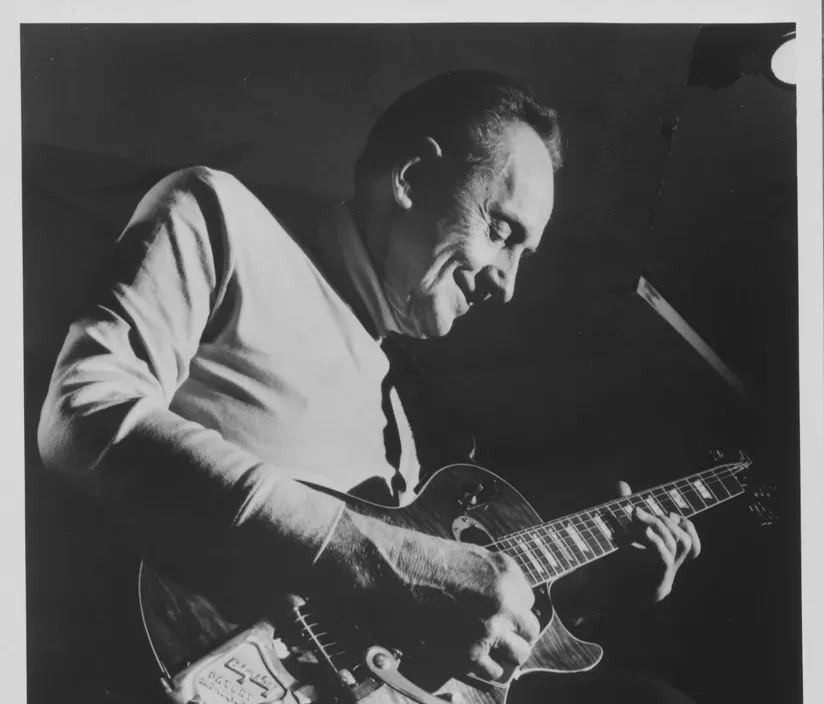
Les Paul suffered catastrophic injuries in a serious car accident, including six broken ribs, broken vertebrae, a fractured pelvis, a punctured spleen, a broken nose, and his right arm was shattered with a crushed elbow. He also contracted pneumonia after lying in the snow for eight hours waiting for help. After being rushed to hospital, Les was told that his right arm might have to be amputated, though he was determined to keep it and play guitar again. After several surgeries, he was flown to California to see a bone specialist.
Doctors told him they could replace his elbow with a piece of bone from his leg, saving his arm from amputation but leaving him permanently unable to bend it. He agreed – and had his doctor set the arm in the exact position he used to play guitar. After more than a year of rehabilitation and practice, Les Paul adapted to his altered arm, regained his ability to play, and went on to write and perform chart-topping songs. His story is one of the most extraordinary acts of sheer creative will in music history.
Avril Lavigne – Lyme Disease and the Comeback Nobody Expected


Pop-punk singer Avril Lavigne thought she was dying when she was diagnosed with Lyme disease after her 30th birthday, contracted from a tick bite in spring 2014. She was bedridden for five months at her home in Ontario and took a year and a half out of the spotlight. Lyme disease remains widely misunderstood, often dismissed or misdiagnosed, and the severity of Lavigne’s case put the spotlight on just how debilitating the illness can become when it goes undetected.
Inspired by her health battle, Lavigne released her comeback album Head Above Water in 2019 and detailed more about her struggle in its titular lead single. The album marked a genuine artistic reset, one that was honest about what she had been through rather than papering over it. She has continued recording and performing since, and her openness about Lyme disease helped push the condition into mainstream awareness in a way that medical advocates had been struggling to achieve on their own.
Django Reinhardt – The Jazz Giant Who Rewrote Guitar with Two Fingers

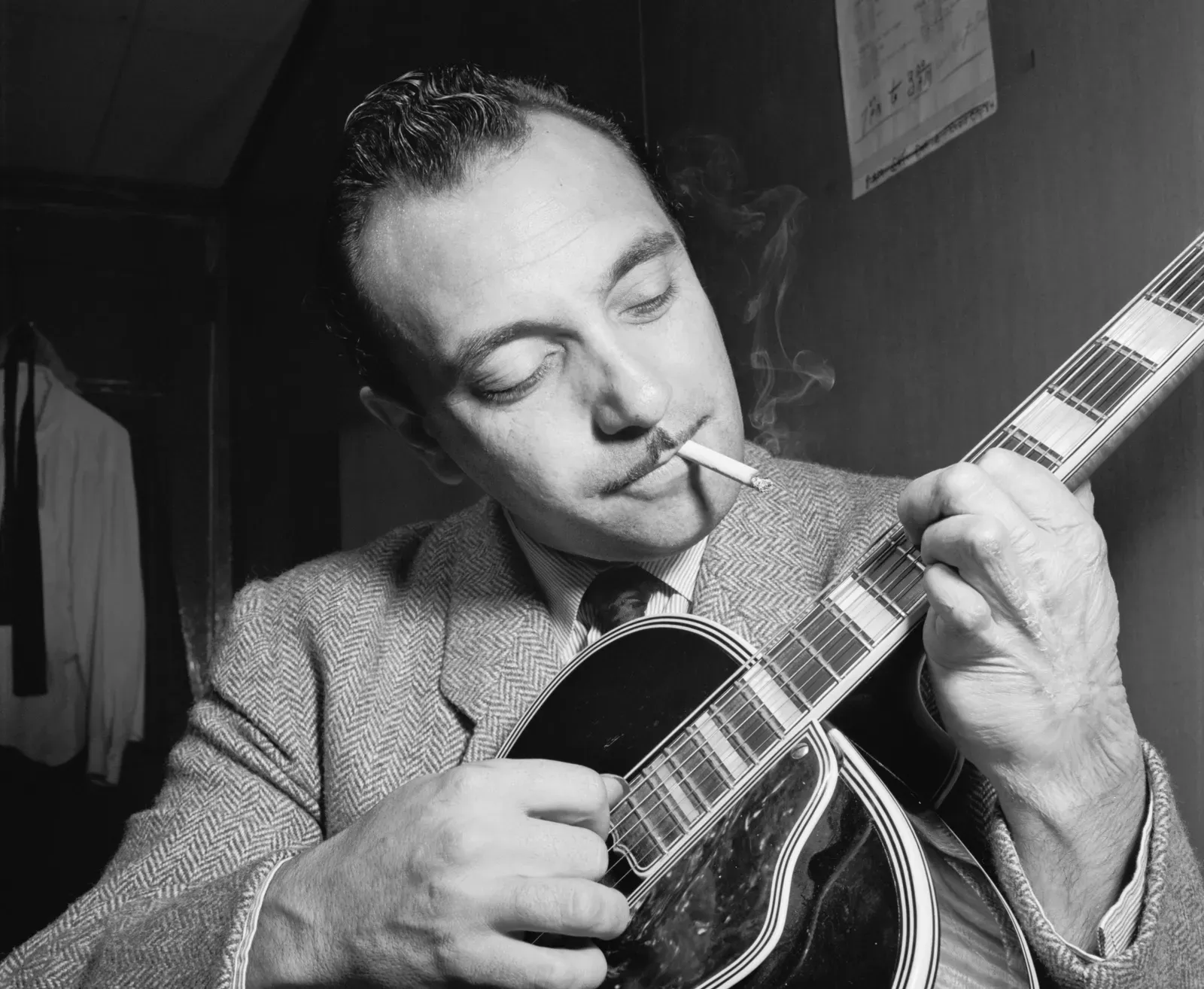
With rehabilitation and intensive practice, Django Reinhardt relearned his craft in a completely new way, even as his fourth and fifth fingers remained partially paralyzed. He played all of his guitar solos with only two fingers and used the two injured ones only for chord work. The backstory: Reinhardt suffered severe burns to his left hand in a caravan fire in 1928, injuries so devastating that any conventional guitar career should have been over before it started.
The list of guitarists influenced by Reinhardt is as long as your arm. His innovations didn’t just save his career – they redefined what the instrument could do. He became the founding voice of jazz manouche, a style that remains studied and imitated nearly a century later. His example directly inspired a young Tony Iommi, who nearly gave up guitar after losing fingertips in a factory accident, until his foreman played him some Django Reinhardt music and told him how Reinhardt had overcome his own devastating injury. One musician’s refusal to quit, it turns out, became the direct catalyst for another.
What connects these eight musicians isn’t just resilience as a concept. It’s something more specific: the refusal to let a diagnosis write the final chapter. Medical prognoses are built on statistics and averages, and statistics don’t account for the kind of stubborn, creative drive that makes someone set a broken arm at a playing angle or step back onstage after months of silence. These stories don’t minimize the weight of illness. They simply remind us that the weight doesn’t always win.
Partner offer
Planning a trip to Vegas?
Compare hotel rates and show tickets on VEGAS.com.