



Songwriting credit sounds like a simple thing. Someone writes a song, their name goes on it, and the royalties follow. In practice, the music business has never worked that cleanly, and the history of pop, rock, and jazz is full of cases where the person who actually wrote a hit watched someone else’s name appear on the label instead. Sometimes it happened through pseudonyms, sometimes through legal battles that dragged on for years, and sometimes through simple industry politics that favored the star over the writer in the shadows. The eight stories below cover different decades and different genres, but they share the same uncomfortable thread: talent that shaped a hit record while staying almost invisible on paper.
Ingrid Chavez and Madonna’s “Justify My Love”


When “Justify My Love” became Madonna’s chart topping single in 1990, Lenny Kravitz was widely known as the songwriter behind it, having built the demo and pitched it directly to her. Kravitz called Madonna to offer her a demo of “Justify My Love,” coming off the momentum of his “Let Love Rule” tour, telling her he had a chart topping song for her. What went largely unmentioned for a while was that the spoken word lyrics on that original demo came from someone else entirely.
While Kravitz took the credit for the song publicly, Ingrid Chavez, an artist connected to Prince, had written the lyrics used in the original demo and later sued for a songwriting credit. Her legal action eventually forced a correction to the official credits, though by then the song had already cemented itself in the public mind as a Kravitz composition. It remains one of the clearer examples of how a writer’s actual role can get flattened once a bigger name takes a song to the finish line.
Prince and The Bangles’ “Manic Monday”

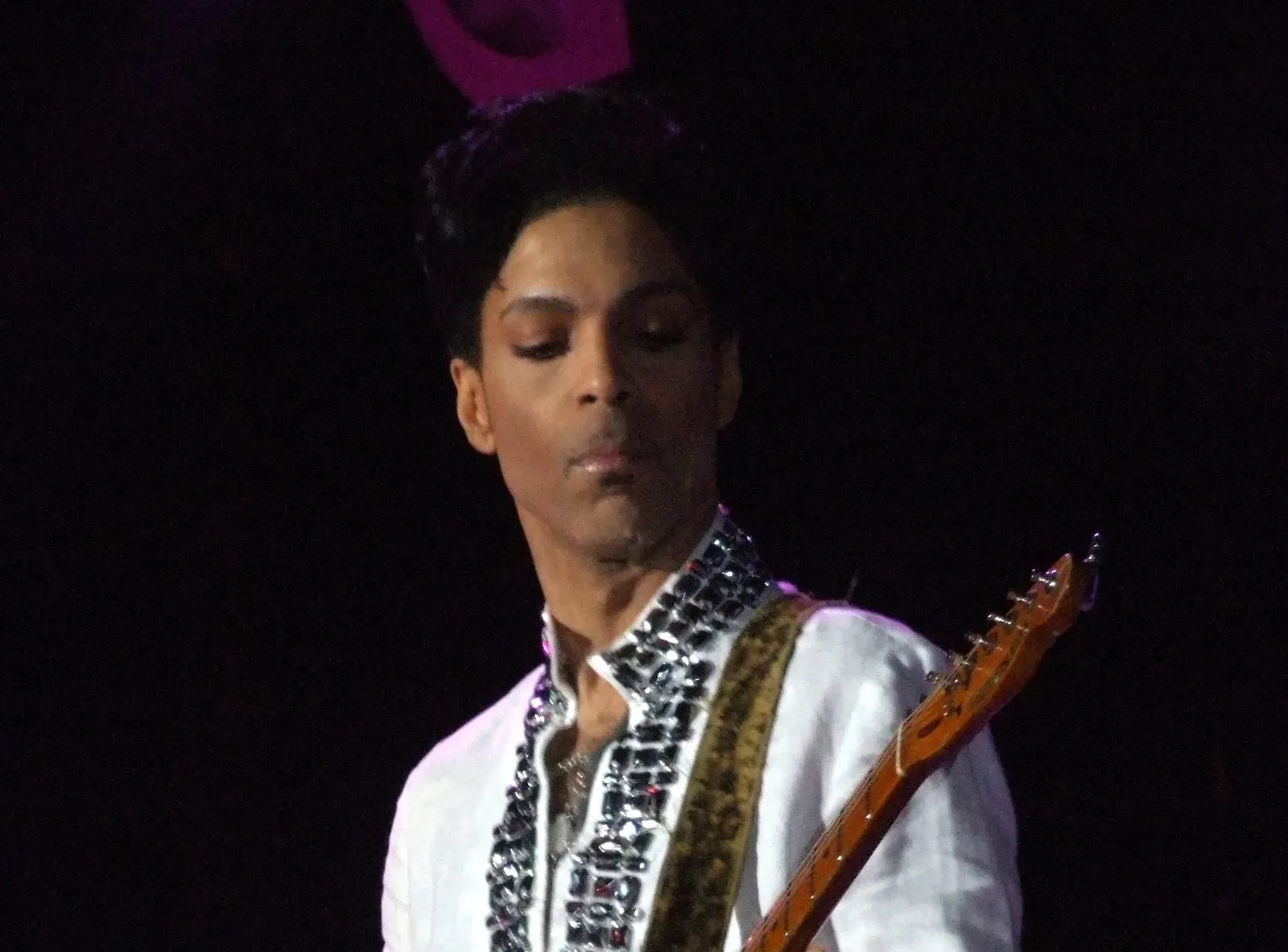
Prince wrote constantly, often faster than he could release material under his own name, so he built a habit of handing songs to other artists under invented identities. “Manic Monday” was credited to a songwriter named Christopher when The Bangles released it in 1986, with Prince having originally written the song for the trio Apollonia 6 back in 1984. Casual listeners at the time had no reason to connect the breezy piano hit to him at all.
The Bangles turned “Manic Monday” into a genuine breakthrough, and for years many fans assumed it was simply written within the band’s own circle. Only later, as Prince’s history of pseudonymous songwriting became public knowledge through interviews and posthumous archival releases, did the full picture emerge. His name never appeared on the original single, and that was entirely intentional on his part.
Billy Strayhorn and Duke Ellington’s orchestra

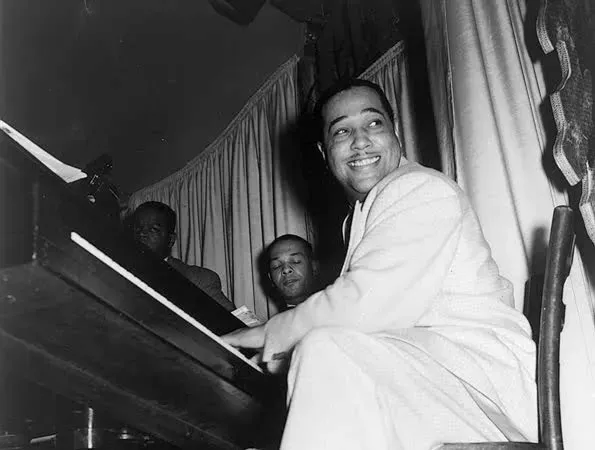
Billy Strayhorn spent nearly three decades working alongside Duke Ellington, composing pieces that became inseparable from the Ellington brand even though Strayhorn wrote a striking share of the material himself. Strayhorn was lesser known and often uncredited, despite having written about 40 percent of Duke Ellington’s music. Songs like “Satin Doll” carried the weight of Ellington’s name while Strayhorn’s pen did much of the actual work.
He served as Ellington’s amanuensis and often uncredited co-composer on some of Duke’s most iconic pieces, including “Satin Doll” and “Take the ‘A’ Train.” Strayhorn’s reasons for staying in the background were partly personal, since he lived as an openly gay man in an era that made a solo public career far riskier for him than staying close to Ellington’s shadow. It took decades, along with biographical research after his death, for his contributions to receive anything close to proper recognition.
Darryl Neudorf and Sarah McLachlan’s early hits
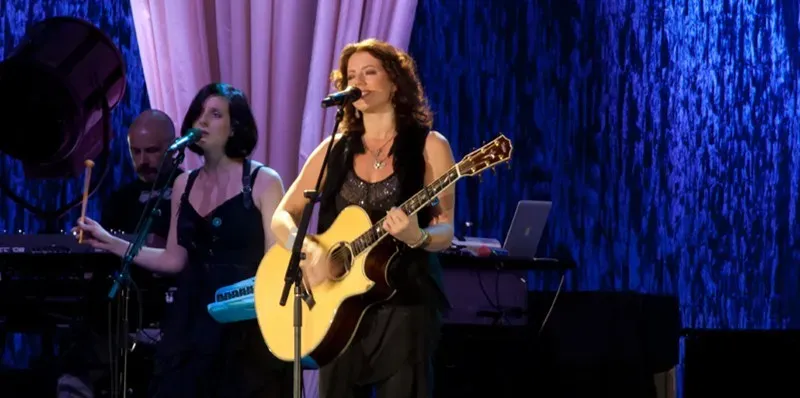
Before Sarah McLachlan became one of the defining voices of 1990s adult alternative music, she worked closely with producer and musician Darryl Neudorf on her debut album. In 1987, Neudorf worked on the project for Nettwerk Productions involving newly signed artist Sarah McLachlan, and the resulting album, Touch, drew the interest of Arista Records, with two of the songs he worked on becoming commercial hits in Canada. That early success helped launch McLachlan’s career on a much bigger stage.
In 1993, Neudorf filed a lawsuit alleging he had made a significant and uncredited contribution to the songwriting on Touch, though the judge ultimately ruled in McLachlan’s favor on the songwriting question while siding with Neudorf on a separate payment dispute. The court’s reasoning centered on the idea that neither side had ever treated the arrangement as true joint authorship, even if Neudorf’s fingerprints were on the finished songs. It stands as one of the clearer legal reminders that contributing to a hit and being legally recognized as its writer are not always the same thing.
Mike Love and The Beach Boys’ “Surfin’ USA”


Mike Love spent decades as the voice most people associate with The Beach Boys, yet for a long stretch of the band’s history his name was missing from songwriting credits on tracks he helped shape. Love, cousin to the Wilson brothers, sued for songwriting credits, alleging he contributed to 79 songs including “Surfin’ USA,” a claim Brian Wilson confirmed in a 1974 radio interview. That confirmation from Wilson himself gave the claim real weight rather than leaving it as a simple dispute between relatives.
The lawsuit eventually corrected the record on several songs, but only after Love had spent years performing hits without any formal acknowledgment of his role in writing them. Royalties from decades of radio play and licensing had already flowed in one direction by the time credit caught up with the facts. It remains one of the more publicized family disputes in rock history precisely because the financial stakes were so large.
Lou Gramm and Foreigner’s “I Want to Know What Love Is”

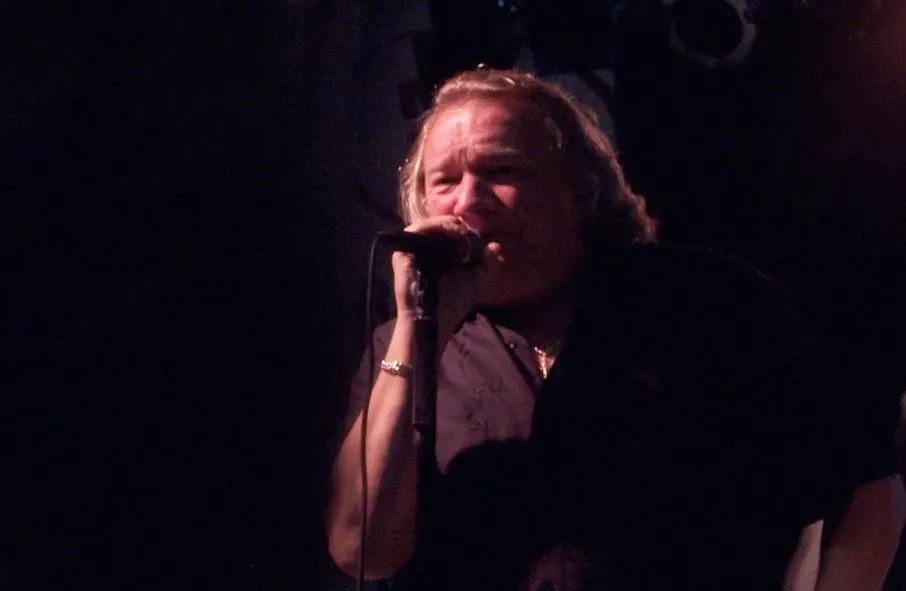
Foreigner’s biggest ballad became a defining power anthem of the 1980s, built around a vocal performance from Lou Gramm that many listeners assumed reflected his own writing as much as his singing. Foreigner’s power ballad led to a disagreement between Lou Gramm and Mick Jones over songwriting credits, and despite Gramm’s contributions, Jones took full credit, leaving the dispute unresolved. The tension between the two men over authorship became part of the band’s larger, well documented internal friction.
Gramm’s voice is arguably the single element most people remember about the song, yet the official songwriting line has stayed with Jones. That gap between vocal identity and written credit is common in rock bands built around a frontman and a primary composer, but it rarely gets resolved cleanly once a song becomes a signature hit. The disagreement never went to court, which means the public record on writing credit has simply stayed as it was set at release.
Rita Coolidge and Derek and the Dominos’ “Layla”

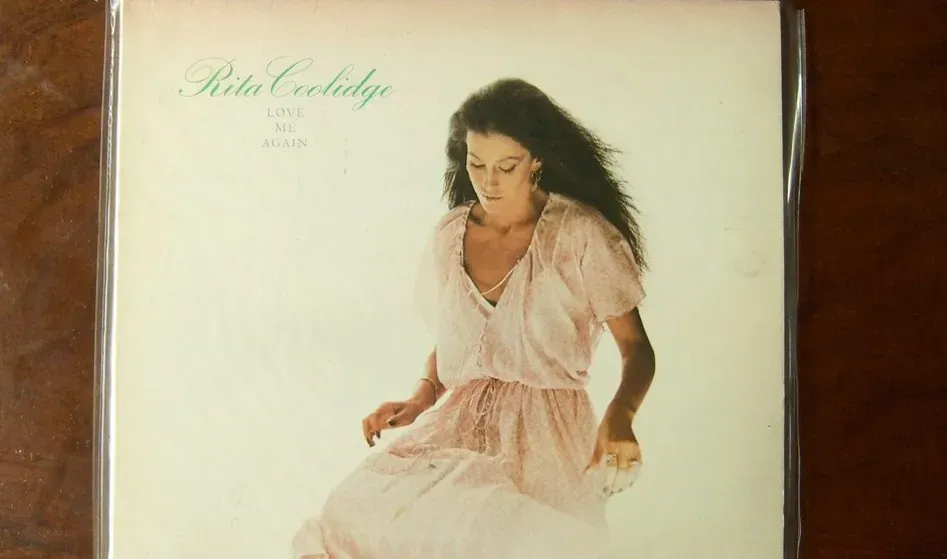
“Layla” is remembered for its explosive opening riff, but the song’s quieter, more haunting second half has its own contested history. Derek and the Dominos’ “Layla” hides a secret, since while Eric Clapton and Jim Gordon are credited for its creation, the emotional instrumental second half may have roots in Rita Coolidge’s unrewarded collaboration. Coolidge, a respected singer and songwriter in her own right, has long been associated with the piano theme that gives the track its emotional close.
The official credit for that section has stayed with drummer Jim Gordon, whose songwriting contribution earned him a share of one of rock’s most enduring compositions. Coolidge’s connection to the melody has circulated for years among musicians and critics, even without a formal correction to the credits. It is a quieter kind of dispute than a lawsuit, built more on musical memory and industry rumor than legal action.
George Harrison and Ringo Starr’s “It Don’t Come Easy”

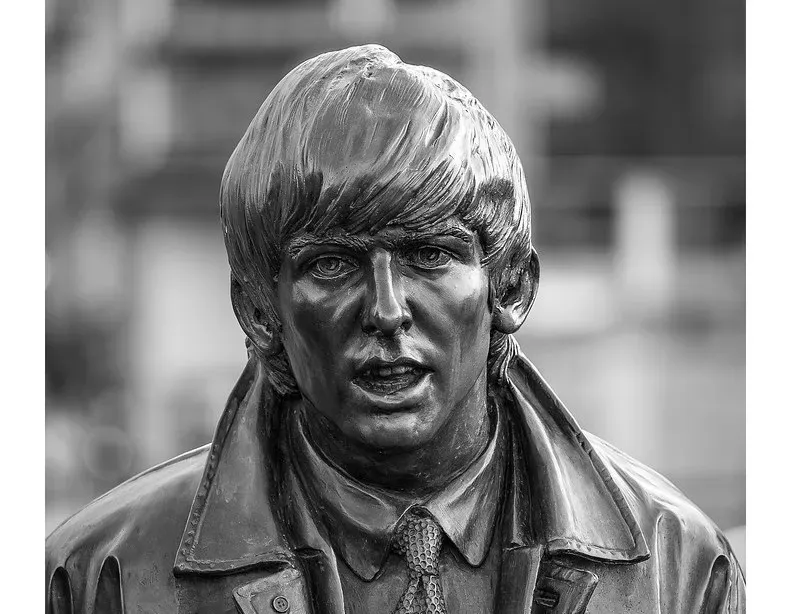
Ringo Starr’s early solo career benefited enormously from close involvement by his former Beatles bandmate George Harrison, who produced and shaped several of his hits. “It Don’t Come Easy” was officially credited to Ringo Starr but had heavy input from George Harrison, something Starr confirmed in a 1998 episode of Storytellers, revealing that the two wrote the song together. The confirmation came straight from Starr himself, which removes much of the ambiguity that surrounds other cases on this list.
Harrison is a credited songwriter only on “Photograph,” but he had a heavy hand in the composition of “It Don’t Come Easy” as well. The two men’s long friendship likely made the arrangement feel less like an injustice at the time and more like a favor between former bandmates. Even so, it means one of Starr’s most recognizable solo hits carries only one name on the credits despite being a genuine collaboration underneath.
These eight stories span jazz orchestras, arena rock, and glossy 1980s pop, but they all point to the same quiet reality behind the music industry’s credit system. A song’s writer and a song’s public face are not always the same person, and history has repeatedly shown how easily that distinction gets lost once a record climbs the charts. Some of these writers eventually won recognition through lawsuits or later interviews, while others simply remain a footnote for anyone willing to dig past the label copy.

