
Writing a novel usually takes months or years, yet some famous books were drafted in a few weeks. Some of these stories are well documented by the authors themselves. Others come from a mix of memoir, letters and publishing lore, so the details can be hard to pin down.
Here are eight novels commonly cited as . I’ve kept to the claims that are widely reported and noted where the timeline comes from the author’s own account.
1. A Study in Scarlet by Arthur Conan Doyle


Doyle’s first Sherlock Holmes novel is often described as written in about three weeks in 1886. The book introduced Holmes and Dr. Watson to readers and appeared in Beeton’s Christmas Annual in 1887.
It wasn’t an instant sensation. Still, it started a series that became one of the best known in crime fiction, which shows how a quick draft can have a long afterlife.
2. The Strange Case of Dr Jekyll and Mr Hyde by Robert Louis Stevenson


Stevenson is widely reported to have written the first draft in a few days, after a vivid dream, and then rewritten it. The book was published in 1886 and sold well. Accounts of the exact number of days vary, so it’s safest to say the draft came together very quickly.
The short length helped, since it’s a novella. Its idea of a divided self has kept it in print and in adaptations for well over a century.
3. On the Road by Jack Kerouac


Kerouac typed the famous “scroll” version of On the Road in April 1951, in roughly three weeks. He used a long roll of paper so he wouldn’t have to stop and change sheets. The book wasn’t published until 1957, after substantial revision.
The original scroll was later bought and displayed, and a version closer to it was published in 2007. The speed is part of the legend, but the long gap before publication shows that the quick draft wasn’t the whole story.
4. The Running Man by Stephen King (as Richard Bachman)


King has said he wrote The Running Man over a very short stretch, around a long weekend or several days, as a young writer. It was published under the pen name Richard Bachman in 1982. Since this timeline comes mainly from King’s own recollections, treat the exact length as approximate.
The Bachman books were often written fast. This dystopian story was later adapted into a 1987 film and a new adaptation was released in 2025.
Partner offer

5. The Dharma Bums by Jack Kerouac


Kerouac is often reported to have written The Dharma Bums in about ten days in 1957. It was published in 1958, shortly after On the Road made him famous. It follows characters inspired by his own circle, including Gary Snyder.
The story reflects his interest in Buddhism and the outdoors. Like many of his books, it was drawn from lived experience, which helped him write quickly.
6. The Gambler by Fyodor Dostoevsky

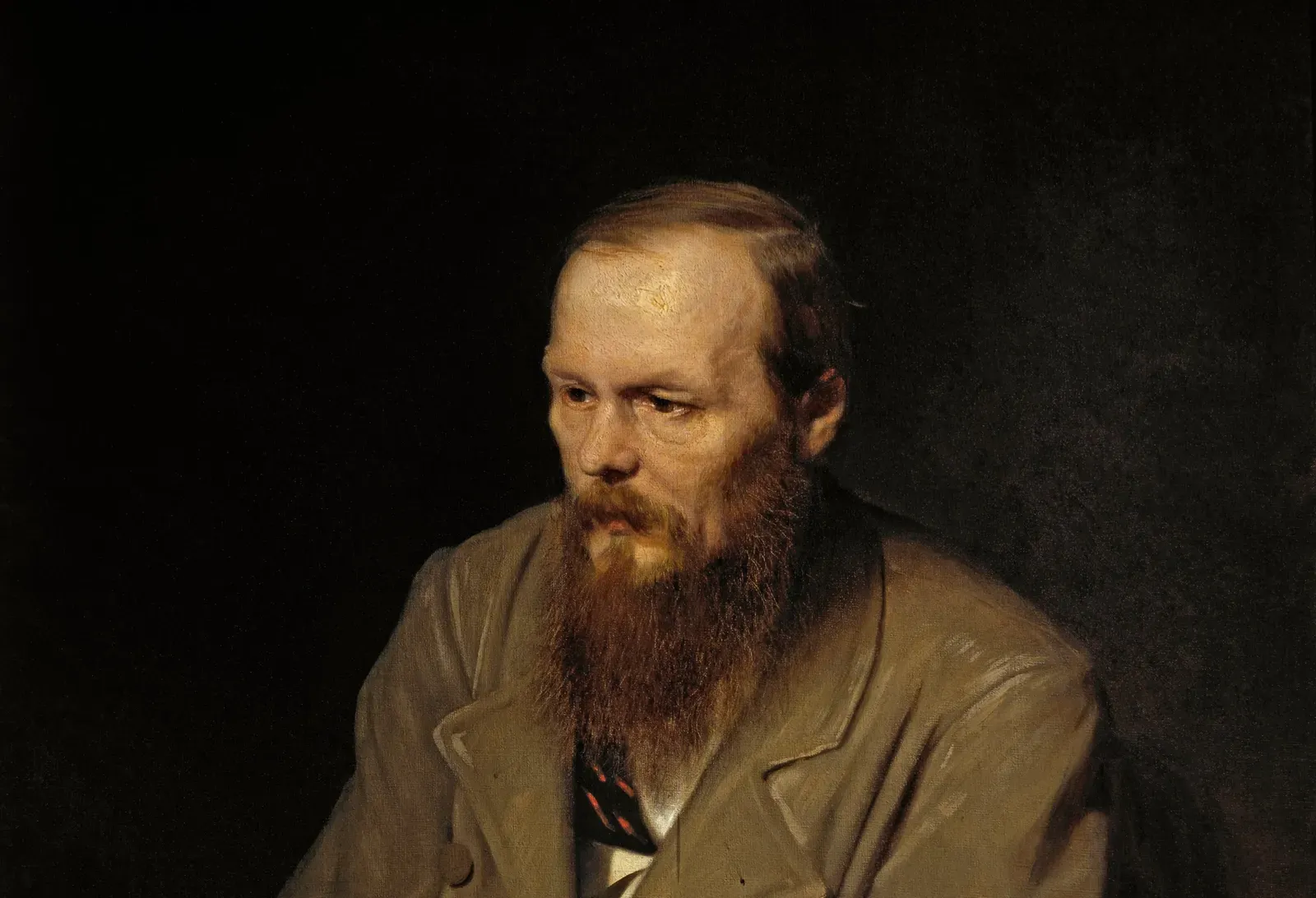
Dostoevsky dictated The Gambler in 1866 in about 26 days. He was under contract pressure, since a publisher held rights to his work if he missed a deadline. He dictated to a young stenographer, Anna Snitkina, who later became his wife.
This story is well documented and is among the best examples of deadline-driven writing. The novella draws on his own gambling troubles.
7. The Tale of Genji? No: Fahrenheit 451 by Ray Bradbury

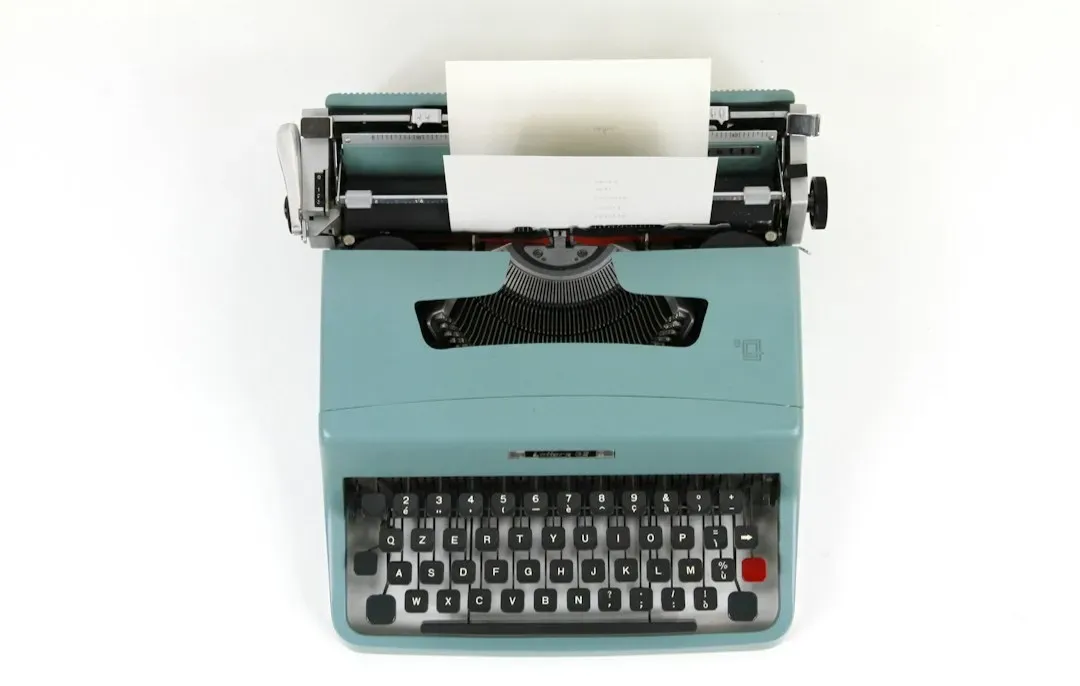
Bradbury famously wrote the early version of Fahrenheit 451 in about nine days in 1950, as a novella called The Fireman. He typed on a rented typewriter in the basement of UCLA’s Powell Library, paying by the half hour. He later expanded it, and the novel was published in 1953.
The rented-typewriter detail is one of the best known writing stories in American literature. It’s a reminder that “” often describes a first draft rather than the finished book.
8. A Clockwork Orange by Anthony Burgess


Burgess later said he wrote A Clockwork Orange in about three weeks in 1961. The novel was published in 1962 and uses invented teenage slang called Nadsat. He has described the book as something he wrote quickly, though he later had mixed feelings about its fame.
Because the timing comes largely from Burgess’s own accounts, it’s worth treating as his recollection. The book remains a staple of dystopian fiction, helped by Stanley Kubrick’s 1971 film.
These books show that speed and lasting quality can go together. They also show that quick drafts often came with pressure, obsession or a clear idea, followed by careful revision. A fast first draft can be where a book begins, not where it ends.
Partner offer
Planning a trip to Vegas?
Compare hotel rates and show tickets on VEGAS.com.