Picture two kids who both landed a hit show at age ten. Twenty years later, one is still booking roles, and the other runs a bakery, teaches, or works somewhere far from a camera. The gap rarely comes down to talent alone.
Careers that start in childhood tend to follow a handful of patterns, some practical, some personal. Here are eight reasons that help explain why certain young performers stayed in the business while others chose a different life.
Family Support That Protected the Child First


Parents and guardians shape a young actor’s path more than almost anyone. When they treat acting as one part of a childhood rather than the whole of it, kids often get room to grow without burning out. Ron Howard, who began as a child on television, kept working as an adult partly because his family stayed grounded around him.
The opposite can happen too. When a family depends on a child’s income or pushes too hard, the job can start to feel like an obligation. Those who later walked away often described the work as something they never fully chose.
Legal Protections for Earnings and Wellbeing

Laws that protect young performers have slowly improved. California’s Coogan Law requires that a portion of a minor performer’s earnings be set aside in a trust account. It exists because child actor Jackie Coogan found as an adult that little of his money had been saved.
Financial security can change the decision to continue or stop. A performer with savings can afford to be picky or take a break, while one without them may feel stuck or leave abruptly. The safeguards are far from perfect, but they matter.
Moving From Cute Roles to Grown Up Parts


Casting is blunt about age. A child who played the adorable kid next door can struggle when audiences and directors still see them that way. Some, like Jodie Foster, made the shift by choosing darker, more complex parts as teenagers and building a reputation for range.
Others never get that second look. A show may end, a face changes, and the offers simply dry up. In many cases it isn’t a lack of ability, just an industry that rarely knows what to do with a former kid.
Typecasting After a Defining Role


One famous part can open doors and close them at the same time. Daniel Radcliffe, known worldwide for Harry Potter, deliberately chose offbeat stage and film work afterward to widen how people saw him. That strategy helped him stay busy long after the franchise ended.
Partner offer

Not everyone has that chance or wants it. Some actors found that audiences could not separate them from one character, and stepping away felt easier than fighting the label for decades.
Genuine Love of the Craft


Some young performers discover that they like acting itself, not just the attention. Natalie Portman, who started in film as a child, kept returning to acting while also pursuing a psychology degree at Harvard. Her interest in the work seemed to stay steady as she grew up.
Others realize in their teens or twenties that they never wanted it. That realization is healthy, even if it surprises fans. Leaving can be a sign of self-knowledge rather than failure.
The Toll of Early Fame and Mental Health

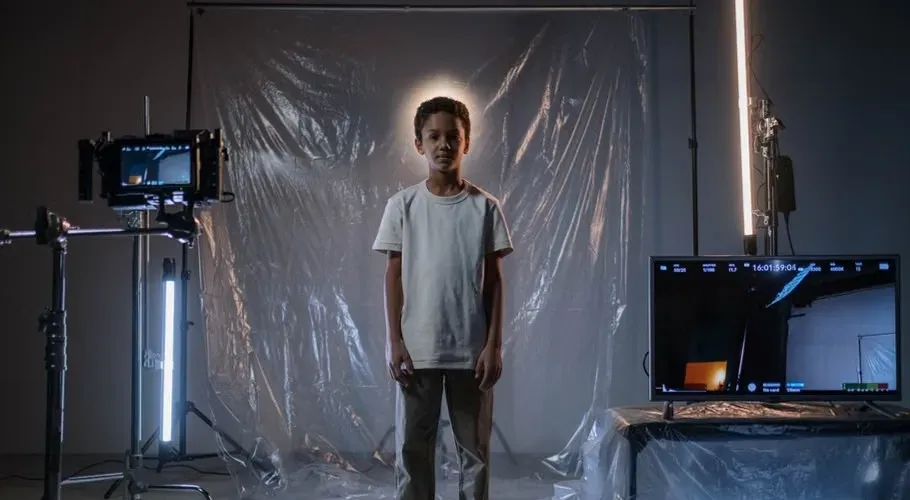
Growing up in public is hard on anyone. Constant scrutiny, tabloid coverage, and pressure to stay marketable can wear down a young person’s sense of self. Several former child actors have spoken publicly about anxiety, depression, or addiction connected to those early years.
Support makes a difference, whether that is therapy, a stable social circle, or time away from the spotlight. Those who got help often found a way to continue on their own terms. Others decided that the best way to heal was to leave the industry entirely.
Education and Other Interests

A child with a strong second passion has somewhere else to go. Mayim Bialik, who starred in Blossom as a teen, earned a doctorate in neuroscience and later returned to acting in The Big Bang Theory. Having a path outside entertainment gave her freedom to leave and later come back by choice.
Many former child stars have gone into teaching, business, law, or behind the camera. For them, acting was a chapter, not a life sentence. College or trade training often marks the turning point.
Industry Changes and New Ways to Work


The entertainment world looks different now than it did a generation ago. Streaming, social media, and independent production have created more avenues for young talent, and for former child actors trying to reinvent themselves. Some move into directing, producing, voice work, or writing rather than staying in front of the camera.
Those flexible options let more people remain in the industry in some form. For others, the unpredictable nature of the work, with long gaps between jobs, is reason enough to choose steadier ground.
Partner offer
Planning a trip to Vegas?
Compare hotel rates and show tickets on VEGAS.com.