Most people in Las Vegas don’t look up from their chips long enough to realize they’re sitting in one of the most geologically dramatic regions in the entire United States. The neon and the noise make it easy to forget. But here’s what the tourists rarely find out: you don’t need to drive an hour west to Red Rock to get your boots dirty. There are trails hiding in plain sight, some within a 15-minute drive of the Strip, and most visitors never even hear about them. Honestly, that’s what makes them special.
When most people think of Las Vegas, they think of the bright lights of the strip. Locals, though, know that Las Vegas is a great and underrated city for hiking, with options to the north, south, and east of the valley. The trails listed here prove exactly that. So let’s get into it.
1. Clark County Wetlands Park Nature Preserve Loop

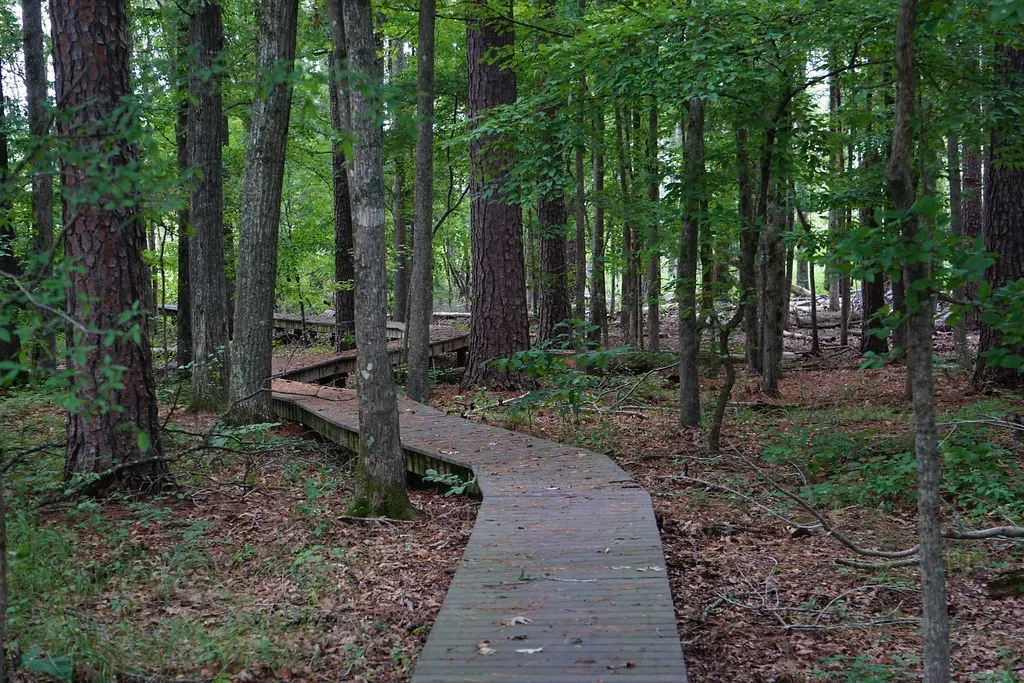
This one genuinely surprises people. You step out of an urban landscape and into something that feels like it belongs hundreds of miles away. Clark County Wetlands Park spans 2,900 acres on the eastern edge of the Las Vegas Valley, featuring a 210-acre Nature Preserve and five trailheads that provide both recreation opportunities and critical wildlife habitat.
Bird-watchers flock to Wetlands Park for the chance to spot any of more than 280 species that the Red Rock Audubon Society says frequent the desert park, including quail, sandpipers, wood ducks, great blue herons, and egrets. The 210-acre preserve, located just 20 minutes from the Strip, has more than seven miles of paved and unpaved trails that loop past ponds, over washes, and through cottonwood groves.
The Nature Preserve Loop clocks in at about 2.1 miles and is generally considered an easy route, taking roughly 38 minutes to complete, with a minimal elevation gain of just 36 feet. It’s free to enter, open year-round, and genuinely one of the most underrated green spaces in all of Nevada. Don’t go expecting silence on weekends, though. It draws a crowd of locals who know exactly how good it is.
2. Lone Mountain Summit Trail

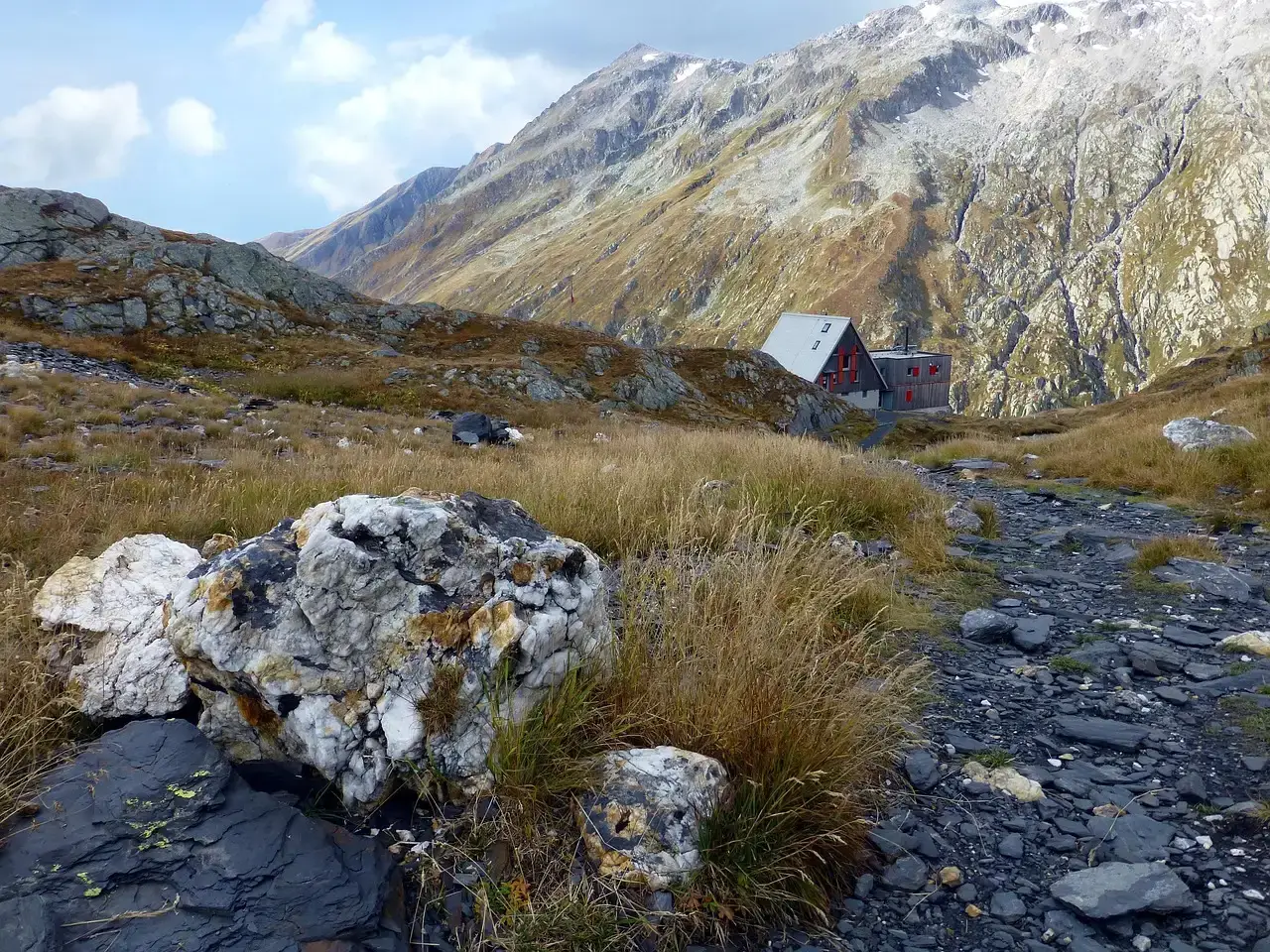
Here’s the thing about Lone Mountain: it sits right in the middle of suburban Las Vegas, and most visitors drive past it on the 215 without a second glance. That’s a massive mistake. The Lone Mountain Trail takes you to an isolated, rocky peak that offers great views of Las Vegas and the surrounding mountain ranges, including a glimpse of Mt. Charleston. The hike is only minutes from downtown Las Vegas and is a popular workout spot for locals.
This 2.3-mile out-and-back trail is generally considered a moderately challenging route, taking an average of about an hour and twenty minutes to complete, with an elevation gain of 659 feet. Located in Vegas’ northwest, the hike is fairly moderate without required scrambling. On clear days, you can see from Summerlin all the way to Henderson, taking in Las Vegas Boulevard and Mt. Charleston.
What makes Lone Mountain especially unique is its direct access to a rugged limestone peak that rises over 600 feet above the surrounding area. The loose gravel on the descent is real, so wear proper shoes. This is not a flip-flop kind of hike.
3. Sloan Canyon Petroglyph Canyon Trail

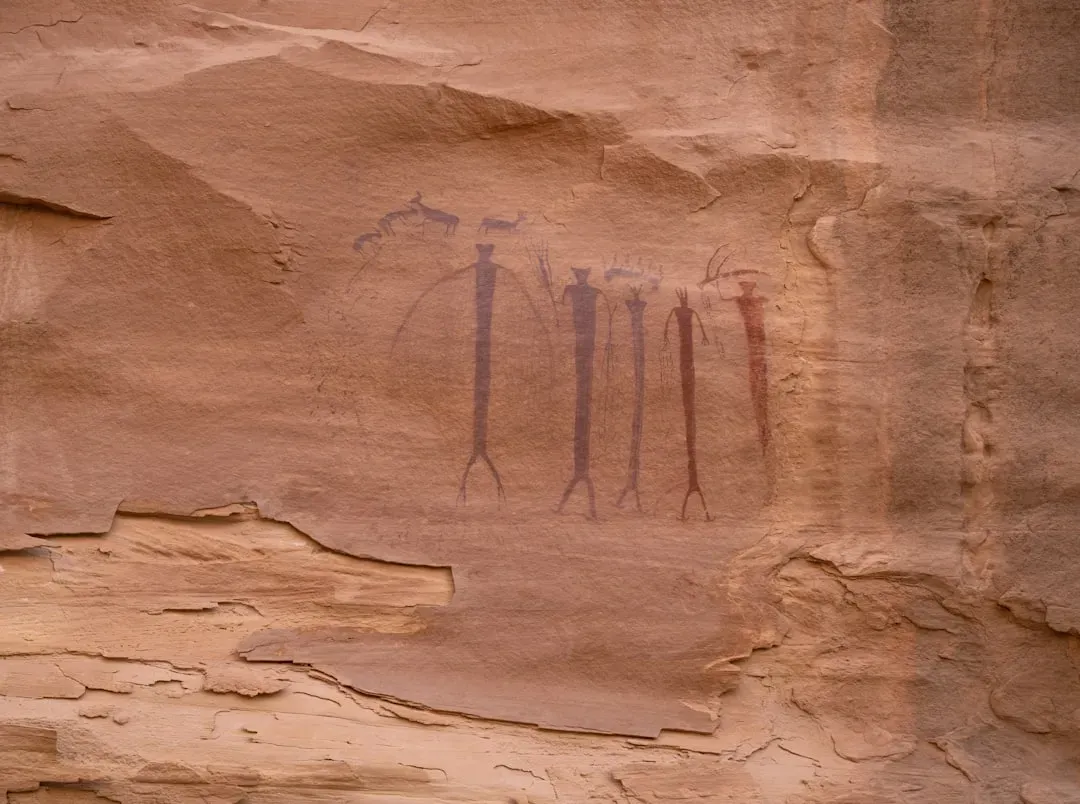
If you have even a passing interest in ancient history, this trail is almost indescribably cool. The centerpiece of the area is the Sloan Canyon Petroglyph Site, one of the most significant cultural resources in Southern Nevada. Archaeologists believe the more than 300 rock art panels with 1,700 individual design elements were created by native cultures from the Archaic to the historic era.
Sloan Canyon is a bit of a surprise because it butts up against a neighborhood yet preserves 48,438 acres of native land protecting one of the region’s most important petroglyph sites. Think about that number. Nearly 1,700 individual designs etched into volcanic rock, right on the edge of modern suburbia. It’s one of those genuinely surreal experiences you don’t get anywhere else.
Important note as of 2024: Nawghaw Poa Road and the main parking area are temporarily closed until November 2026 during construction of a new visitor contact station. The Petroglyph Canyon Trail and the 101 Trail have been rerouted, with parking moved to Democracy Drive. Plan accordingly before you make the drive out.
4. Wetlands Duck Creek, Coyote Howl, and Quail Run Trails

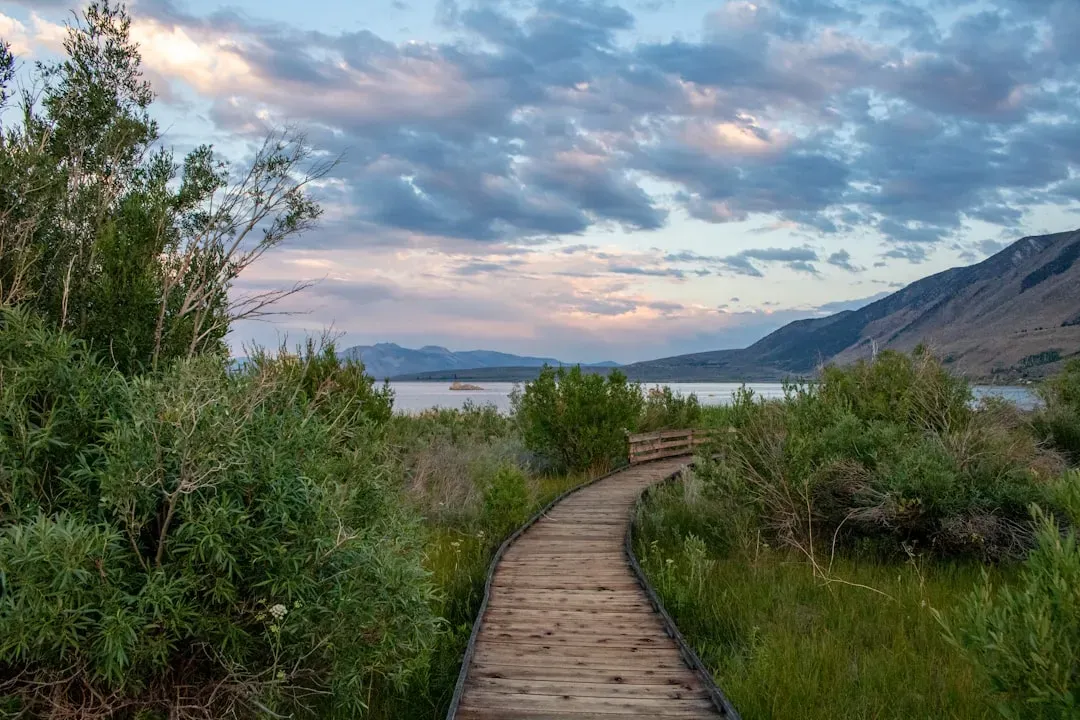
Most people who visit Wetlands Park stick to the main loop. The Duck Creek trail system is where the real locals disappear to, and it feels like an entirely different park. The Quail Run, Duck Creek, and Coyote Howl trails are short paved paths through tall shrubs, grass, and trees, all ending at Dragonfly Divide, an unpaved portion of the Wetlands Loop Trail.
The Wetlands Park protects 2,900 acres of unique and varied wildlife habitat. The Las Vegas Wash flows through the park, supporting fragile and threatened areas of marsh and riparian habitat, with coyote, quail, and rabbit especially prolific along the wash at dawn and dusk.
There is no fee to use these trails, and the main trailhead on Broadbent Boulevard and its parking area is open 24 hours. I think that detail alone makes this one of the most underrated spots on this whole list. Free, accessible at any hour, and surprisingly wild-feeling. Hard to beat that combination.
5. Lone Mountain Summit and Loop Combined Route

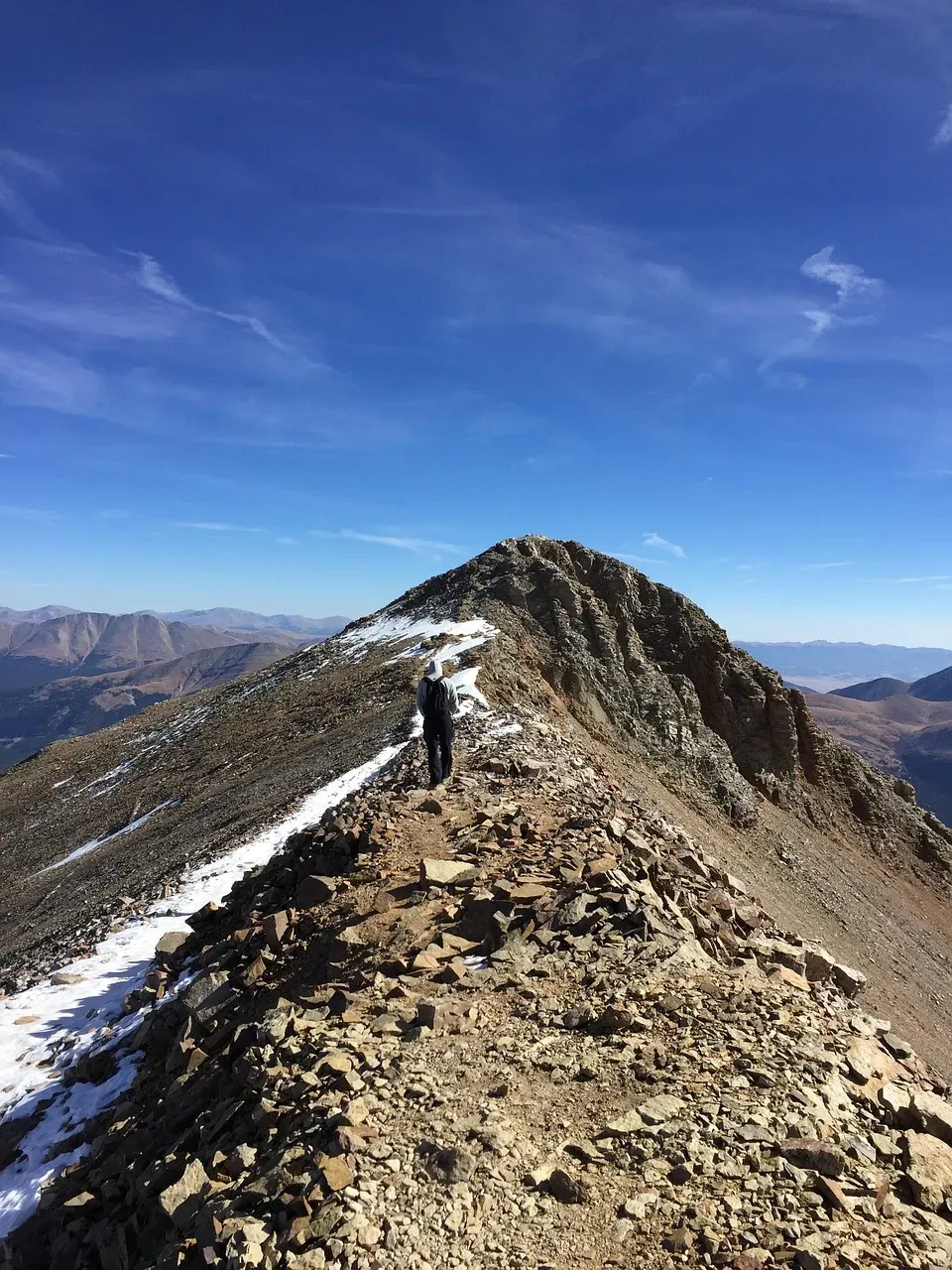
If the straight summit hike at Lone Mountain leaves you wanting more, the combined Summit and Loop route gives you significantly more to chew on. The Lone Mountain Summit and Loop boasts the most elevation gain of the park’s trails with 731 feet of total ascent, while the runner-up East Ridge Trail still delivers 620 feet of gain. That’s a solid workout for a trail barely outside the city limits.
Partner offer

In all, Lone Mountain offers a lot of variety in types of terrain and climbing experience. Two trails completely circle the mountain: a wide multi-use trail and, above that, a smaller hiking trail. In addition, there are multiple routes to the summit.
Lone Mountain is more than just a scenic backdrop. It has long been a geographic and cultural landmark in the Las Vegas Valley, historically used by Native American tribes for navigation. Its exposed limestone face offers a window into the geological processes that shaped the Mojave Desert millions of years ago. That context makes the climb feel a little more meaningful, honestly.
6. The Wetlands Loop Trail (North Section)

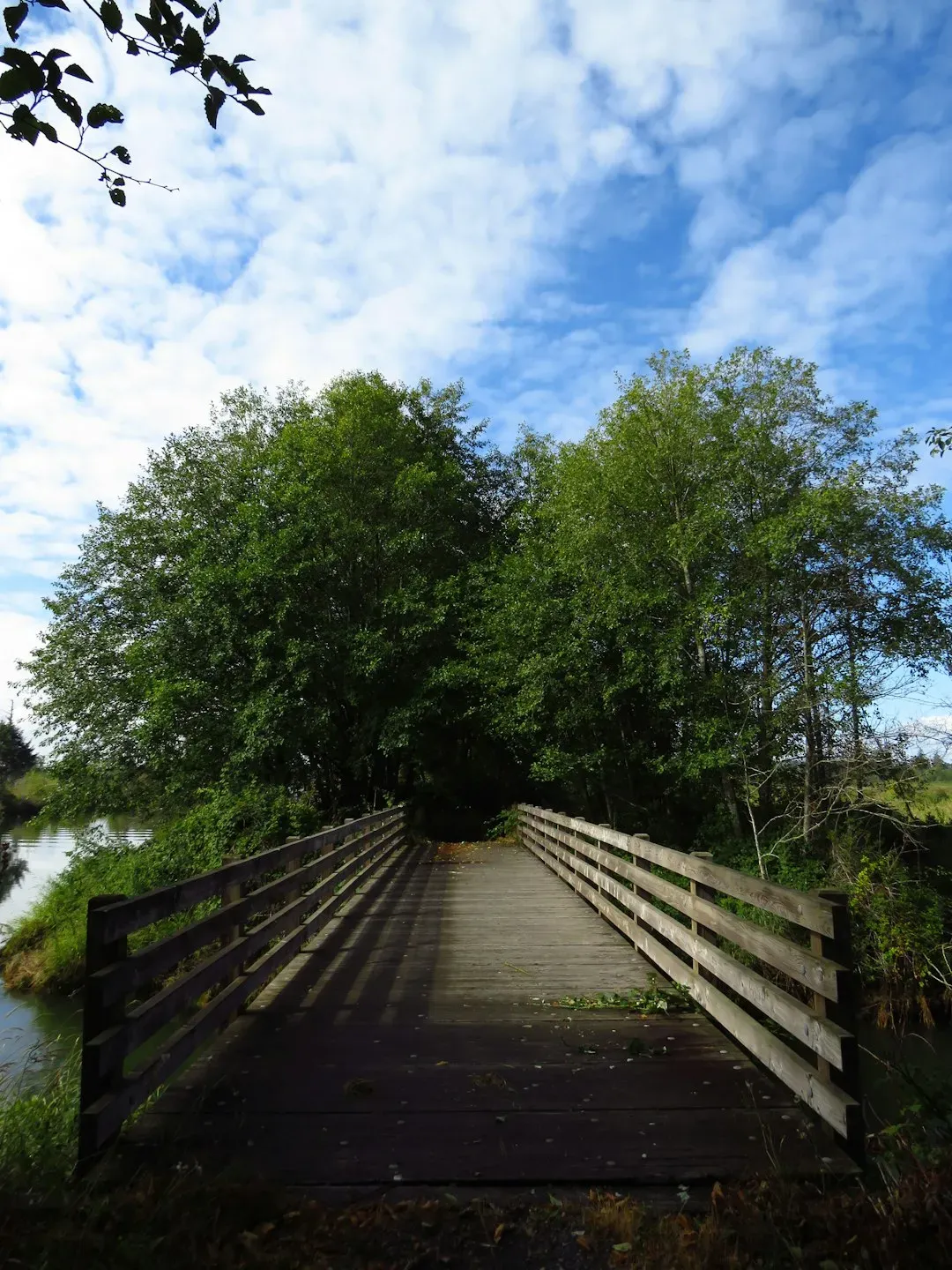
Many people know the Nature Preserve at Wetlands Park, but far fewer tackle the broader loop trail system that extends well beyond it. The 14-mile Wetlands Loop Trail is a multi-use trail shared by hikers, joggers, cyclists, and dog-walkers. It serves as a perimeter trail in the park and loops around both the north and south sides of the Las Vegas Wash, with the north section fully paved and beginning near Tropicana Avenue.
The 2,900-acre park sits just 20 minutes from the Strip and offers many miles of trails through wetlands and desert vegetation, with views to the mountains, including over 3 miles of paved trails in the Nature Preserve and the 14-mile Wetlands Loop Trail along the Las Vegas Wash.
It’s hard to say for sure how many visitors to Las Vegas ever discover this trail system, but given that Wetlands Park is only minutes from the Las Vegas Strip yet feels like a world apart, serene, green, and teeming with birdlife, it’s safe to assume the vast majority of tourists miss it entirely. Their loss, genuinely.
7. Sunset Park Trails

Sunset Park is not exactly a secret to Las Vegas locals, but it is a genuine secret to the millions of tourists who arrive each year expecting nothing but casino floors and pool decks. Sunset Park offers a large park with a lagoon for leisurely walking, located kitty-corner from the airport and accessible by bus. Less than 15 minutes from the Strip, and yet routinely overlooked.
According to Clark County Parks and Recreation data, Sunset Park spans approximately 323 acres, making it one of the largest urban parks in all of Nevada. That scale makes the trails feel more expansive than you’d expect from a city park, with paths that wind around the lake and through open desert scrub. It’s a genuinely calming place, especially early in the morning before the heat sets in.
The key here is timing. Desert temperatures in Las Vegas regularly exceed 104°F in summer, and the CDC has warned that extreme heat is a leading cause of weather-related deaths in the United States. At Sunset Park, with limited shade, this is not a trail to attempt at noon in July. Go early, go hydrated, and you’ll find one of the most pleasant urban walks in the entire valley.
8. Springs Preserve Nature Trails

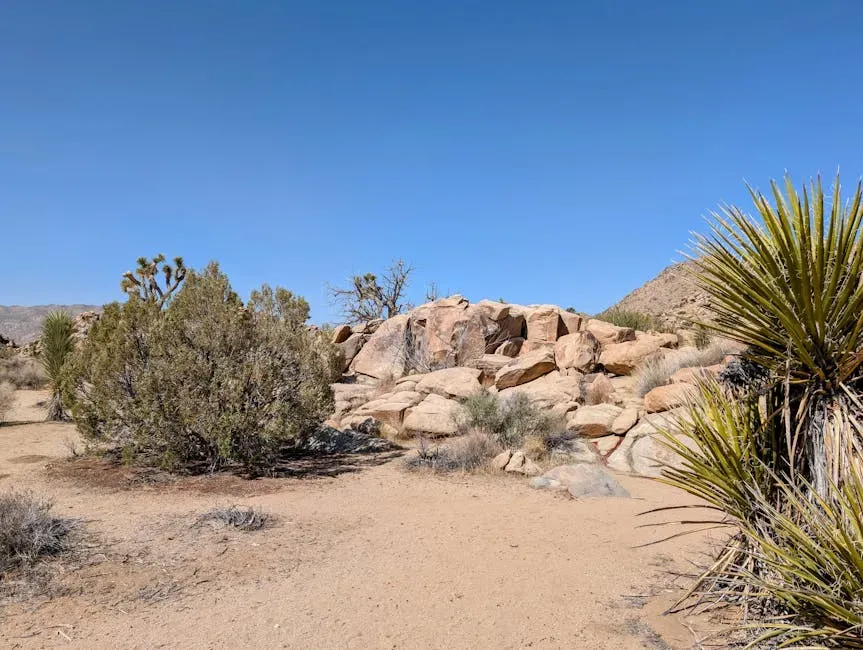
Springs Preserve sits just minutes from the Strip and offers something genuinely different from the other trails on this list. It blends interpretive natural history with actual walking paths through beautifully preserved Mojave Desert habitat. Springs Preserve is an option near the Strip, offering an experience that bridges nature and interpretive museum-style exploration. That framing, honestly, undersells it a bit.
The trail network here winds through native plant gardens, wetland areas, and desert wash habitats. According to the Bureau of Land Management, desert ecosystems like those found throughout the Las Vegas Valley are highly fragile, and off-trail hiking can damage soil crusts that take decades to recover. The curated nature of Springs Preserve means you’re seeing the ecosystem at its best without inadvertently trashing it. That matters.
The National Park Service recommends at least 1 liter of water per hour during hot conditions on desert trails, and Springs Preserve, despite its urban convenience, is still firmly in the Mojave. Bring more water than you think you need. Every seasoned desert hiker says the same thing, and every first-timer wishes they’d listened. Let these trails surprise you in the best possible way.
The Secret Is Out, Sort Of

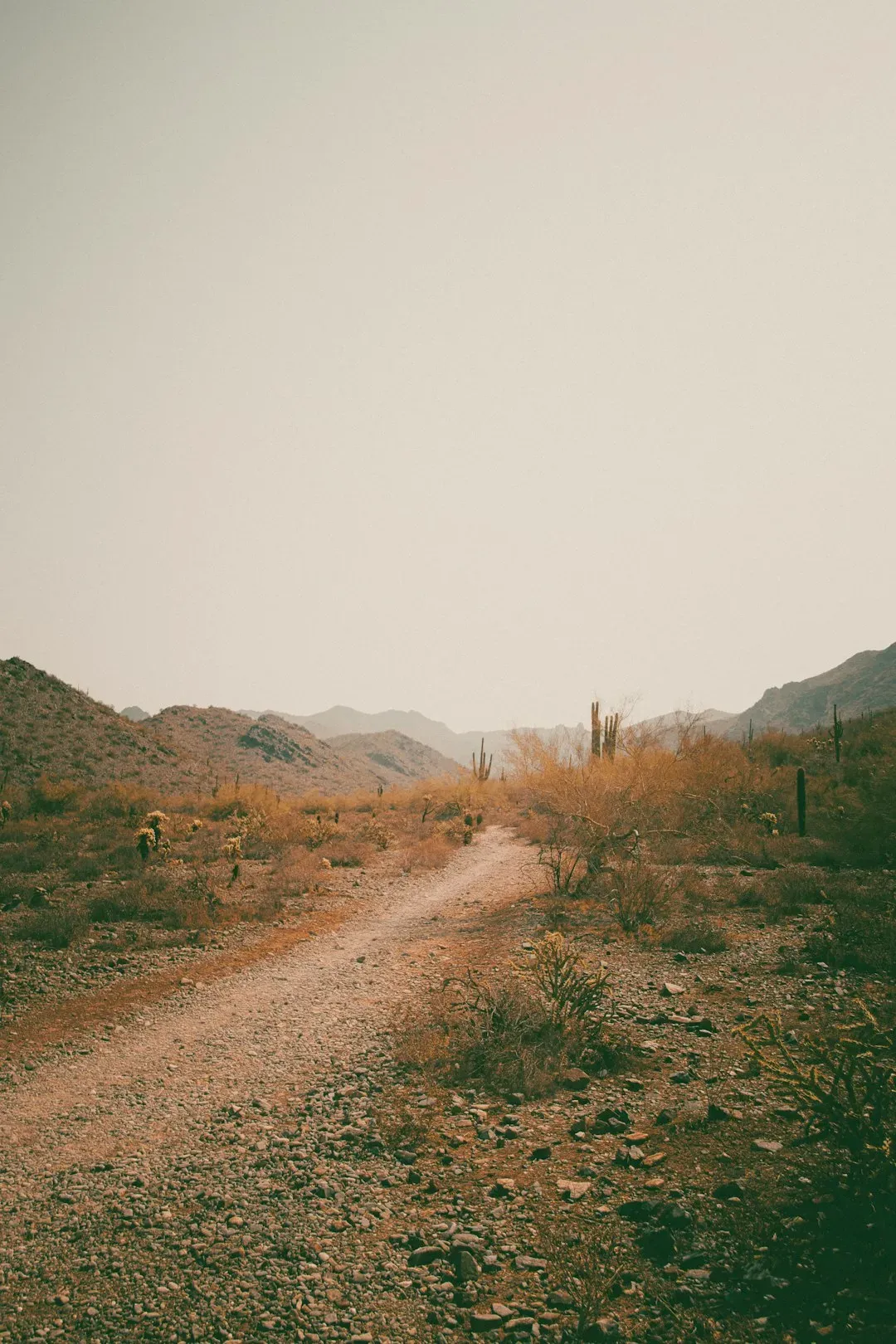
Las Vegas receives over 38 million visitors annually according to 2024 data from the Las Vegas Convention and Visitors Authority, and the vast majority of them never set foot on a single trail. That means these eight spots remain genuinely uncrowded by Strip standards, even the popular ones. There’s something quietly wonderful about that.
What these trails prove, collectively, is that the natural world around Las Vegas doesn’t begin and end at Red Rock. It’s layered, varied, and surprisingly close. From ancient petroglyphs carved by hands thousands of years ago to cottonwood groves teeming with 280 species of birds, the landscape around this city rewards curiosity.
The Strip will always be there when you get back. But the morning light on Lone Mountain, or the sound of the Las Vegas Wash moving quietly through the wetlands, those moments don’t come with a loyalty points card. Which trail would you add to this list? Drop it in the comments below.
Partner offer
Planning a trip to Vegas?
Compare hotel rates and show tickets on VEGAS.com.