Most sequels just repeat the formula and hope nobody notices. Every so often, though, a filmmaker looks at the original movie, takes the criticism seriously, and comes back with something that actually addresses the flaws. The result is rare but unmistakable: a follow-up that fans and critics agree improved on its predecessor rather than just cashing in on it. These eight sequels didn’t just continue a story. They listened to what didn’t work the first time around and corrected course, sometimes so thoroughly that the originals now feel like rough drafts.
Terminator 2: Judgment Day (1991)

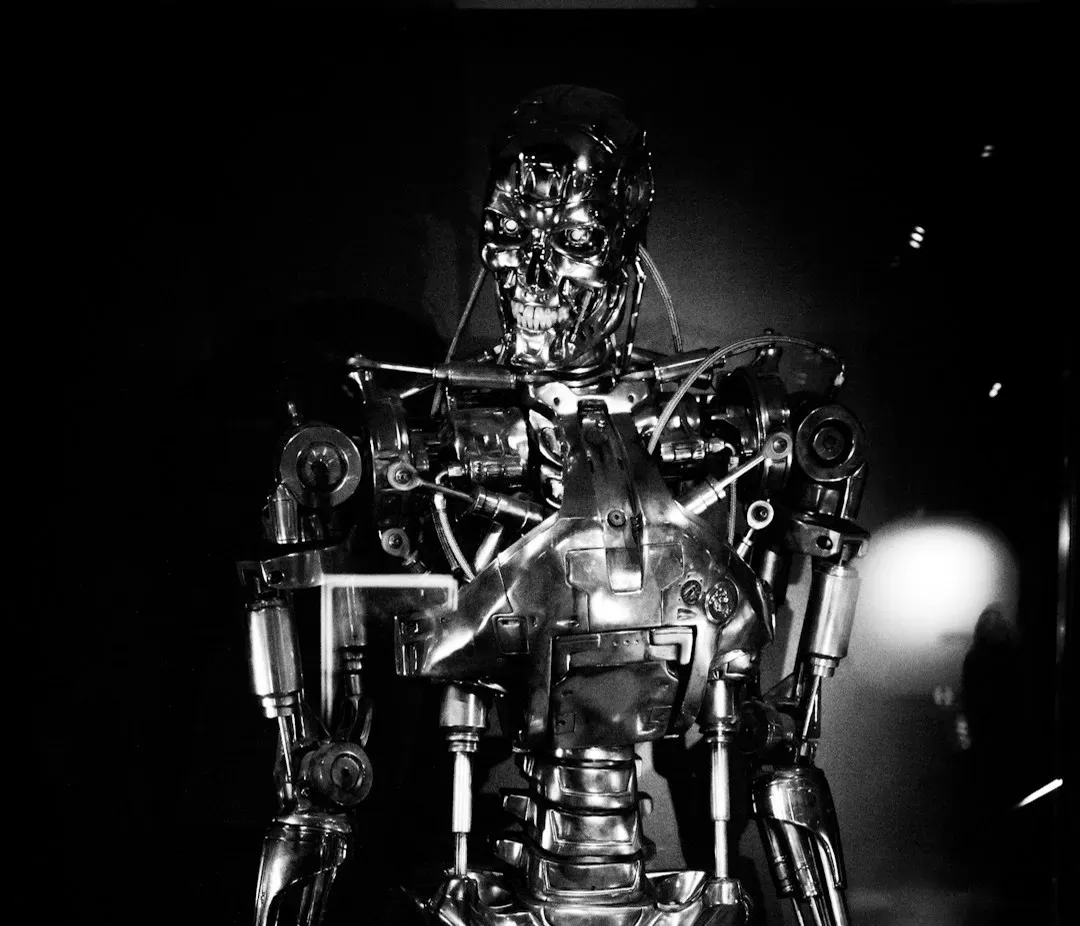
The Terminator was a scrappy, low-budget thriller with real menace, but it was hemmed in by its resources. James Cameron came back seven years later with a production that had a $94–102 million budget, making it the most expensive film made in its time. The bigger canvas let him fix the thin emotional core of the original by giving the story an actual family at its center.
Critics noticed the difference immediately. Rotten Tomatoes’ consensus on the film notes that it offers a 90% approval rating from critics, with the site’s summary saying T2 features thrilling action and eye-popping effects, but what takes it to the next level is the depth of the human and cyborg characters. Cameron also loosened up the tone considerably; behind the scenes, in making a bigger-budget, more mainstream blockbuster than the first film, he changed the tone and injected a lot more humor into the script, which softened the grimness that made the original feel more like an exploitation picture than a blockbuster.
Aliens (1986)

Ridley Scott’s Alien was a masterpiece of dread, but it worked because of restraint, a single creature, a small cast, and a slow, suffocating build. When it came time for a sequel, James Cameron didn’t try to out-scare the original. Instead he expanded the scope entirely, turning a haunted house in space into a full-blown war movie.
That shift is exactly why fans still argue about which film is better, and why so many respect what Cameron pulled off. As one retrospective put it, in 1986, James Cameron turned the series into an action epic, and any sequel that tries the same route now gets called the Aliens of whatever franchise. A viewer review on IMDb captured the transformation simply: James Cameron has taken this franchise from its horror origins to a great big action adventure. It solved the problem of repeating a horror trick that only works once by giving audiences something structurally new rather than a rehash of the same scares.
X2: X-Men United (2003)

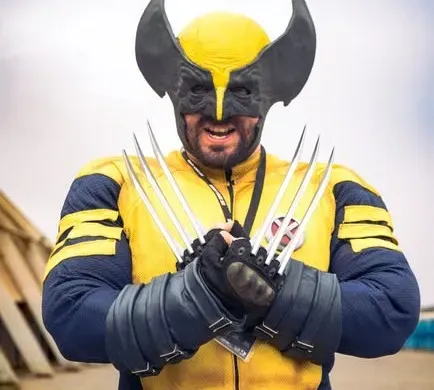
The first X-Men movie proved superhero team-ups could work on screen, but it was hamstrung by a tight budget, a thin villain, and characters who barely got room to breathe. Bryan Singer’s sequel fixed nearly all of that by widening the scope and sharpening the antagonist. Rather than another mutant with flashy powers, the story leaned on a human villain whose menace came from conviction rather than superpowers.
Metacritic’s summary of the critical reaction called it a lavish, reasonably intelligent, well-acted sequel with kick-butt effects that outdoes its predecessor in almost every department. Slashfilm later reflected on the film’s ambition, noting that after the success of X-Men in 2000, X2 went even bigger and better, with louder action set pieces, more mutants, and a classic story of old enemies banding together to face one hell of a villain. William Stryker gave the franchise a villain fans could describe as a compelling villain, with the added component of his son Jason making for a fascinating duality, something the first film’s Magneto, compelling as he was, never quite achieved on his own.
Star Trek II: The Wrath of Khan (1982)

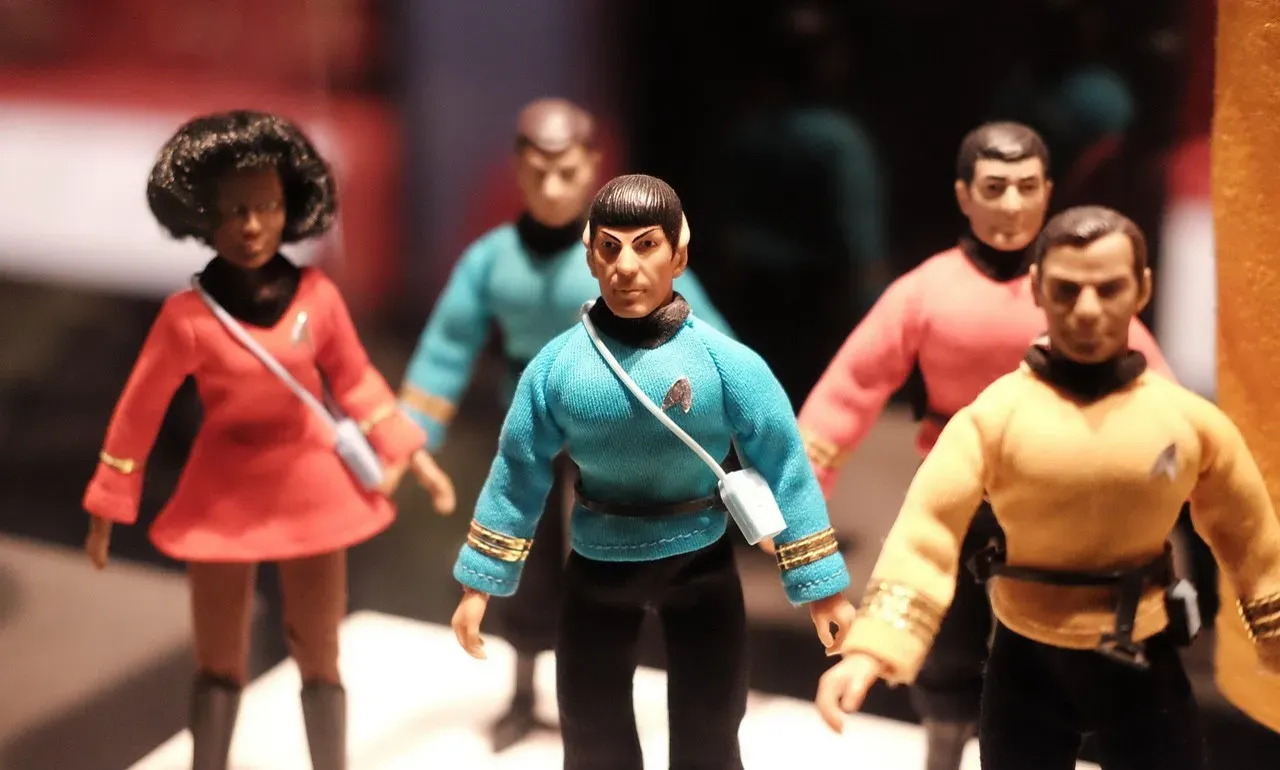
Star Trek: The Motion Picture had the budget and the visual ambition, but it buried its beloved characters under long, ponderous effects sequences. Nicholas Meyer’s sequel threw out that approach almost entirely. With less money to spend on spectacle, the production leaned back into the crew’s relationships, which turned out to be exactly what audiences had wanted all along.
Film historians have been consistent about why the change worked. As one retrospective explained, Star Trek II succeeded in part because it understood what the first film got wrong, restoring the beloved characters to the forefront and using the science fiction components as backdrops. The original film’s problems were well documented, with critics describing the languid pace, the focus on two new and largely mishandled characters, and prolonged special effects sequences taking their toll on the audience. Wrath of Khan’s reception flipped that script, with reviewers praising Khan’s character, Meyer’s direction, improved performances, the film’s pacing, and the character interactions as strong elements.
Evil Dead II (1987)


Sam Raimi’s original Evil Dead was a genuinely unsettling horror film, made on a shoestring budget that occasionally showed. Rather than simply making a bigger, scarier version of the same movie, Raimi came back and reinvented the tone entirely, blending horror with slapstick comedy in a way nobody had quite attempted before.
The approach is now considered one of the more successful tonal overhauls in horror history. Rotten Tomatoes’ critical consensus describes it as less a continuation than an outright reimagining, with Sam Raimi transforming his horror tale into a comedy of terrors, arguably even improving on the original formula. Critics have also pointed out how the film doubled down on the first movie’s extravagant brand of horror while emphasizing its comedic tone with a more action-focused approach, which addressed the main limitation of the original: a strong premise that had nowhere further to go without a change in register.
Mad Max 2: The Road Warrior (1981)

The original Mad Max was made on an extremely tight budget in Australia, and it looked it. The car chases were inventive given the resources, but the production values and narrative clarity were noticeably rough around the edges. George Miller returned with a larger budget and a much clearer vision, streamlining the story into something closer to a modern Western set in a post-apocalyptic wasteland.
The sequel is widely regarded as the point where the franchise found its true identity. Miller refined the visual language of vehicular combat that the original had only sketched out, giving the action sequences a scale and coherence that the low-budget first film simply couldn’t afford. It also gave Max himself more purpose and emotional weight, turning a somewhat thin revenge plot into a genuinely mythic survival story that influenced action filmmaking for decades afterward.
Blade II (2002)


Blade introduced a compelling vampire hunter played by Wesley Snipes, but the original film was hampered by choppy fight choreography, dated effects, and a plot that struggled to stay coherent in its back half. When Guillermo del Toro took over directing duties for the sequel, he brought a distinct visual sensibility and a background in horror that the first film lacked.
Del Toro tightened the action sequences considerably, giving the fights a rhythm and creature design a texture that felt far more confident than anything in the original. He also introduced the Reapers, a new vampire threat that gave the sequel its own identity instead of just recycling the first film’s villains. The result is often cited as one of the rare comic book adaptations where the follow-up is generally considered a clear step up from its predecessor in craft and consistency.
The Dark Knight (2008)

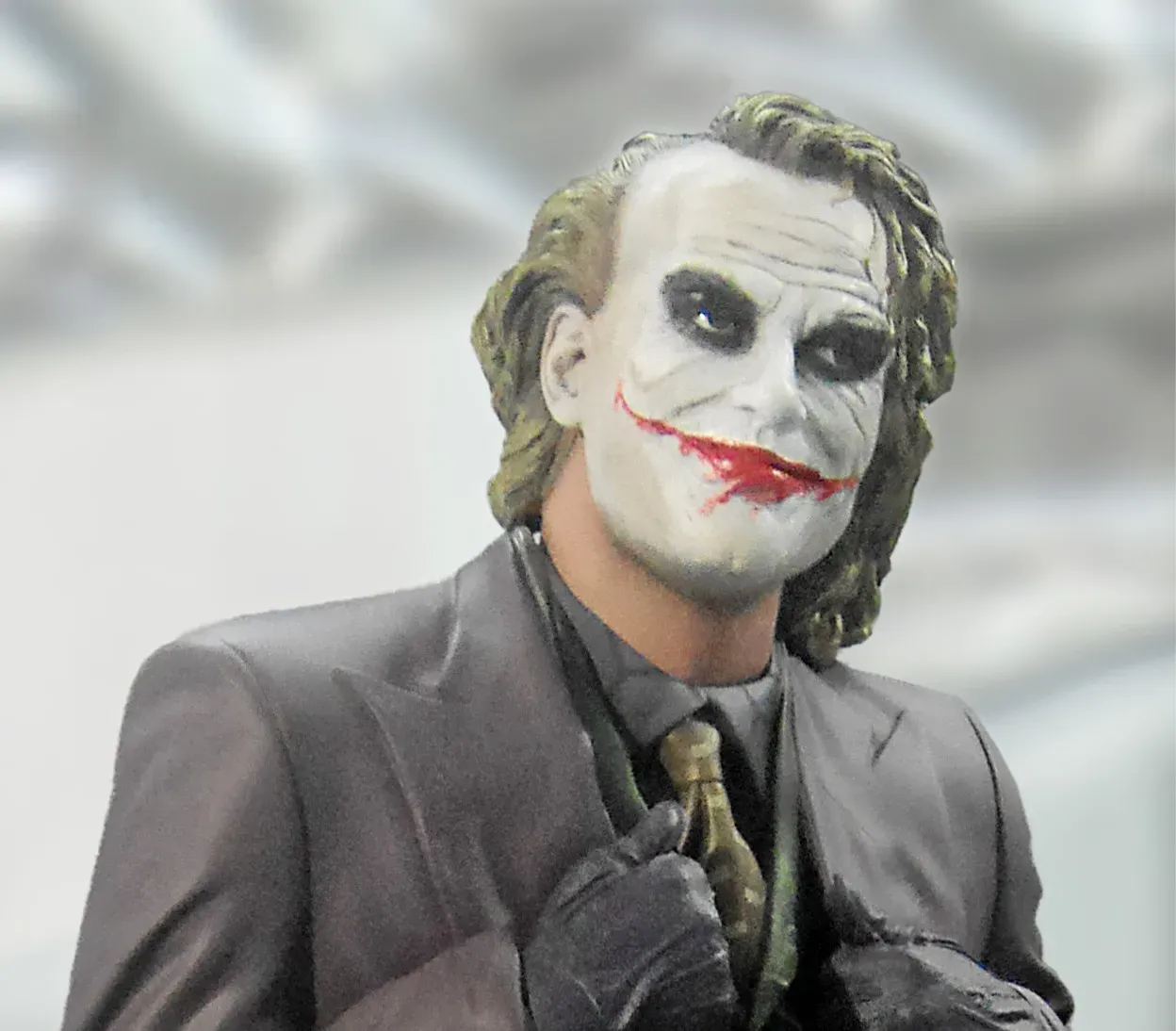
Batman Begins did the hard work of rebuilding the Batman franchise after it had collapsed into camp, but it still carried some of the growing pains of an origin story: shaky action sequences, a villain in Scarecrow who never quite matched the stakes, and pacing that occasionally dragged. Christopher Nolan’s sequel addressed nearly all of it by trusting the world he had already built and focusing entirely on escalation.
The action became clearer and more grounded, the stakes more personal, and the villain problem was solved decisively with Heath Ledger’s Joker, a performance that reframed what a comic book antagonist could be. The film also tightened its plotting considerably, weaving Harvey Dent’s fall into Batman’s story in a way that gave the sequel a tragic weight the first film never attempted. It remains one of the clearest examples of a sequel taking the foundation of a good film and building something more ambitious and more assured on top of it.
Fixing a sequel’s problems takes more than a bigger budget or a louder marketing campaign. Every film on this list required filmmakers willing to admit what didn’t work the first time and to make hard choices about tone, pacing, or character rather than simply repeating a formula. That’s a rarer instinct in Hollywood than it should be, which is part of why these particular follow-ups still get talked about decades later.