


Walk into any record store and flip through the liner notes of classic albums from the 1960s and 70s, and you’ll notice something odd. The names of the artists are right there in big letters, but the people who actually built those basslines, hooks, and piano runs are often missing entirely. For decades, the music industry ran on the labor of session musicians who showed up, played their parts, cashed a check, and went home without their name ever touching the sleeve.
Some of these players eventually got their due through documentaries, biographies, or a slow trickle of recognition from music historians. Others are still largely unknown outside of hardcore music nerd circles. Here are eight musicians whose fingerprints are all over the songs that shaped popular music, even though their names rarely made it onto the records themselves.
1. Carol Kaye

Carol Kaye worked closely with producers Phil Spector and Brian Wilson, and is believed to be on some 10,000 recordings dating back to 1957. As part of the loosely organized group of Los Angeles studio players later nicknamed the Wrecking Crew, she played on hundreds of iconic hits, including the Beach Boys’ “Help Me, Rhonda” and The Mamas and The Papas’ “California Dreamin’,” alongside mainstays like drummer Hal Blaine and guitarist Tommy Tedesco. None of these credits appeared on the actual album covers at the time.
Kaye’s exact contributions to certain tracks have become a point of debate among music historians in recent years, with some sessions disputed by other musicians who were reportedly in the room. Regardless of which specific bassline belongs to her on any single track, her broader body of work across pop, soul, and film scores remains staggering. In 2020, Rolling Stone magazine ranked her number 5 in a list of the 50 greatest bassists of all time, decades after most of her actual recording sessions took place.
2. James Jamerson

If Motown had a secret weapon, it was James Jamerson’s bass. As the anchor of the Funk Brothers, Motown’s uncredited house band, Jamerson played on nearly every major hit that came out of Hitsville USA during the label’s golden run in the 1960s. His basslines on tracks by the Four Tops, Marvin Gaye, and the Supremes helped define what soul music sounded like, yet his name almost never appeared on a single one of those releases.
Jamerson’s playing style, built around syncopation and melodic movement rather than simple root notes, influenced generations of bass players who came after him. It took the 2002 documentary “Standing in the Shadows of Motown” to finally introduce his story to a wider audience, decades after his death in 1983. By then, the industry had already moved on to crediting session players more consistently, a shift that came too late for Jamerson to see any real recognition during his lifetime.
3. Nicky Hopkins

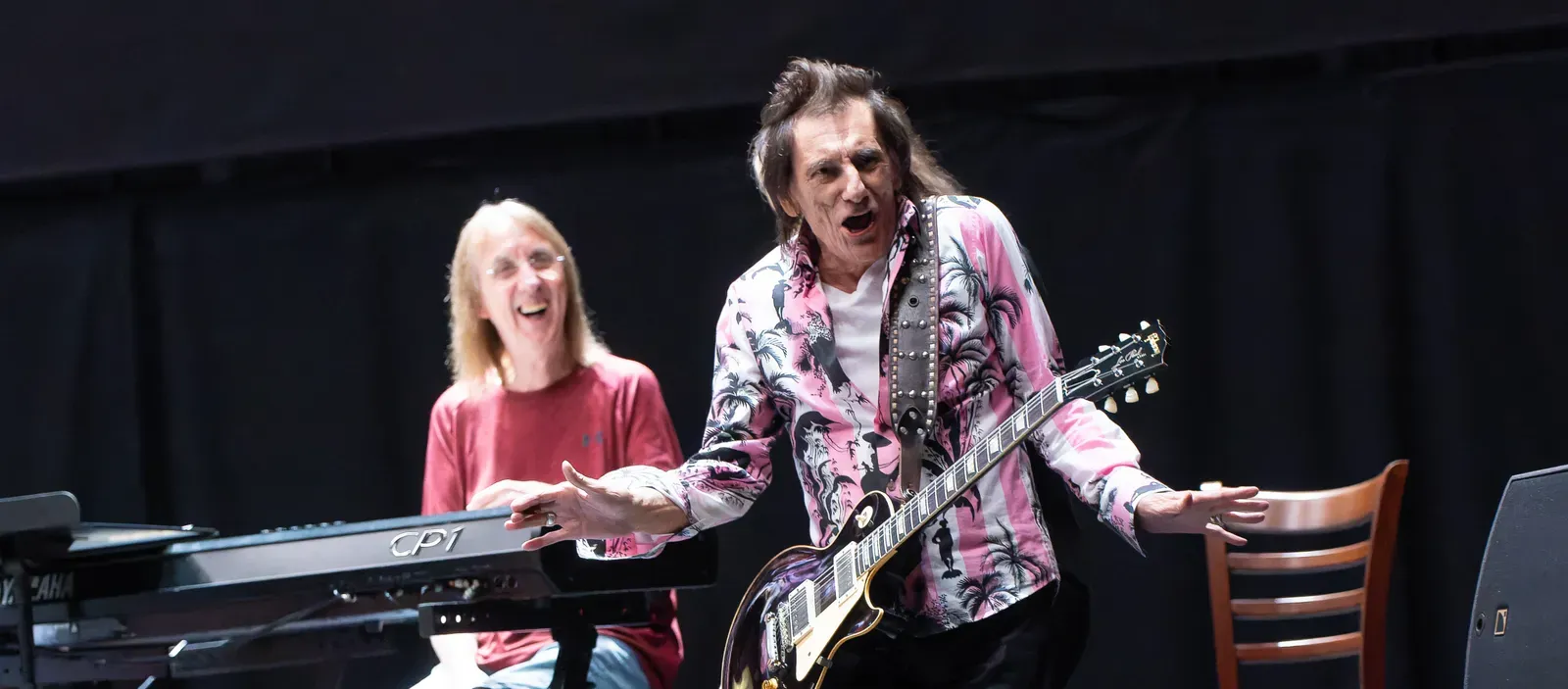
Classically trained session pianist Nicky Hopkins brought his musical ingenuity, impeccable taste and feel to over 250 albums, including classics from the Rolling Stones, the Who, the Kinks, the Beatles and Joe Cocker. His piano work anchors some of the most recognizable moments in classic rock, though casual listeners rarely connected those parts to his name. This was partly because Hopkins did his greatest work in an era where session musicians were rarely credited on the records they contributed to, and partly because he was a quiet, background sort of person who preferred letting the music speak for itself.
He played on recordings by the Kinks, Beatles, The Who, Jeff Beck Group, Jefferson Airplane, twelve Rolling Stones albums, records by every Beatle, and countless other bands and uncredited sessions. A 2024 documentary called “The Session Man” finally attempted to give him the wider recognition that eluded him during his career, which ended with his death in 1994. It’s a strange thing to consider that so many people have hummed his piano lines for decades without knowing whose fingers were on the keys.
4. Clydie King

Clydie King spent a career layering her voice behind other people’s names. As one of the most in-demand backing vocalists in Los Angeles during the 1960s and 70s, she sang on records for Bob Dylan, the Rolling Stones, Ray Charles, and Steely Dan, often as part of loose vocal collectives that rarely got individual billing. Her voice added texture and depth to tracks that fans assumed were built entirely from the lead singer’s performance alone.
King’s work with Dylan during his gospel period in the late 1970s put her closer to the spotlight than most of her peers ever got, but even then, her name rarely appeared prominently. She continued working as a session singer for decades, contributing to soundtracks and studio albums long after the peak of her most famous collaborations. Her story reflects a broader pattern where backing vocalists, disproportionately women, did essential work that rarely translated into public recognition.
5. Bobbye Hall

Percussionist Bobbye Hall built a career on being the person in the room who added the extra layer nobody else thought to ask for. She played congas, bongos, and various hand percussion on recordings for artists ranging from Bob Dylan to Marvin Gaye to Carly Simon, work that shaped the groove of countless tracks without ever making it onto the cover art. Her contributions were the kind that listeners feel more than consciously notice.
Partner offer

Hall’s career stretched across genres in a way that few session musicians managed, moving comfortably between rock, soul, and singer-songwriter records. She became one of the relatively few Black women working steadily as an instrumentalist in the Los Angeles session scene during an era when that combination was rare. Like many percussionists of her generation, her name lived mostly in union paperwork and studio logs rather than liner notes.
6. Leon Russell

Before Leon Russell became a recognizable solo artist in his own right, he spent years as an anonymous keyboardist working sessions around Los Angeles. As part of the same loose network of players that included Carol Kaye and Hal Blaine, Russell contributed piano and arrangement work to recordings for artists including Frank Sinatra, the Byrds, and Herb Alpert, often without his name surfacing anywhere near the credits.
His session years gave him a foundation in arrangement and production that later shaped his own recordings and his work as musical director for Joe Cocker’s “Mad Dogs and Englishmen” tour. It’s a common trajectory for session players of that era. The invisible years often built the skills that eventually made someone visible, even if the early records never mentioned their name at all.
7. Jim Gordon

Drummer Jim Gordon played on an enormous number of recordings during the late 1960s and 70s, contributing to sessions for artists including the Beach Boys, George Harrison, and Carly Simon, frequently without any acknowledgment on the finished product. His versatility made him a favorite among producers who needed a drummer who could adapt to whatever style a song required, whether that was pop, folk, or hard rock.
Gordon eventually received credit for co-writing the piano coda on Derek and the Dominos’ “Layla,” one of the rare moments where his name broke through to wider recognition. Much of his other work, however, remained buried in session logs rather than album sleeves. His later life was marked by serious mental illness, a tragic footnote that has sometimes overshadowed the sheer scope of his musical contributions during his most productive years.
8. Chuck Rainey

Bassist Chuck Rainey built a reputation among producers as someone who could bring both technical precision and genuine feel to a recording, qualities that made him a frequent presence on sessions for Aretha Franklin, Steely Dan, and Roberta Flack. His playing on Steely Dan’s most celebrated records helped define the smooth, jazz-inflected bottom end that became a signature of the band’s sound, though his name rarely reached casual listeners.
Rainey’s career stretched across soul, jazz, and rock in a way that showed just how flexible top session musicians needed to be to stay working. He later became something of an educator within bass playing circles, sharing insight into a career built almost entirely behind the scenes. Like many of the players on this list, his influence on the actual sound of popular music vastly outpaced his public recognition during the years he was most active.
These stories share a common thread. The music industry of the 1960s and 70s ran on the work of people who were essential to the final product but largely invisible in how that product was marketed and remembered. Streaming services and expanded liner notes have made it somewhat easier in recent years to trace who actually played what, but for many of these musicians, proper recognition arrived decades after the recordings that made them indispensable.
Partner offer
Planning a trip to Vegas?
Compare hotel rates and show tickets on VEGAS.com.


