There’s a strange contract between an actor and an audience. We watch, we feel, we forget that someone actually had to show up and do that. Show up tired, or scared, or sick. Show up with a secret so heavy that keeping it upright might have been the hardest part of the whole performance.
The nine people on this list did exactly that. Each one walked onto a set, stepped into a character, and delivered the kind of work people still talk about today – all while carrying something most of their colleagues never even suspected.
Chadwick Boseman: Black Panther and the Cancer Nobody Saw Coming

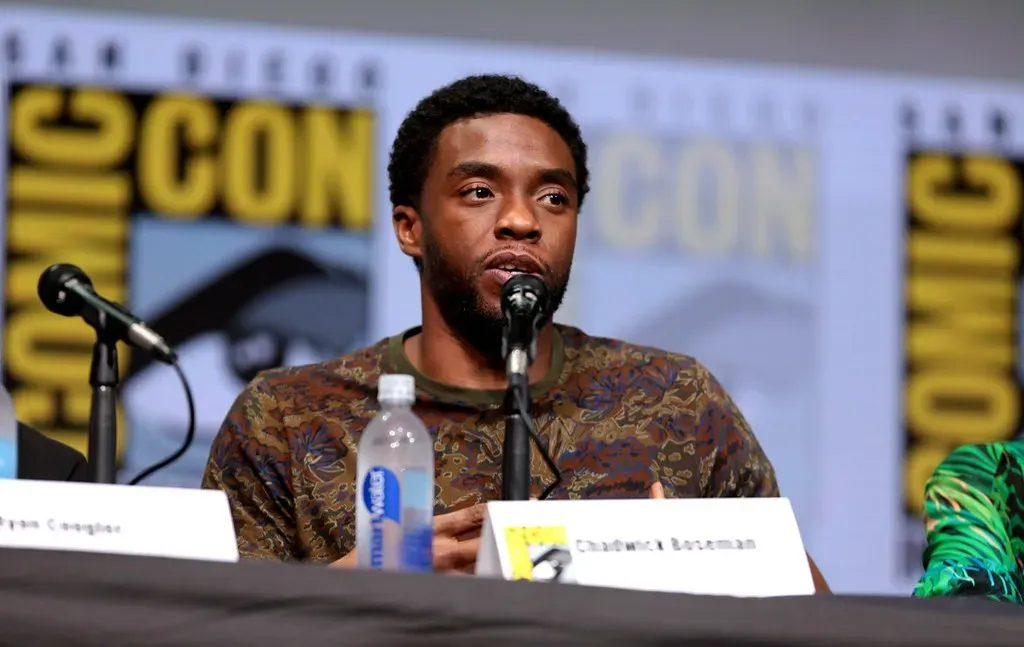
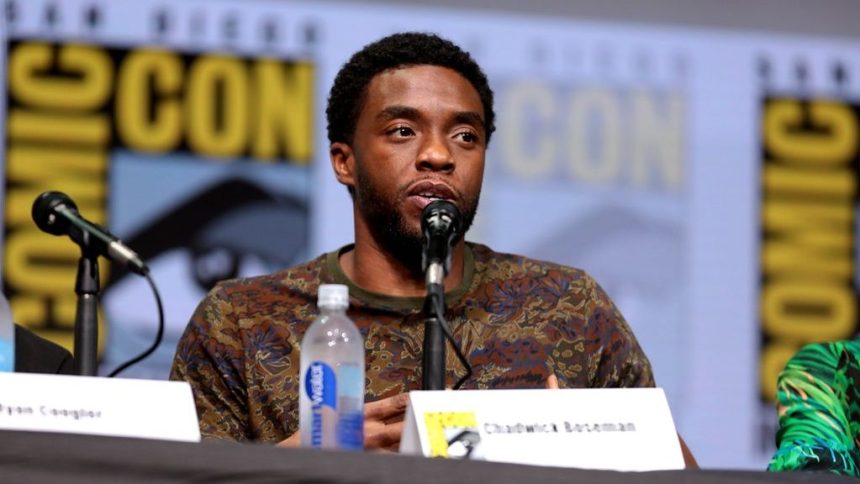
Chadwick Boseman was diagnosed with stage three colon cancer in 2016. That same year, he made his Marvel Cinematic Universe debut in Captain America: Civil War. Unbeknownst to anyone but his family and closest confidants, he had been living with colon cancer throughout the majority of his career, diagnosed in 2016, the same year he debuted in the MCU – and though the severity of his struggle is unknown, the effects of the disease never seemed to impact the results of his phenomenal work.
He filmed Black Panther (2018) and Da 5 Bloods (2020) during numerous surgeries and chemotherapy sessions. The actor never shared his diagnosis with the public or his coworkers to ensure the focus remained on his work, and continued to perform physically demanding roles while undergoing intensive medical treatment. His death in August 2020 at just 43 years old shocked the world, and the magnitude of what he had quietly carried through became clear only afterward.
Michael J. Fox: Parkinson’s Disease Behind the Smile on Spin City


While filming Doc Hollywood in 1991, Michael developed a tremor in his pinky finger, and a consultation with a neurologist revealed a surprising and devastating diagnosis: he had early-onset Parkinson’s disease. He was only 29 years old, and he kept his illness under wraps for the ensuing years, working steadily in movies including For Love or Money, The American President, and The Frighteners.
While filming, Fox masked the tremors in his hand by holding an object, though doing so exacerbated his symptoms. During the series’ third season of Spin City, he realized he could no longer hide his Parkinson’s, which prompted him to reveal his diagnosis to the press and general public. Over his career, Fox has won five Emmy Awards, four Golden Globe Awards, two Screen Actors Guild Awards, and a Grammy Award. The diagnosis he hid for nearly a decade eventually became the defining cause of his life.
Alan Rickman: Severus Snape and Two Cancers Kept Completely Private

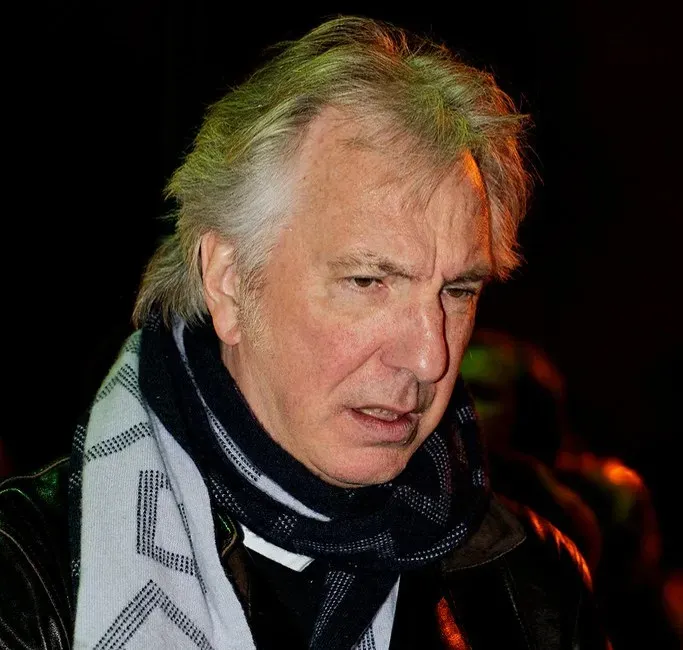
Throughout 2005, Rickman received treatment for an aggressive form of prostate cancer, culminating in a prostatectomy in January 2006 – an operation that coincided with the casting for Harry Potter and the Order of the Phoenix – and in August 2015, he had a minor stroke, which led to the diagnosis of pancreatic cancer. It is believed that Alan kept his 2005 cancer diagnosis to himself, rather than sharing his ill-health with the rest of the cast, many of whom he was close to.
He revealed that he had terminal cancer to only his closest confidants, and on 14 January 2016, he died in a London hospital. His final two films, Eye in the Sky and Alice Through the Looking Glass, were dedicated to his memory, as was The Limehouse Golem, which would have been his next project. Since his cancer was not publicly known, some co-stars expressed genuine surprise at the news.
Patrick Swayze: Performing Through Stage Four Cancer on The Beast

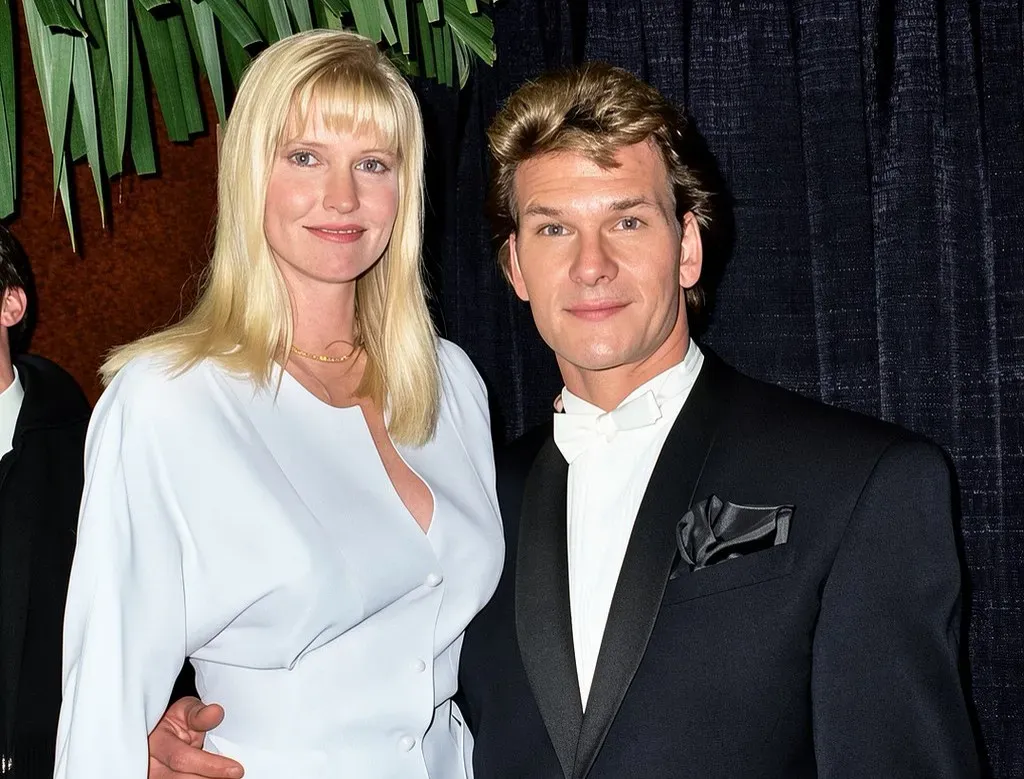
Patrick Swayze was diagnosed with stage four pancreatic cancer while starring in the television series The Beast (2009), and he refused to take pain medication during filming to ensure his performance was not compromised. The actor worked long hours on set and performed many of his own stunts despite the grueling nature of his illness, and stayed positive and committed to finishing the season before his health declined further.
For a man known for physical, emotionally charged performances, choosing to forgo pain relief during the most grueling period of his illness says a great deal about how he understood his craft. His determination to work through the pain inspired many of his colleagues in the industry. He passed away in September 2009, just months after the series wrapped, having delivered one of the most quietly courageous performances of his career.
Maggie Smith: Fighting Breast Cancer Across the Entire Harry Potter Franchise


Maggie Smith was diagnosed with Graves’ disease and later underwent treatment for breast cancer, yet she never missed a single Harry Potter film in the entire eight-movie series. Fans had no idea. She walked onto set, put on those robes, and delivered sharp, commanding performances every single time.
Partner offer

Professor McGonagall is one of the most consistently composed characters in the franchise, and the performance behind her never wavered either. How she balanced rigorous cancer treatment alongside a major film franchise is honestly baffling. The sheer consistency of her work across those films is remarkable on its own – knowing what she was managing in the background makes it something else entirely.
Michael C. Hall: Dexter’s Most Celebrated Season Filmed During Lymphoma Treatment


The star of Dexter faced a shocking diagnosis when he discovered he had Hodgkin’s lymphoma. During the filming of the fourth season in 2010, the actor found out about the illness and kept everything under wraps from his co-stars until the season was done filming, after which he underwent chemotherapy and eventually went into full remission.
Season four of Dexter is widely considered the show’s finest, featuring one of the most acclaimed villain portrayals in television history. Hall was filming those episodes while simultaneously processing a cancer diagnosis in private. At the Golden Globes later that year, he could be seen sporting a bald head as a consequence of his treatments. Only then did the full picture come into focus for anyone watching.
Rock Hudson: Keeping an AIDS Diagnosis Hidden During Dynasty

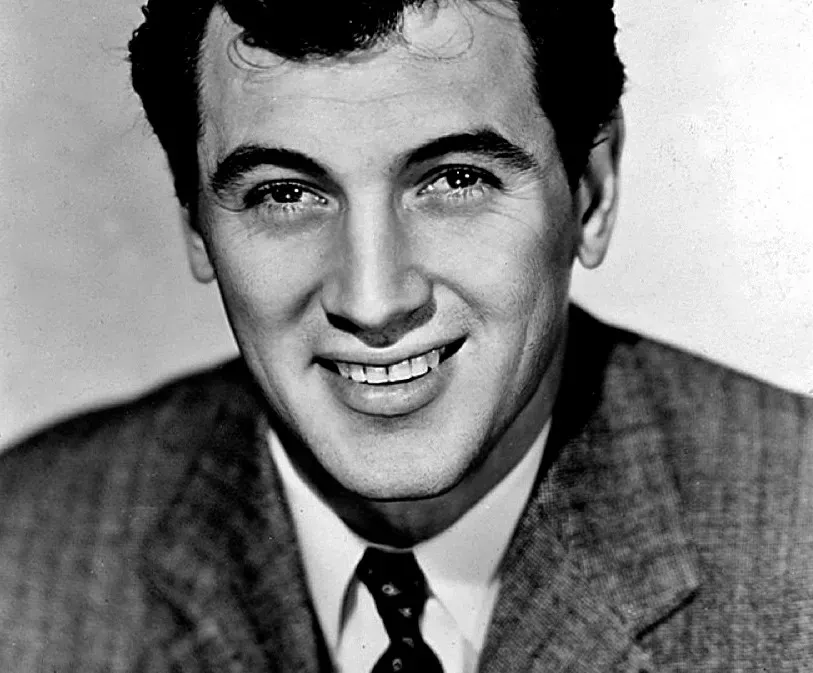
Rock Hudson secretly lived with AIDS while appearing on the popular television series Dynasty, and he kept his diagnosis hidden from the cast and the public due to the social stigma surrounding the disease at the time. The actor showed visible signs of weight loss and fatigue during his final television appearances.
His reveal in 1985 made him one of the first major celebrities to acknowledge the illness. The stakes for keeping that secret in the early 1980s were entirely different from the kind of privacy other actors on this list sought. Hudson lived through a period when the diagnosis itself carried profound social and professional consequences, and he absorbed all of that alone while still working.
Vivien Leigh: An Oscar-Winning Performance Powered by Tuberculosis and Bipolar Disorder


Vivien Leigh’s portrayal of Blanche DuBois in A Streetcar Named Desire is widely considered one of the greatest acting performances ever captured on film, and what most people never knew was that Leigh was quietly battling tuberculosis and severe bipolar disorder throughout the production. Her mental health struggles made the emotionally fragile Blanche feel achingly real on screen, and she channeled personal anguish into every scene, creating something almost too raw to watch.
She won the Academy Award for Best Actress for the role. In retrospect, the performance and the person behind it were deeply entangled. Leigh wasn’t simply depicting fragility on screen – she was living through her own version of it at the same time, and none of that was visible to audiences who simply saw something they couldn’t quite explain.
Jack Lemmon: Filming Tuesdays with Morrie While Quietly Battling Bladder Cancer

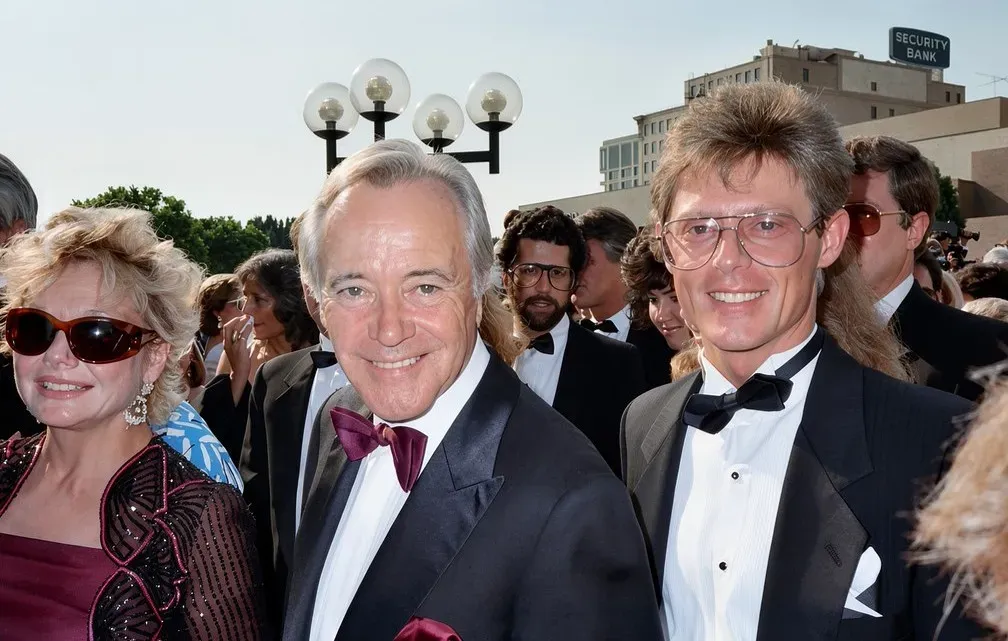
Jack Lemmon battled bladder cancer for two years while continuing to appear in films and television movies, filming Tuesdays with Morrie (1999) while dealing with the effects of his illness and treatment, and choosing to keep his health status private from the media to focus on his final performances.
He received critical acclaim for his late career work, which showed no signs of his physical struggle, and passed away in 2001, leaving behind a legacy of iconic comedic and dramatic roles. Tuesdays with Morrie is a story about confronting mortality with grace – the fact that Lemmon brought that material to life while quietly managing a terminal diagnosis himself adds a dimension to the performance that most viewers had no way of knowing.
What strikes you when you look at all nine of these stories together isn’t just the physical resilience involved. It’s the discipline of keeping something enormous completely invisible – night after night, take after take – while the cameras rolled and the audiences had no idea. The performances survive. The battles they were fighting while delivering them are only now being fully understood.
Partner offer
Planning a trip to Vegas?
Compare hotel rates and show tickets on VEGAS.com.