Winning an Academy Award tends to open doors in film, more scripts, bigger paychecks, splashier premieres. Yet for a certain kind of performer, the pull of a live stage never really fades, even after Hollywood’s biggest prize. Some of the industry’s most decorated actors have used their post Oscar years to walk back onto Broadway, often taking on demanding classical roles or original work far removed from the parts that made them famous on screen. What follows is a look at nine performers who did exactly that, trading the red carpet for a proscenium arch once the statuette was already on the shelf.
1. Denzel Washington
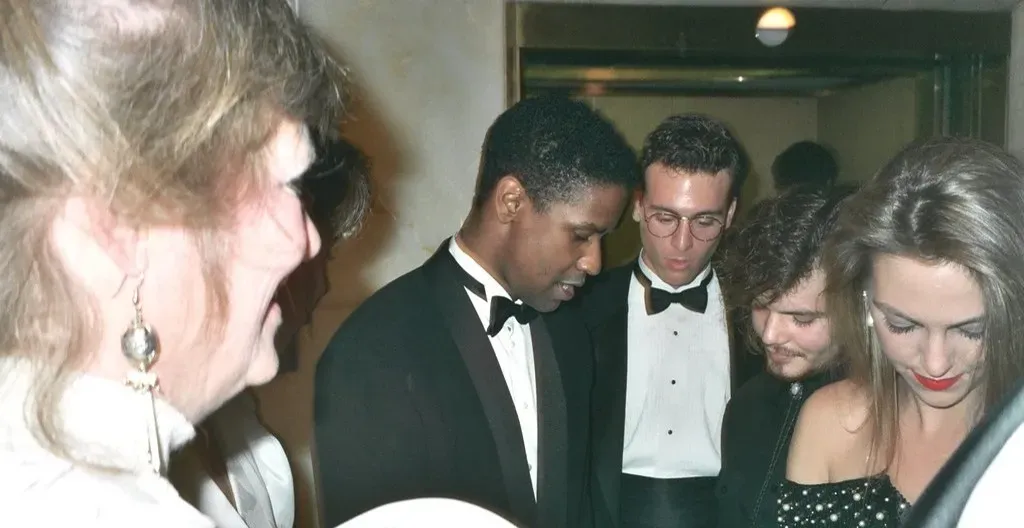
Denzel Washington has arguably made a habit out of returning to Broadway, and his stage record after winning his first Oscar in 1990 for Glory is remarkable in its consistency. During his acclaimed career, Washington has regularly ping-ponged between stage and screen, winning two Oscars for Glory and Training Day and a Tony Award for Fences. He went on to earn a second Academy Award for Training Day in 2002, and the stage appearances kept coming well after that.
Washington has appeared in six productions on Broadway, including Checkmates in 1988, Julius Caesar in 2005, Fences in 2010, A Raisin in the Sun in 2014, The Iceman Cometh in 2018, and Othello in 2025. The Othello run paired him with Jake Gyllenhaal, and it marked yet another instance of a two time Oscar winner choosing Shakespeare over a film set. Few actors of his stature have treated Broadway as a recurring destination rather than a one off detour.
2. Allison Janney
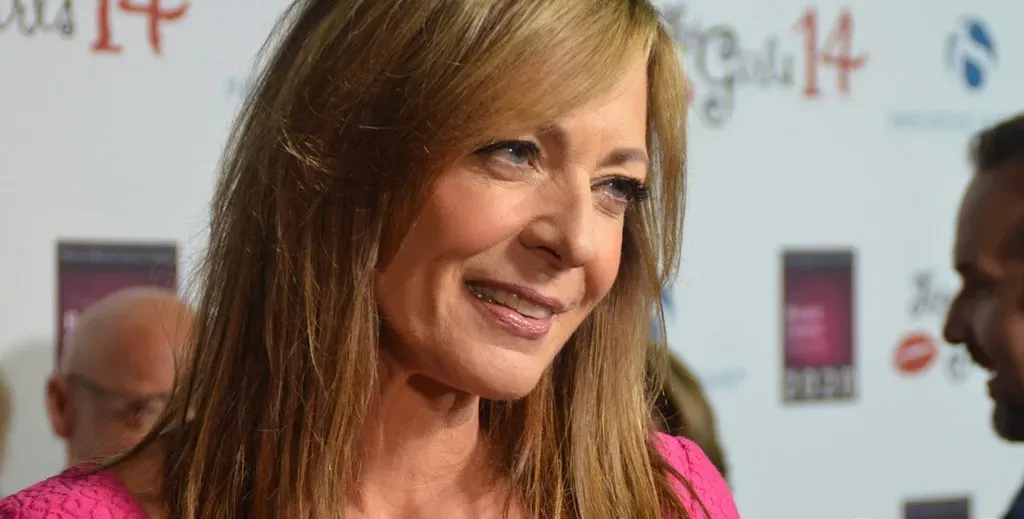
Allison Janney picked up her Academy Award for Best Supporting Actress in 2018 for I, Tonya, adding an Oscar to a resume already packed with Emmys. She has long balanced television fame with stage work, and theatergoers have known her as a reliable presence in New York productions for decades. Her career has never fully left Broadway behind, even during her busiest screen years.
Janney is set to return for the 2026 to 2027 season in a starring role in a revival of Other Desert Cities. The star studded revival of Jon Robin Baitz’s Tony winning play will bring the Broadway debut of Julia Louis-Dreyfus, who will play Polly opposite Ed Harris as Lyman, Oscar winner Allison Janney as Silda, Joe Keery as Trip, and Lily Rabe as Brooke. Janney taking on the sharp tongued Silda gives the production a jolt of dramatic weight from an actor who already has an Oscar behind her.
3. Kevin Kline
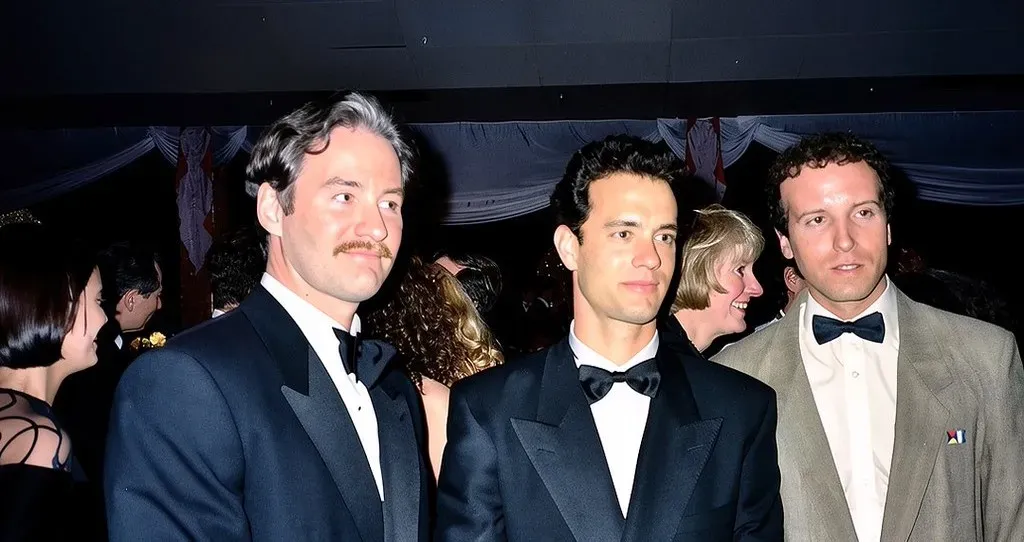
Kevin Kline won the Academy Award for Best Supporting Actor in 1988 for his comic turn in A Fish Called Wanda, a role that showed off the same physical wit he had already been honing on Broadway stages for years. That win did not slow down his theater career. If anything, it seemed to reinforce his identity as one of the rare actors equally comfortable in farce and in the classics.
In the years since, Kline has returned to Broadway multiple times, including in revivals that leaned on his gift for musical comedy and his classical training. His stage work has continued to earn him serious acclaim, proof that an Oscar did not push him toward a purely cinematic career. For Kline, Broadway has remained something closer to home base than a nostalgic side project.
4. Al Pacino
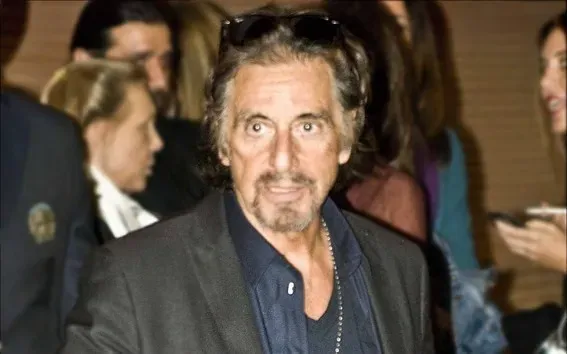
Al Pacino claimed his Oscar in 1993 for Scent of a Woman after several earlier nominations, finally getting the recognition many felt was overdue. Unlike some peers who drifted away from live performance once film stardom solidified, Pacino kept circling back to New York stages throughout the following decades. His interest in the theater seems tied less to career strategy and more to a genuine restlessness with repeating himself on screen.
He has taken on heavyweight classical material in Broadway revivals well into his later career, including a turn as Shylock in The Merchant of Venice. That production arrived long after his Oscar win, underscoring how little the award changed his appetite for demanding stage roles. Pacino’s Broadway choices have often skewed toward Shakespeare, a genre that rewards the kind of intensity he built his film career on.
5. Liza Minnelli
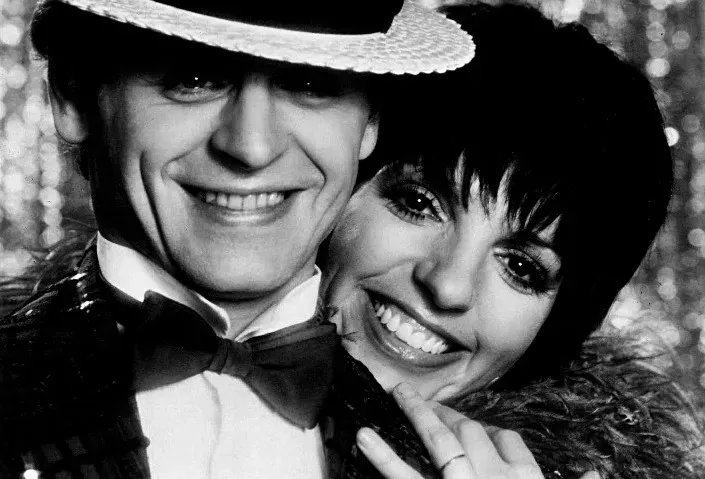
Liza Minnelli won her Academy Award for Best Actress in 1973 for Cabaret, a role that fused her theatrical roots with her screen ambitions in a way few performances have managed since. Cabaret itself began as a stage musical, so her Oscar win was in some ways theater’s story told through film. It made sense, then, that Broadway would eventually call her back.
Partner offer
Minnelli has returned to Broadway more than once since that win, bringing her cabaret style performances directly to the stage in shows built around her own catalog and persona. These later appearances leaned into concert style staging rather than traditional book musicals, letting her control the room the way only a lifelong performer can. Her Broadway returns have functioned almost like victory laps, celebrating a career that never really separated film from live performance.
6. Julie Andrews

Julie Andrews won the Academy Award for Best Actress in 1965 for Mary Poppins, a win that arrived just as she was becoming one of the biggest film stars in the world. She had already built a substantial Broadway career before that, having originated leading roles in major musicals during the 1950s. Her Oscar win did not end that relationship with the New York stage.
Decades later, Andrews returned to Broadway to star in Victor/Victoria, a musical based on the film she had starred in and helped shape. The production reunited her with material she understood intimately, giving longtime fans a chance to see her live again after years dominated by screen work. It stood as a reminder that Broadway had shaped her long before Hollywood ever did.
7. Jessica Lange
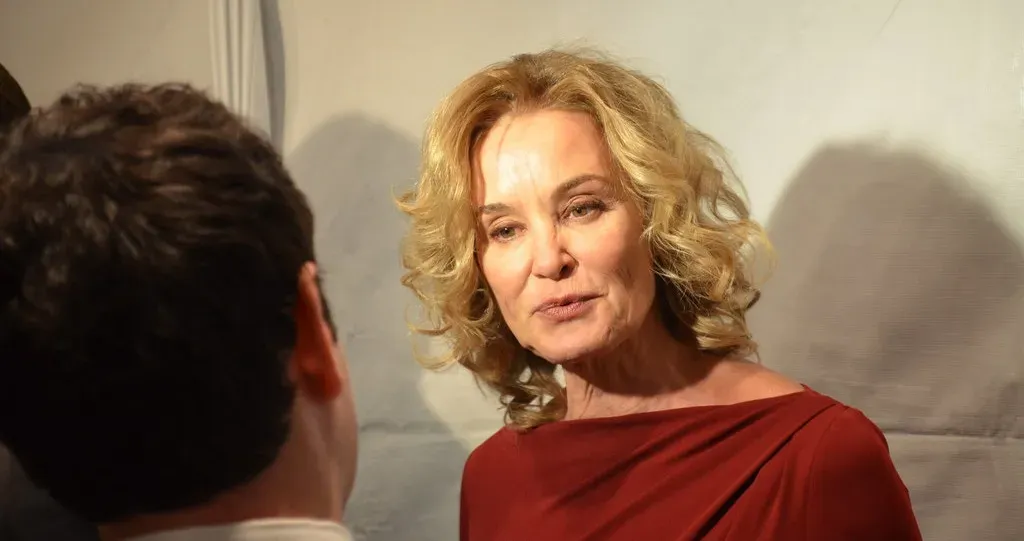
Jessica Lange has two Academy Awards to her name, one for Tootsie in the supporting category and a Best Actress win years later for Blue Sky. Her screen career has been dense and consistently acclaimed, yet she has never treated theater as an afterthought. Over the past decade in particular, she has taken on some of the most demanding roles in American drama on Broadway stages.
She appeared in a Broadway revival of Long Day’s Journey Into Night, tackling one of the most punishing roles in the American canon well after her Oscar wins were long behind her. More recently, she starred in Mother Play, a new work that gave her another chance to command a Broadway stage in front of live audiences. Her choices suggest an actor drawn to difficult material regardless of what a trophy shelf already holds.
8. Frances McDormand
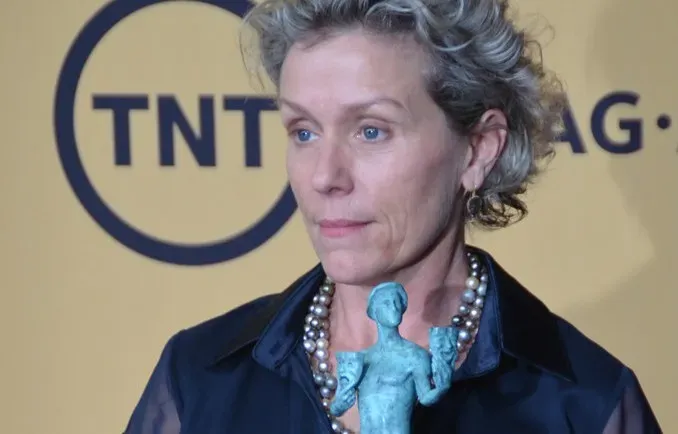
Frances McDormand won her first Academy Award for Fargo in 1997, cementing her reputation for finding humanity in unglamorous, plainspoken characters. That instinct has carried directly into her theater work, where she has continued to gravitate toward grounded, realistic drama rather than showier material. Her Oscar wins never pulled her fully away from stage acting.
She returned to Broadway in Good People, a contemporary drama that let her play a working class character navigating hard circumstances, not unlike the roles that built her film reputation. The production arrived well after her early Oscar recognition, showing that awards season success did not reroute her toward strictly cinematic projects. McDormand has generally treated theater as a parallel career rather than a retirement plan.
9. Mercedes Ruehl

Mercedes Ruehl won the Academy Award for Best Supporting Actress in 1992 for her performance in The Fisher King, a role that showcased the same emotional volatility she had already demonstrated on Broadway stages. She had built a strong theater reputation in New York before that win, and it did little to pull her permanently toward film. Her career has continued to move fluidly between the two mediums.
In the years following her Oscar win, Ruehl returned to Broadway for productions including a staging of Other Desert Cities, taking on complicated family drama roles that echoed the intensity of her earlier stage work. These later appearances reinforced her standing as a serious New York stage actor who happened to also win Hollywood’s top prize. For Ruehl, the Oscar seems to have been a milestone rather than a turning point away from theater.
Broadway has never been a place actors visit only on their way up. For these nine performers, an Oscar win marked a high point in a film career, not an exit from live theater. Their later stage credits show a pattern that recurs across generations of actors: once someone has spent real time working live in front of an audience, that pull rarely goes away, gold statuette or not.Partner offer
Planning a trip to Vegas?
Compare hotel rates and show tickets on VEGAS.com.