Movie magic isn’t just about explosions or clever editing. Sometimes it’s about hiding a swap so seamless that audiences watched the finished film for decades without realizing two different people played the same character. A death on set, a creative disagreement, or a scheduling conflict forced a change, and the crew scrambled to patch the gap using shadows, body doubles, or early digital trickery.
What’s remarkable is how often this worked. These aren’t cases where a sequel simply cast someone new in a familiar role. These are moments where, within the very same film, the person on screen changed and almost nobody clocked it at the time.
1. Nick Castle and Tony Moran in Halloween (1978)

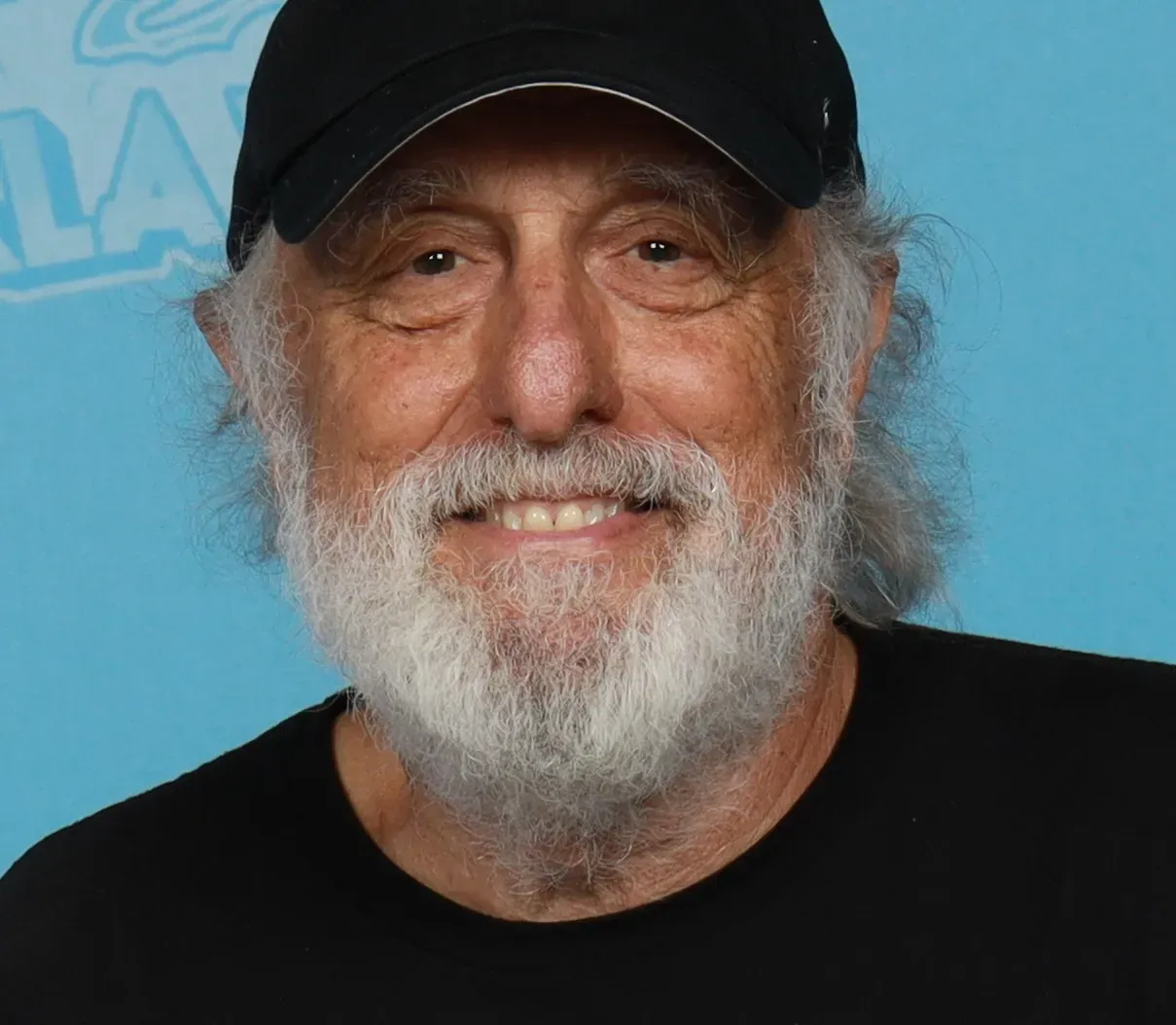
John Carpenter’s original slasher classic quietly used two different actors to play Michael Myers, and it worked because the character spends nearly the entire runtime hidden behind a mask. Castle, a childhood friend of director John Carpenter, was originally just there to watch his friend make a movie, but Carpenter suggested he take up the role rather than hiring a stuntman, and Castle was paid about twenty-five dollars a day. He handled almost every stalking scene as “The Shape.”
The switch happens right at the climax. When Michael Myers is briefly unmasked by Laurie Strode, the bare-faced Michael is played by Tony Moran instead. Castle admitted he was disappointed not to be the face shown, but understood Carpenter wanted a more angelic face to contrast with Myers’ ghastly deeds. Because the mask does all the heavy lifting for ninety-plus minutes, most first-time viewers never notice the handoff.
2. Eric Stoltz and Michael J. Fox in Back to the Future (1985)

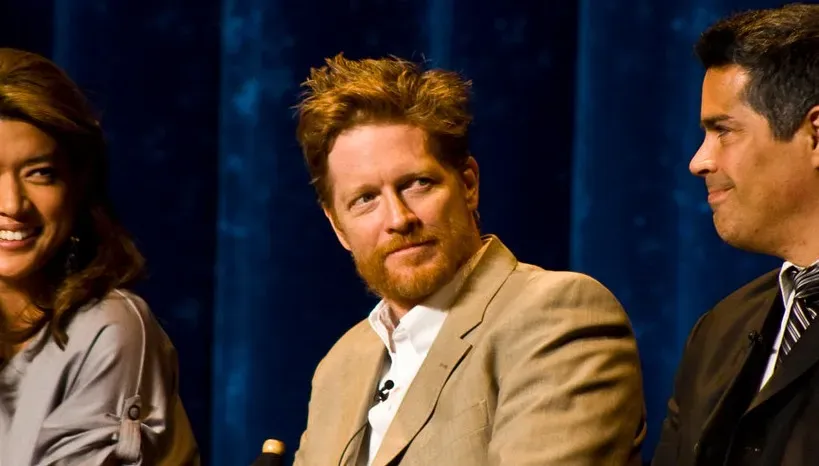
This one is the opposite of a hidden switch turned obvious. Filming actually began with Eric Stoltz in the role of Marty McFly in late 1984, but after about five weeks, director Robert Zemeckis and writer Bob Gale felt his interpretation was too serious for a film meant to be lighter and more comedic, so the studio made the risky decision to replace him mid-production with Michael J. Fox. Nearly everything Stoltz shot was scrapped and reshot from scratch.
Yet not all of it disappeared. One notable scene that stayed in the final film shows Stoltz, not Fox, punching Biff in Lou’s Cafe back in 1955. During the Libyan terrorist chase in the DeLorean, shots of Stoltz driving were kept because they were blurry and his face was hard to make out, and three separate shots of him also survive in the skateboard chase scene. Watch closely for a plain white polo shirt instead of Fox’s patterned one, and the swap becomes obvious in hindsight, though almost nobody spotted it in theaters.
3. Oliver Reed’s digital double in Gladiator (2000)

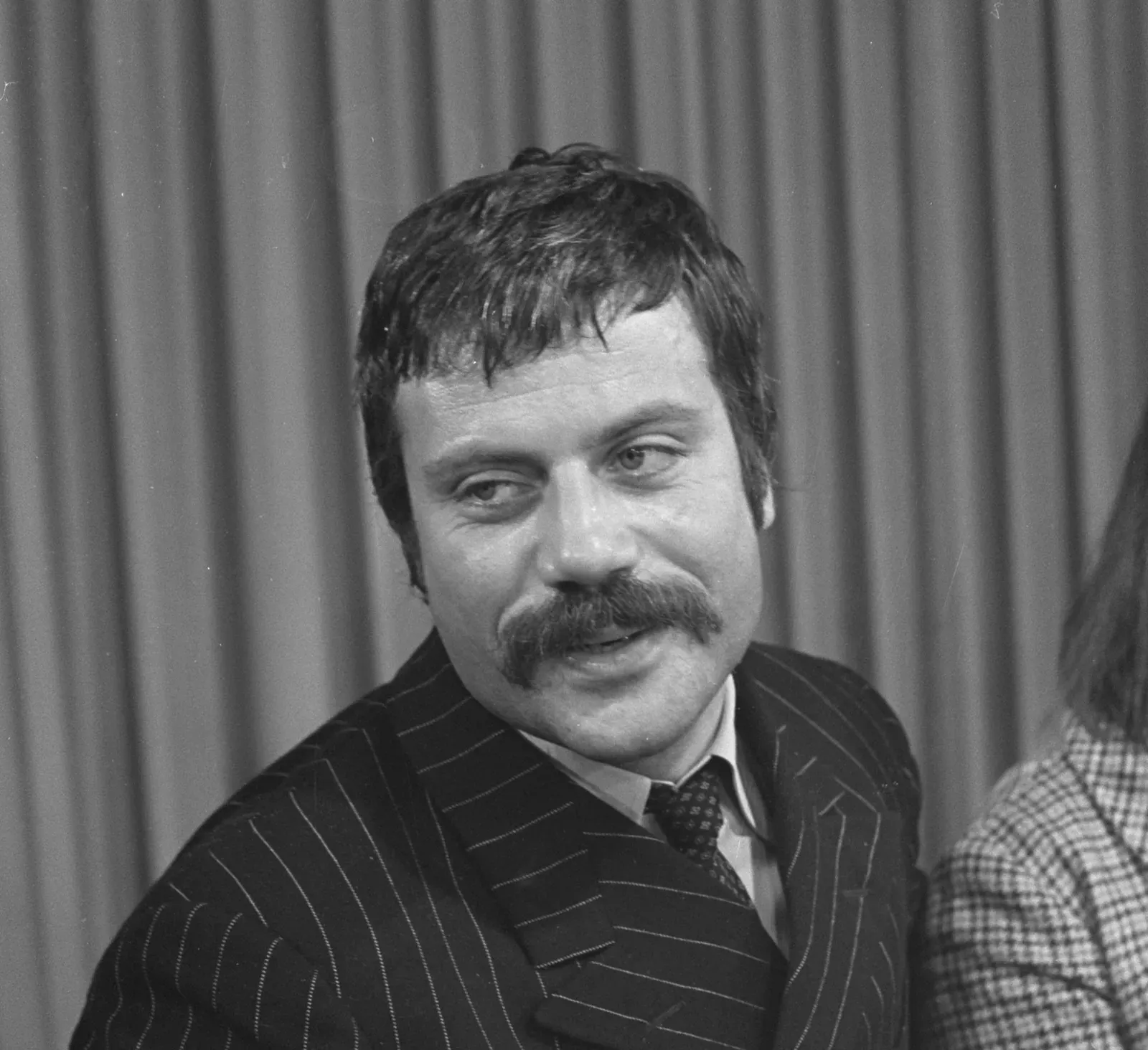
Oliver Reed died of a heart attack in Malta before finishing his role as Proximo, leaving director Ridley Scott with an unfinished character arc and no time for a traditional recast. A stand-in was used for the actual shoot, and in post-production the effects house The Mill used extra footage of Reed to digitally graft the actor’s face onto the stand-in’s body. The trick relied heavily on lighting rather than pure computer wizardry.
The scene was shot in shadow, with prison bars between the stand-in and the camera, which made the splice tougher to spot, and remarkably the scene still holds up well today. Rather than pay for costly reshoots with a new actor, the production reportedly spent around three million dollars to digitally superimpose Reed’s face over the body of a stand-in. Most audiences who saw Gladiator in theaters had no idea they were watching a composite performance during Proximo’s final moments.
4. Brandon Lee’s stunt double in The Crow (1994)

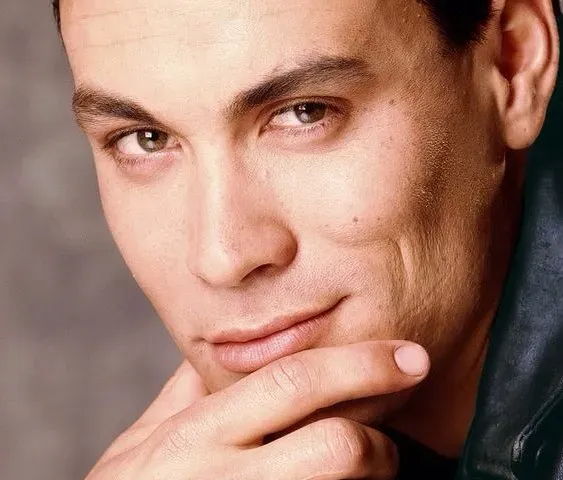
Brandon Lee died from an accidental gunshot wound during production of The Crow, with only a handful of scenes left to shoot. With only three pivotal scenes required to finish the film, stunt double Chad Stahelski was brought in to act out the scenes, after which the visual effects team at Dream Quest Images took unused shots of Lee and digitally mapped his face onto Stahelski’s body. The result blends two performers into one seamless character.
Stahelski was filmed, then Brandon Lee’s face was digitally mapped over his double, and the most impressive part is that you’d never know, since the shots combine seamlessly. Eric Draven’s window-crossing scene with the crow on his shoulder, his reflection in a shattered mirror, and his final fall are all quietly assembled from footage of two different men. It remains one of the more haunting examples of a production honoring a lost actor rather than starting over.
5. Paul Walker’s brothers in Furious 7 (2015)
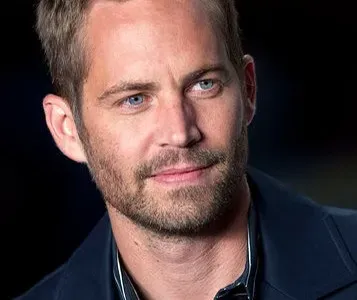
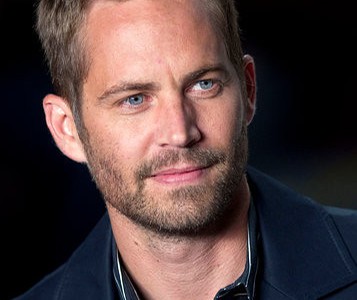
When Paul Walker died in a car accident in November 2013, roughly a third of his remaining scenes for Furious 7 were unfinished. Universal announced that Caleb and Cody Walker would stand in for their late brother to complete the action scenes and other parts of the film that hadn’t been finished before his death. Weta Digital, the effects house behind Peter Jackson’s Lord of the Rings films, took over from there.
Roughly 260 additional shots were completed by having Paul’s brothers perform his scenes in character, then replacing their faces with CGI versions of Paul in post-production. This included shots as demanding as the car jump between Abu Dhabi’s Etihad Towers, all involving performances by one of the two brothers whose own faces were replaced by CG versions of Paul’s. The film went on to earn over a billion and a half dollars worldwide, and most viewers assumed they were simply watching Walker finish out his role.
6. David Prowse and Sebastian Shaw in Return of the Jedi (1983)

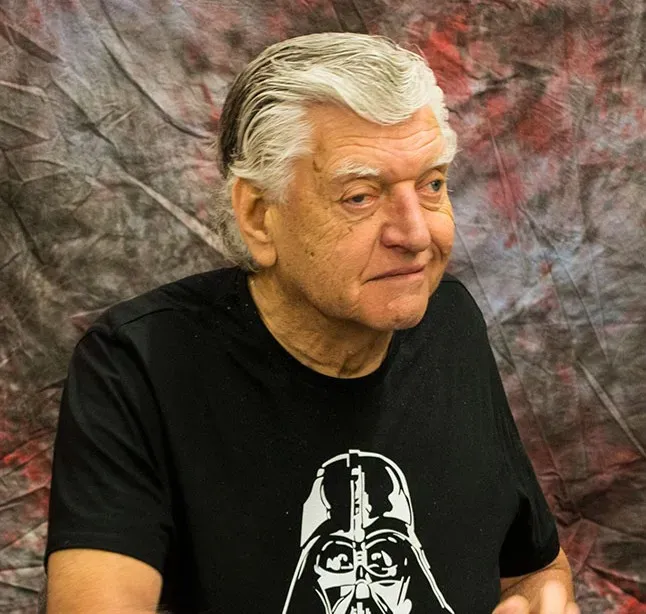
David Prowse wore the imposing black suit and cape as Darth Vader through nearly the entire original Star Wars trilogy, giving the character his towering physical presence in every scene. His voice was famously dubbed by James Earl Jones from the start, a separate but related substitution that fans have long known about.
What surprises newer viewers is the final unmasking scene. When Luke removes Vader’s helmet at the end of Return of the Jedi, the aged, scarred face belongs not to Prowse but to veteran British actor Sebastian Shaw, who was brought in specifically for that single, quiet moment. It is one of the most famous character reveals in film history, yet the actual face shown had nothing to do with the man who had physically embodied Vader for three movies.
7. Guy Henry and Peter Cushing’s digital ghost in Rogue One (2016)

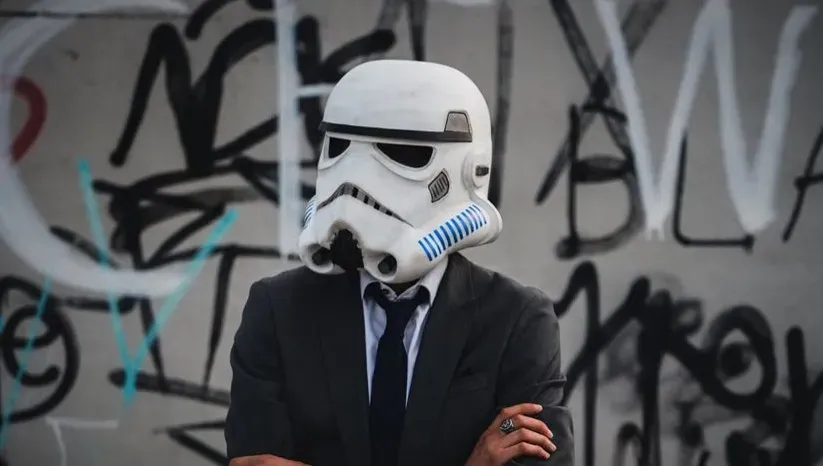
Grand Moff Tarkin returned to the Star Wars saga in Rogue One more than two decades after actor Peter Cushing’s death, and the production pulled this off without ever recasting the role in the traditional sense. British actor Guy Henry performed every scene on set, delivering the lines and physical movement, while visual effects artists digitally recreated Cushing’s likeness over his performance using old photographs, archival footage, and motion capture.
Industrial Light and Magic worked with the Cushing estate to license his image for the project, blending Henry’s live performance with a digitally rebuilt face frame by frame. The illusion held up well enough in theaters that many casual viewers assumed they were simply watching restored or unused footage of Cushing himself. It stands as one of the more ambitious uses of digital resurrection in a mainstream blockbuster.
8. Buddy Ebsen and Jack Haley in The Wizard of Oz (1939)

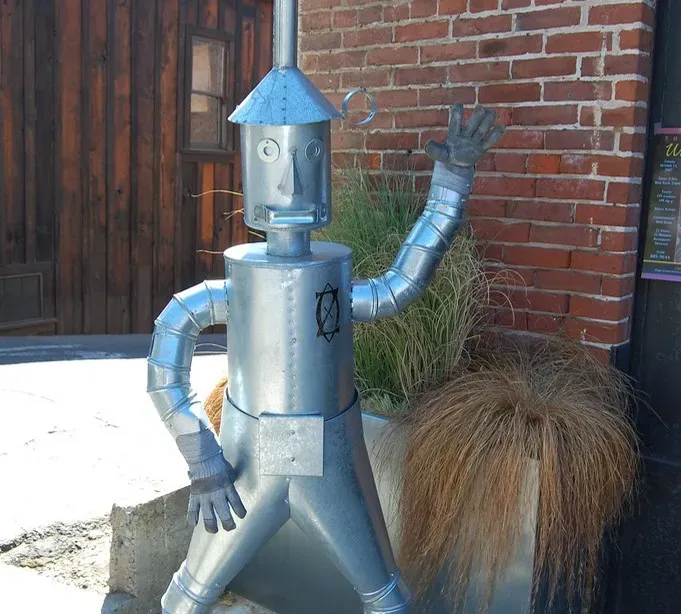
Buddy Ebsen was originally cast as the Tin Man in MGM’s classic musical and spent time in rehearsals wearing the character’s silver aluminum-dust makeup. The makeup caused a severe allergic reaction that sent him to the hospital struggling to breathe, and the studio had little choice but to recast the role while he recovered.
Jack Haley stepped in and finished the part using a safer paste-based makeup formula, and it’s his face audiences have known as the Tin Man ever since. Because the swap happened before the film’s release, moviegoers in 1939 never saw a version with Ebsen, so there was nothing to notice at the time. It took decades of film history digging before most fans learned another actor was ever attached to the role at all.
9. John Candy’s unfinished scenes in Wagons East (1994)

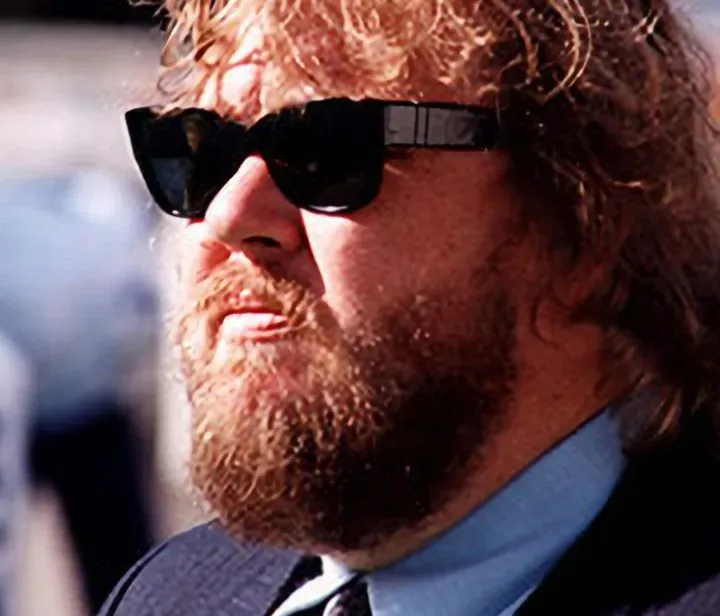
John Candy died of a heart attack during production of the Western comedy Wagons East, with a portion of his scenes still unshot. Rather than pause the production or attempt a full recast, the filmmakers finished the picture using a body double, careful editing, and camera angles designed to avoid close-ups where the substitution would be obvious.
The film was released later that year largely as originally planned, and for casual viewers unaware of Candy’s death partway through filming, the seams were easy to miss. It remains a lesser-known entry in the small, somber list of films quietly completed after losing their lead. Compared to the elaborate digital work used decades later for other actors, this was a much simpler, more old-fashioned fix, and it still managed to slip past most audiences.
What ties all nine of these together isn’t just clever editing or expensive visual effects. It’s the fact that filmmakers, often working under tragic or chaotic circumstances, found a way to protect the story and the character even when the person playing them could no longer finish the job. Some solutions cost millions of dollars in digital work, while others relied on nothing more than a well-placed shadow or a shirt swap.
Decades later, these hidden substitutions have become some of the more fascinating footnotes in film history, proof that the illusion of a single, continuous performance is sometimes built from two.