


Most award show speeches fade within a news cycle. The winner thanks their agent, cries on cue, gets played off by the orchestra, and by Monday morning the internet has moved on. Once in a while, though, someone walks up to that microphone and says something that the industry can’t unhear. The room shifts. Conversations that were previously held in private suddenly become policy debates, op-eds, and board room agendas.
What follows are nine speeches that did exactly that. Not because they were the most emotional, or the most polished, but because the morning after each one, the entertainment world talked about itself differently.
1. Marlon Brando and Sacheen Littlefeather – 45th Academy Awards (1973)

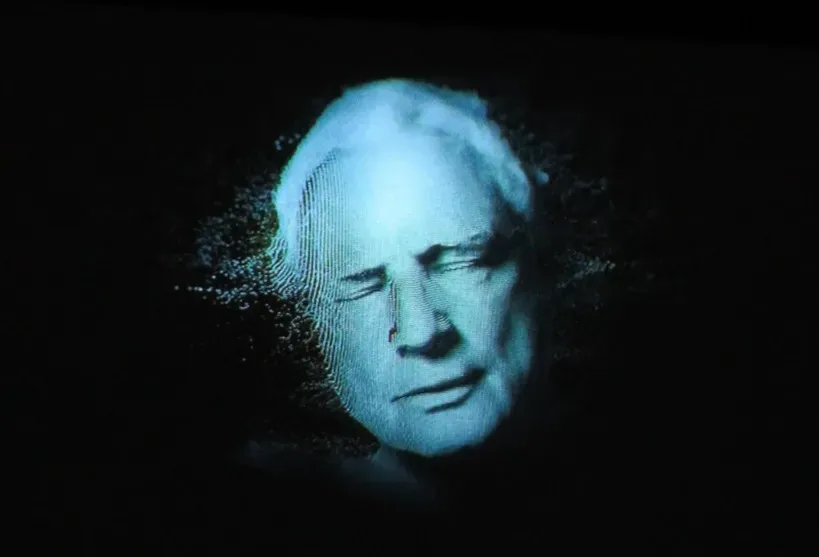
In 1973, Marlon Brando famously refused his Oscar due to his support of Native Americans, and a part of his speech was read on stage by Sacheen Littlefeather. In protest of the treatment of American Indians by the film industry, Brando boycotted the Oscars and sent Apache activist Littlefeather in his stead. After announcing that the actor would not be accepting the award, she called attention to the plight of Indigenous performers, as well as to the civil rights occupation of Wounded Knee.
The speech so scandalized the Academy that it led to a ban on proxy award acceptances. The moment made the film industry confront, very publicly, its history of stereotyping and sidelining Native people both on screen and behind the camera. It would be decades before Hollywood truly grappled with that reckoning, but the starting gun was fired that night.
2. Hattie McDaniel – 12th Academy Awards (1940)

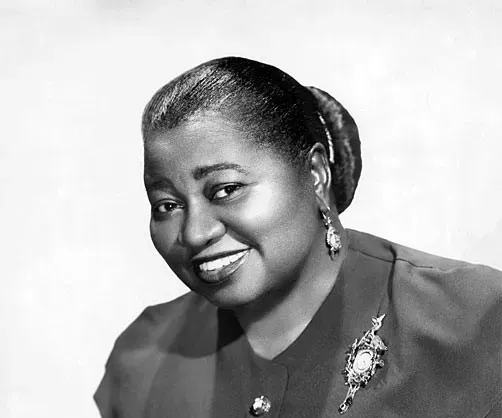
In 1940, Hattie McDaniel won the Oscar for Best Supporting Actress for her performance in Gone with the Wind. She was the first Black actor to win an Academy Award. The ceremony was held at a segregated hotel, and producer David O. Selznick had to request that McDaniel be allowed into the hotel’s nightclub to receive her hard-won award. At the event, McDaniel was seated separately from her co-stars.
Though nominated for her role as Mammy in the 1939 best picture winner, McDaniel was forced to sit at a segregated table away from her costars. When she became the first Black person to receive an Oscar, the actor expressed her hope that she would “always be a credit to my race and to the motion picture industry.” The contradiction between her historic win and the conditions surrounding it forced an uncomfortable mirror onto the industry, one it couldn’t simply turn away from.
3. Tom Hanks – 66th Academy Awards (1994)

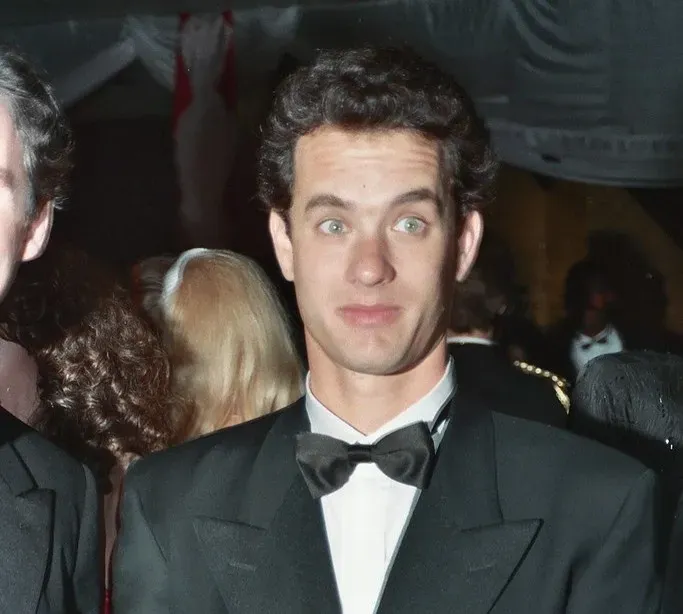
On March 21, 1994, at the 66th Academy Awards, Hanks accepted the Best Actor statuette for his role in “Philadelphia,” a drama about a gay lawyer slowly dying of AIDS. His acceptance speech quickly went down in history as one of the most memorable and moving in Oscar history. Though the disease had raged on for more than a decade by the movie’s release, it was still heavily stigmatized at the time, and “Philadelphia” was one of the first major Hollywood films to address HIV/AIDS directly.
In what is regarded as one of the most memorable acceptance speeches, he took the time to address the hundreds of thousands of lives lost to the AIDS epidemic, highlighting two inspirational people in his life, and unknowingly inspired a movie. When Hanks thanked Rawley Farnsworth and John Gilkerson for being “two of the finest gay Americans,” he planted the seed for what became the film In & Out. His performance in Jonathan Demme’s 1993 masterpiece received widespread critical acclaim and was a significant influence on the evolution of mainstream queer cinema.
4. Halle Berry – 74th Academy Awards (2002)

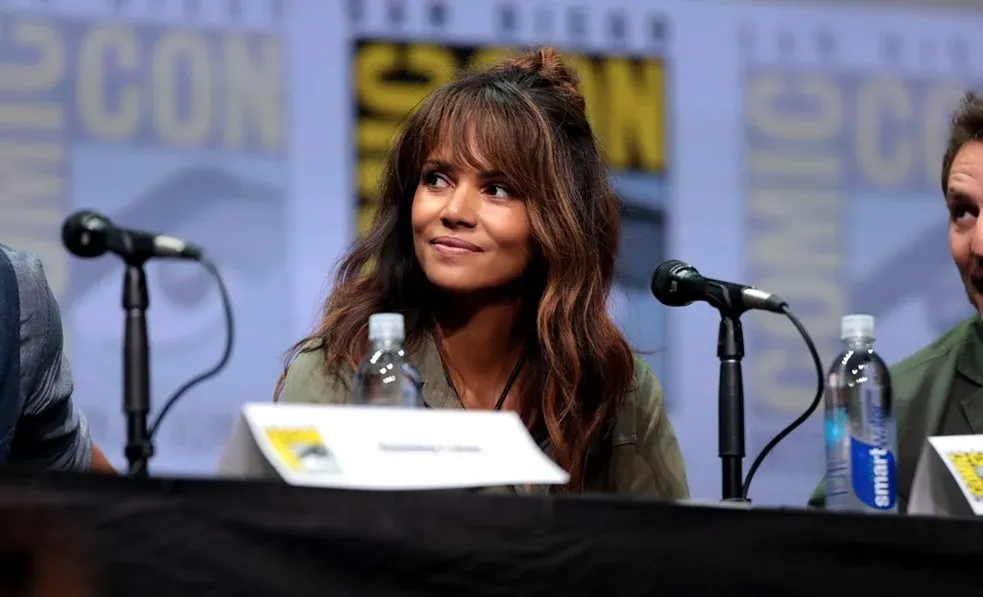
This was a moment and Berry more than met it in her moving acceptance speech in 2002, when she became the first Black woman to win the Oscar for best lead actress. Accepting her award in tears, Berry acknowledged the historic significance of her win. Berry said the win was “for Dorothy Dandridge, Lena Horne, Diahann Carroll” and “for every faceless, nameless, woman of color who now has the chance because this door tonight has been opened.”
Halle Berry made history as the first African American woman to win the Best Actress Oscar for “Monster’s Ball.” Her emotional acceptance speech celebrated breaking barriers and paved the way for greater representation in the industry. Berry’s win and speech marked a pivotal moment in Oscar history, highlighting the need for increased diversity in Hollywood. The speech didn’t just move audiences; it reoriented the internal conversation studios had been avoiding for years about whose stories were being told, and by whom.
5. Viola Davis – 89th Academy Awards (2017)

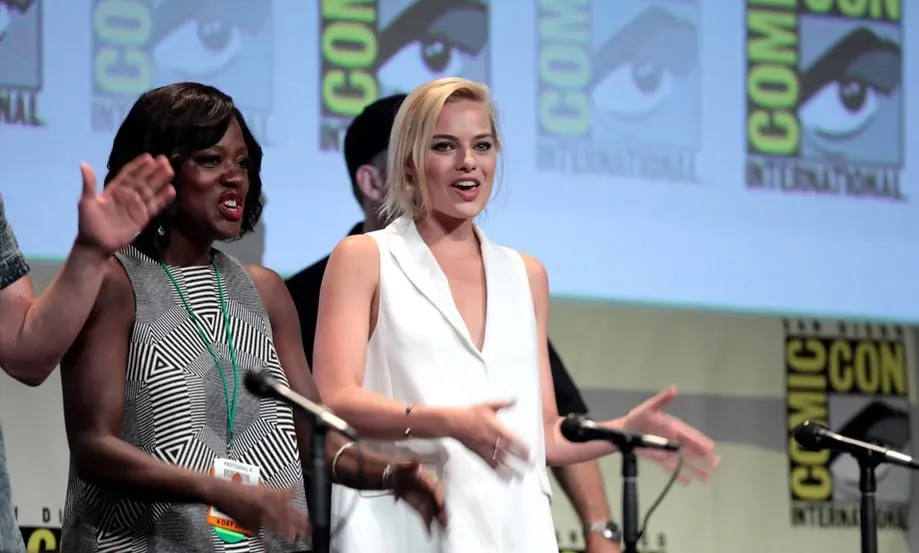
Viola Davis began her 2017 Best Supporting Actress speech for Fences in the cemetery. She used the image of a graveyard to argue that the greatest untapped resource in storytelling is the lives of ordinary people who have been buried without their stories ever being told. Davis’s 2017 Oscar acceptance speech for Best Supporting Actress in “Fences” was a powerful tribute to the importance of representation. Davis highlighted the struggles and triumphs of everyday people, reminding us of the transformative power of storytelling. Davis’s moving speech resonated deeply, sparking conversations about diversity and inclusivity in the entertainment industry.
What made the speech land so hard was its insistence that Hollywood’s blind spot wasn’t a matter of taste but of moral failure. It reframed the diversity debate in terms that were harder to dismiss as political box-ticking. Davis ended her emotional speech by thanking her parents, “the people who taught me, good or bad, how to fail, how to love, how to hold an award, how to lose.” That personal specificity gave the industry-wide critique an unavoidable human weight.
6. Frances McDormand – 90th Academy Awards (2018)

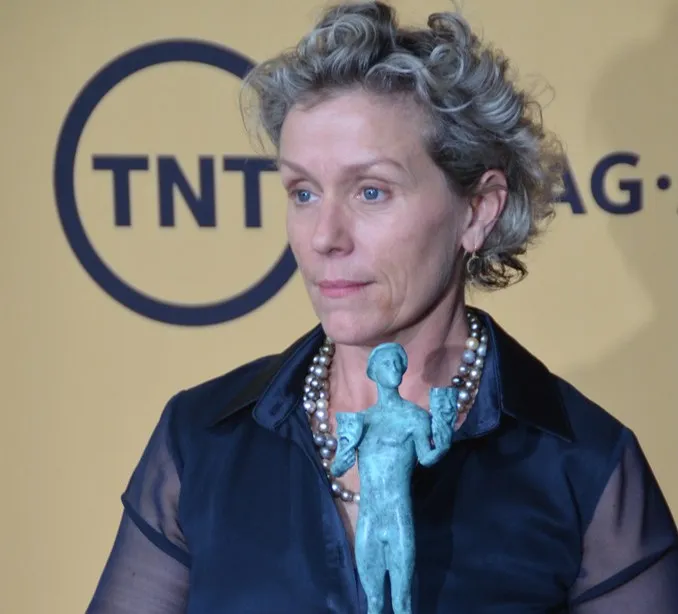
Frances McDormand’s Best Actress acceptance speech at the Oscars had many clear messages about what she wanted Hollywood to do for women, and one cryptic one: “inclusion rider.” After asking all the female Academy Award nominees in the audience to stand with her and imploring executives to fund their projects, McDormand said, “I have two words to leave with you tonight, ladies and gentlemen, inclusion rider.” Her speech called out exclusion from Hollywood sets and advocated for inclusion riders in acceptance speeches. These are stipulations that actors can include in contracts for a certain amount of diversity in a cast.
An inclusion rider is a clause in an actor’s contract that allows him or her to make stipulations about how the movie is cast. The idea came out of a 2016 TED Talk by Stacy Smith, founder of the Annenberg Inclusion Initiative at the University of Southern California. In an interview after the Oscars ceremony, McDormand said she had only heard of the inclusion rider the week before after 35 years in the business. The fact that a two-word phrase from a podium could shift contract negotiations across the industry overnight says a great deal about the power of that particular stage.
7. Barry Jenkins and Tarell Alvin McCraney – 89th Academy Awards (2017)

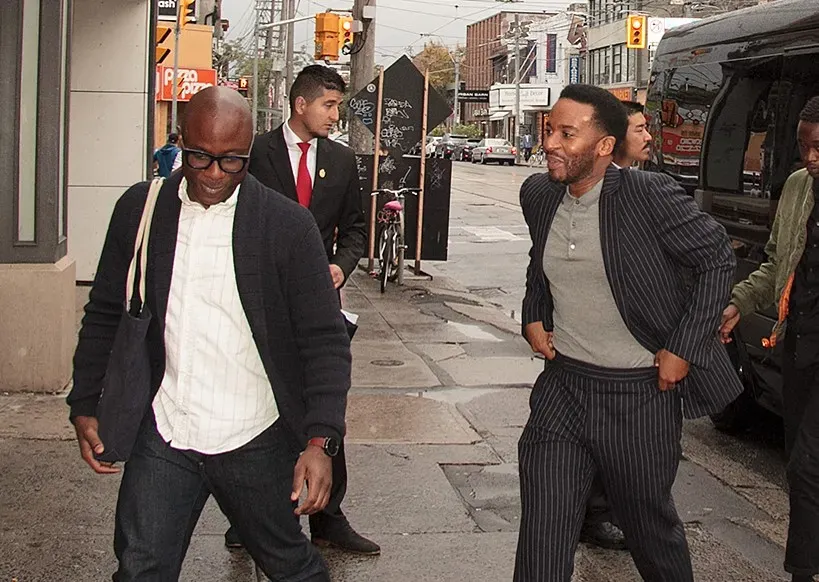
When they accepted their win for their groundbreaking Black LGBTQ+ drama, Jenkins and McCraney shone a light on underrepresented communities. McCraney said, to great applause, that he dedicated the award “to all those Black and brown boys and girls and non-gender conforming who don’t see themselves. We’re trying to show you you and us.” Upon becoming the first Black person to win for costume design, Ruth Carter began by thanking Spike Lee.
The Moonlight win was already seismic given the now-infamous mix-up with La La Land. The speech itself, though, cut right to the industry’s core question: who is Hollywood actually making films for? The 2024 Hollywood Diversity Report showed that actors who are Black, Indigenous and people of color made up 43.6% of the United States population in 2023 and have reached more proportionate representation in leading and streaming roles, but are still underrepresented as film writers and directors. Jenkins and McCraney’s words that night helped push that discrepancy into public focus.
8. Patricia Arquette – 87th Academy Awards (2015)

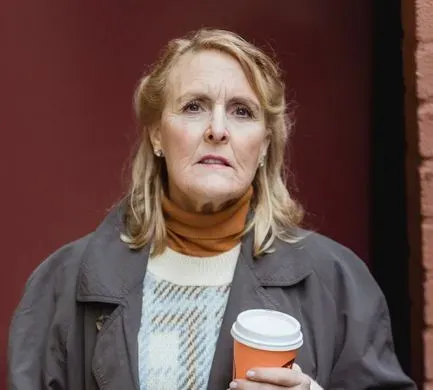
When Patricia Arquette won Best Supporting Actress for Boyhood in 2015, she used her speech to stump for gender equality. Her call for wage equality reached well beyond the auditorium, landing in workplaces and news cycles far outside Hollywood. While Arquette’s speech had its critics, she found fans in fellow nominee Meryl Streep and Jennifer Lopez, whose supportive responses turned them into the perfect GIF for those times when you need to hype yourself up.
The speech mattered not just because of what was said, but because of where it was said. A major star, at the peak of a major ceremony, invoking the gender pay gap in front of a live global audience forced a conversation that studios and agencies had long managed to keep internal. It contributed to a broader wave of wage transparency discussions that reshaped how contracts in the industry were negotiated in the years that followed.
9. Chappell Roan – 67th Grammy Awards (2025)

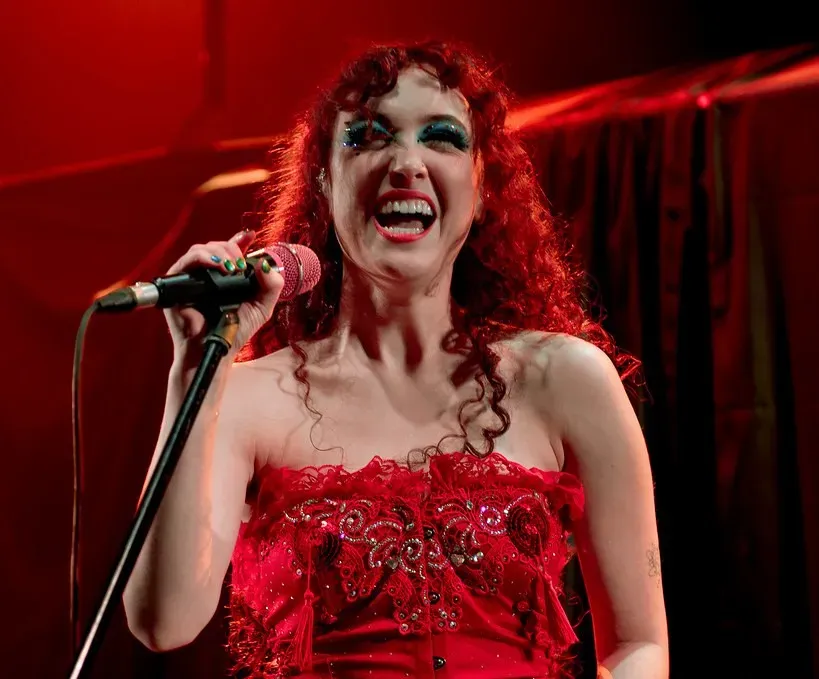
After winning Best New Artist at the 2025 GRAMMYs, Chappell Roan used her platform to advocate for a livable wage for musicians. Taking the golden gramophone after her performance of “Pink Pony Club,” the first-time GRAMMY winner used her speech to ask record companies to pay their artists fairly, a cause that got a huge applause from the crowd. Reading from a notebook on stage, she called out record labels and “the industry profiting millions of dollars off of artists” and shared her own experience losing healthcare after getting dropped from her label right before the pandemic.
Roan was signed by Atlantic Records in 2015, but the label dropped her in 2020. In 2023, Roan signed with Dan Nigro’s independent imprint Amusement Records, and she released her debut album “The Rise and Fall of a Midwest Princess” in partnership with Island Records. An uproar erupted across the music industry over an op-ed published in the Hollywood Reporter unpacking the implications of Roan’s passionate statement about music companies owing musicians a livable wage and healthcare. The debate she ignited was still running weeks later, and it remains one of the sharpest industry self-examinations the Grammy stage has ever produced.
These nine moments share a common thread: they each named something the industry preferred to leave unnamed. The speeches didn’t always produce immediate legislative or contractual change. What they reliably did was make it harder for those with the power to act to claim they hadn’t heard the problem stated plainly, out loud, in front of everyone.

