Critics get things wrong all the time, and sometimes they get them wrong in the most flattering way. A band collects glowing reviews, lands on year end lists, and then somehow never gets the radio play or sales everyone predicted.
The nine acts below all had that kind of buildup. Some had major label deals, some had famous admirers, and a few simply made records so good that mainstream success looked like a formality. It never quite arrived, and the reasons are often more interesting than the music business cliché of bad luck.
Big Star


Big Star’s debut, #1 Record, came out in 1972 on Ardent, with distribution through Stax. Critics loved its bright, Beatles shaped pop, and the band looked ready for a real shot at the charts. Yet the albums were hard to find in stores, and that problem followed them through Radio City in 1974.
Chris Bell had left the group by then, and the third album went unreleased for years. Their reputation grew slowly through other musicians who kept citing them, and Rolling Stone later placed both #1 Record and Radio City on its list of the greatest albums. Bell died in 1978 and Alex Chilton in 2010, so the band never saw the audience their records seemed to promise.
The Replacements


The Minneapolis band made Let It Be in 1984, an album critics treated as a landmark of American indie rock. They moved to Sire for Tim in 1985, and a major label push seemed to be the obvious next step. A 1986 appearance on Saturday Night Live ended with a ban from the show after the band showed up drunk and chaotic.
That story fits the larger pattern. Paul Westerberg wrote songs with real hooks, but the band kept undercutting its own chances on stage and in interviews. They never scored a Top 40 single, and they split in 1991, though a reunion in the 2010s brought fresh attention to their catalog.
The Go-Betweens


Robert Forster and Grant McLennan formed the Go-Betweens in Brisbane in the late 1970s, and British and Australian critics kept pointing to them as a band on the verge. Their literate songwriting earned steady praise through the 1980s. By 1988, 16 Lovers Lane, with its song Streets of Your Town, looked like the crossover record.
It didn’t turn into a big commercial hit, and the original band broke up soon afterward. Forster and McLennan reunited in 2000 and made three more albums before McLennan died in 2006. Their following has remained loyal, especially among songwriters and critics who treat them as a benchmark.
Television

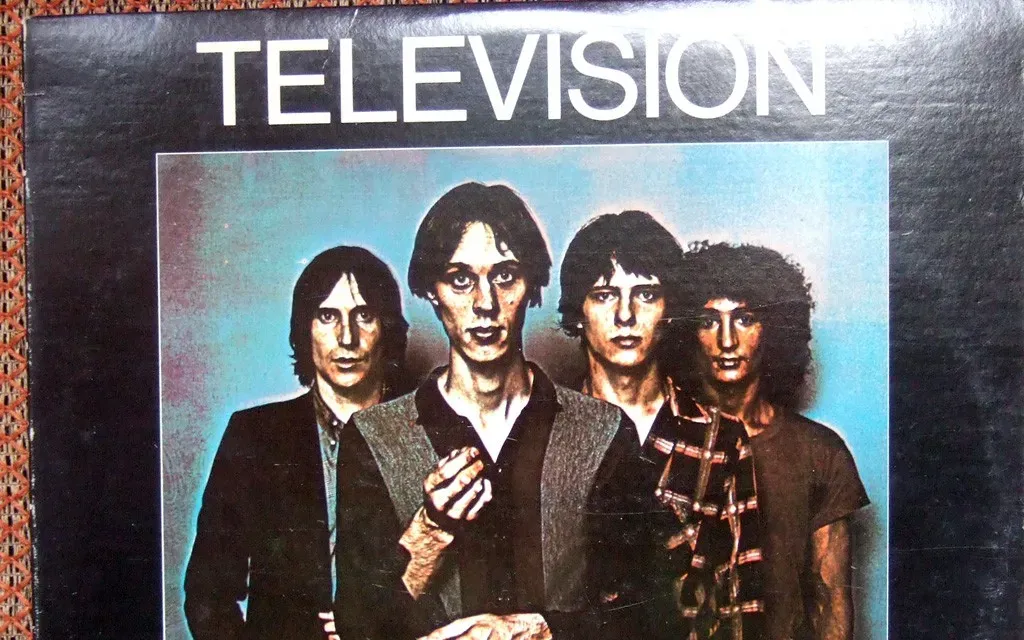
Television came out of the New York scene around CBGB, and Marquee Moon in 1977 is regularly named among the finest debut albums ever made. The interlocking guitars of Tom Verlaine and Richard Lloyd gave critics plenty to write about. The album fared better in Britain than in the United States.
Their second record, Adventure, arrived in 1978, and the band split not long after. Verlaine’s cryptic style may simply have been too angular for radio. He died in January 2023, and his death prompted a wave of tributes that reinforced how much the band’s reputation rests on influence rather than sales.
Partner offer

Hüsker Dü


Hüsker Dü pushed hardcore toward melody with records like Zen Arcade and New Day Rising. Critics saw them as the underground band most likely to cross over, and they signed to Warner Bros. in 1986. Their major label albums, Candy Apple Grey and Warehouse: Songs and Stories, were sharper and more accessible.
Even so, the hoped for breakthrough didn’t come. Internal tensions and the death of their manager David Savoy in 1987 weighed heavily, and the trio split in 1988. Bob Mould and Grant Hart went on to solo careers, and bands like Nirvana and the Foo Fighters era of alternative rock owed plenty to the template they set.
Guided by Voices

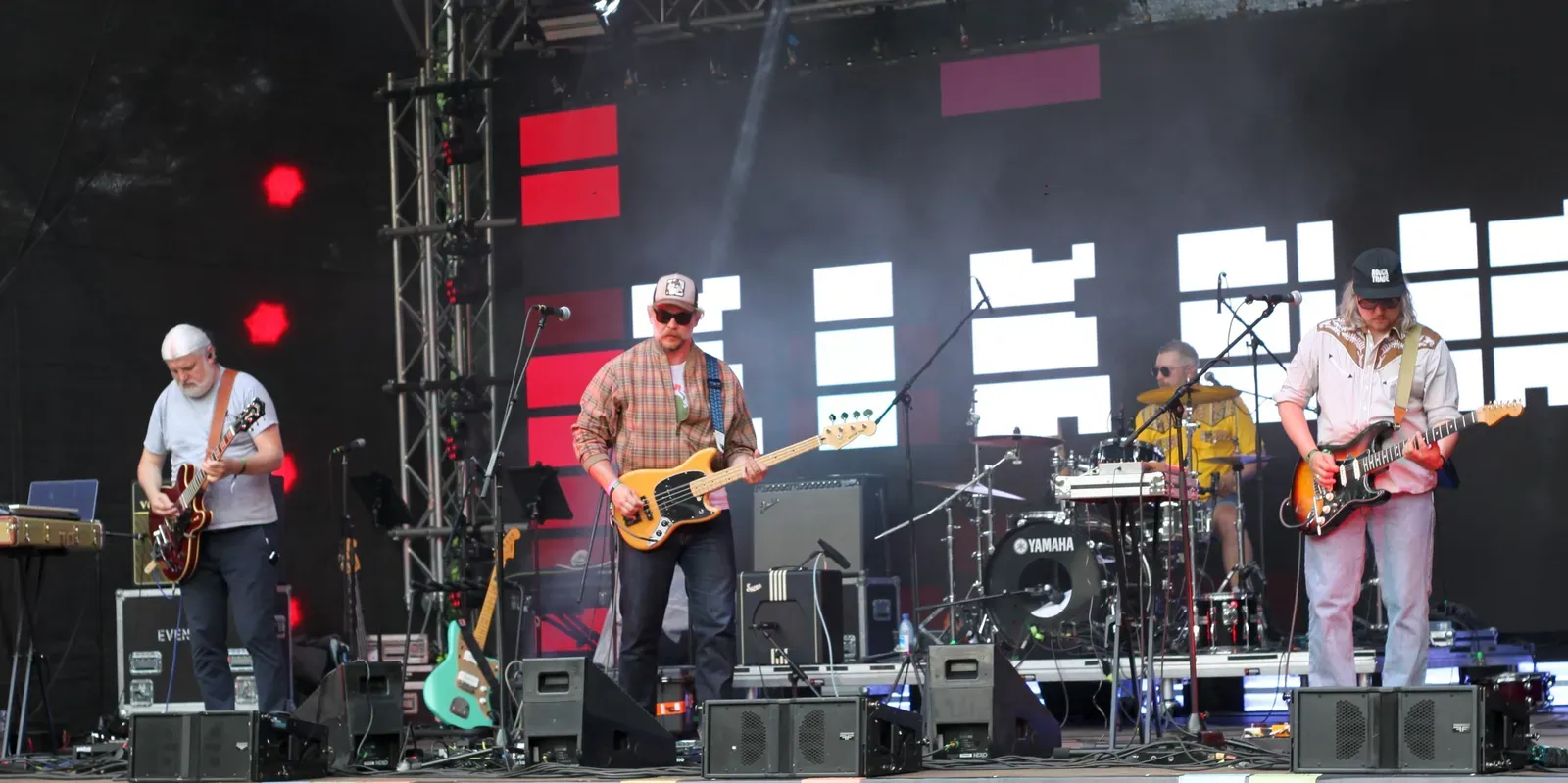
Robert Pollard, a former schoolteacher from Dayton, Ohio, turned Guided by Voices into a critical obsession in the mid 1990s. Bee Thousand in 1994 and Alien Lanes in 1995 were lo-fi collections of short, melodic songs that reviewers adored. Their output was famously prolific, which made them both exciting and difficult to package for a mass audience.
The group tried for a bigger sound with Do the Collapse in 1999, produced by Ric Ocasek of the Cars. It was a clear bid for radio, and it didn’t change their commercial standing. Pollard kept releasing records at a remarkable pace into the 2020s, and the band’s audience has stayed devoted and relatively small.
Pavement

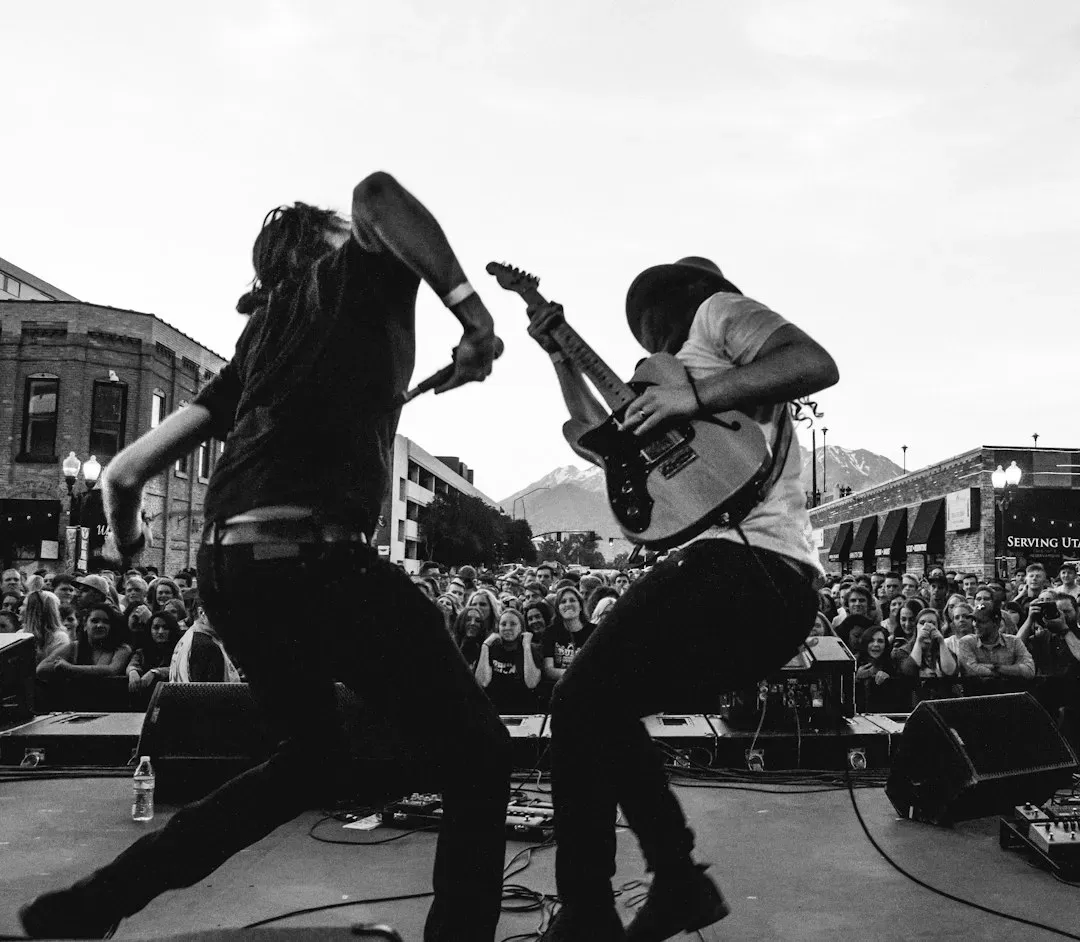
Pavement’s Slanted and Enchanted in 1992 made them the poster band for 1990s indie rock. Crooked Rain, Crooked Rain followed in 1994, and Cut Your Hair earned them some alternative radio and MTV exposure. Major labels circled, and many assumed a mainstream breakthrough was close.
Stephen Malkmus and company never really chased it. They split in 1999, reunited for a tour in 2010, and came back again for shows in 2022 and 2023. Younger listeners have found them through streaming and social media, which has widened the audience without turning them into a chart act.
Neutral Milk Hotel


Neutral Milk Hotel’s In the Aeroplane Over the Sea, released in 1998, drew strong reviews but sold modestly at first. Many critics assumed it would lift the band into a bigger tier of indie success. Instead, Jeff Mangum stepped away from music and public life, and the band effectively went silent.
The record’s reputation kept growing through word of mouth and online communities. Mangum returned for live shows in the early 2010s, and the band toured until 2015. The album’s afterlife is a case study in how a cult favorite can outlast its original release cycle without ever becoming a mainstream product.
Sleater-Kinney


Sleater-Kinney formed in Olympia, Washington, in the mid 1990s, and Dig Me Out in 1997 cemented their critical standing. In 2001 Time magazine named them America’s best rock band, a headline that suggested a mass audience was waiting. They signed with Sub Pop for The Woods in 2005, a loud and ambitious album that reached a respectable chart position but not stardom.
The group went on hiatus in 2006, reunited in 2014, and released No Cities to Love in 2015. Their later albums, The Center Won’t Hold in 2019, Path of Wellness in 2021 and Little Rope in 2024, kept the critical goodwill coming. They remain one of the most respected rock bands of their generation, with an audience that is devoted rather than enormous.
Partner offer
Planning a trip to Vegas?
Compare hotel rates and show tickets on VEGAS.com.