There’s a certain accent, attitude, or general sense of style that makes a band “feel” British, even when the passport says otherwise. Maybe it’s the way a name sounds, the fashion choices from a music video, or simply the fact that so much of rock and pop history got filtered through London before it reached American radio. Whatever the reason, plenty of massively popular groups have spent decades being mentally filed under “UK” by American fans, when the truth is a little more geographically scattered. Some of these mix-ups come from genuinely close cultural ties, others from record labels marketing bands a certain way, and a few are just honest accents doing their thing. Here are nine acts that get lumped in with British rock more often than their actual home countries would suggest.
1. AC/DC


AC/DC formed in Sydney in 1973, and the band’s entire sound, swagger, and stage persona is rooted in Australian pub rock rather than anything from Britain. Angus Young’s schoolboy uniform and Bon Scott’s growl have a bluesy, working class rock energy that many Americans associate with UK bands like Led Zeppelin, but the group’s roots are firmly Australian. First hitting the stage in 1973, AC/DC has gone on to sell more than 200 million albums worldwide, and their record Back in Black remains one of the best-selling albums in history. The confusion likely comes from lead singer Bon Scott’s birth in Scotland, but he was raised in Australia and the band itself was built entirely on Australian soil. Even decades later, with the Power Up Tour rolling through North American stadiums in 2026, the misconception persists among casual fans.
2. Men at Work


“Down Under” is arguably one of the most literal song titles in pop history, yet Men at Work still get mistaken for a British new wave act by listeners who only know them from classic rock radio. The band formed in Melbourne in 1979, blending reggae rhythms, saxophone hooks, and a laid back vocal style that doesn’t quite match the punchier British new wave of the same era. The confusion tends to come from the era itself. The early 1980s were dominated by British acts on MTV, so any band with synthesizers and a slightly exotic sound got grouped together in American memory, regardless of where they actually formed.
3. INXS


INXS built a sleek, stadium-sized sound throughout the 1980s that borrowed from funk, rock, and new wave, and that combination often gets American listeners guessing London or Manchester. The band actually formed in Sydney in 1977, led by the late Michael Hutchence, whose vocal style and fashion sense had more in common with glam era rock than with the British post-punk scene. Their biggest commercial breakthrough, the 1987 album Kick, sounded polished enough to fit comfortably alongside British contemporaries on American radio. That polish, paired with Hutchence’s magnetic stage presence, cemented the mistaken identity for an entire generation of fans who never bothered to check the liner notes.
4. Crowded House


Crowded House occupies a strange dual identity even within its own home region, since the band was founded in Melbourne but fronted by New Zealander Neil Finn. The jangly, melodic pop rock style of songs like “Don’t Dream It’s Over” has a wistful, literate quality that many Americans instinctively file under British influence, thanks to comparisons with acts like The Smiths or early Coldplay. In reality, the band’s sound draws far more from Antipodean pop traditions and Finn’s own background in the New Zealand group Split Enz. The confusion is understandable given how thoroughly British music critics embraced the band in the late 1980s, but the geography simply doesn’t hold up.
5. The Cranberries

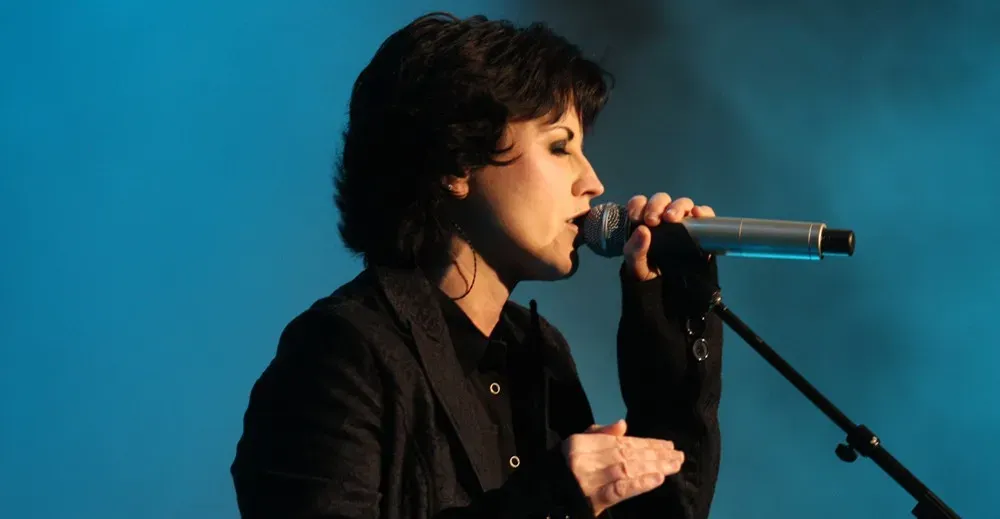
The Cranberries are almost always assumed to be British, largely because Irish and British accents can sound interchangeable to unfamiliar American ears, and because the band’s breakthrough came during the height of Britpop’s dominance on MTV. Formed in Limerick, Ireland in 1989, the band’s sound owed more to Irish folk sensibilities layered under alternative rock guitars than to anything happening in London at the time. Dolores O’Riordan’s distinctive vocal delivery, with its yodeling flourishes and unmistakable lilt, was actually a giveaway of her Irish roots for anyone paying close attention. Still, songs like “Zombie” and “Linger” got lumped into the broader British alternative wave simply because American radio didn’t always distinguish between the two islands.
6. Thin Lizzy

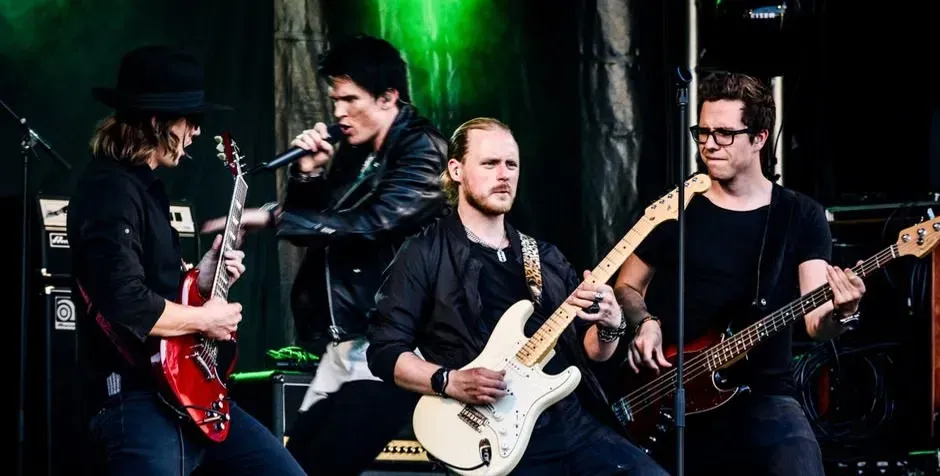
Thin Lizzy’s hard rock sound, complete with twin guitar harmonies and a working class swagger, has long been compared to British bands like UFO and Judas Priest. The band actually formed in Dublin in 1969, led by bassist and vocalist Phil Lynott, whose songwriting drew heavily from Irish storytelling traditions even as the music leaned toward American style hard rock. “The Boys Are Back in Town” remains a staple of American classic rock radio, and its universal bar anthem quality has helped obscure the band’s actual origins for decades. Lynott’s mixed Irish and Guyanese heritage also added a layer of complexity that many casual listeners never fully unpacked.
7. Nickelback


Nickelback gets mistaken for plenty of things, but British is a surprisingly common guess among American fans who assume the band’s radio friendly hard rock sound must have originated somewhere across the Atlantic. In reality, Nickelback formed in Hanna, Alberta, in 1995, making them thoroughly Canadian rather than British in any sense. The mix-up likely stems from the band’s polished, arena ready production style, which shares some sonic DNA with British post-grunge acts of the early 2000s. Frontman Chad Kroeger’s gravelly vocal delivery doesn’t carry an obvious regional accent when singing, which only adds to the confusion for listeners trying to place the band geographically.
8. Rush


Rush built a career on intricate progressive rock compositions that drew frequent comparisons to British acts like Yes and King Crimson, leading many American fans to assume the band shared that same British pedigree. The trio actually formed in Toronto in 1968, and their sound, while influenced by British progressive rock, developed its own distinctly North American identity over five decades of recording. Geddy Lee’s high, distinctive vocal register and the band’s dense, technical musicianship often get grouped with the British prog scene simply because that genre was so thoroughly dominated by UK acts during the 1970s. Canadian rock in general has a long history of being absorbed into American cultural assumptions, and Rush is one of the clearest examples of that pattern.
9. a-ha

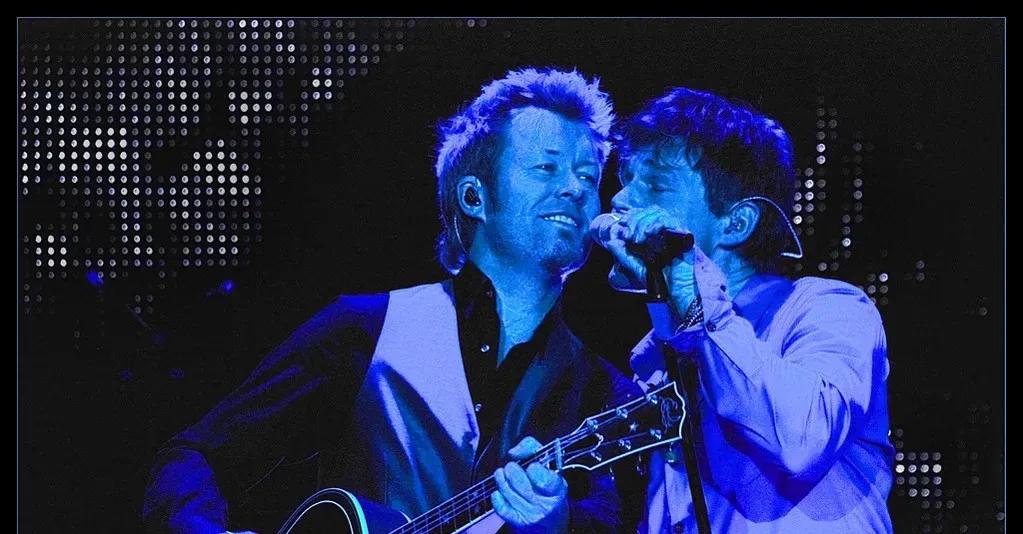
a-ha’s synth-driven sound and “Take On Me” music video are so deeply embedded in 1980s pop culture that many Americans assume the band must have come out of the British new wave scene alongside Duran Duran or Depeche Mode. a-ha is a Norwegian band formed in Oslo in 1982, and while the trio did relocate to London early in their career to break into the international music industry, their musical identity remained rooted in Scandinavian pop sensibilities. Their debut album Hunting High and Low peaked at number one in their native Norway, number 2 in the UK, and number 15 on the US Billboard album chart, yielding two international number-one singles. The band’s continued global touring in recent years, including reissued live recordings of their earliest material, keeps introducing new generations of American listeners to the music, many of whom still assume they’re hearing a British act.
These nationality mix-ups reveal something interesting about how Americans have historically processed international music. British acts dominated so much of the airwaves during key decades that anything with a certain polish, accent, or attitude got absorbed into that same mental category, regardless of whether the band actually hailed from Sydney, Dublin, Toronto, or Oslo. It’s a small reminder that geography and sound don’t always travel together, even when a song feels instantly familiar.