Some court cases end quietly. A verdict is read, a gavel drops, and life moves on. Then there are the other kind – the ones that seep into everyday conversations, dominate dinner tables, and leave the country arguing long after the courtroom doors close. These are the cases that feel bigger than law. They feel like mirrors, reflecting something uncomfortable about who we are as a society.
From Hollywood power brokers to small-town family secrets, the cases collected here span years and cross every conceivable line – class, celebrity, crime, and justice itself. Some ended with life sentences. Some raised more questions than they answered. All of them mattered. Let’s dive in.
1. The O.J. Simpson Murder Trial – The Case That Changed Everything

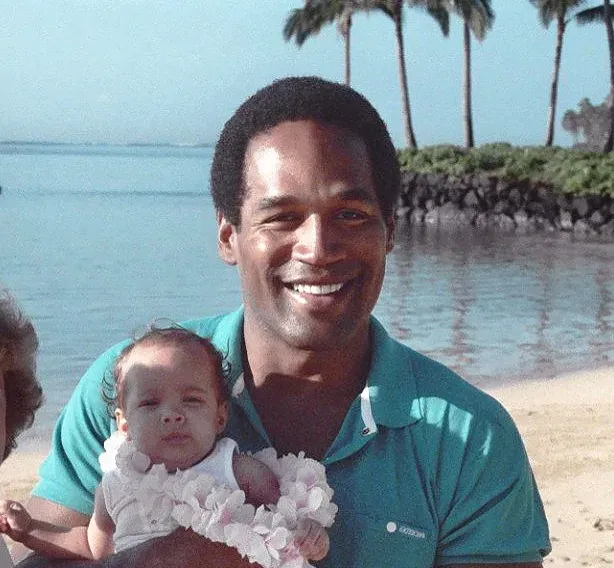
Honestly, you cannot write any list like this without starting here. When O.J. Simpson, the celebrated former NFL star and actor, stood accused of murdering his ex-wife Nicole Brown Simpson and her friend Ron Goldman in 1994, the country stopped. His bizarre slow-speed police pursuit was broadcast live on TV and set the tone for the public’s fascination. Nothing quite like it had ever played out in American living rooms before, and nothing has matched it since.
When the jury declared him not guilty of murder, more than 150 million Americans – almost sixty percent of the country – watched on TV. Telecom companies nationwide recorded a dramatic drop in phone use during the verdict, and water companies saw usage decline as viewers delayed bathroom breaks to watch. The Simpson trial essentially invented the modern era of true crime media. It was the spark that lit a cultural wildfire that is still burning today.
2. The Alex Murdaugh Double Murder Trial – Power, Privilege, and Poison

The case made waves throughout a region where the Murdaughs maintained a century-long legal and political family dynasty. Alex Murdaugh was a prominent South Carolina attorney – the kind of man people trusted, even admired – who was ultimately accused of something monstrous. On June 7, 2021, his wife Maggie and son Paul were shot and killed at their family estate, and their murders ultimately resulted in Murdaugh’s 2023 conviction.
After less than three hours of deliberation, the jury found Murdaugh guilty of two counts of murder, and because of the intense public interest in the case, the verdict was transmitted live across the United States on major broadcast and cable news networks. He was sentenced to two consecutive life sentences without the possibility of parole. The case has never truly gone quiet, either. In May 2025, former trial clerk Becky Hill was arrested and charged with felony misconduct, including perjury, which revived Murdaugh’s efforts to obtain a new trial.
3. The Bryan Kohberger Idaho Student Murders – Justice Deferred, Then Delivered

Four young college students – Kaylee Goncalves, Madison Mogen, Xana Kernodle, and Ethan Chapin – were stabbed to death in their off-campus home in Moscow, Idaho, in November 2022. The case gripped a nation that couldn’t understand the senselessness of it. Kohberger, then a doctoral student in criminal justice at nearby Washington State University, was arrested weeks after the killings based on DNA and other digital forensic evidence. The irony of a criminology student allegedly committing such a crime was not lost on anyone.
Kohberger changed his plea to guilty on all four counts of first-degree murder and burglary, and as part of a deal, he admitted to the killings and waived his right to appeal in exchange for prosecutors agreeing not to seek a death sentence. Idaho District Judge Steven Hippler sentenced him to four consecutive life sentences for the fatal stabbings. The case exposed deep tensions about victims’ rights in plea agreements – family members of some victims expressed dissatisfaction with the deal, and one father publicly said that Idaho had “failed” his family.
4. The Sean “Diddy” Combs Federal Trial – Celebrity, Power, and Accountability

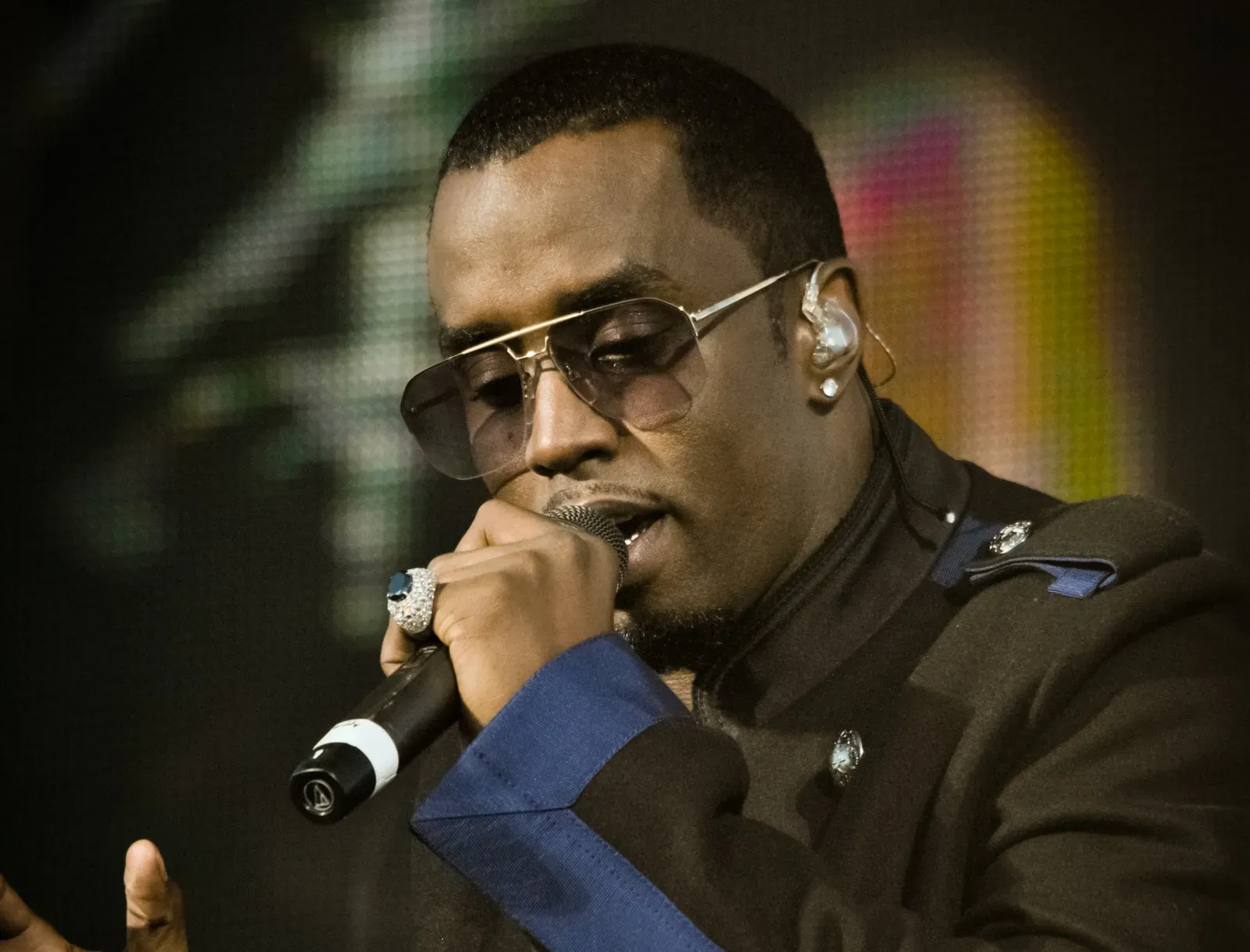
For decades, Sean Combs was one of the most powerful figures in the music industry. Then the walls came down fast. His legal troubles began in 2023 when his former partner Cassie Ventura filed a lawsuit against him for abuse and sexual assault, and while that suit was quickly settled out of court, her initial filing sparked more individuals to come forward with similar stories. In March 2024, his residence was raided by Homeland Security, and in September he was arrested on charges including arson, bribery, sex trafficking, and other related crimes.
In July 2025, Combs was convicted of prostitution-related offenses but acquitted of the more serious charges of sex trafficking and racketeering that could have put him behind bars for life. The outcome left many observers divided. The trial was not televised, but the social media era meant details of the alleged abuse and hours of trial testimony were closely followed and discussed for months. I think the lasting significance here isn’t the verdict itself – it’s what the case revealed about who gets protected in the entertainment industry, and for how long.
5. The Karen Read Retrial – When the Defense Is the System Itself

Few cases in recent memory have divided public opinion as sharply as this one. Karen Read was charged with killing her boyfriend, Boston police officer John O’Keefe, after his body was found outside a colleague’s house in January 2022. After a mistrial in 2024, Read was set to be retried in 2025, with prosecutors saying she killed O’Keefe while her defense team alleged she was the victim of a cover-up orchestrated by law enforcement.
Here’s the thing – a case about a woman accused of killing a cop became, somehow, a referendum on trust in law enforcement itself. That transformation is rare and remarkable. The retrial drew enormous attention, with prosecutors insisting Read caused O’Keefe’s death while her defense maintained she had been framed. The case sparked passionate debate about institutional accountability, and for a lot of people watching, the identity of the alleged cover-up participants mattered just as much as the actual charge.
6. The Menendez Brothers Resentencing – Old Crime, New Eyes

The Menendez brothers were not a new story when they returned to national headlines. Erik Menendez discussed the murders with his psychologist, which eventually led to the brothers being arrested in 1990, and their cases gripped the nation as they were televised on Court TV. Lyle and Erik Menendez had faced the possibility of resentencing in the 1989 murders of their parents, Jose and Kitty Menendez. What nobody expected was that in 2024 and into 2025, an entirely new generation would discover the case through social media and push it back into the spotlight with fresh emotional energy.
The brothers were found guilty and sentenced to life without parole in the 1990s, but social media brought renewed attention to their case, and former Los Angeles District Attorney George Gascón recommended them for resentencing. Erik and Lyle claim their father was sexually abusing them and they acted in self-defense, and as new evidence came to light, multiple Menendez family members came forward asking for resentencing because they believe the brothers deserve to come home on parole. The case forces a genuinely difficult question – can a crime committed decades ago be judged by what we understand now?
7. The Luigi Mangione Case – A Murder That Became a Symbol

Luigi Mangione was taken into federal custody and charged with the stalking and murder of UnitedHealthcare CEO Brian Thompson, shockingly committed in the middle of the day as Thompson was walking in Midtown Manhattan. What made this case unlike almost anything before it was the public reaction. Many people were horrified, of course. Others – a disturbingly vocal portion – treated Mangione as something like a folk hero, channeling deep anger toward the American healthcare system. That reaction told you everything about the national mood.
The story and Mangione’s mugshot quickly became viral due to his young age and appearance, eliciting internet supporters who shared their approval online. While the crime sparked public discussion regarding the state of the healthcare industry, Mangione pleaded not guilty to all charges against him, and in September 2025, his terror-related murder charges were dismissed by a New York judge, though his second-degree murder charge still stands. Whatever the legal outcome, this case punctured something – and it’s hard to say that the conversation it forced wasn’t long overdue.
8. The Lori Vallow Daybell Case – Faith, Children, and the Unthinkable
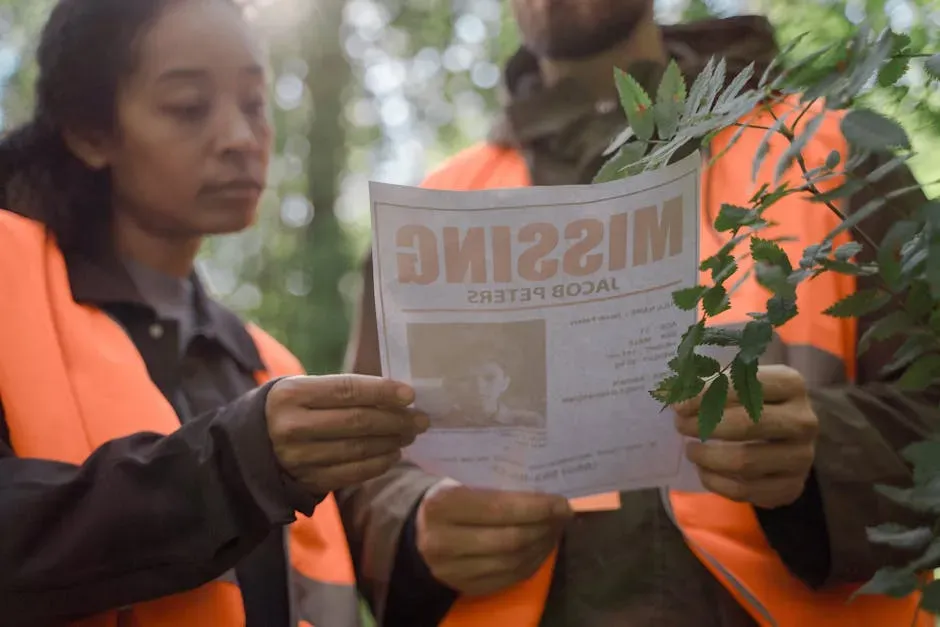
It’s hard to say for sure which detail in this case is the most chilling, because there are so many to choose from. Lori Vallow Daybell became the center of a case involving religious extremism, alleged murder, and the deaths of her own children. Lori Vallow Daybell was convicted of murdering her two youngest children and her husband’s first wife and is serving a life sentence in Idaho. The children, JJ Vallow and Tylee Ryan, had vanished in 2019 before their remains were found buried on Chad Daybell’s property.
In early 2025, she faced additional charges in Arizona, where she was accused of killing her fourth husband and attempting to kill her niece’s ex-husband. The case drew nationwide horror precisely because it defied easy explanation. It wasn’t about money or passion in any recognizable sense. It appeared rooted in a warped belief system, which made it feel far more unsettling than a straightforward crime of greed or rage. The case raised urgent questions about how dangerous ideologies can operate unchecked inside families.
9. The Tupac Shakur Murder Case – Nearly Three Decades Later

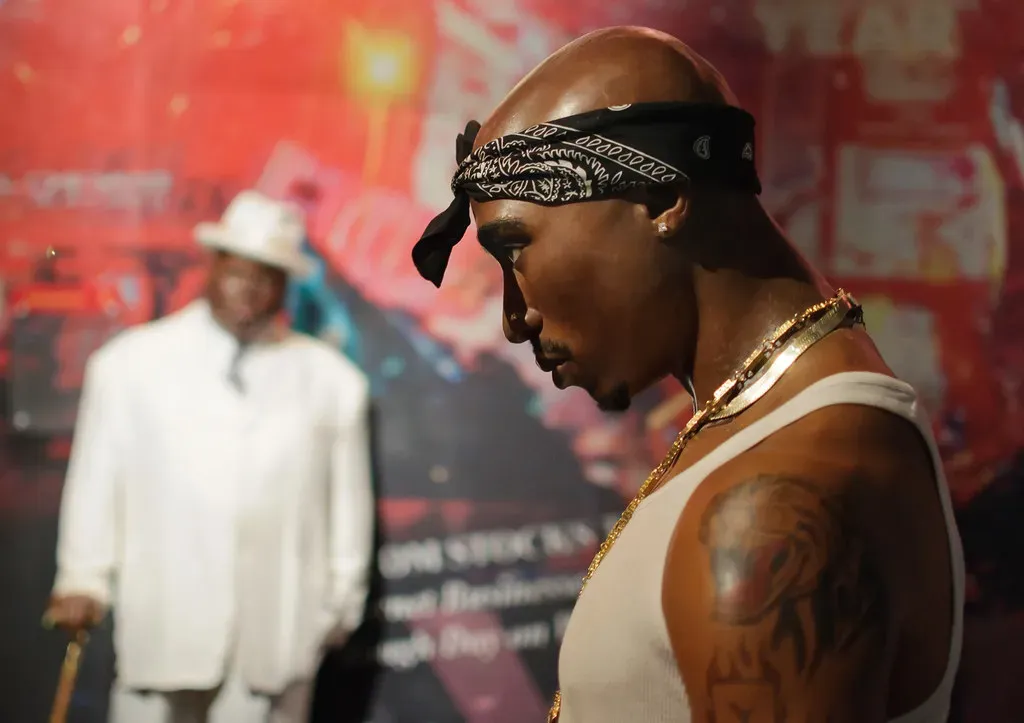
Decades after rapper Tupac Shakur was shot and killed in Las Vegas, there was finally an arrest in the case, which had come amidst a feud between East Coast and West Coast rappers. The arrest sent a jolt through pop culture. For a generation that grew up with Tupac as a legend, an almost mythological figure, seeing a suspect face charges in 2025 felt surreal – like history refusing to stay buried.
Duane Davis, the man charged in connection to Shakur’s death, claimed that Diddy had offered him a million dollars to execute the hit, and his attorneys filed a motion to dismiss, arguing the case was too old to rely on witnesses and that potential evidence had deteriorated. Tupac Shakur was just 25 years old when he was killed in the fall of 1996. This case matters not just as a cold case finally heating up, but as a reminder that the hip-hop culture wars of the 1990s left real bodies and real families behind – and that some wounds don’t close until someone is held accountable.
Taken together, these nine cases reveal something important: the law does not exist in a vacuum. Every trial listed here became national news not just because of what happened in a courtroom, but because of what it reflected about American society at that moment. Healthcare frustration. Institutional distrust. Celebrity worship. The lingering ghosts of racial inequality. Power going unchecked for decades before it finally collapses.
The cases that grip a nation are rarely just about the crime. They’re about us. What do you think – did any of these surprise you? Tell us in the comments.