


Music has always thrived where the ocean meets the shore. There’s something about coastal cities that draws artists, visionaries, and creative souls who reshape the soundscape of America. Maybe it’s the rhythm of crashing waves or the cultural diversity that flows through port towns.
Whatever the magic ingredient might be, these cities have become epicenters for musical innovation, economic powerhouses in the industry, and breeding grounds for the next generation of talent.
Los Angeles: The Entertainment Capital That Never Stops

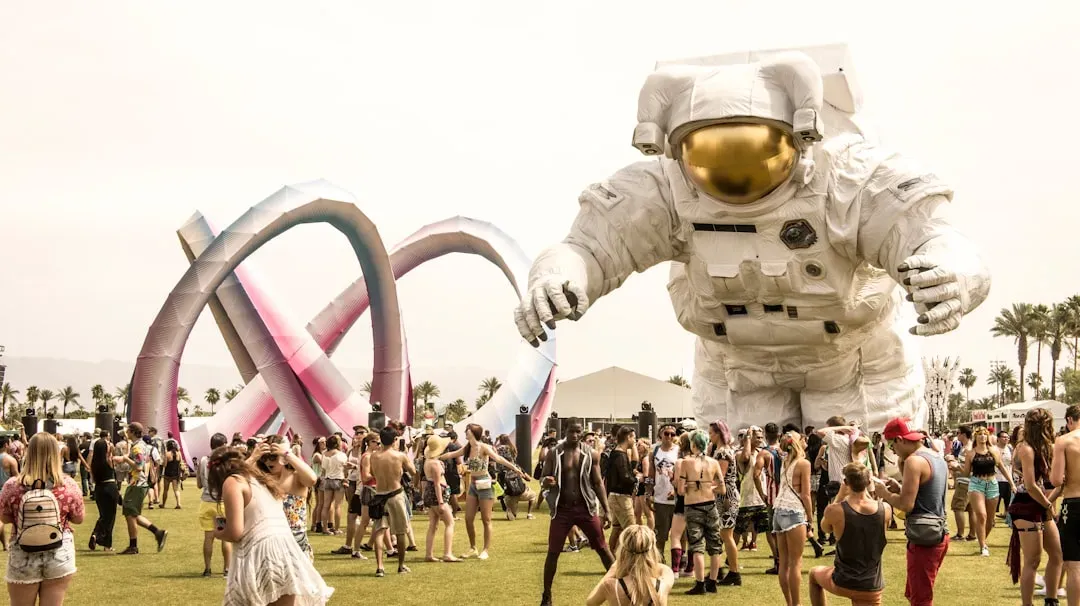
Los Angeles musicians benefit from an average weekly wage of roughly four and a half thousand dollars, with higher compensation because most jobs fall under music production, film scoring, recording, and licensing rather than strictly live gigs. The city remains a magnet for artists from every genre imaginable. From the iconic Whisky a Go Go on Sunset Boulevard where legends like The Doors and Janis Joplin once played to modern recording studios scattered across Hollywood Hills, LA’s influence is undeniable.
In 2025, LA’s music calendar is packed with major festivals like Coachella, smaller indie shows, and rooftop gigs that capture the city’s laid-back, creative vibe. The sheer concentration of record labels, production facilities, and entertainment industry professionals makes it nearly impossible for any serious musician to ignore this sprawling metropolis. According to data from concert discovery service Songkick, Los Angeles was home to just over 15,000 concerts in 2013, though that number had fallen by 20% to under 12,000 shows by 2023. Despite this decline, the city’s infrastructure and historical significance in music remain unmatched.
Miami: Where Latin Beats Meet Global Influence

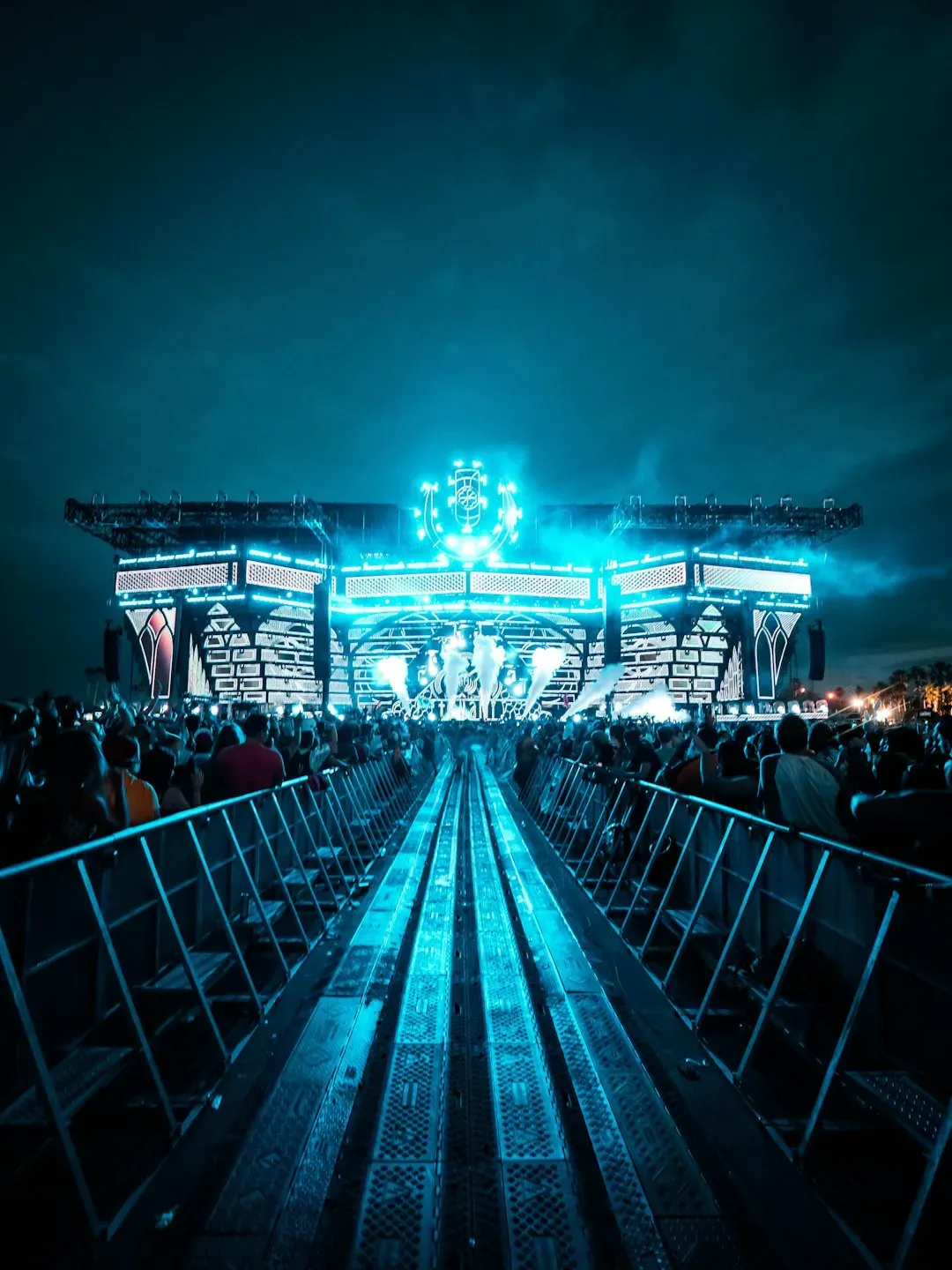
Miami’s rich tapestry is woven from Latin American, Caribbean, and American influences, vividly reflected in its music, diverse cuisine, art, and numerous festivals. The University of Miami’s Frost School of Music has been named as one of the top music industry programs by Billboard consistently since 2011, including in 2025, 2024, and 2023. This coastal powerhouse has transformed into a hub for reggaeton, Latin trap, and electronic music that resonates far beyond Florida’s borders.
The city’s multilingual population and international connections create a unique fusion environment where musical styles collide and evolve. Artists recording in Miami aren’t just targeting American audiences anymore. They’re creating sounds that travel to Mexico City, São Paulo, and Madrid simultaneously, making Miami an essential node in the global music network.
Seattle: Grunge Legacy and Modern Innovation

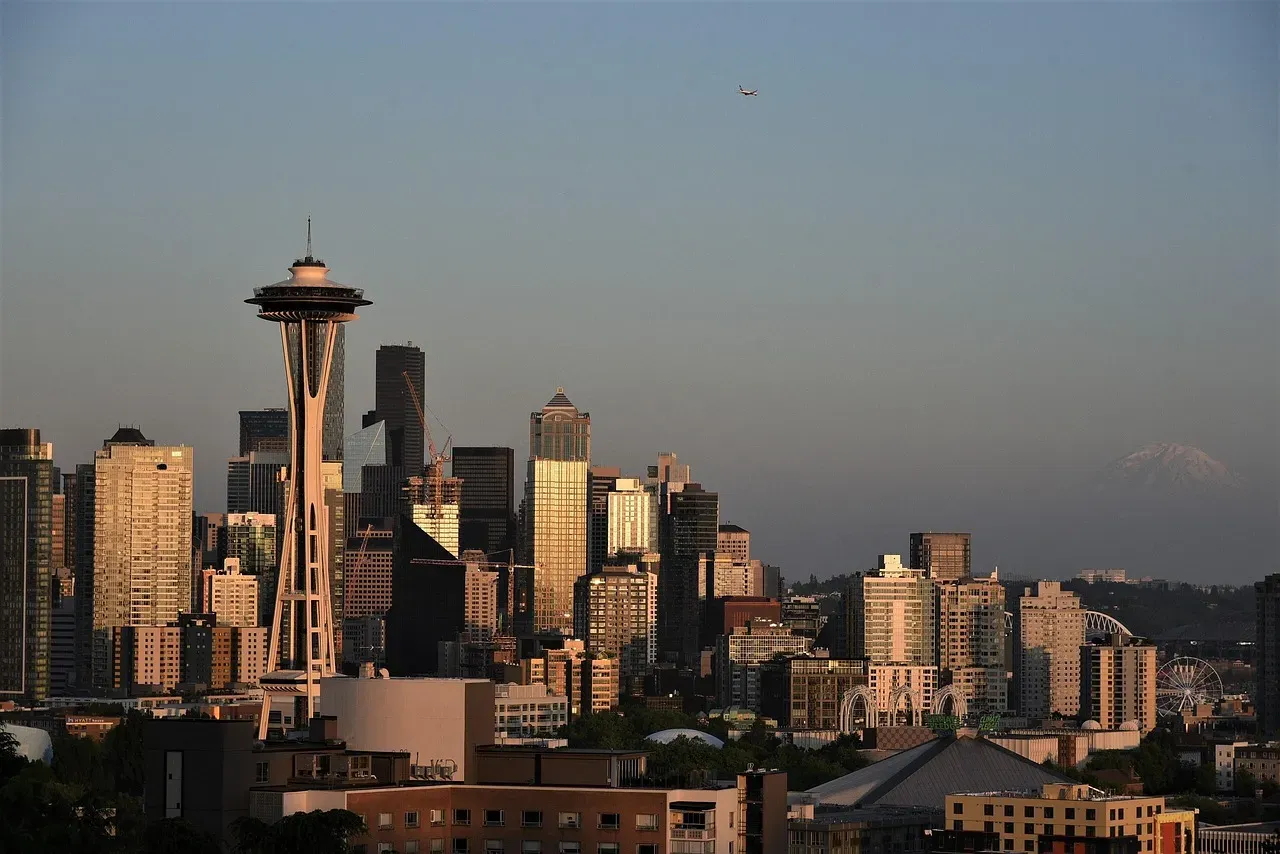
Seattle experienced arguably the year of the underplay in 2024, with big-time music stars taking the stage in comparably small venues, including LCD Soundsystem’s four-night run at the Paramount Theatre. The city that gave birth to grunge continues to nurture musical innovation decades after Nirvana and Pearl Jam put it on the map. The Crocodile, a legendary venue in Seattle’s Belltown neighborhood, has been at the forefront of the city’s music scene since 1991, hosting performances by Nirvana, Pearl Jam, and Soundgarden.
Seattle saw more venue openings than closings in 2024, with Pioneer Square newcomers Baba Yaga and nonprofit jazz spot Seattle Jazz Fellowship opening, while Hillman City’s Black & Tan Hall steadily ramped up activity. The Pacific Northwest aesthetic continues to influence indie rock, alternative, and experimental music across the country. Despite challenges facing venues nationwide, Seattle’s commitment to live music and artist development keeps it relevant in conversations about America’s most important music cities.
New Orleans: The Birthplace That Keeps on Giving

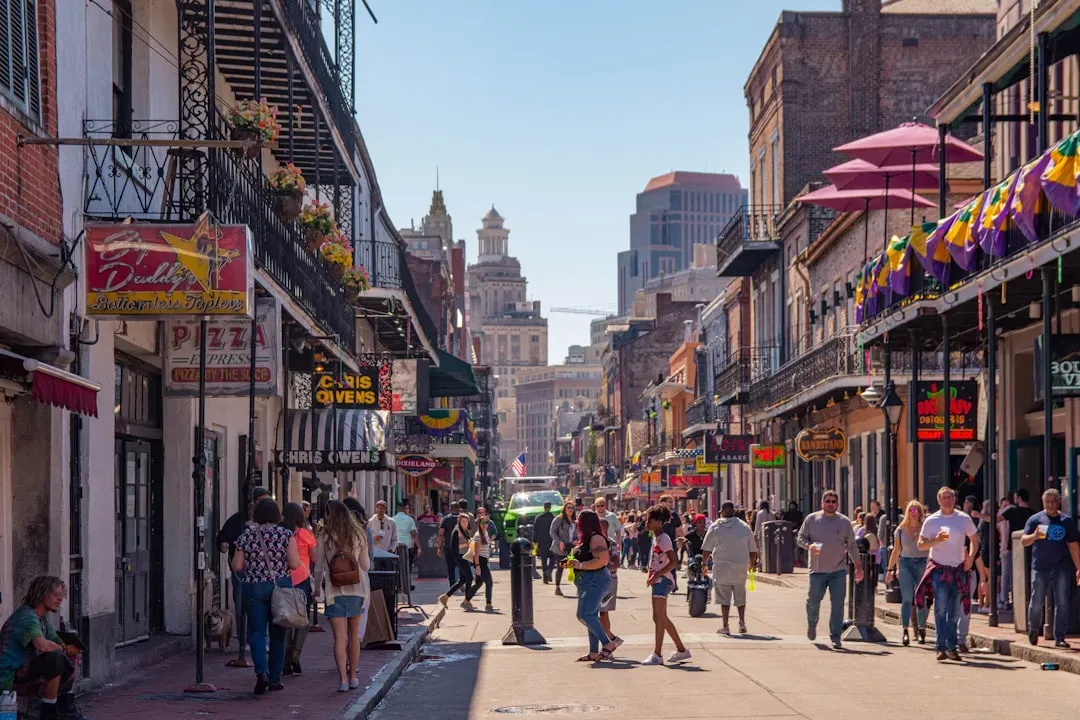
New Orleans welcomed 19.08 million visitors in 2024, a significant increase from 2023, with visitors spending $10.4 billion, surpassing the 2019 high point. This Louisiana coastal gem isn’t just resting on its jazz heritage. The city’s musical DNA runs so deep that every street corner seems to have a story. Taylor Swift’s Eras Tour three-night concert run in October 2024 brought more than 150,000 visitors and generated at least $200 million in direct spending.
Globally renowned for events like Mardi Gras and the New Orleans Jazz & Heritage Festival, the city continues to uphold its reputation as one of the most vibrant and culturally rich destinations in the world. The annual jazz festivals, brass band culture, and constant stream of live performances ensure that New Orleans remains a pilgrimage site for music lovers. What makes this city truly special is how music isn’t just an industry here – it’s woven into the fabric of daily life, from funeral processions to Sunday brunches.
New York City: Where Every Genre Finds Its Stage
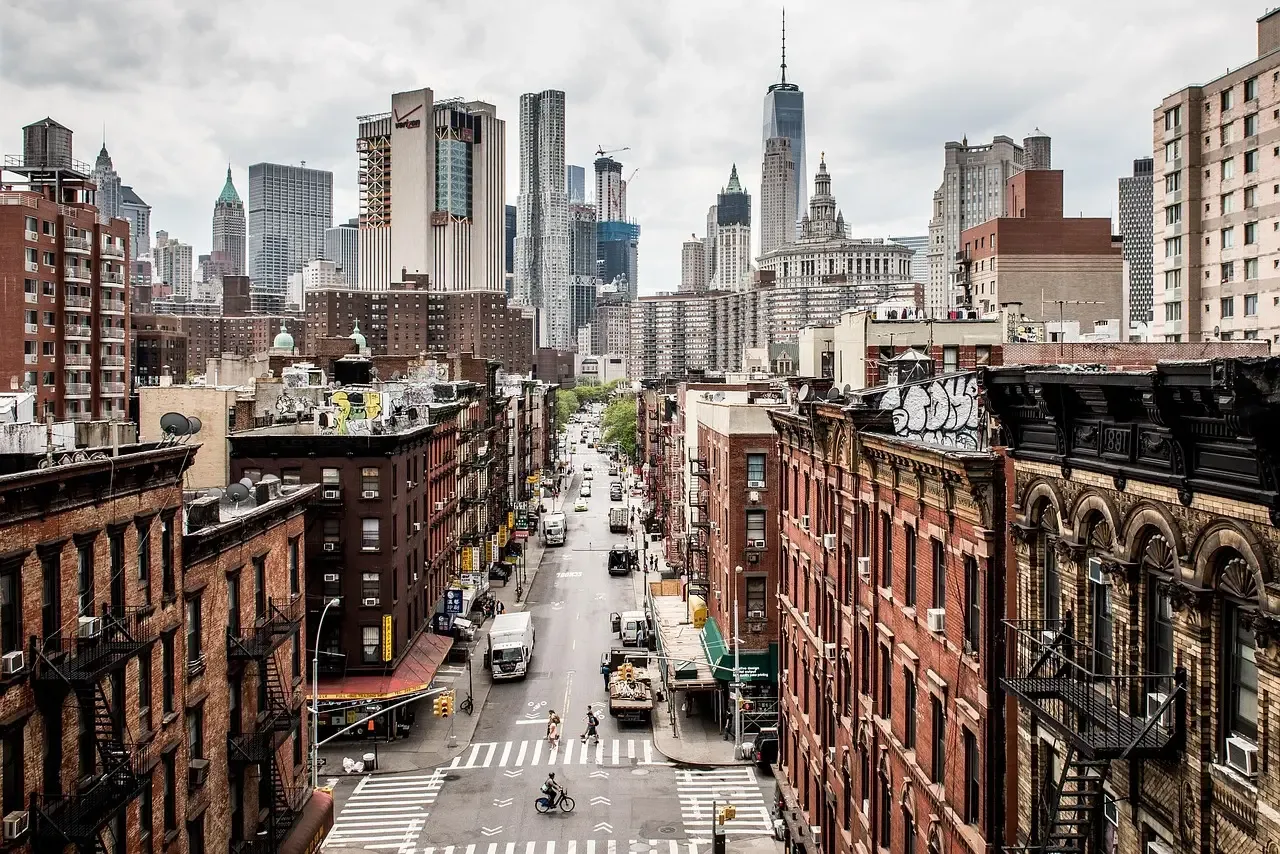
New York may be the city that never sleeps because there’s always just too much to listen to, having played a seminal role in the creation of many genres including punk rock, disco, salsa and doo-wop. New York City climbed a spot in 2024 to land at number two in a major music cities survey. The sheer diversity of venues – from intimate jazz clubs in Greenwich Village to massive arenas in Brooklyn – means artists of every stripe can find their audience here.
The year 2023 marked the 50th anniversary of hip-hop’s birth, traced to a 1973 party at 1520 Sedgwick Avenue in the Bronx, with the city serving as creative cradle for Jay-Z, Notorious B.I.G., Nas, and Wu-Tang Clan. From Broadway show tunes to underground hip-hop battles in the Bronx, NYC’s influence radiates through every corner of American music. The city’s economic power, media presence, and cultural cachet make it impossible to discuss the music industry without acknowledging New York’s central role.
San Diego: The Underrated Coastal Contender

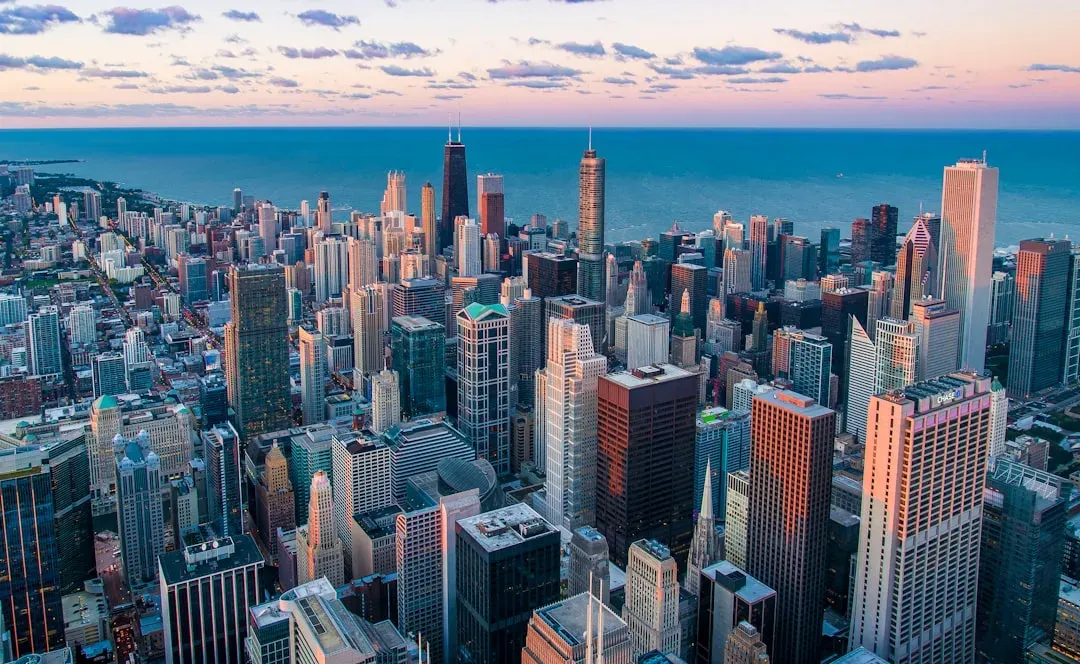
Though San Diego has about 400 more venues than Austin, it also has roughly 1,000,000 more people and fewer venues per capita. This Southern California coastal city doesn’t always get the recognition it deserves, sitting in the shadow of its northern neighbor Los Angeles. Yet San Diego has cultivated its own distinct music scene that blends surf rock influences with punk energy and a laid-back beach town vibe that attracts artists looking for creative freedom without LA’s intensity.
The city’s proximity to the Mexican border creates unique cross-cultural musical exchanges that you won’t find anywhere else. Independent venues throughout neighborhoods like North Park and Ocean Beach have become incubators for emerging talent. San Diego might not dominate headlines, but musicians in the know understand its value as both a testing ground for new material and a sustainable place to build a career outside the major market pressure cooker.
Portland: Where Indie Thrives by the Pacific
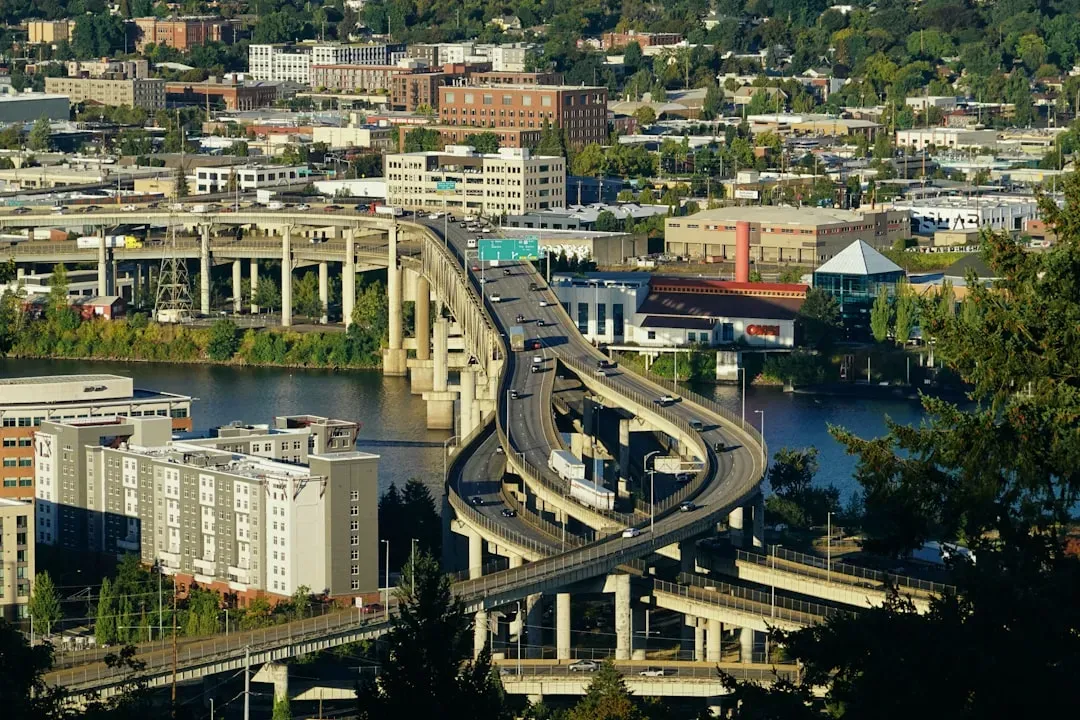
Portland’s music scene has always marched to its own beat. The Oregon coastal city has built a reputation for supporting independent artists, experimental sounds, and DIY ethics that stand in stark contrast to corporate music industry models. Small venues and record shops dot the city, creating an ecosystem where musicians can develop their craft without compromising their artistic vision.
What Portland offers that larger markets can’t is community. Artists here support each other, collaborate freely, and push boundaries without worrying about radio play or commercial viability. The city’s emphasis on sustainability extends to its music scene – artists can actually afford to live here while pursuing their passion. Portland proves you don’t need to be the biggest or flashiest coastal city to make a meaningful impact on the national music conversation.
Charleston: Southern Charm With Musical Substance

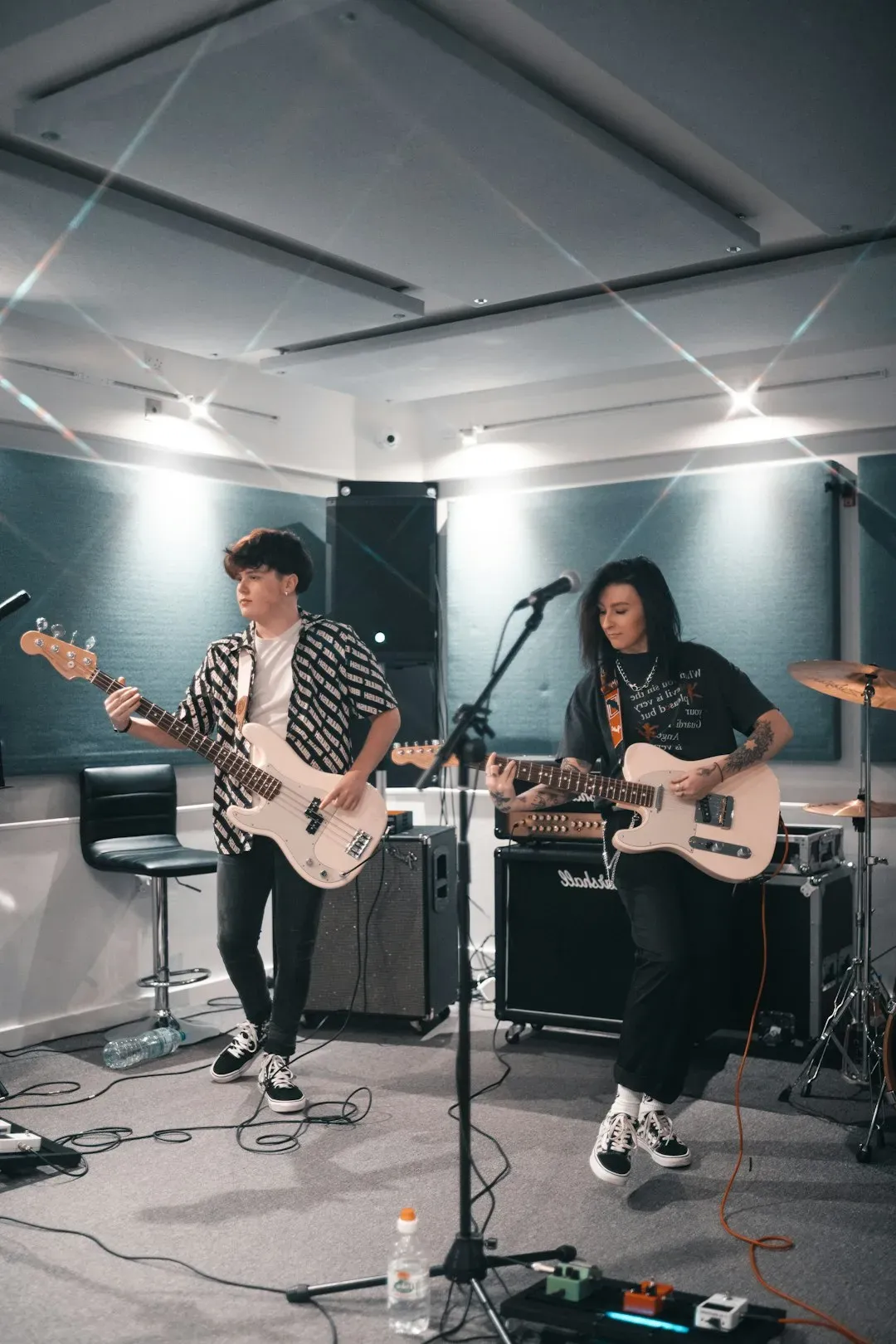
Charleston is benefiting from seasonal, heritage-focused tourism that appeals to multi-generational travelers and domestic road-trippers. This South Carolina coastal jewel combines historical preservation with forward-thinking musical innovation. The city’s venues range from intimate listening rooms to festival grounds that attract nationally recognized acts. Charleston’s music scene reflects its unique position as a southern coastal city – blending bluegrass, soul, jazz, and contemporary indie rock into something distinctly its own.
The annual Spoleto Festival USA brings world-class performances to Charleston every spring, raising the city’s cultural profile and exposing local audiences to diverse musical traditions. Local musicians benefit from both tourism dollars and a passionate resident community that actually shows up to support live music. Charleston demonstrates that smaller coastal markets can punch above their weight when they invest in artistic infrastructure and cultivate genuine appreciation for musical excellence.
Boston: Academic Excellence Meets Musical Innovation

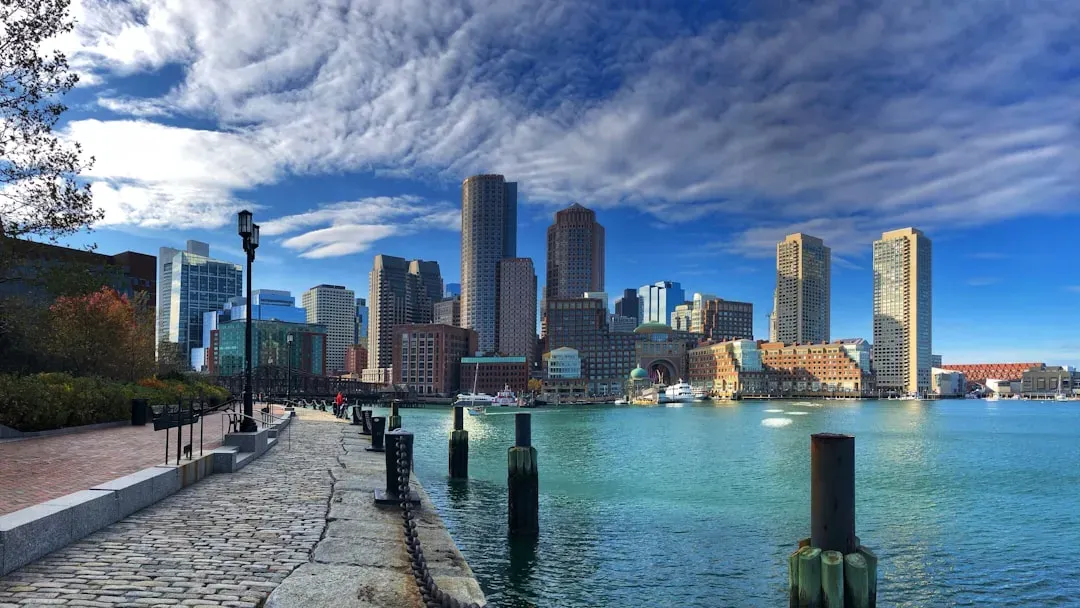
Boston’s coastal location and concentration of universities create a perpetual influx of young, creative minds exploring musical possibilities. Berklee College of Music alone has produced countless influential artists and industry professionals who’ve shaped American music for decades. The city’s club scene, from Cambridge’s intimate venues to larger Boston halls, provides stages for both students honing their craft and established acts connecting with educated, engaged audiences.
The city’s musical legacy spans from classical orchestras to punk rock basements, folk revival movements to contemporary hip-hop. Boston’s influence might be less flashy than LA or New York, yet its contribution to music education and artist development ripples through the industry in profound ways. Musicians who cut their teeth in Boston venues carry those experiences throughout their careers, spreading the city’s musical values across the country.
Long Beach: LA’s Grittier, More Authentic Neighbor

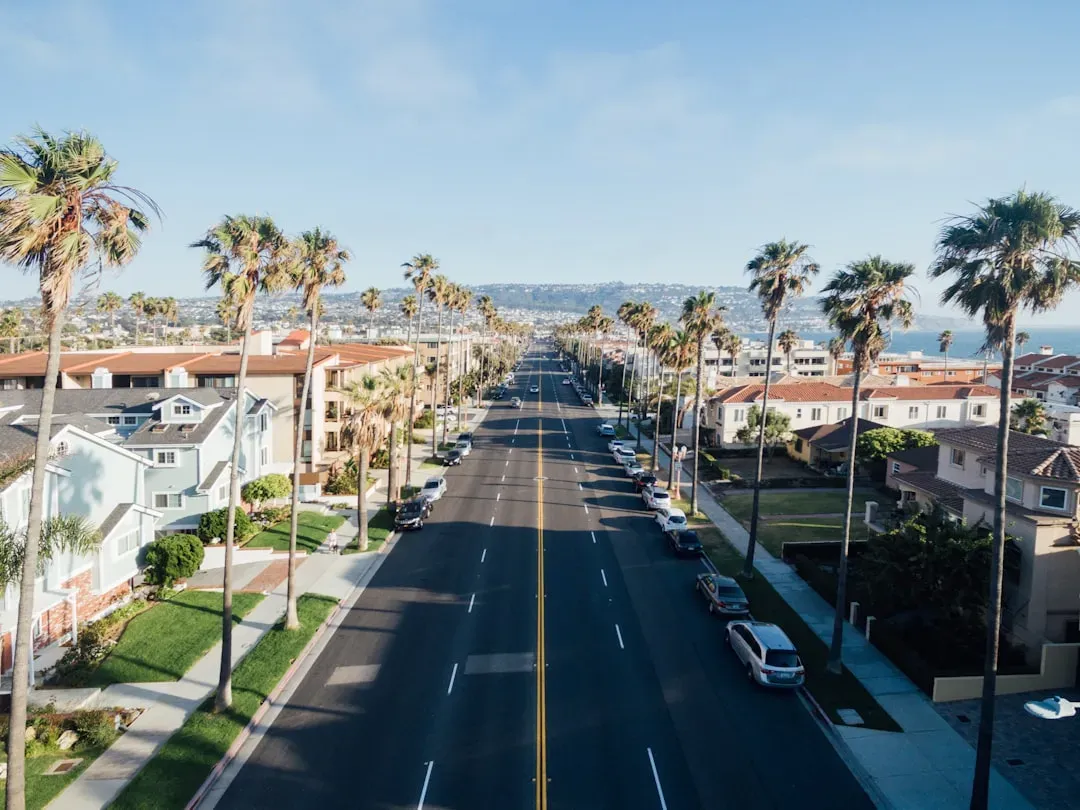
Long Beach offers something Los Angeles proper sometimes lacks – authenticity without pretension. This California coastal city has cultivated a music scene that values substance over style, drawing artists who want access to Southern California’s music industry infrastructure without Hollywood’s manufactured gloss. The city’s working-class roots and diverse population create musical cross-pollination that feels organic rather than calculated.
Hip-hop legends like Snoop Dogg put Long Beach on the map decades ago, yet the city continues producing relevant artists across multiple genres. Local venues support emerging talent while also attracting established acts looking for more intimate performance settings. Long Beach proves you don’t need to be the main attraction to influence the national conversation – sometimes the most interesting musical developments happen just outside the spotlight, where artists have room to breathe and experiment without constant scrutiny.
These coastal cities share certain advantages that inland markets simply can’t replicate. Their port town heritage brings constant cultural exchange. Ocean proximity seems to attract creative spirits willing to take risks. The combination of tourism infrastructure, diverse populations, and established music venues creates sustainable ecosystems where artists can thrive.
As the music industry continues evolving with streaming, social media, and changing consumption patterns, these coastal hubs adapt while maintaining their unique identities. They prove that geography still matters in an increasingly digital world. What do you think makes coastal cities such powerful forces in shaping American music?


