Pressure has a strange way of producing results nobody planned for. Some of history’s most consequential breakthroughs didn’t arrive through years of deliberate pursuit. They arrived because someone was scrambling to solve an entirely different problem, often under genuine urgency, and something unexpected showed up along the way.
What makes these stories worth knowing isn’t just the surprise element. It’s the fact that the people involved were paying close enough attention to notice something valuable in a mistake. From wartime labs to medical wards under siege, here are nine discoveries that changed the world, none of them remotely intentional.
1. Penicillin: The Mold That Ended Infections
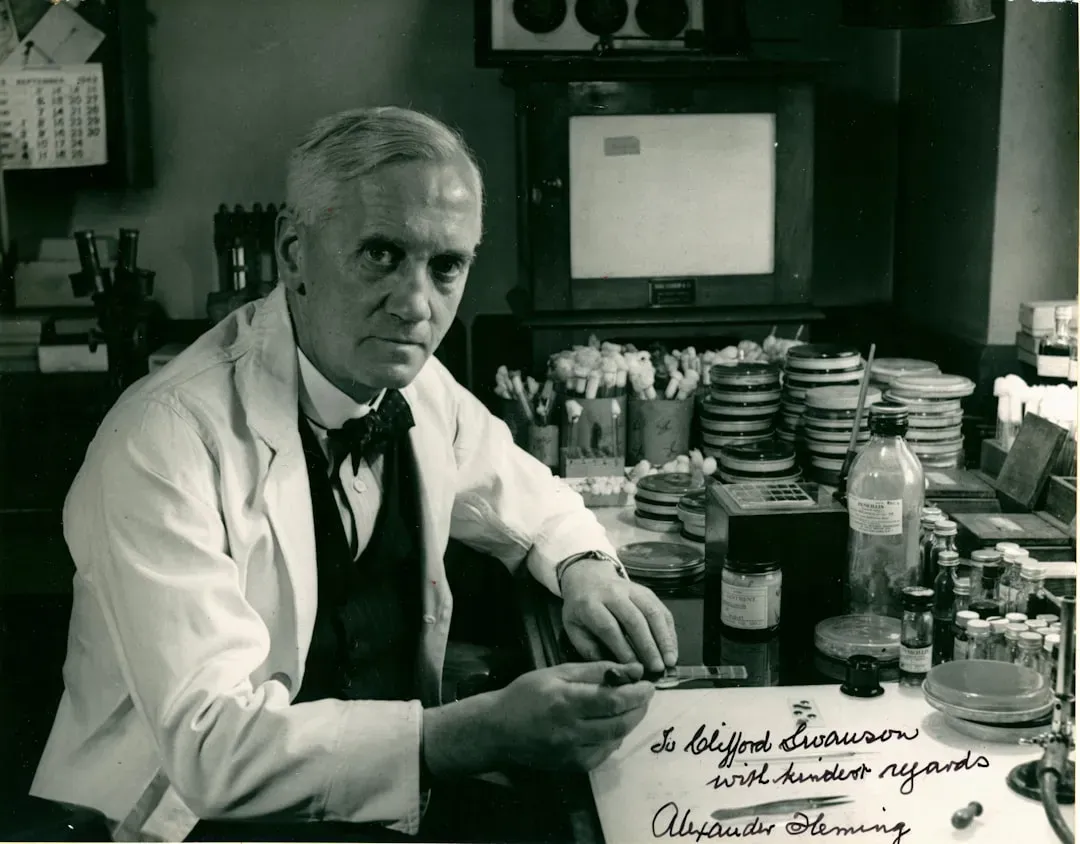
Alexander Fleming’s discovery of penicillin occurred in 1928 while he was investigating staphylococcus, a common type of bacteria. Before leaving for a two-week vacation, a petri dish containing a staphylococcus culture was left on a lab bench and never placed in the incubator as intended. The dish was dotted with colonies, except for one area where a blob of mold was growing. The zone immediately around the mold was clear, as if something had inhibited bacterial growth.
The introduction of penicillin in the 1940s began the era of antibiotics and has been recognized as one of the greatest advances in therapeutic medicine. Due to World War II, the United States played the major role in developing large-scale production, turning a life-saving substance in limited supply into a widely available medicine. Penicillin is estimated to be responsible for saving over 500 million lives since its discovery, becoming the first successful and scalable way to effectively treat a bacterial infection.
2. The Microwave Oven: Born from a Melted Candy Bar

Near the end of World War II in 1945, an engineer named Percy Spencer was attempting to create energy sources for radar equipment. When he was using a cavity magnetron device, he noticed that a candy bar in his pocket had melted. Making the connection, he realized that the microwaves coming from the device had caused the molecules in the candy bar to create heat and melt.
He wanted to see what effect microwaves had on other types of food, such as eggs and popcorn. His tests all showed the same results: microwaves quickly cooked food. Most historians credit Spencer with inventing the first microwave oven in 1947, which was known as the Radarange. The new cooking device weighed about 750 pounds and cost more than $2,000, so it was not exactly practical for household use – a far cry from the compact appliance sitting in nearly every kitchen today.
3. Superglue: A Wartime Mistake That Stuck Around
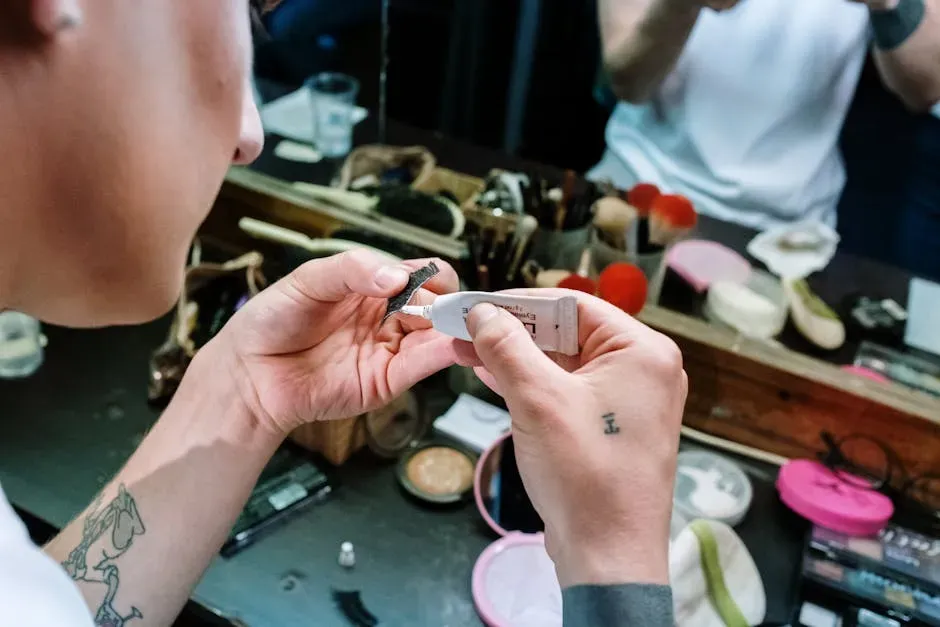
Back in 1942, Harry Coover was looking for materials he could use to build clear plastic gun sights for the war, but what he discovered instead was a chemical formulation that stuck to everything it touched. The substance bonded almost instantly and couldn’t be removed from surfaces, which made it completely useless for its intended purpose. Researchers at the time dismissed it entirely.
His discovery was rejected because researchers didn’t see a need for such a sticky formula, and it wasn’t until 1951 that the same formula was embraced and repurposed by Coover and fellow Eastman Kodak researcher Fred Joyner. Initially discarded as a failed product, it was later repurposed as Superglue, becoming an essential adhesive in countless industries and everyday life. Today it’s used in everything from surgery to home repair.
4. Silly Putty: A Failed Rubber Substitute That Bounced Back
The year was 1943, the middle of World War II, and U.S. private industry had essentially reconfigured to support the military. GE scientist James Wright and his team were working around the clock to develop new silicone rubbers for the military because there was a shortage of natural rubber, as Japan controlled all of the natural sources. They spent over a year experimenting with different combinations of chemical compounds, hoping to produce a synthetic rubber that could withstand the high heat of jet engines or the freezing cold nights on Navy ships.
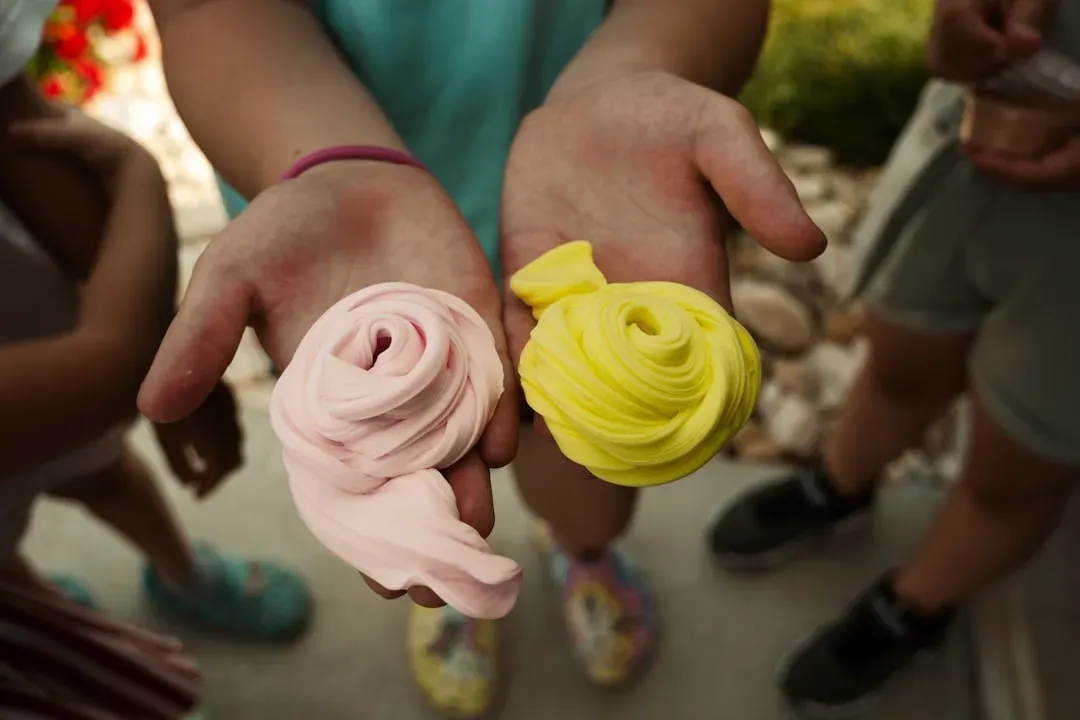
Wright’s accidental invention came about in 1943 when he mixed boric acid with silicone oil, creating a stretchy, gooey substance with unique properties. This peculiar material, initially intended as a synthetic rubber substitute, didn’t meet the government’s requirements. Peter Hodgson discovered the unique substance at a party and recognized its potential for commercial success. In 1950, he launched Silly Putty, cleverly packaging it in colorful plastic eggs for Easter. The marketing strategy paid off spectacularly, with 250,000 units sold in just three days. By year’s end, nearly six million Silly Putty eggs had flown off shelves.
5. Safety Glass: A Dropped Flask and a World War
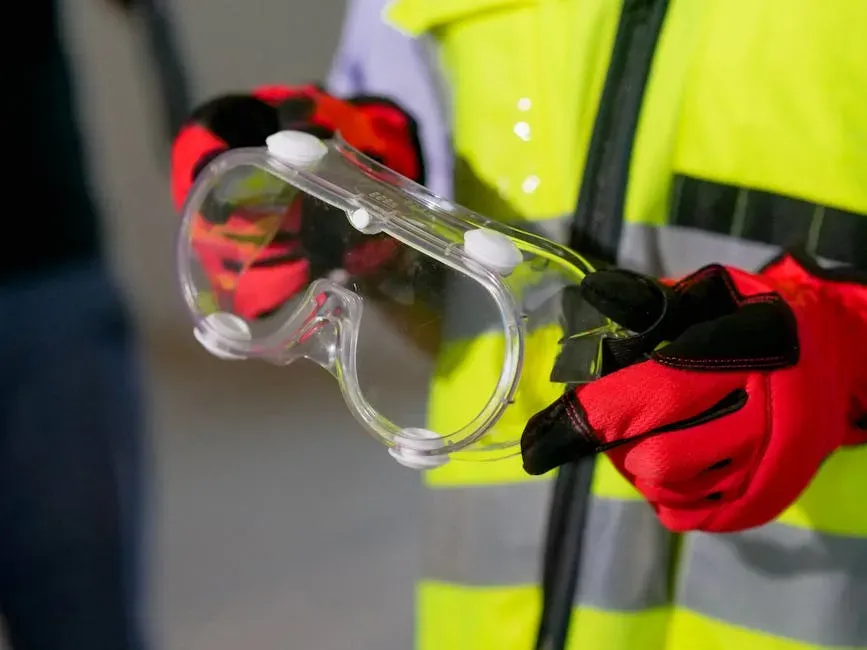
Safety glass was invented accidentally in 1903 by Edouard Benedictus, a French writer, composer, and chemist. When Benedictus was working in his lab, he dropped a glass flask. The glass did not shatter as he had expected. It broke but kept its original shape. Benedictus discovered that the flask contained cellulose nitrate, a liquid plastic, which led him to develop safety glass, a type of shatterproof glass.
Partner offer
Safety glass was first used in World War I to make the lenses in gas masks. After this, auto manufacturers began using it in windshields. The material that was born from a clumsy moment in a quiet laboratory ended up protecting soldiers in the trenches and eventually became a standard safety feature in every car ever built.
6. Warfarin: From Rat Poison to Life-Saving Blood Thinner
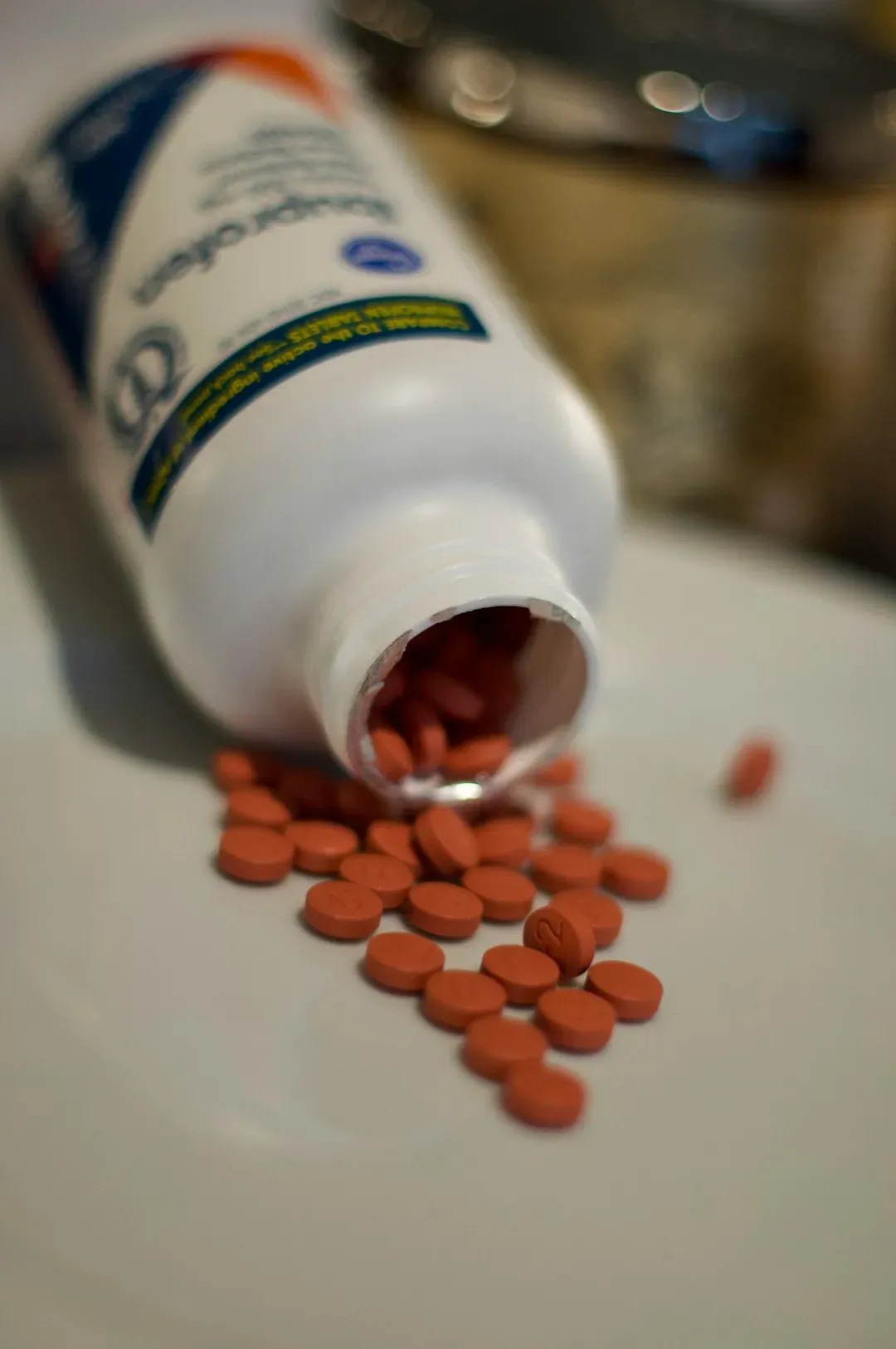
Today, blood thinners help treat heart attacks and blood clots, but before they saved lives, warfarin was used to help eliminate a rat population attacking livestock where a Canadian veterinarian, Frank Schofield, worked in the 1920s. By 1940, biochemist Karl Link took Schofield’s work and repurposed it as a blood thinner. The story of its transformation is one of the more striking pivots in medical history.
Among its early patients was President Dwight D. Eisenhower, whose 1955 heart attack was treated with warfarin. What had been developed to kill pests became a cornerstone of cardiovascular medicine. The same compound that cleared livestock fields ended up prescribed to millions of patients worldwide, demonstrating how context can completely change the meaning of a discovery.
7. Nitrous Oxide as Anesthesia: Party Trick Turned Medical Essential
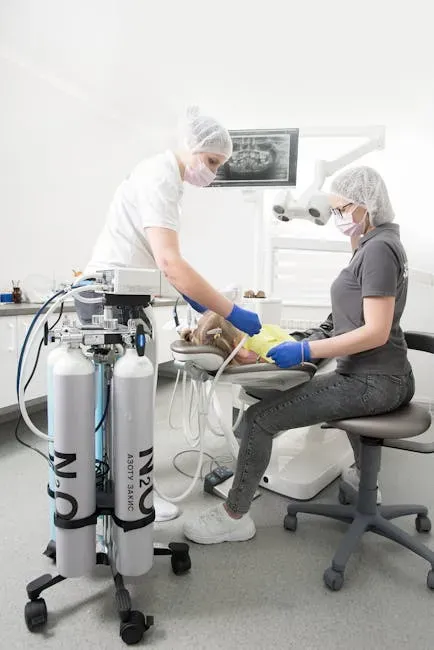
During a time when men would drink whisky before a medical procedure, a need was created for some other method of helping with surgery. In the late 1800s, four men, Crawford Long, William Morton, Charles Jackson, and Horace Wells, accidentally discovered through social gatherings known as “laughing parties” that nitrous oxide provided entertainment and dulled any sense of pain. Nobody walked into those gatherings looking for a surgical breakthrough.
The vast number of wounded in World War I demanded the introduction of casualty clearing stations to help triage and treat the wounded quickly and efficiently. The workload of these field hospitals created specialist anaesthetist posts within the military. Once in place, the anaesthetists were able to help develop the relatively new concepts of blood transfusion and resuscitation, which were recognized to be vital against shock. The wartime crisis accelerated a discovery that had started as nothing more than a social curiosity.
8. Coca-Cola: A Civil War Injury That Changed Beverage History
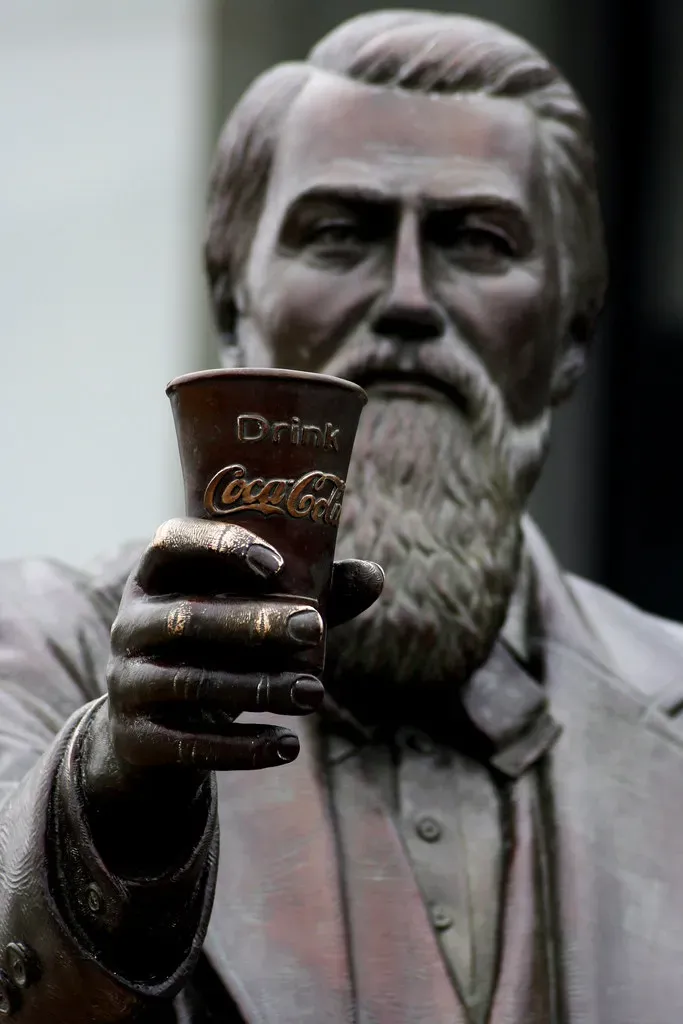
In 1886, an American pharmacist named John Pemberton was trying to create a painkiller. Pemberton had been gravely injured in the Civil War and developed a morphine dependency that he hoped to curb by inventing an effective, opiate-free alternative. His aim was purely medical. He never set out to create one of the most consumed drinks in human history.
His first product was popular, but when the temperance movement took hold in his home state of Georgia in 1886, he had to develop an alcohol-free alternative. He substituted sugar syrup for wine, and while tinkering with the formula he accidentally mixed his concoction with carbonated water. That accidental fizz turned a failed painkiller into a global icon. The urgency of personal crisis, combined with an unexpected chemical combination, gave the world its most recognizable soft drink.
9. The Implantable Pacemaker: The Wrong Resistor That Saved Millions
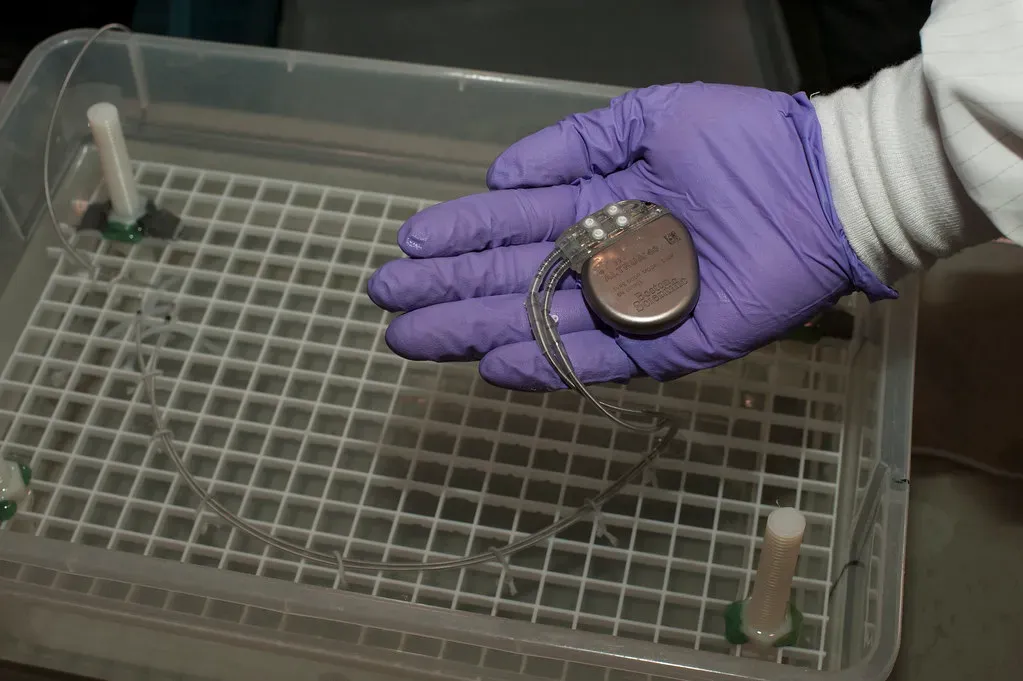
In 1956, engineer Wilson Greatbatch was attempting to build a heart rhythm recording device when he accidentally used the wrong resistor. This caused the circuit to emit electrical pulses, which mimicked the function of a heart’s natural rhythm. Greatbatch’s mistake led to the creation of the implantable pacemaker, a life-saving device that has kept millions of people’s hearts beating for decades.
An adjunct professor of engineering at the University of Buffalo, Wilson Greatbatch accidentally invented the pacemaker in 1956. When working on building equipment intended to record heart sounds, the scientist used the wrong transistor and discovered that instead of recording sounds, his device gave off an electrical pulse, mimicking that of the heart. That single wiring error, made under the pressure of solving a different problem entirely, became one of the most significant contributions to cardiac medicine ever recorded.
What runs through all nine of these stories is something worth sitting with. The discoveries didn’t happen because people stopped working under pressure. They happened because, even , someone paused long enough to notice that the unexpected result in front of them might matter. Chaos and constraint seem to produce a particular kind of attention, one that planned research sometimes doesn’t.
Partner offer
Planning a trip to Vegas?
Compare hotel rates and show tickets on VEGAS.com.