The Classic Maya: Drought Meets Political Turmoil
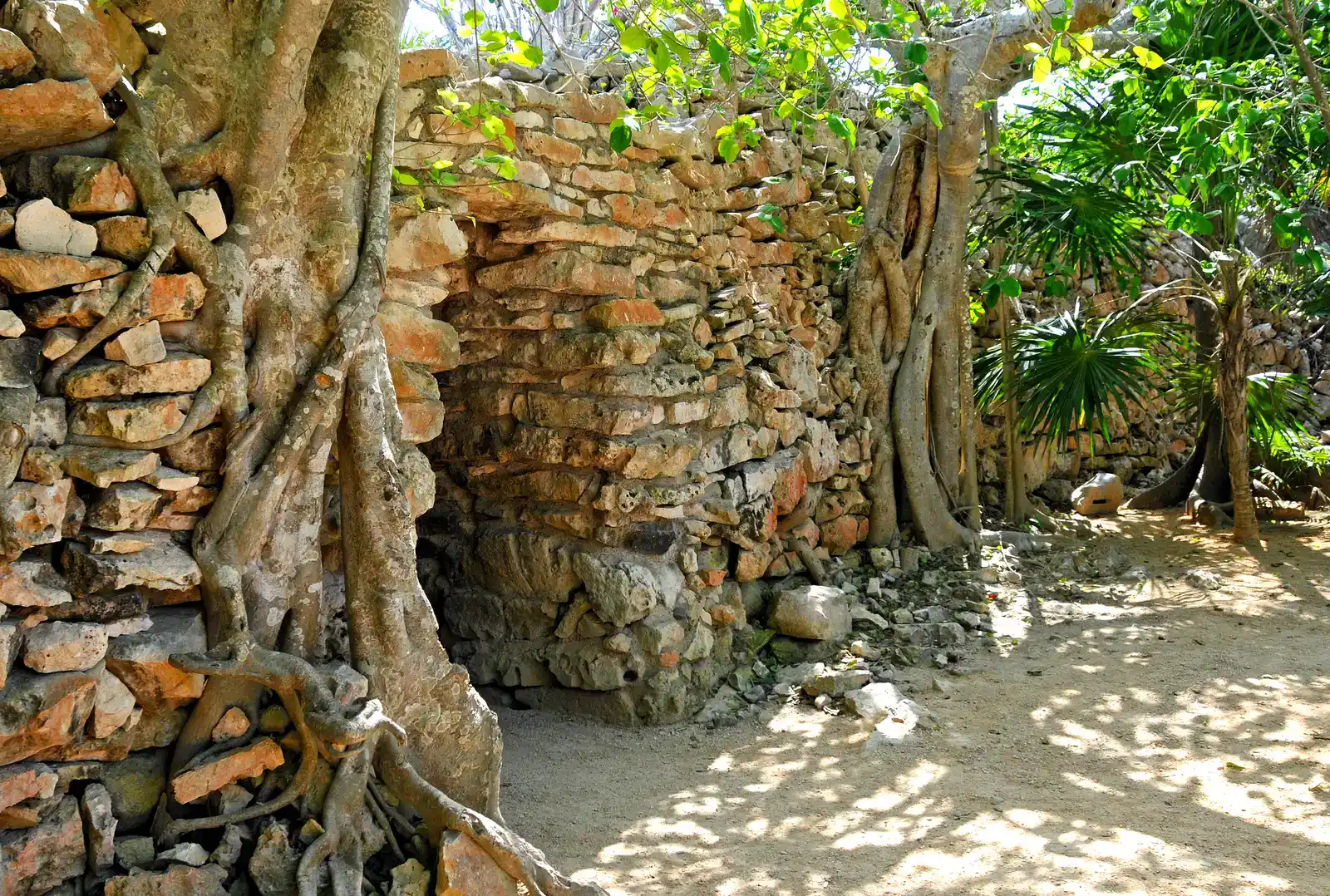
Think about it: one of the most sophisticated societies the Americas ever saw, with written language, complex mathematics, and towering pyramids, suddenly went quiet. Recent research studying Classic Maya cities discovered that urban growth was driven by a blend of climate downturns, conflict, and powerful economies of scale in agriculture. The picture that’s emerging now is far more nuanced than the simple “drought killed them” story we heard for years.
Researchers found evidence of a catastrophic 13-year drought and seven other prolonged dry periods lasting at least three years each, providing a detailed, season-by-season account of climate conditions during the Terminal Classic period. Yet here’s where it gets interesting: when conditions improved in the countryside, people abandoned cities for more autonomy and better living environments. They weren’t wiped out; they simply moved.
The population fell by 750 CE, coinciding with archaeological evidence of political instability, prolonged drought, and resource depletion, though even though city-states experienced severe population depletion around 1,200 years ago, the Maya themselves never disappeared. Some northern cities like Chichén Itzá actually thrived during the collapse of southern centers, suggesting this was more transformation than apocalypse.
The Indus Valley Civilization: Rivers That Ran Dry
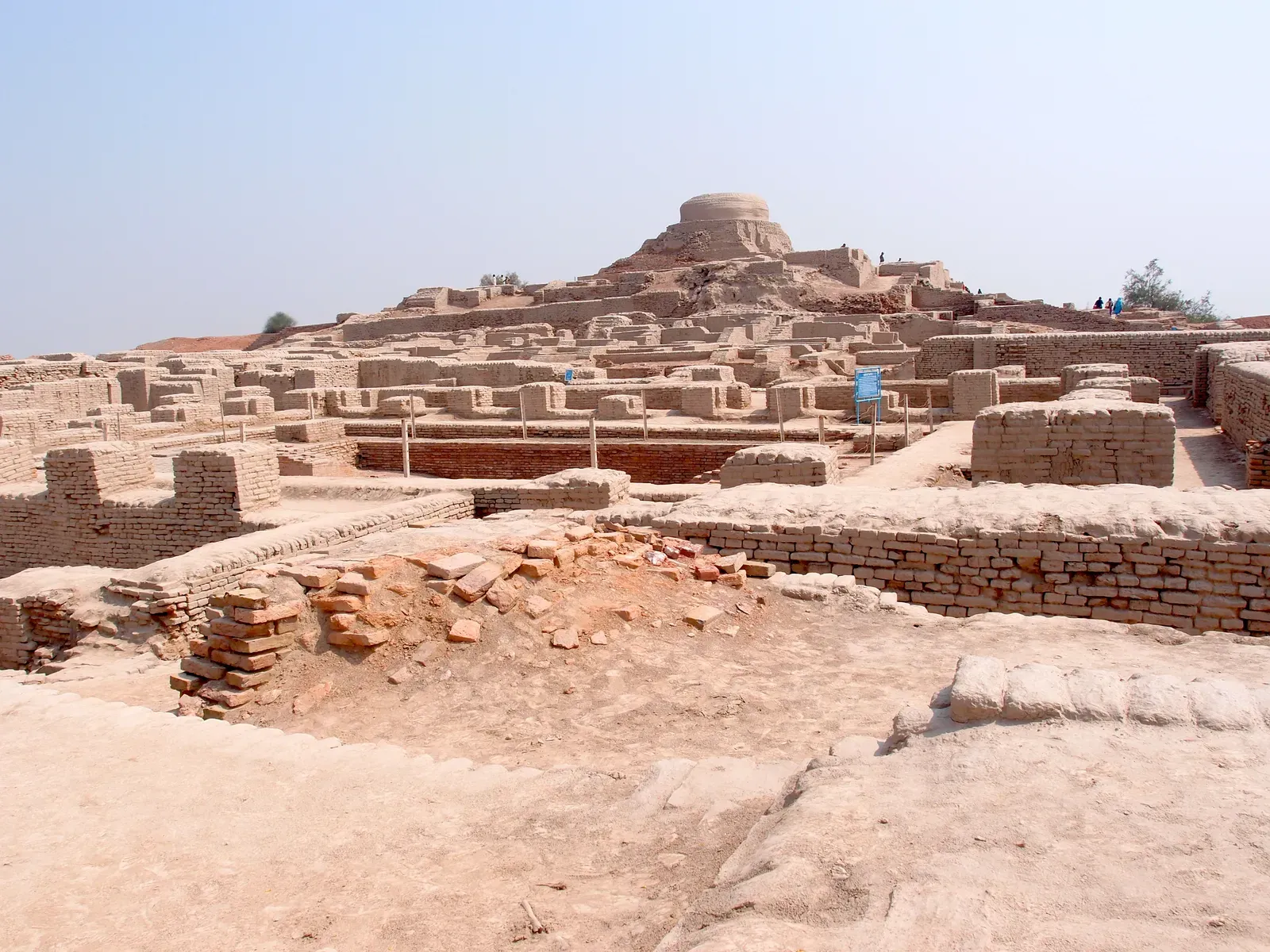
Here’s something that should make you pause: one of the world’s three earliest civilizations, rivaling Egypt and Mesopotamia in sophistication, essentially faded into the desert around 1900 BCE. Climate simulations reveal that repeated century-long droughts reshaped where Indus Valley people lived, with one particularly long drought lasting 113 years, identified between 3,531 and 3,418 years ago, aligning with archaeological evidence of widespread deurbanization.
The Harappans had sewage systems that predated Rome’s, standardized weights for trade, and planned cities with grid layouts. The region went through four periods of intense drought between 4,400 and 3,400 years ago, with average annual rainfall decreasing between 10 and 20 percent, and average annual temperature increasing by roughly 0.9 degrees Fahrenheit. Think about managing an entire civilization as your primary water source systematically fails.
The most severe droughts lasted between 102 and 164 years, impacting over 90 percent of the Indus Valley region, though this didn’t lead to an abrupt collapse but to a gradual reorganization and migration in a push-pull pattern. Smaller communities in areas with stable rainfall survived. The lesson? Sometimes vanishing isn’t about sudden disaster – it’s about slow adaptation and dispersal.
Angkor: When Water Became the Enemy
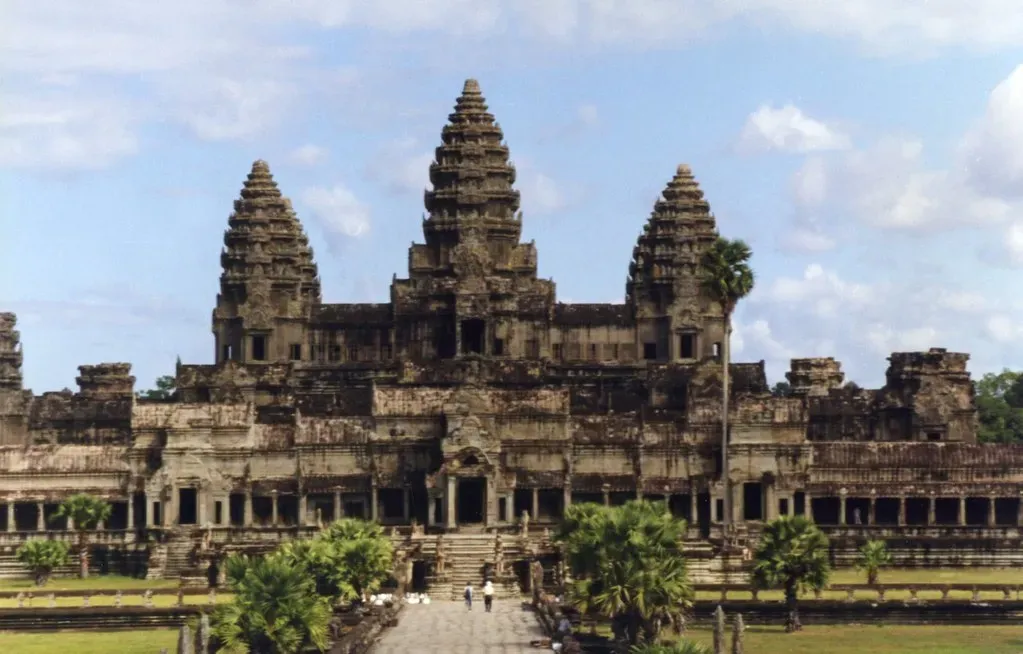
The hydraulic engineering at Angkor was arguably unmatched in the pre-industrial world. It was a water management infrastructure that had no equal on Earth, with elaborate reservoirs, canals, and moats supporting nearly a million people. Yet the very system that made Angkor great eventually contributed to its downfall.
Researchers determined that a period of strong monsoon rains was followed by a severe drought, which caused damage to the empire’s hydraulic infrastructure, with variability between droughts and flooding also a problem that may have caused residents to migrate southward. The 14th and 15th century experienced periods of severe drought with heavy monsoons and possibly flooding following each drought event, which stressed the water management network and caused a breakdown of parts of this infrastructure.
Land-use in the center of Angkor began to decline about 100 years before the traditional date for the abandonment of the city, suggesting the demise was slow and protracted rather than abrupt and catastrophic. People were already leaving before the Siamese armies arrived in 1431. The city wasn’t conquered so much as it was already hemorrhaging residents drawn to emerging trade opportunities along the coast.
Easter Island: The Collapse That Never Was
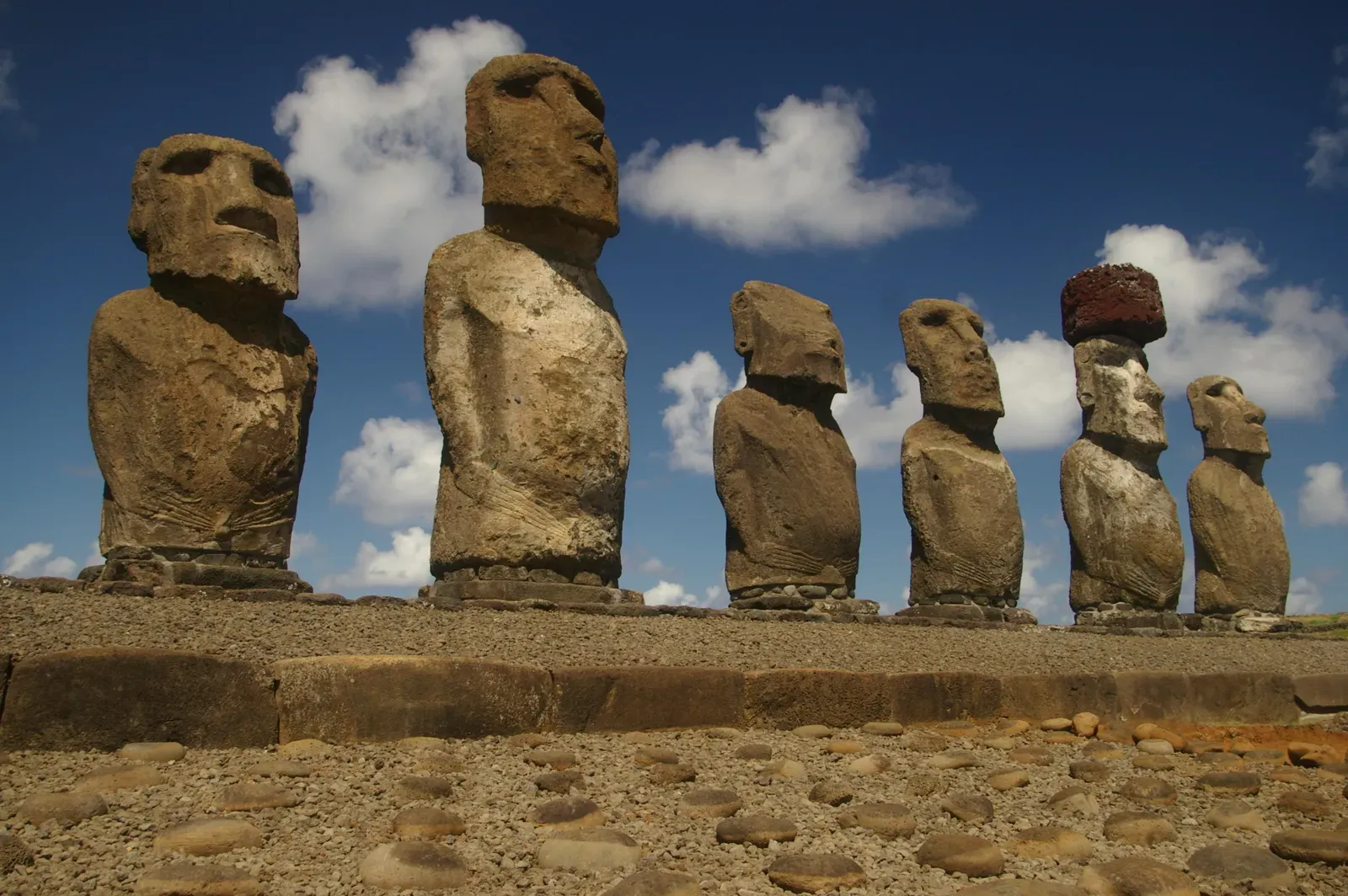
Let’s be real: the Easter Island collapse story has been massively oversold. For decades, this tiny Pacific speck served as the ultimate cautionary tale about environmental destruction. A new study challenges the narrative of ecocide, saying that Rapa Nui’s population never spiraled to unsustainable levels, as settlers found ways to cope with the island’s severe limits and maintained a small, stable population for centuries.
The first study of genomes of ancient Rapanui showed such a population collapse never happened, with evidence of only one very ancient bottleneck, likely due to the founding event of the island before 1300 CE. Recent research estimated that around 3,000 people lived on Rapa Nui at the time of European contact, not the 15,000 that collapse theorists had claimed.
A study led by researchers at Lamont-Doherty Earth Observatory found that a centuries-long drought transformed life on Rapa Nui beginning around 1550, with annual precipitation declining and remaining low for more than a century. The Rapanui didn’t destroy themselves – they adapted brilliantly to one of Earth’s most isolated and resource-limited environments. The real catastrophe came with European diseases, not ecological suicide.
The Khmer Empire: Climate Versus Trade Routes
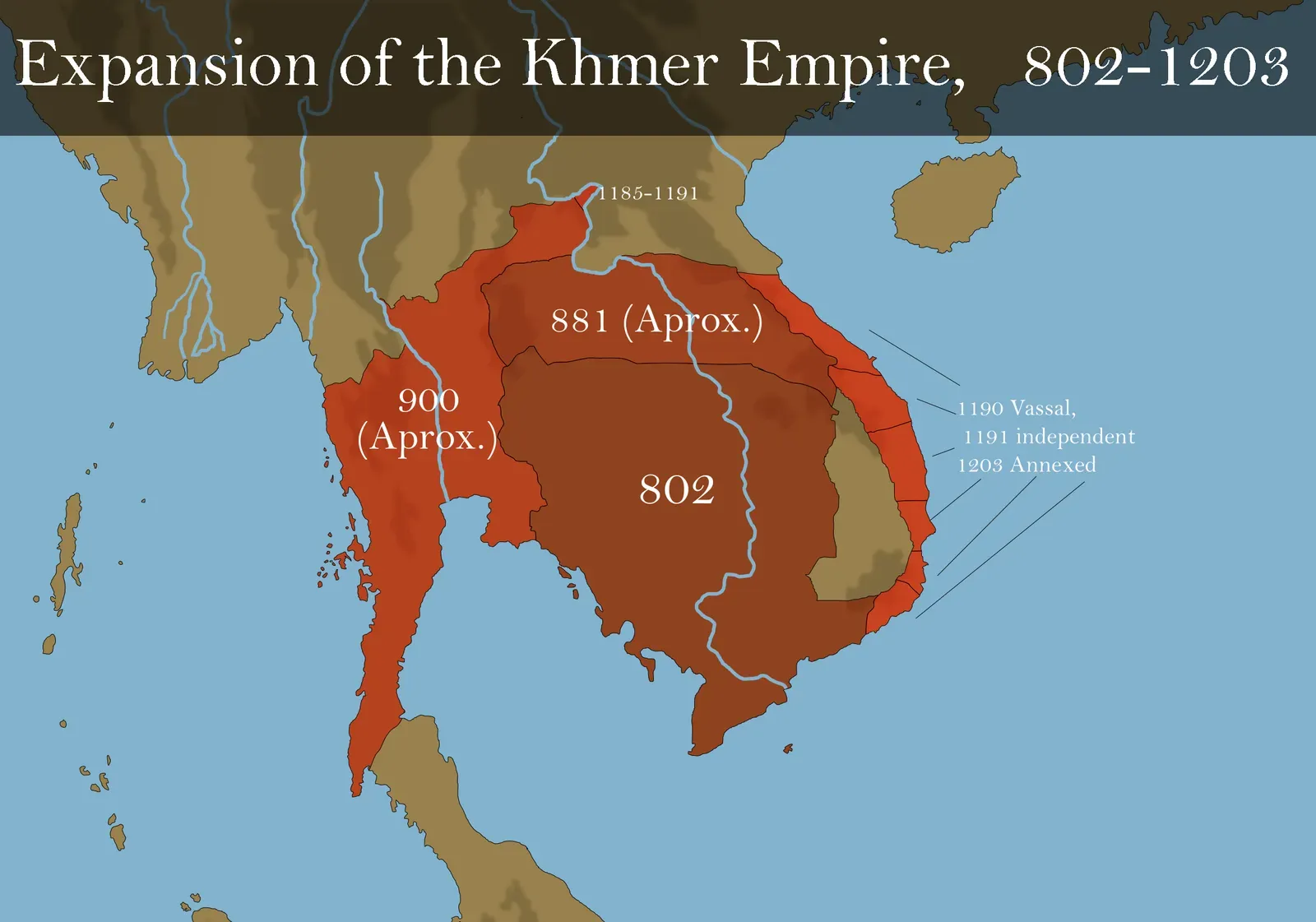
Honestly, calling the Khmer Empire’s end a “vanishing” might be misleading. Although the end of the Khmer Empire has traditionally been marked with the fall of Angkor to the Siamese Ayutthaya Kingdom in 1431, the reasons for the empire’s collapse are still debated amongst scholars. Multiple forces converged at once – climate chaos, shifting economic opportunities, and religious transformation.
One reason for failures in maintenance and decreased farming was that prospects of international trade lured Angkor’s inhabitants elsewhere, as settlements closer to the Mekong and Tonle Sap River provided Khmer elite with easier access to the South China Sea and burgeoning international trade networks. Why stay in a drought-prone interior city when coastal commerce was booming?
Some historians believe that mass conversion to Theravada Buddhism contributed to the decline and gradual abandonment of Angkor by undermining the Hindu and Mahayana Buddhist institutions underpinning the state and encouraging a more individualistic attitude among believers. The empire didn’t collapse overnight – it transformed gradually as people voted with their feet and relocated to more prosperous regions.
Partner offer
The Nabataeans: Desert Merchants Who Faded Away
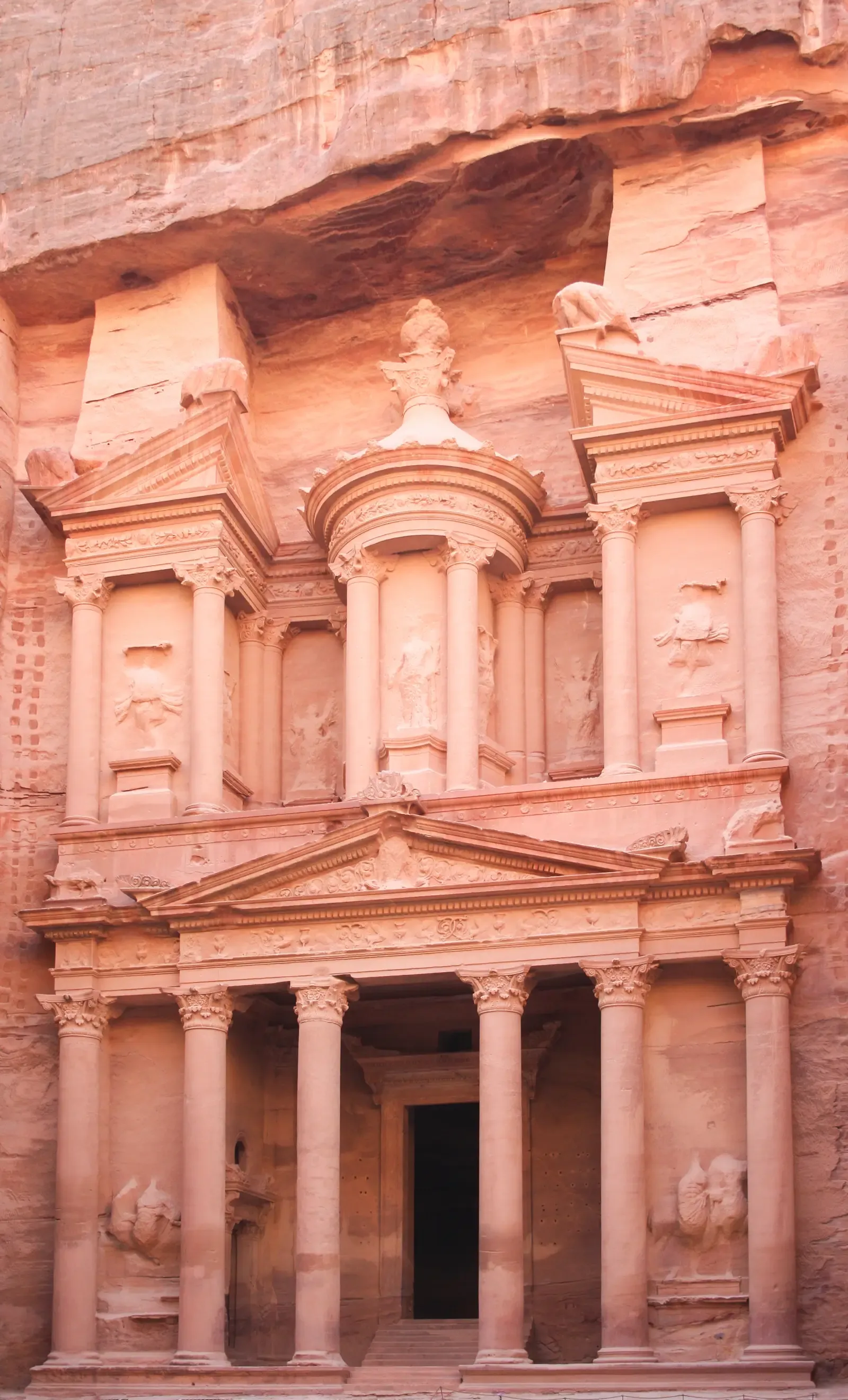
The Nabataeans built Petra, that stunning rock-carved city in modern Jordan that still takes your breath away. The altar discovered near Naples is from an ancient temple belonging to the Nabataeans, desert-dwelling merchants whose great wealth built cities like Petra, with Italian archaeologists announcing in August 2023 their discovery of underwater remains of a 2,000-year-old temple they think was built by ancient Nabateans.
These desert specialists controlled the incense trade routes, moving frankincense and myrrh from Arabia to the Mediterranean world. Their hydraulic engineering allowed them to thrive in one of Earth’s harshest environments. Archaeologists say the tomb beneath Al-Khazneh is a priceless discovery that will help them learn more about these people.
Around the 4th century CE, the Nabataeans essentially disappeared as a distinct culture. Trade routes shifted as Rome’s power waned, and the value of their monopoly on incense roads declined. Rather than dramatic collapse, they seem to have gradually merged into broader Roman and then Byzantine society, their unique identity dissolving like morning mist in the desert sun.
The Caral Civilization: Peru’s Peaceful Precursor
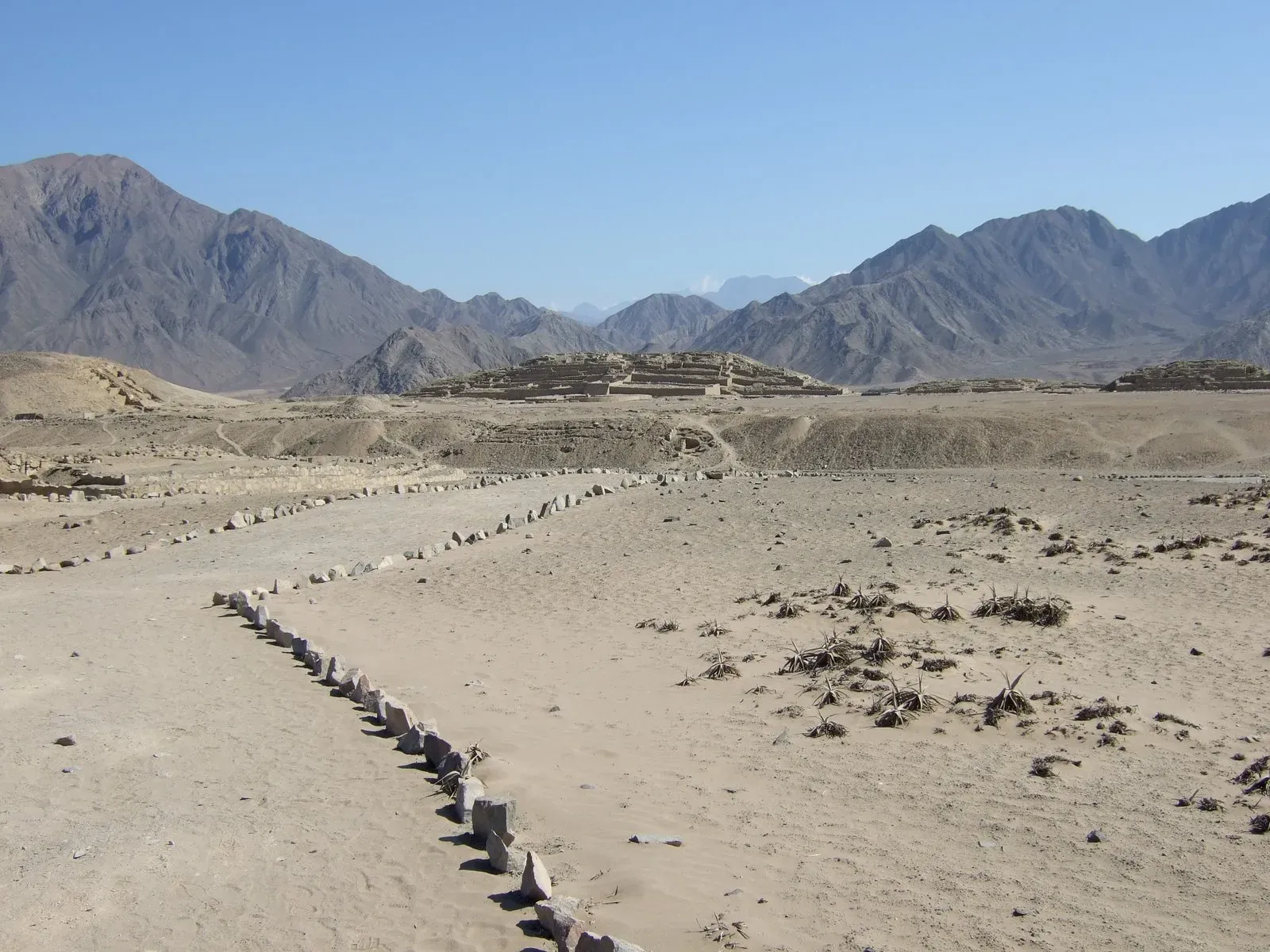
In July 2025, the 3,800-year-old city of Peñico was unveiled, situated in the Supe Valley with 18 structures including ceremonial temples and residential compounds that were once home to members of the ancient Caral civilization, who inhabited Peru long before the Aztecs, Maya or Inca. This makes them one of the oldest known civilizations in the Americas.
Investigations into the Caral, which began in 1994, have revealed them to be one of the ancient world’s most peaceful societies, with no defensive walls or weapons discovered, suggesting their society was built on trade, music, ritual and consensus. Imagine that: a major civilization that apparently didn’t rely on warfare or coercion.
The Caral seem to have declined around 1800 BCE, possibly due to climate shifts affecting agriculture or earthquake damage to their infrastructure. Unlike many civilizations, they left no evidence of violent conflict or social upheaval. They simply faded, their peaceful experiment in urban living ending as quietly as it had begun, leaving behind haunting stone platforms and questions about roads not taken.
The Chalcolithic Culture of Jordan: Ritual Transformation

After the collapse of the Chalcolithic culture around 3500 BCE, people in Jordan’s Murayghat transformed their way of life, shifting from domestic settlements to ritual landscapes. This 5,500-year-old site represents something fascinating: not extinction, but radical cultural reorganization.
The Chalcolithic people of the Levant created remarkable copper objects and established settled communities. Then something changed. Rather than continuing as before, they appear to have abandoned permanent settlements in favor of more mobile lifestyles focused on ritual practice. Was this climate-driven? Social upheaval? A conscious religious revolution?
What makes this vanishing particularly intriguing is that it represents transformation rather than catastrophe. The people didn’t disappear – their culture did, replaced by something fundamentally different. It’s hard to say for sure, but this pattern of radical cultural shift challenges our assumption that ancient societies only changed under extreme duress. Sometimes civilizations remake themselves completely.
The Abydos Dynasty: Egypt’s Short-Lived Rulers
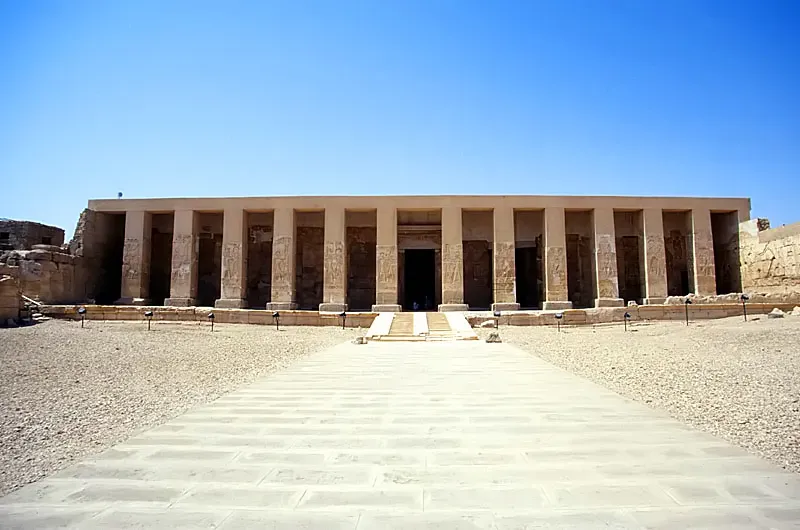
An Egyptian-American team unearthed a large royal tomb for an unknown king belonging to the mysterious Abydos Dynasty, a short-lived local Egyptian dynasty that governed parts of Upper Egypt around 1650–1600 BCE, ruling concurrently with the Hyksos in the north and the Theban dynasty in the south during the fragmented Second Intermediate period.
The tomb was found 7 meters underground near Anubis Mountain to the south of Abydos, consisting of a limestone burial chamber with a decorated entryway, several rooms, and mudbrick vaults originally reaching a height of about 5 meters. This dynasty ruled during Egypt’s chaotic Second Intermediate Period when centralized power had fractured.
The Abydos Dynasty when reunification came under Theban leadership. They weren’t conquered dramatically – they simply ceased to exist as an independent power when Egypt reconsolidated. Their brief moment in history reminds us that not all vanishings involve dramatic battles or environmental catastrophe. Sometimes political consolidation quietly erases smaller players from the historical stage, leaving only tombs as evidence they existed at all.
The stories of these civilizations reveal something crucial: collapse rarely follows a single narrative. Climate change, political upheaval, economic shifts, and cultural transformation interweave in ways that defy simple explanations. The Maya didn’t just succumb to drought; the Indus Valley people didn’t simply run out of water; Easter Island wasn’t an ecological suicide. Each represents a unique combination of environmental stress and human response, resilience and adaptation mixed with genuine crisis.
What’s perhaps most striking is how recent research keeps overturning long-held assumptions. As better techniques emerge, from ancient DNA analysis to sophisticated climate modeling, we’re discovering that many of these “collapses” were actually transformations. People migrated, adapted, and persisted even as their grand cities fell silent. The civilizations , but often their descendants did not.
Human societies have always been more resilient and creative than we give them credit for. Did any of these stories surprise you?
Partner offer
Planning a trip to Vegas?
Compare hotel rates and show tickets on VEGAS.com.