Rock history is full of stories that sound too strange to be true, yet keep resurfacing decade after decade. Long before anyone worried about deepfakes or AI-generated lyrics, parents and preachers were convinced that spinning a vinyl record backward could unleash something sinister, or at least something worth a good scandal. Some of these hidden messages were real studio pranks, others were pure moral panic, and a few still spark debate among audio engineers and conspiracy fans alike.
1. Led Zeppelin’s “Stairway to Heaven” and the whispered devil

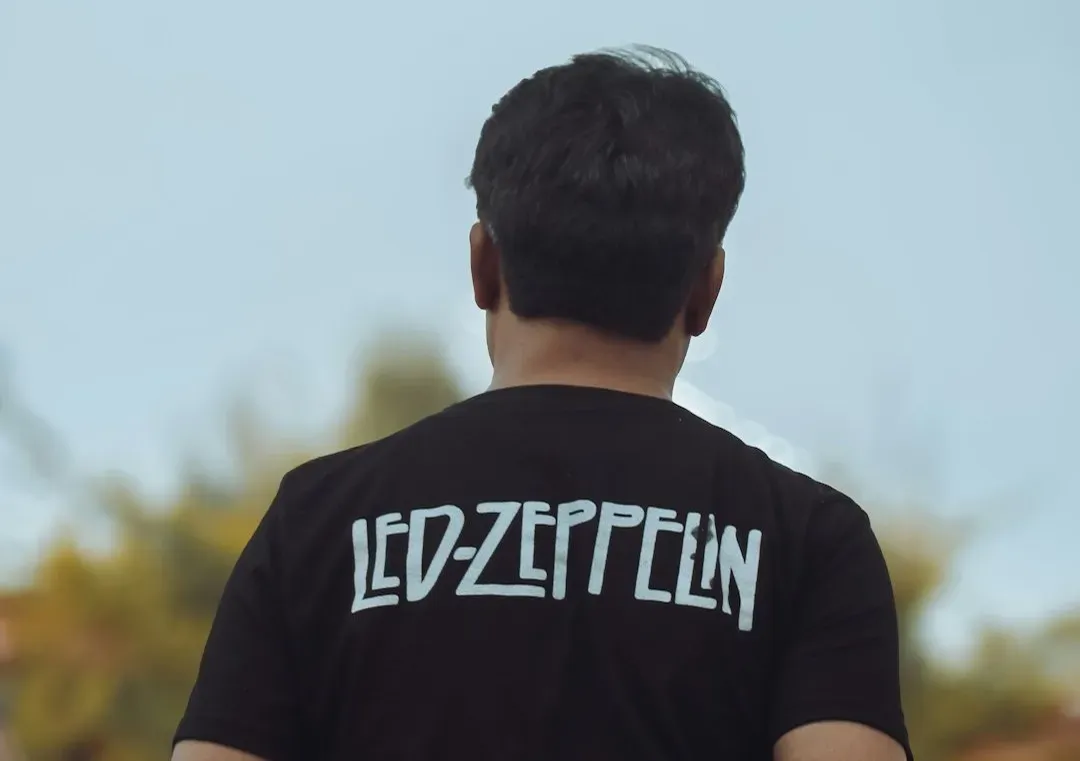
No song has been dragged into the backmasking debate more than this one. The rumor centers on the section where Robert Plant sings about a bustle in the hedgerow, which, when reversed, was purported to contain the Satanic references known as “Here’s to my sweet Satan” and “I sing because I live with Satan.” A Michigan minister pushed the claim onto Christian radio in the early eighties, and it eventually made its way to a 1982 hearing held by the Consumer Protection and Toxic Materials Committee of the California State Assembly, where the song was played backward for lawmakers.
Led Zeppelin’s camp treated the whole affair as absurd. Their label at the time responded by pointing out that their turntables only played in one direction, forwards. Engineer Eddie Kramer, who worked closely on the album, dismissed the idea as something no one would waste studio time creating, and Jimmy Page later mocked the theory publicly, comparing it to the old Paul McCartney death rumors. Decades later, the myth still gets passed around, mostly because it makes for a fun campfire story rather than because anyone has proven intent.
2. Judas Priest’s “Better by You, Better Than Me” and a courtroom over “do it”


This one moved from internet legend into an actual federal courtroom. In 1990, the families of two young men who had attempted suicide after a night of drinking and listening to Judas Priest’s Stained Class album sued the band, claiming the cover track hid backward phrases urging listeners toward self harm. According to court records, the lawsuit claimed the song contained subliminal messages like “try suicide,” “do it,” and “let’s be dead.”
The trial dragged the band’s engineers, lawyers, and frontman Rob Halford into the strange position of dissecting their own vocal takes in front of a judge. Prosecutors played the recording backward, forward, sped up, and slowed down, trying to prove the men had been influenced to kill themselves, yet the supposed backward phrase turned out to be little more than an exhale caught in the mix. The judge ultimately dismissed the case, ruling that subliminal audio, even if present, could not be treated as protected or unprotected speech in the way normal lyrics are, since listeners cannot consciously perceive it anyway.
3. Electric Light Orchestra’s “Fire on High” turned the accusation into a joke


ELO got swept into the same satanic panic that hit Led Zeppelin, after Christian groups accused the band of backwards masking Satanic lyrics on the song “Eldorado” from an earlier album. Rather than fight the rumor quietly, Jeff Lynne and the band leaned into it. They recorded an actual backward message on “Fire on High” from the follow up album Face the Music, and it genuinely does say something when reversed.
The reversed voice warns listeners that the music is reversible, but time is not, followed by repeated warnings to turn back. It was a wink at the whole controversy rather than a hidden confession of anything sinister. ELO doubled down years later with the 1983 album Secret Messages, whose sleeve carried a printed warning that it contained secret backward messages, turning a moral panic into a marketing gimmick.
4. Pink Floyd’s “Empty Spaces” hid a very human phone call

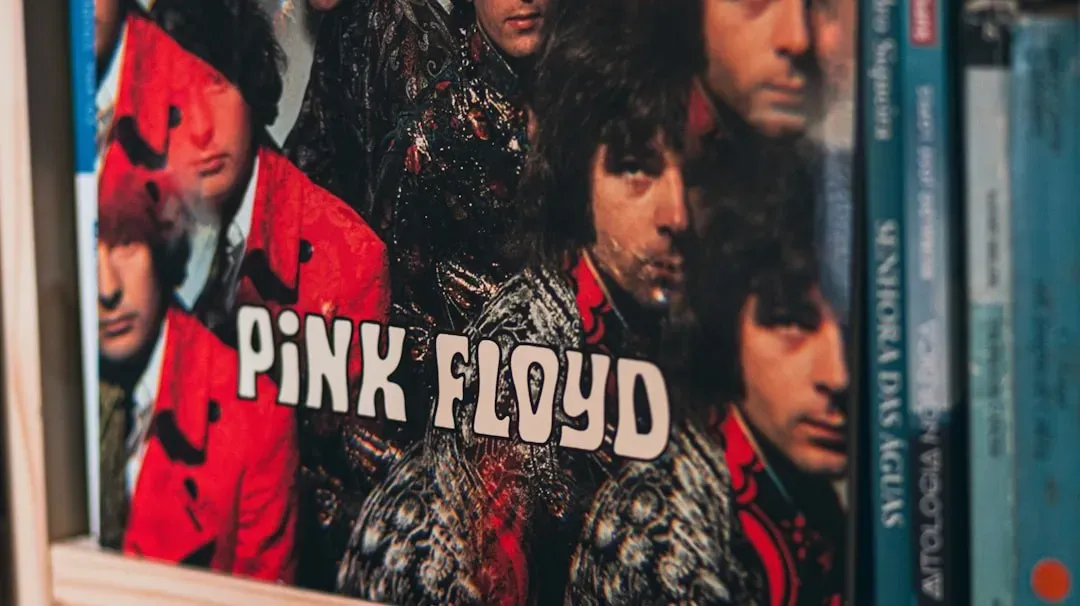
Unlike most entries on this list, Pink Floyd’s hidden message is fully documented and was intentional from the start. Tucked into “Empty Spaces” from 1979’s The Wall, the reversed audio reveals Roger Waters directly addressing anyone patient enough to flip the tape. The message begins with Roger Waters congratulating the listener on discovering the secret message, then asking them to send their answer to Old Pink, care of the Funny Farm, Chalfont.
Right after that, a second voice, belonging to engineer James Guthrie, breaks in to tell Waters that his wife is on the phone. It is a strange, almost comedic detail buried inside one of rock’s darkest concept albums, and many fans link the Old Pink reference to former bandmate Syd Barrett, whose mental health struggles shaped much of the album’s themes. The band has never fully confirmed that connection, which only adds to its lasting appeal among Floyd obsessives.
5. The Beatles’ “Strawberry Fields Forever” and the “I buried Paul” mystery

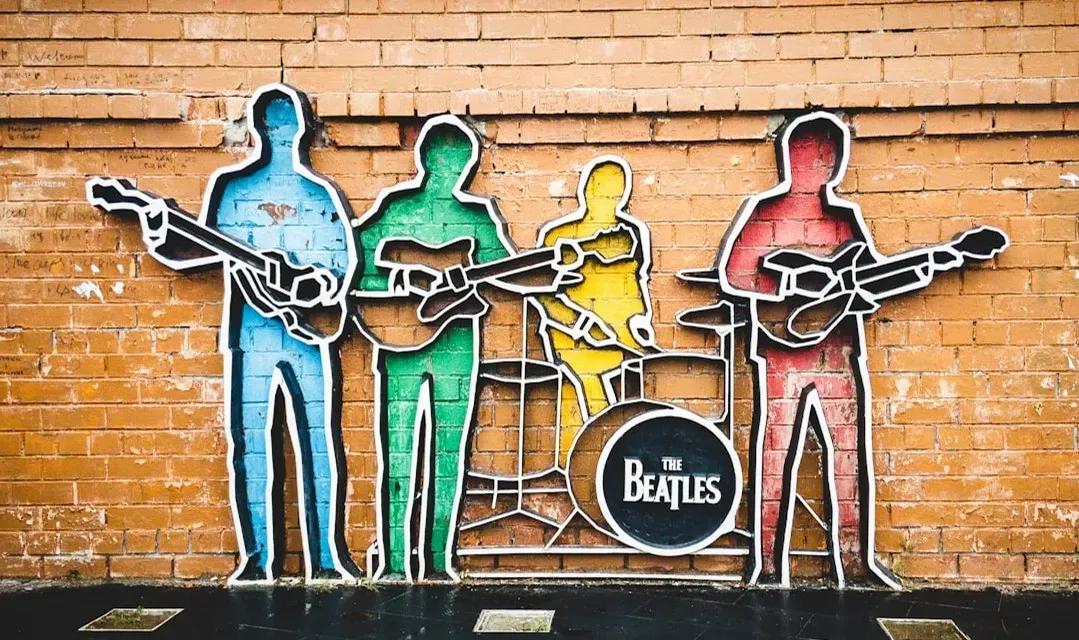
Few hidden message stories have aged as strangely as the Paul is dead conspiracy, and this song sits right at its center. Listeners in the late sixties became convinced that John Lennon mutters a chilling phrase at the fade out of the track, feeding into a rumor that Paul McCartney had secretly died years earlier and been replaced. Later analysis and band members themselves have suggested the actual mumbled words were something far more mundane, related to cranberry sauce rather than any confession.
Whatever Lennon actually said, the ambiguity was enough to fuel one of pop culture’s most enduring urban legends. Fans went digging through album covers and lyric sheets looking for supposed clues, treating the whole catalog like a puzzle box. The Beatles themselves seemed amused by the whole thing rather than eager to shut it down completely, which only kept the theory alive longer.
6. Queen’s “Another One Bites the Dust” and the marijuana rumor

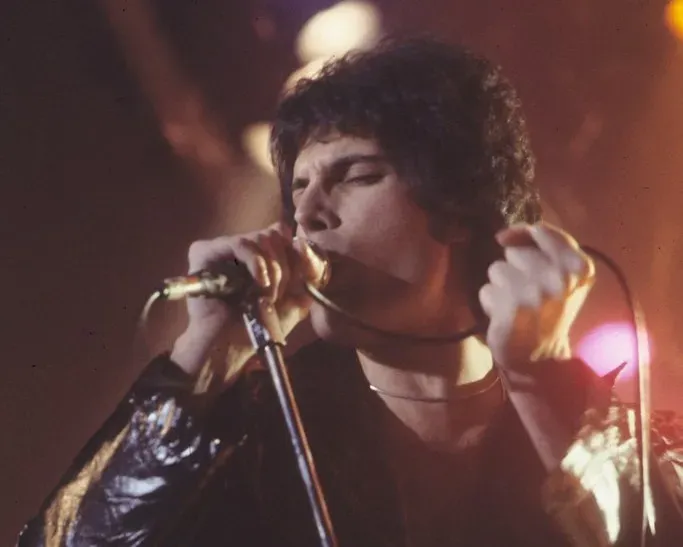
By the time this John Deacon penned bassline anchored dance floors in 1980, backmasking paranoia was already a cultural fixture in America. The song became one of many singles swept into television specials and religious broadcasts claiming that popular music hid pro drug messages when played in reverse. It fits the same pattern seen across the era, where a massive commercial hit, in this case a track that became Queen’s best-selling single with sales of over seven million copies, got treated with suspicion simply because of its popularity and dark, thumping bassline.
No credible audio evidence ever tied the recording to any deliberate hidden phrase, and Queen never addressed the claim as anything more than background noise to their success. The accusation mostly survives today as a footnote in books and documentaries about the wider satanic panic of the period. It says more about the anxieties of the early eighties than it does about anything actually present in the mix.
7. Eagles’ “Hotel California” swept into the satanic panic


The Eagles found themselves lumped in with heavier acts during the height of backmasking hysteria, largely because of the song’s cryptic, occult tinged lyrics about checking out but never leaving. Christian broadcasters of the era argued that tracks like “Hotel California” contained subliminal messages designed to turn music obsessed teens into Satan worshippers. It was an odd pairing, since the Eagles were known more for soft rock harmonies than any occult imagery in their public persona.
Band members have generally treated the accusation as background trivia rather than something worth extensive rebuttal. The lyrics themselves, about a mysterious hotel that traps its guests, were always meant as commentary on excess and the music industry rather than anything supernatural. Still, the song’s ambiguous storytelling gave conspiracy minded listeners just enough material to run with during a decade primed to find hidden meaning everywhere.
8. Slayer’s “Hell Awaits” turned backmasking into a genre statement


Where most of these stories involve accusations the artists denied, Slayer went the opposite direction entirely. The title track of their 1985 album opens with a deep, guttural chant that becomes intelligible only when played backward, repeating an invitation for listeners to join. It was a deliberate, self aware nod to the same satanic panic narratives being thrown at other metal bands during that period.
Rather than distancing themselves from the controversy surrounding backward masking, Slayer embraced the imagery wholesale, building an entire aesthetic around it. The move helped cement the band’s reputation within extreme metal circles as artists willing to lean fully into shock value rather than apologize for it. Decades later, that opening chant remains one of the most recognizable intentional uses of backmasking in the genre’s history.
9. Styx’s “Snowblind” and the televangelist who heard Satan

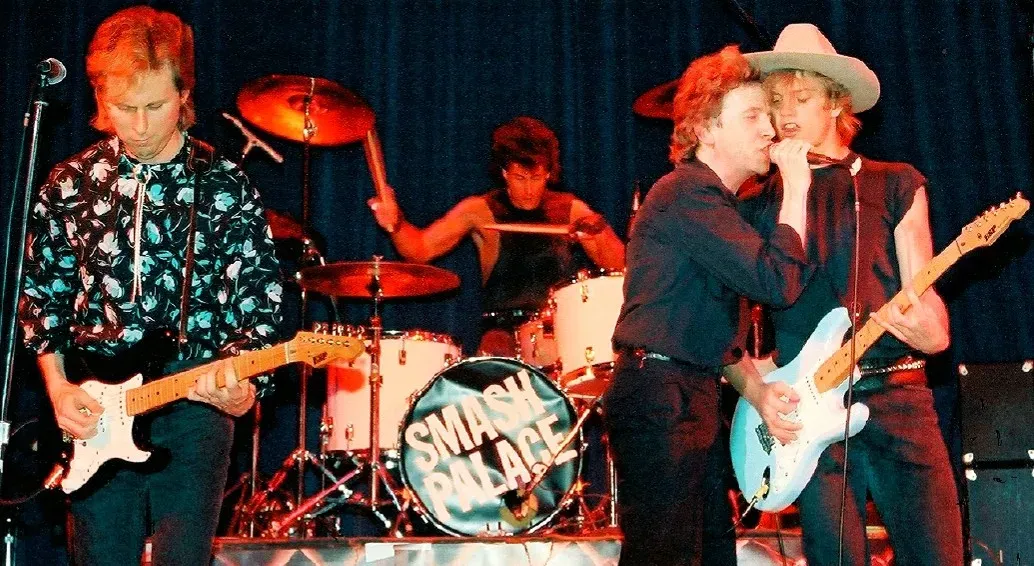
Styx became another target during the same wave of televised accusations that hit Led Zeppelin, with religious broadcasters claiming this Paradise Theatre track carried a reversed message referencing Satan working through the band’s voices. The claim followed the same playbook as the other satanic panic cases, relying on ambiguous reversed audio interpreted through a lens that was already primed to hear something ominous. Styx frontman Dennis DeYoung and other members pushed back publicly, insisting the song was about drug abuse rather than devil worship, which was in fact its actual lyrical subject.
The accusation never gained the same lasting notoriety as the Zeppelin case, partly because Styx’s image leaned more toward theatrical arena rock than occult mystique. Still, it illustrates just how widespread the backmasking scare had become by the early eighties, touching nearly every major rock act with a hit record. Bands with far less controversial subject matter than Slayer or even Led Zeppelin found themselves defending music that, on inspection, contained nothing more than ordinary studio noise.
Looking back at these nine cases together, a clear pattern emerges. A handful, like the ELO and Pink Floyd examples, were genuine studio jokes planted by artists who knew exactly what they were doing. The rest were largely products of a cultural moment when reversed audio, played on cheap turntables and interpreted by anxious adults, became a stand in for broader fears about where rock music was headed. Whether real or imagined, these stories have outlasted the moral panics that created them, proving that a good mystery, even a debunked one, tends to stick around far longer than the controversy that started it.