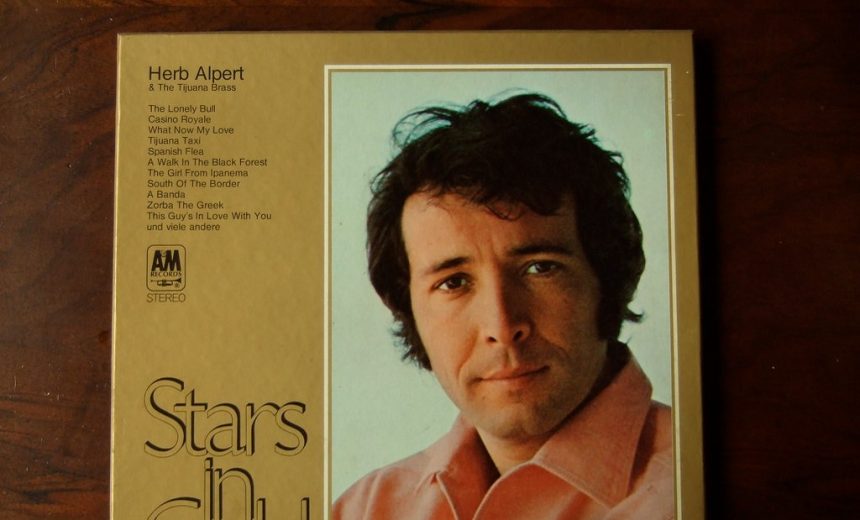
Pop radio runs on voices, hooks and choruses you can sing in the shower. Every so often, though, a record with no lyrics at all climbs the Billboard Hot 100 and sits among the biggest songs in America. It happens less often than it once did, which makes these hits worth revisiting.
The nine tracks below span from 1960 to 1985, and each one reached the top 10 on the Hot 100. I’ve kept to chart peaks and background that are well documented, so you can trust the details as you go.
Theme from A Summer Place by Percy Faith

Percy Faith’s lush orchestral recording of the theme from the 1959 film A Summer Place hit No. 1 on the Hot 100 in 1960. It stayed there for nine weeks, one of the longest runs at the top for an instrumental. That record is a big reason it’s still the benchmark for easy listening success.
The song won the Grammy for Record of the Year, which was rare for a track without a vocal. Its sweeping strings show how a film theme could become a mainstream pop smash. Few instrumentals have matched that kind of staying power.
Telstar by The Tornados


“Telstar” gave the British band The Tornados a No. 1 hit in the United States in late 1962. It was the first record by a British group to top the Hot 100, which arrived before the Beatles’ American breakthrough. Producer Joe Meek built the track around eerie, futuristic keyboard sounds.
The title nods to the Telstar communications satellite, which was in the news at the time. The space-age mood fit the era’s excitement. It still sounds like nothing else from that period.
Green Onions by Booker T. & the M.G.’s

Booker T. & the M.G.’s reached No. 3 on the Hot 100 with “Green Onions” in 1962. It also topped the R&B chart. The track rests on a simple Hammond organ riff and a tight, stripped-back rhythm section.
The band later became the house group for Stax Records, and this single helped put the label on the national map. Decades later, the groove still turns up in films and commercials. It proves a great riff can do the work of a chorus.
Love Is Blue by Paul Mauriat

French bandleader Paul Mauriat took “Love Is Blue” to No. 1 in the United States in early 1968, where it stayed for five weeks. The melody had been written for the 1967 Eurovision Song Contest, where Vicky Leandros sang it for Luxembourg. Mauriat’s orchestral version was the one that conquered American radio.
It’s a striking example of a European pop song becoming a hit through an arrangement alone. At a time when rock was changing quickly, a smooth orchestral piece still sat at the top of the charts. That says a lot about how varied listening habits were in the late 1960s.
Popcorn by Hot Butter

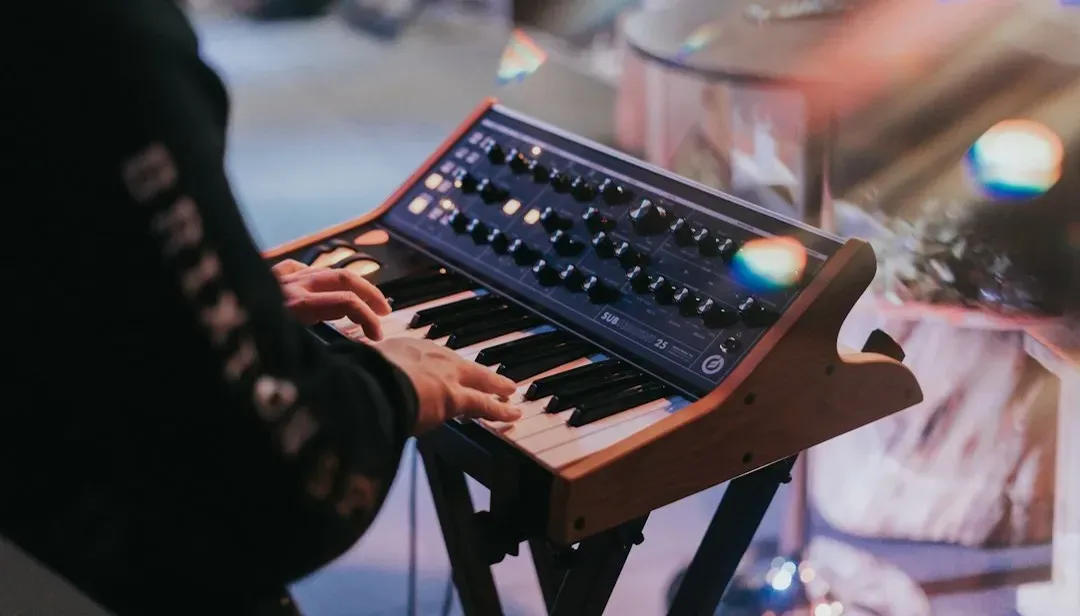
Hot Butter’s “Popcorn” peaked at No. 9 on the Hot 100 in 1972. The tune was composed by Gershon Kingsley, and the hit version was built around the bouncy, bubbling sound of the Moog synthesizer. It was an early sign that electronic instruments could carry a pop single.
Partner offer

The melody is playful and instantly recognizable, and it has been covered many times since. Its success helped bring synthesizers out of the lab and into everyday listening. For many people, it was their first taste of electronic pop.
Frankenstein by The Edgar Winter Group

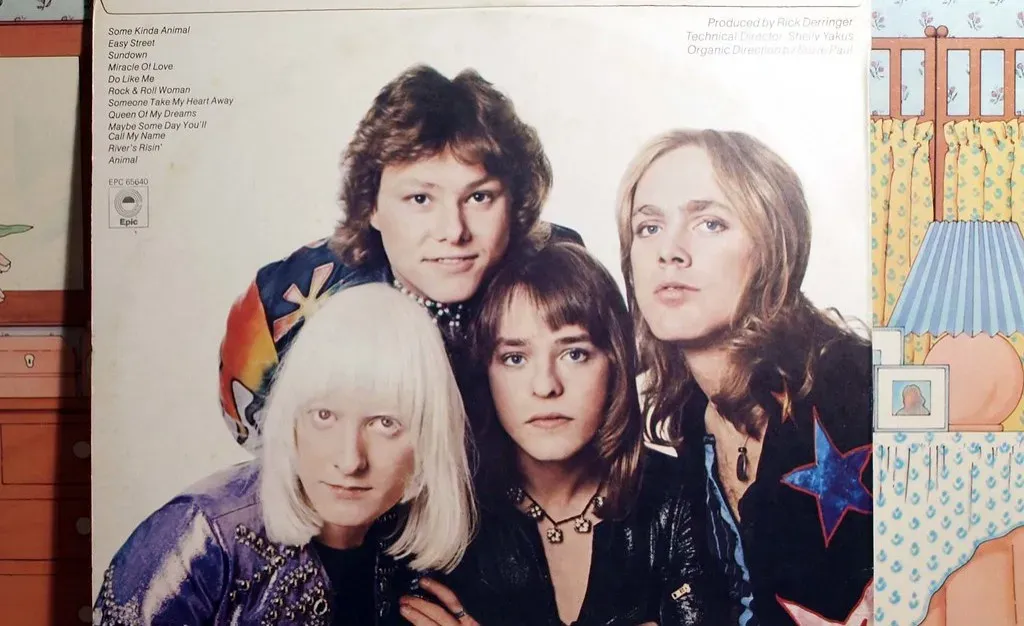
“Frankenstein” went to No. 1 on the Hot 100 in 1973. It came from the album They Only Come Out at Night and was built from a long studio jam that was edited down to single length. The track features synthesizer, saxophone and a drum break in a high-energy rock format.
Edgar Winter played keyboards, sax and percussion, and the song became a showcase for the ARP synthesizer in rock. It’s proof that an instrumental could be heavy, fast and still dominate the pop chart. Few rock instrumentals have ever done the same.
Rise by Herb Alpert

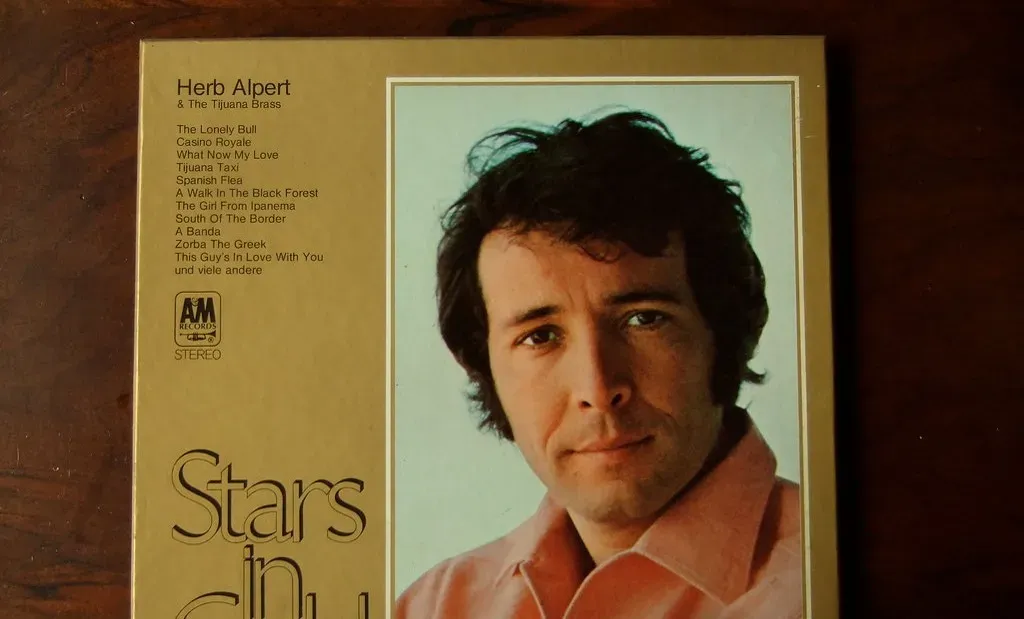
Trumpeter Herb Alpert hit No. 1 in 1979 with “Rise,” a smooth, sultry track with a disco-era pulse. It came years after his Tijuana Brass heyday, which made the achievement more notable. It reached the top spot in the fall of that year.
The song gained a second life when The Notorious B.I.G. sampled it for “Hypnotize” in 1997. That connection introduced the melody to a new generation. It remains one of the more unexpected No. 1 hits of its decade.
Axel F by Harold Faltermeyer

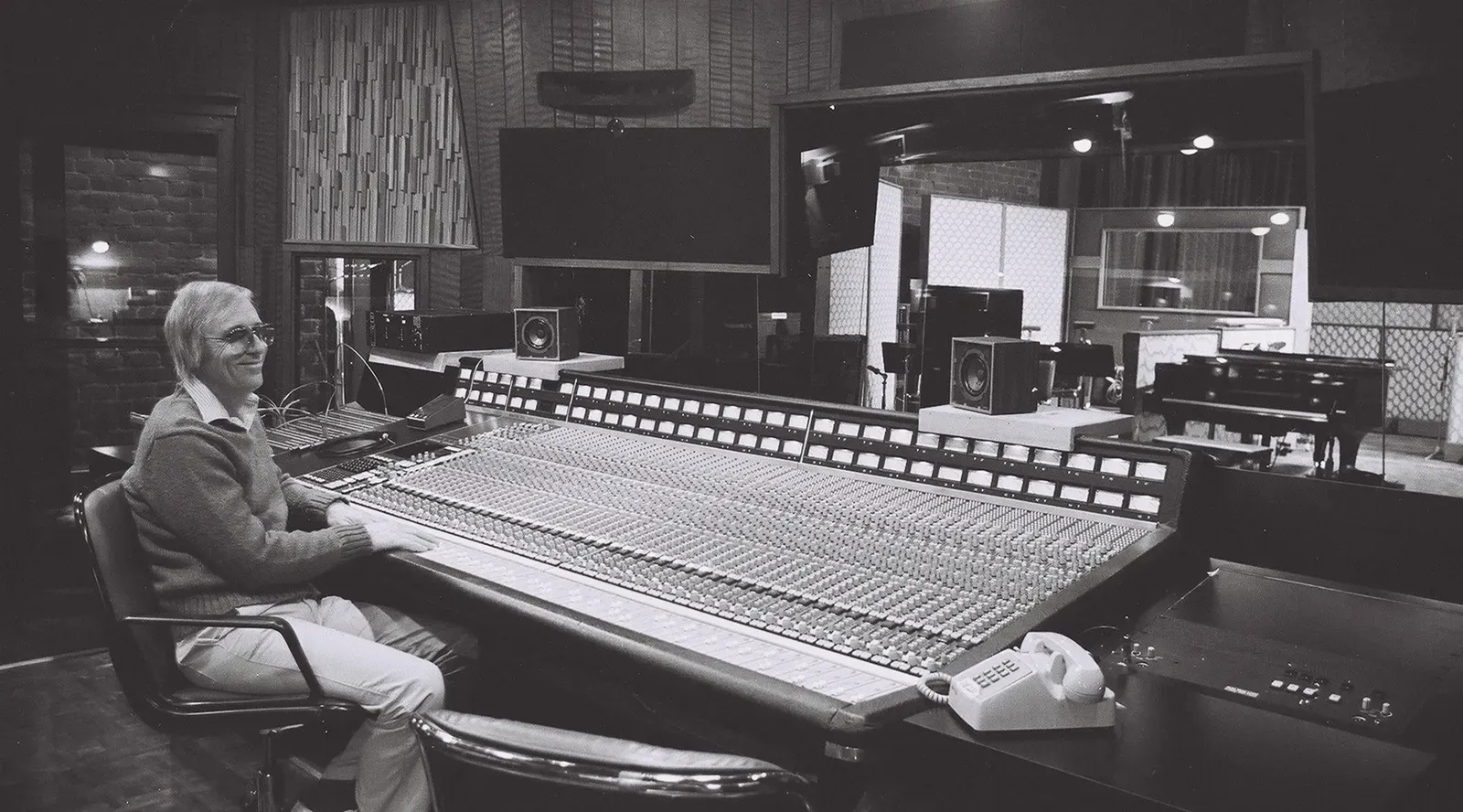
Harold Faltermeyer’s “Axel F” is the theme from the 1984 film Beverly Hills Cop. It peaked at No. 3 on the Hot 100 in 1985. The synth riff is among the most recognizable in film music.
The tune has stayed in circulation thanks to later remixes and cover versions, including the novelty hit by Crazy Frog in the 2000s. Faltermeyer’s original remains the definitive take. It’s a reminder of how strongly 1980s soundtracks shaped pop radio.
Miami Vice Theme by Jan Hammer

Jan Hammer’s “Miami Vice Theme” topped the Hot 100 in November 1985, tied to the hit television series. It’s one of the few TV themes to reach No. 1 on the chart. The sleek, synth-driven sound matched the show’s neon style.
Hammer had previously worked as a jazz-fusion keyboardist, and his background helped give the music its polish. The theme became shorthand for mid-1980s pop culture. It also stands as the last No. 1 on this list, closing out a remarkable run for instrumental music.
Taken together, these nine records show how varied the instrumental hit could be, from orchestral film themes to organ grooves, early synthesizers and television soundtracks. Each one connected with a mass audience without a single sung lyric. It’s a good reason to go back and listen again.
The common thread is a melody or riff strong enough to be remembered on its own. When that happens, the voice isn’t missed.
Partner offer
Planning a trip to Vegas?
Compare hotel rates and show tickets on VEGAS.com.