A sequel has an odd job. It has to feel familiar enough to satisfy fans and new enough to justify existing. Plenty of follow-ups manage it, though critics have often decided that the first film did it better.
The nine films below span several decades, from a 1978 shark thriller to a 2024 musical psychological drama. The comparisons rely on Rotten Tomatoes critic scores, which shift slightly over time, so the figures are described in approximate terms.
The Godfather Part III
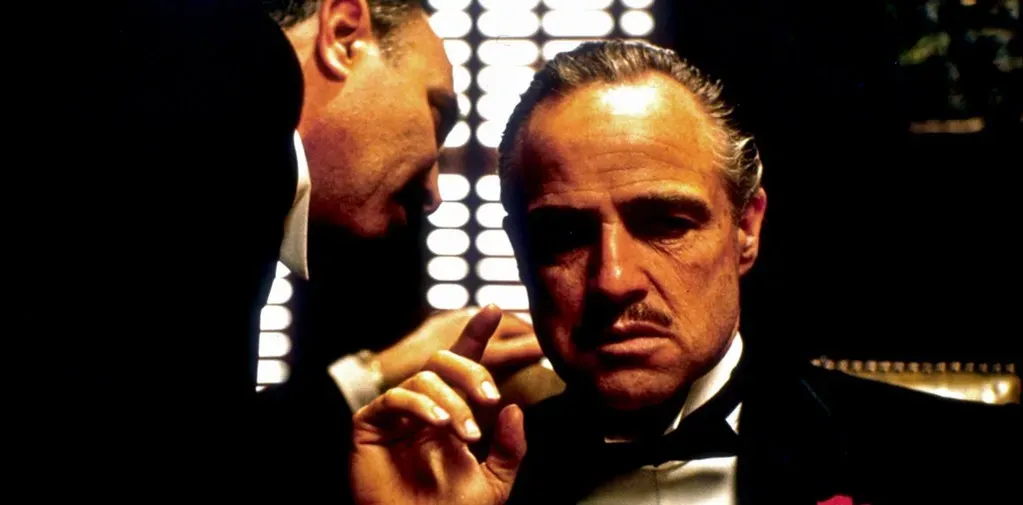
The original Godfather from 1972 sits among the most admired films ever made, and its critic approval is close to universal. Part III arrived in 1990 and landed with a far more mixed reception, with approval somewhere around two thirds. That’s decent by most standards, yet it’s a steep drop from its predecessors.
Critics often pointed to a looser story and to the casting of Sofia Coppola in a central role. The film still earned several Oscar nominations, including Best Picture. Francis Ford Coppola later released a re-edited cut in 2020, which he titled The Godfather Coda, in an effort to reframe it.
Jaws 2
Steven Spielberg’s Jaws from 1975 is widely credited with creating the modern summer blockbuster. Its critic score is in the high nineties. Jaws 2, released in 1978, sits at a little over half positive, which marks one of the larger gaps on this list.
Reviewers generally found it competent but derivative, retelling the same story without the same tension. Spielberg wasn’t involved, and Roy Scheider returned as Chief Brody. The film did well at the box office, which is partly why the series kept going.
Speed 2: Cruise Control
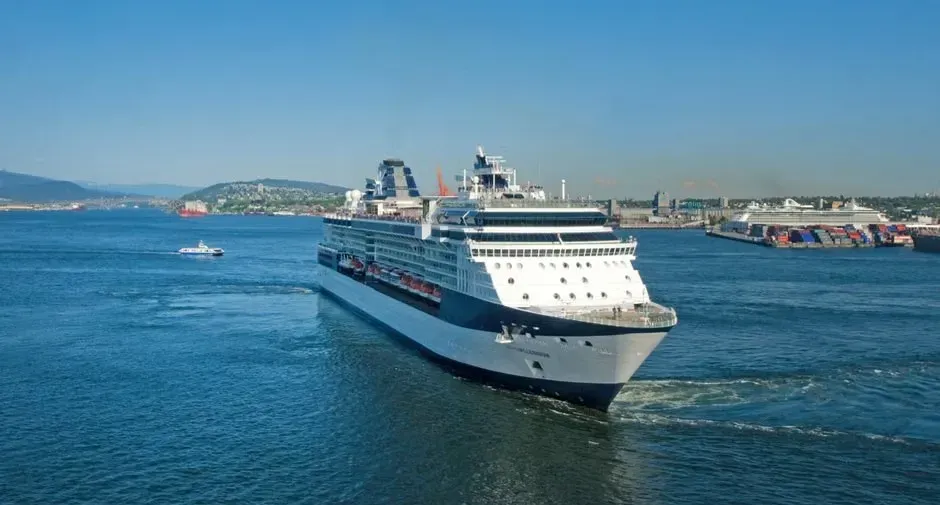
Speed from 1994 is a tight action thriller that critics embraced, with approval in the low nineties. The 1997 follow-up moved the action from a bus to a cruise ship. The reviews were harsh, and its score on Rotten Tomatoes is in the single digits.
Keanu Reeves didn’t return, and Sandra Bullock came back opposite Jason Patric. Many critics found the premise slow and the climax absurd. It’s regularly cited as an example of a sequel losing the simplicity that made the original work.
The Matrix Revolutions
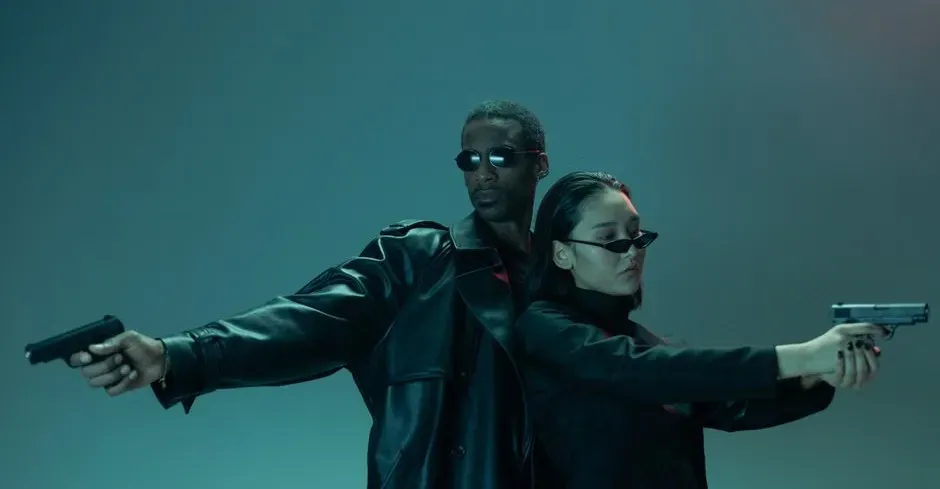
The Matrix from 1999 earned strong reviews for its visual effects and its blend of philosophy and action, with critic approval above eighty percent. The Matrix Reloaded in 2003 did reasonably well, though with less enthusiasm. The Matrix Revolutions, released later that same year, fell to roughly one third positive.
Critics tended to say the finale was heavy on spectacle and short on the ideas that made the first film feel fresh. It still made a large amount of money worldwide. The franchise returned with The Matrix Resurrections in 2021, which also divided critics.
Partner offer
Pirates of the Caribbean: Dead Man’s Chest

The Curse of the Black Pearl in 2003 surprised critics, who had low expectations for a film based on a theme park ride. Its approval is around eighty percent, and Johnny Depp earned an Oscar nomination for his performance. The 2006 sequel, Dead Man’s Chest, landed at only a little above half positive.
Reviewers often described it as bloated and overly plotted, even while praising its effects and action set pieces. Audiences were far more generous than critics. The film became one of the highest grossing releases of its year, and the series continued for several more entries.
The Hangover Part II
The Hangover from 2009 was a rare comedy hit that critics mostly liked, with approval close to eighty percent. The 2011 sequel moved the action to Bangkok and followed almost the same structure. Its critic score dropped to roughly one third.
The main complaint was that it repeated the original premise beat for beat, with a darker tone. Even so, it earned a very large worldwide gross. A third film followed in 2013, bringing the trilogy to a close.
Ghostbusters II

The 1984 original is a staple of comedy and science fiction lists, with critic approval in the low nineties. Ghostbusters II reached theaters in 1989 and sits at a little over half positive. That’s not a disaster, yet it’s well below the first film.
Critics noted that the sequel reused the structure of the first movie, with the team returning to save New York again. The cast was largely intact, including Bill Murray, Dan Aykroyd, Harold Ramis and Ernie Hudson. Fans have grown warmer toward it over time, though the critical consensus has stayed lukewarm.
Joker: Folie à Deux
Joker from 2019 divided critics but still landed with approval of roughly two thirds, and it won Joaquin Phoenix the Best Actor Oscar. The 2024 sequel, Joker: Folie à Deux, reunited him with director Todd Phillips and added Lady Gaga. Its critic approval fell to around one third.
The film turned the story into a musical, and many reviewers found the approach muddled or unsatisfying. Audience reactions were also poor, and the box office results fell well short of the first film’s. It’s one of the clearest recent examples of a sequel taking a big creative swing and losing support.
Gladiator II

Ridley Scott’s Gladiator from 2000 won Best Picture and holds critic approval of around eighty percent. Gladiator II followed in November 2024 after a gap of nearly a quarter century. Its critic score is somewhat lower, at around the low seventies.
That makes it the mildest drop on this list, and many reviews were positive. Critics often praised the large scale action and Denzel Washington’s performance, while noting that the story echoed the original. Paul Mescal led the cast as Lucius, the character who appeared as a boy in the first film.
Partner offer
Planning a trip to Vegas?
Compare hotel rates and show tickets on VEGAS.com.