Critical consensus has always been a moving target. A film that earns thunderous applause one decade can feel almost embarrassing the next, and the list of movies that critics have slowly, quietly distanced themselves from is longer than most people realize. It’s rarely a dramatic reversal. More often it’s a slow retreat, a polite disappearance from “best of” lists, a growing discomfort nobody quite wants to say out loud.
What follows are nine films once celebrated as defining works of their era, movies that swept awards, generated breathless reviews, and sat comfortably at the pinnacle of critical conversation. Some still have their defenders. Others have fallen so far that it’s startling to remember just how much they were once praised. Either way, they tell us something honest about how taste works, and how culture shapes what we’re willing to call great.
1. American Beauty (1999)

At the 72nd Academy Awards, American Beauty won five Oscars, including Best Picture, Best Director for Sam Mendes, Best Actor for Kevin Spacey, Best Original Screenplay, and Best Cinematography. The heavy-handed satire on American suburbia received near-universal praise out the gate, with critics particularly impressed by the film’s willingness to push past Hollywood convention. It felt bold, sharp, and unmistakably of its moment.
By 2019, on the film’s twentieth anniversary, The Huffington Post wrote that “the film’s reputation has tumbled precipitously,” noting that few classics had “turned into such a widespread punchline.” The film has undergone significant reappraisal, and the results haven’t been kind – Premiere magazine placed it on its list of the 20 most overrated movies as early as 2006. The Kevin Spacey scandal accelerated the collapse, but the critical retreat had already begun years before that.
2. Crash (2004)


At the 78th Academy Awards, Crash won the Oscar for Best Picture, triumphing over the heavily favored Brokeback Mountain in what is considered one of the most notable upsets in Oscar history. Many saw it as the “safe” alternative to Brokeback Mountain, and critic Kenneth Turan suggested that Crash benefited from homophobia among Academy members, some of whom openly voiced discomfort with Brokeback Mountain’s subject matter. At the time, though, its ensemble drama about racial tension in Los Angeles was treated as bold, urgent work.
Film Comment magazine placed Crash first on its list of “Worst Winners of Best Picture Oscars,” and a 2014 survey of film critics by The Atlantic identified the film’s victory as among the most glaring mistakes ever made by the Academy Awards. In February 2024, David Fear of Rolling Stone ranked Crash as the worst Best Picture Oscar winner of the 21st century, criticizing what he described as the movie’s heavy-handed symbolism and its various caricatures. Even its own director expressed serious doubts about whether it deserved to win.
3. Gone with the Wind (1939)

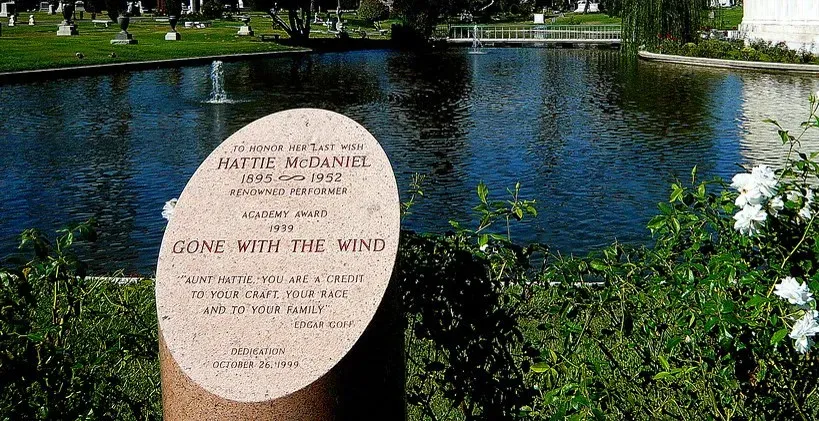
Gone with the Wind’s awards acclaim is significantly tainted in hindsight: co-star Hattie McDaniel’s win for Best Supporting Actress at the 12th Academy Awards came with the indignity of the actress still having to be segregated during the ceremony, forced to sit at a table at the back of the room, away from her white co-stars. For decades, the film was treated as an unimpeachable classic, a monument to Hollywood craftsmanship and epic storytelling.
In modern times, Gone with the Wind has sparked debates over censorship, content warnings, and even temporary removals from streaming platforms. It’s striking that what was once considered a romantic epic is now viewed by many as deeply problematic propaganda. Critics who once pointed to it as a towering achievement now tend to navigate around it carefully, acknowledging its technical scale while struggling to defend its romanticization of the antebellum South.
4. Rain Man (1988)

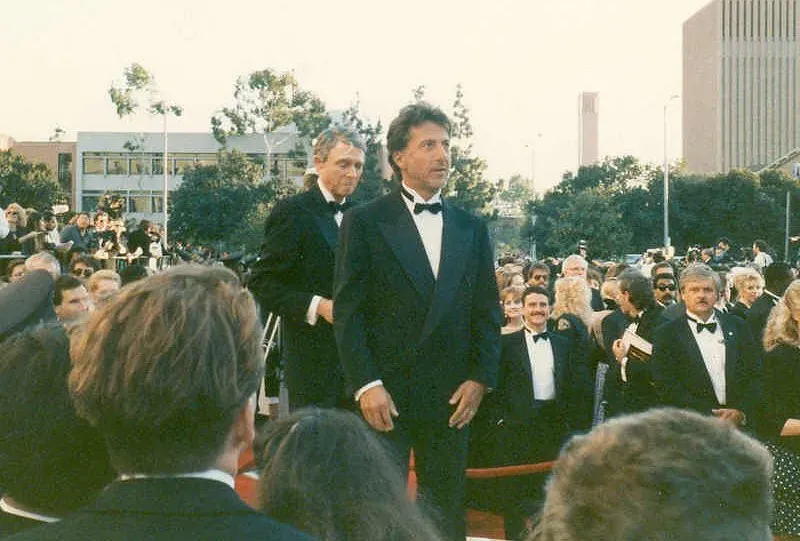
Rain Man won four Academy Awards in 1989, including Best Picture, Best Director for Barry Levinson, and Best Actor for Dustin Hoffman. The film was widely celebrated as a sensitive and groundbreaking portrayal of autism, and Hoffman’s performance was treated as a revelatory act of transformation. For a mainstream Hollywood film of that era, the subject matter genuinely felt like fresh, important territory.
Rain Man hasn’t aged particularly well, mainly because almost the entire story is filtered through Charlie, leaving Raymond more as a tool for his brother’s growth than a fully realized character. Whether that qualifies as a fundamental failure depends on the viewer. The film is also widely criticized for establishing a lasting stereotype – that every autistic person is a quirky savant with extraordinary abilities – a distortion that doesn’t hold up under today’s critical lens. Disability advocates have been pointing this out for years, and the critical world has slowly caught up.
5. The Help (2011)

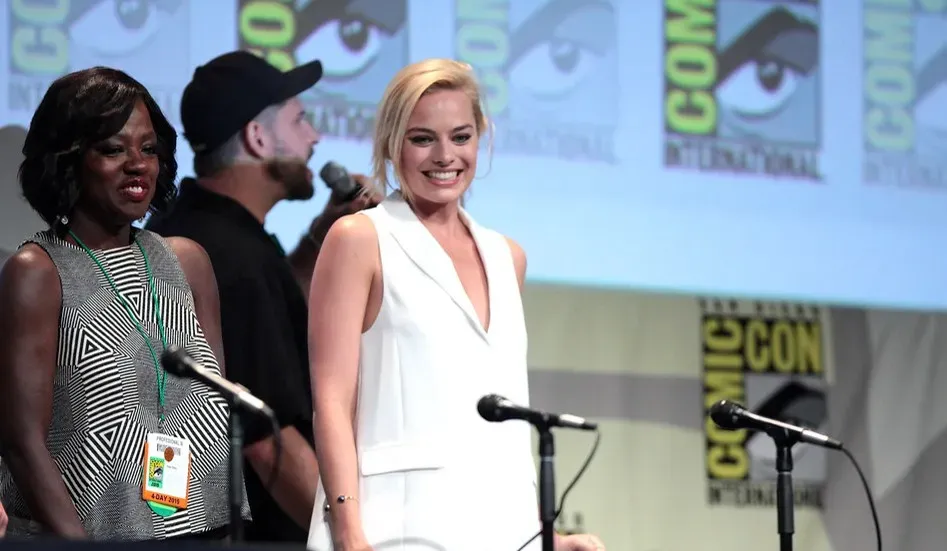
The Help follows young writer Skeeter, played by Emma Stone, who decides to tell the stories of Black maids working for white families in 1960s Mississippi. At the time of its release, it was considered an inspiring film – but over time, it became clear that the story’s focus had been seriously misplaced. The film earned four Academy Award nominations and was a major box office success, pulling in audiences who left the theater feeling moved.
Partner offer

The Help has since been widely criticized as a “white savior movie,” putting a white protagonist at the center of a struggle that wasn’t hers, while simplifying racial issues into an easy-to-digest package that ignores the harsh realities of the experience it depicts. Viola Davis even publicly said she regretted participating. The critical reassessment has been thorough and, at this point, largely settled.
6. Forrest Gump (1994)

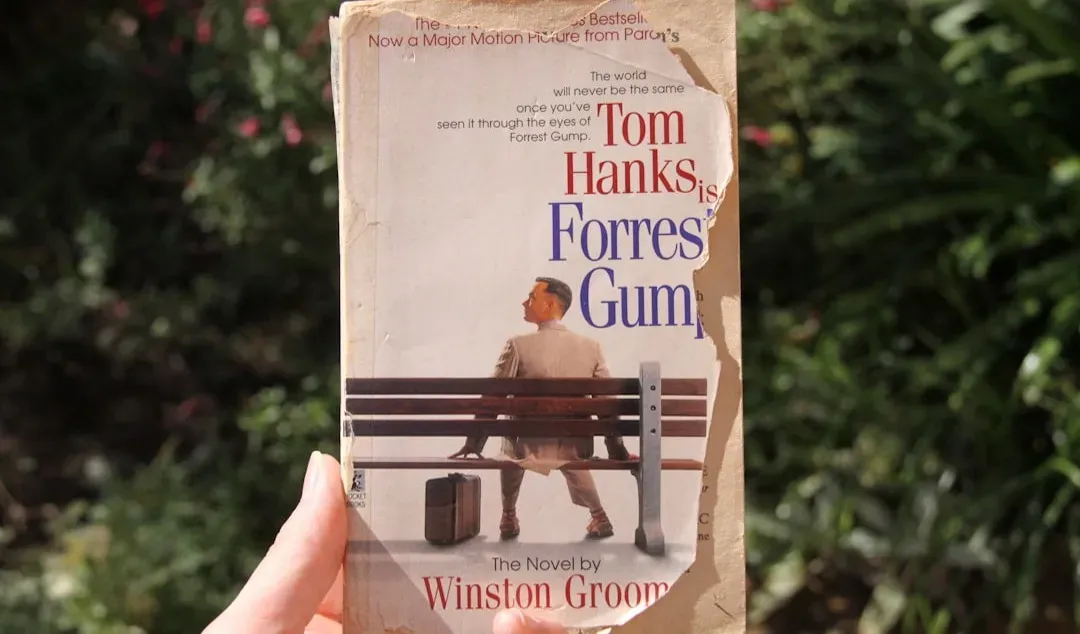
Few films have been as iconic and celebrated as Forrest Gump. The modern tall tale follows a simple man who, almost without realizing it, navigates and even influences decades of American history. Winning six Oscars, the movie has a creative and inspiring plot, no doubt about it. At the time, the film felt like a triumphant celebration of American resilience, and audiences embraced it enormously.
Among the most frequently cited grievances is that Forrest Gump beat indisputable classics like Pulp Fiction and The Shawshank Redemption at that year’s Academy Awards. Revisiting the film with fresh eyes, many critics now find its passive protagonist more troubling than charming – a vessel through which history becomes comfortable and consequence-free. The nostalgia hasn’t entirely evaporated, but the reverence certainly has thinned considerably over the decades.
7. Breakfast at Tiffany’s (1961)

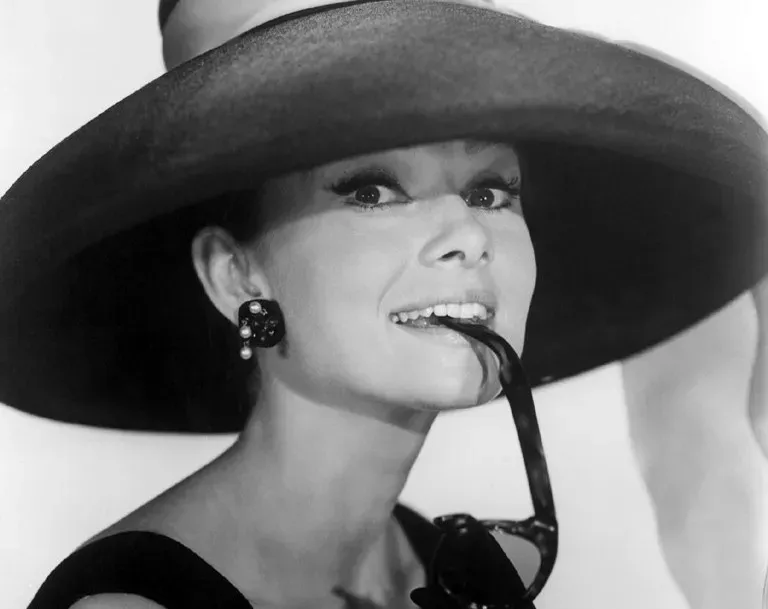
Audrey Hepburn’s most iconic role to date, Holly Golightly goes through life seemingly carefree as she sports Givenchy attire and dates older men to sustain her socialite lifestyle. In reality, Holly is filled with existential dread about where she belongs in life. The film was a major critical and commercial success on release, and Hepburn became so thoroughly associated with it that the two became nearly inseparable in cultural memory.
The elephant in the room has always been Mickey Rooney’s portrayal of the Japanese neighbor Mr. Yunioshi, a performance built on grotesque racial caricature that critics of the era largely overlooked or excused. Some films that were highly praised in their day now feel dated, problematic, or uncomfortable to watch – whether it’s your first time seeing them or a rewatch decades later. Breakfast at Tiffany’s is perhaps the cleanest example of a film where one element has come to define how the whole is now perceived.
8. Vertigo (1958)

Vertigo’s critical trajectory is actually unusual because it runs in both directions at once. Famously brushed off by Time magazine as “another Hitchcock-and-bull story,” Vertigo was largely overlooked by both audiences and critics upon its release. Frustrated by its poor reception, Hitchcock withdrew the film from circulation in 1973, and it wasn’t seen again until a decade after his death, when it was finally re-released and eventually started topping prestigious critics polls. For a long stretch, it was the greatest film ever made according to major critical polls.
More recently, however, a quieter counter-movement has emerged. Critics and scholars have pushed back on the film’s treatment of its female lead – essentially a woman who is reshaped, dressed, and renamed to fit a man’s obsession – and asked whether our admiration for Hitchcock’s technical mastery has prevented an honest reckoning with its troubling core. The film didn’t fall from polls as dramatically as others on this list, but the conversation around it has shifted in ways that would have been unthinkable during its long reign at the top.
9. The Shining (1980)


Directed by Stanley Kubrick and based on a novel by Stephen King, The Shining earned mixed-to-negative reviews and underperformed relative to expectations at the box office. Critics at the time were divided over its pacing, ambiguity, and departure from traditional horror conventions. Even King himself famously criticized the adaptation. The film actually earned Kubrick the worst reviews of his career and even a Razzie nomination for Worst Director.
Over the years, The Shining was reevaluated as a landmark in psychological horror, and its haunting imagery, unsettling atmosphere, and layered storytelling cemented its place as one of the greatest horror films ever made – far removed from its rocky beginnings. The twist here runs in reverse: The Shining belongs on this list not because critics abandoned it, but because they initially did, only to reverse course so completely that the film is now sometimes overcelebrated in ways that obscure some of its genuine weaknesses. The pendulum rarely stops in the middle.
What these nine films share isn’t badness. Several of them are still genuinely worth watching, whatever their flaws. What they share is the peculiar fate of having been crowned too completely, elevated too fast, and then left exposed when the cultural moment that made them possible quietly moved on. Critical opinion is not a verdict. It’s always a conversation in progress.
Partner offer
Planning a trip to Vegas?
Compare hotel rates and show tickets on VEGAS.com.