Hollywood loves a comeback story, and sometimes that story takes decades to tell. While most sequels arrive within a few years of their predecessor, riding a wave of box office momentum, a handful of franchises have waited a generation or more before returning to theaters. These long delayed follow ups often carry extra weight, reuniting original stars, revisiting beloved characters, and asking audiences to measure how much time has actually passed.
What makes this list interesting is how different the motivations were for each project. Some sequels came from technological leaps that finally made a story possible, others from nostalgia cycles that studios decided were ripe for cashing in on. Below are nine films whose sequels landed more than three decades after the originals first hit theaters.
1. Mary Poppins (1964) to Mary Poppins Returns (2018)

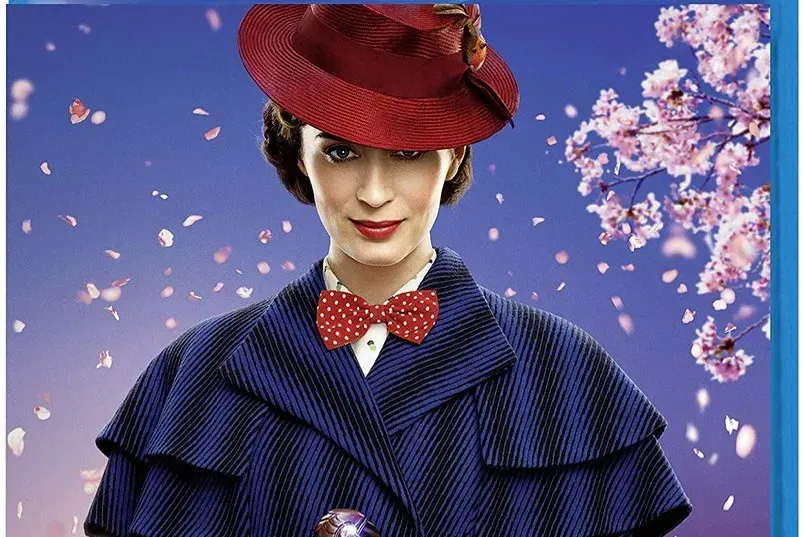
Disney waited fifty four years to send its famously tidy nanny back into theaters, and the gap remains one of the longest on this list. The delay meant the follow up arrived long after the original cast had aged out of the story, requiring an entirely new generation of Banks children. Emily Blunt stepped into the role Julie Andrews made iconic, while Dick Van Dyke made a memorable cameo, tying the two eras together.
Director Rob Marshall leaned heavily into the visual style of the 1964 film, including hand drawn animation sequences that echoed the original’s blend of live action and animated worlds. The setting shifted from the Edwardian era to the Great Depression, giving the sequel its own historical identity rather than simply repeating the original’s plot beats. Critics generally praised it as a respectful continuation rather than a cash grab, which is not always the case with decades old franchises.
2. The Exorcist (1973) to The Exorcist: Believer (2023)

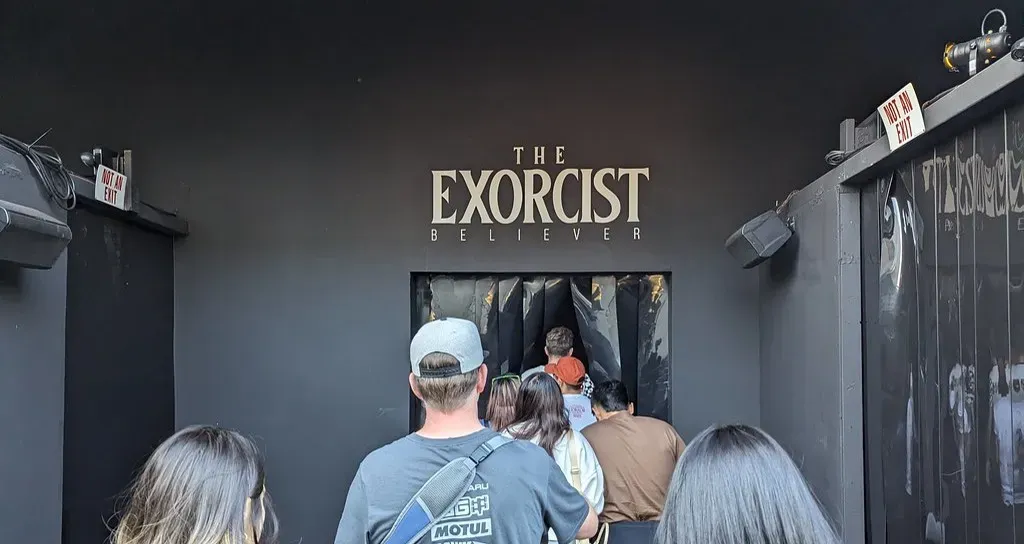
Fifty years separated William Friedkin’s horror landmark from this direct legacy sequel, making it the largest gap on this entire list. Ellen Burstyn returned as Chris MacNeil, the mother from the original film, giving longtime fans a direct thread back to 1973. The sequel followed the trend set by other horror franchises of bringing back a single original cast member to anchor a new story built around different characters facing similar supernatural threats.
Unlike some legacy sequels that were warmly received, The Exorcist: Believer struggled with critics and audiences, who felt it lacked the psychological dread that made the original so effective. Still, its production alone demonstrates how studios view classic horror properties as evergreen, worth revisiting even half a century later. Universal had reportedly planned a trilogy before scaling back those ambitions after the film’s reception.
3. Halloween (1978) to Halloween (2018)

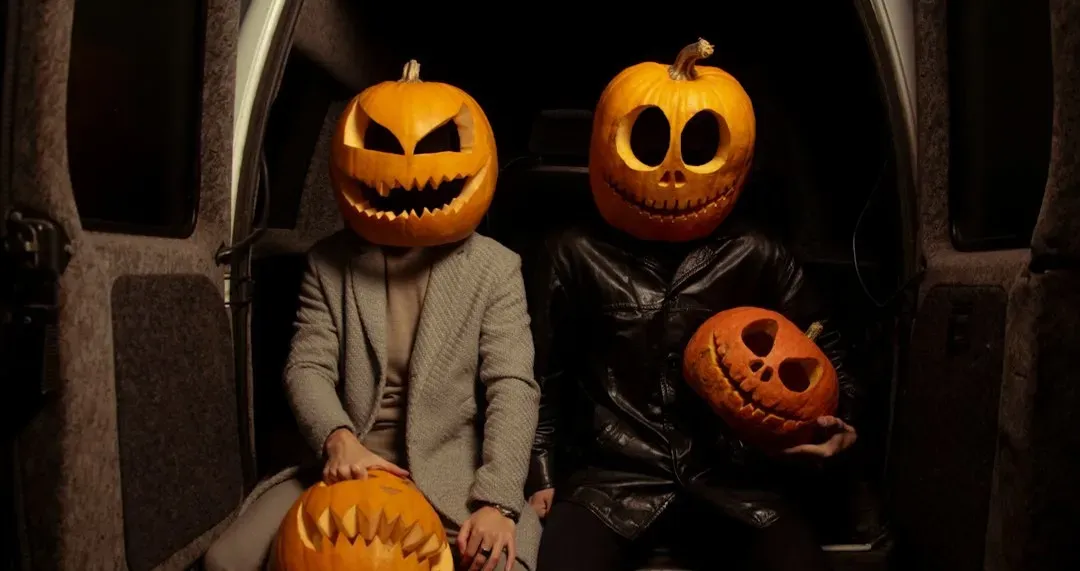
John Carpenter’s slasher classic got a direct sequel forty years later that wisely ignored every other Halloween sequel made in between. This version, directed by David Gordon Green, treated the intervening decades as real time that had passed for its characters rather than resetting the clock. Jamie Lee Curtis returned as Laurie Strode, now grappling with decades of trauma from her original encounter with Michael Myers.
The approach worked remarkably well commercially, with the film becoming one of the highest grossing entries in the franchise’s history. It also kicked off a new trilogy that concluded with Halloween Ends in 2022, proving that a well timed return to a dormant series can reignite interest far more effectively than yet another quick follow up. The forty year gap became part of the marketing itself, framed as a genuine reckoning rather than a retread.
4. Blade Runner (1982) to Blade Runner 2049 (2017)

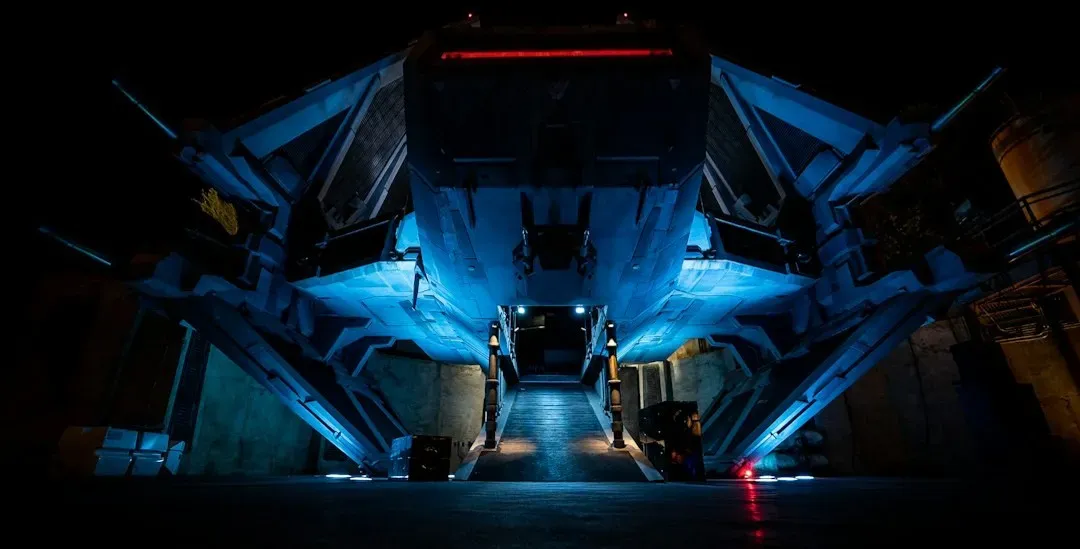
Ridley Scott’s cult science fiction film waited thirty five years for its sequel, and the wait mirrored the story’s own themes of memory and time. Harrison Ford returned as Rick Deckard, now decades older, opposite Ryan Gosling’s new replicant hunter character. Denis Villeneuve directed, bringing a visual sensibility that honored the original’s neon soaked aesthetic while expanding the scope of its world.
Despite critical acclaim and technical praise, the film underperformed at the box office relative to its budget, a reminder that long awaited sequels do not always translate into guaranteed audience turnout. It has since gained a stronger reputation on home video and streaming. The film’s slow burn pacing and philosophical bent made it a talking point among cinephiles even as mainstream audiences stayed lukewarm on opening weekend.
5. Tron (1982) to Tron: Ares (2025)

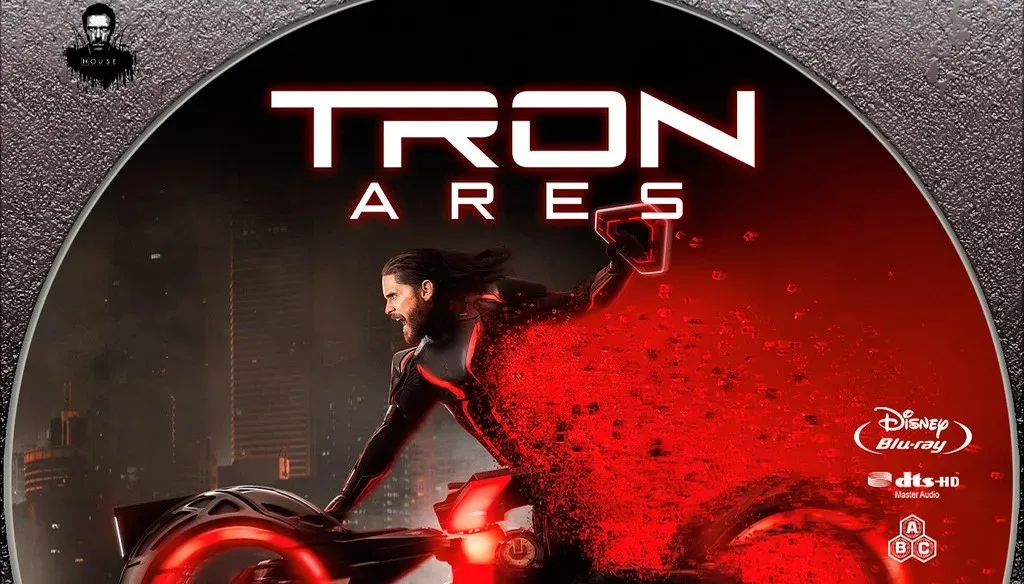
The original Tron, directed by Steven Lisberger, grossed fifty million dollars in 1982 and became known for its pioneering visual effects rather than box office dominance. In addition to Tron: Legacy and Tron: Ares, the franchise also inspired the 2012 animated series Tron: Uprising. Tron: Ares finally arrived forty three years after the original, following an earlier sequel, Tron: Legacy, that had bridged the gap in 2010.
Partner offer

Tron: Ares premiered in Los Angeles on October 6, 2025, before a general release followed on October 10, and received mixed reviews from critics, while it was considered a box office disappointment, grossing 142 million dollars worldwide on a production budget of 180 to 220 million dollars. The film starred Jared Leto and marked a new chapter that did not require direct continuity with Tron: Legacy’s plot. The sequel, directed by Joachim Rønning, takes place after Tron: Legacy and centers on a highly sophisticated program named Ares, who is sent from the digital world into the real world on a dangerous mission, marking humankind’s first encounter with A.I. beings. Its box office struggles echoed a broader pattern seen across this list, where long gaps between films do not always guarantee commercial success even when the visual spectacle delivers.
6. Ghostbusters (1984) to Ghostbusters: Afterlife (2021)

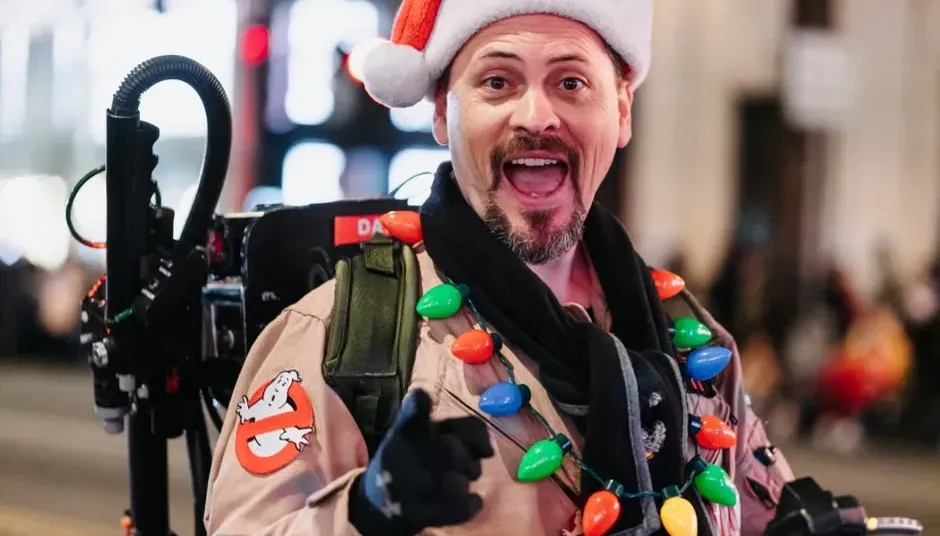
Ivan Reitman’s original comedy waited thirty seven years for a direct legacy sequel that shifted focus to the grandchildren of one of the original Ghostbusters. Directed by his son Jason Reitman, the film blended nostalgia with a fresh coming of age story set in a small Oklahoma town rather than New York City. Original cast members including Bill Murray, Dan Aykroyd, and Sigourney Weaver returned in supporting roles, giving longtime fans the reunion they had waited decades for.
The film performed well enough to spawn a follow up, Ghostbusters: Frozen Empire, released in 2024, which returned the action to New York and expanded the cast further. This two step approach, a legacy sequel followed by a more traditional continuation, has become something of a template for franchises resurrected after long dormancy. It suggests studios see these long gapped sequels less as one off events and more as relaunch points for entirely new sequences of films.
7. Top Gun (1986) to Top Gun: Maverick (2022)

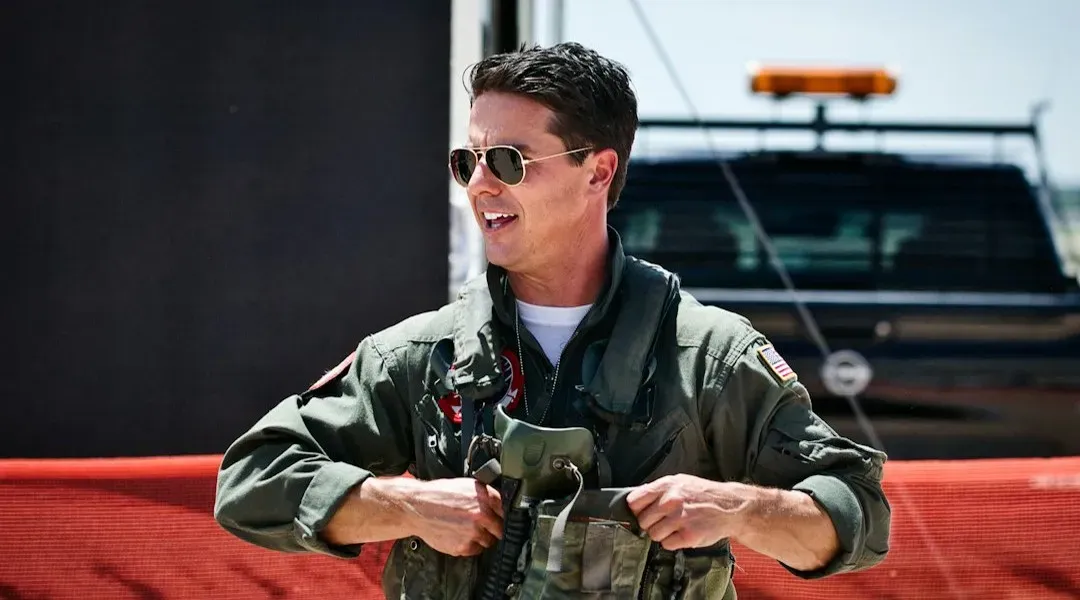
Tom Cruise waited thirty six years to reprise Pete Mitchell, and the delay became part of the film’s appeal rather than a liability. Top Gun: Maverick leaned into the passage of time explicitly, with Maverick now training a new generation of pilots including the son of his late friend Goose. The film balanced practical aerial photography with emotional callbacks to the original, giving it a texture that felt earned rather than manufactured.
Commercially, it became one of the biggest box office successes of the early 2020s, helped along by pandemic era theatergoing enthusiasm and overwhelmingly positive word of mouth. Critics frequently cited it as proof that a legacy sequel could exceed the original in craft and emotional resonance. Its success reshaped how studios thought about aging action stars returning to signature roles after long absences.
8. Coming to America (1988) to Coming 2 America (2021)

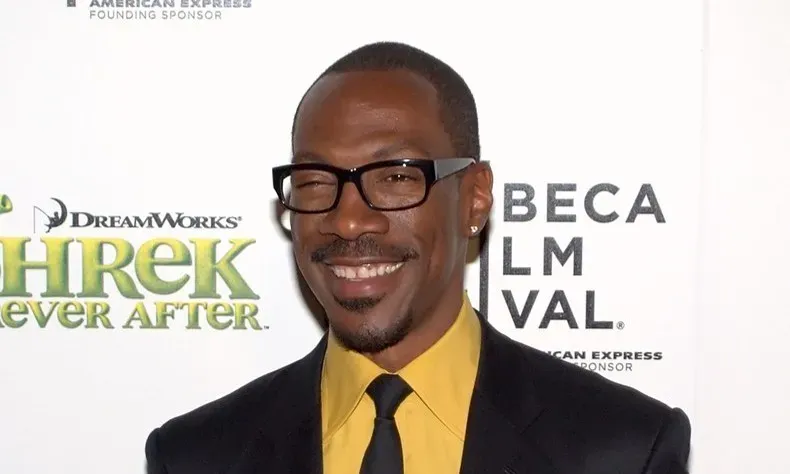
Eddie Murphy returned to the role of Prince Akeem thirty three years after the original comedy became a cultural touchstone. The sequel followed Akeem discovering he had a long lost son in America, giving the story a fresh generational hook similar to other legacy sequels on this list. Arsenio Hall also returned, and the film brought back several actors from the original cast in expanded or new roles.
Released directly on Amazon Prime Video rather than in theaters, the sequel arrived during a period when streaming had reshaped how long delayed follow ups reached audiences. Reviews were mixed, with many noting it lacked the sharp satire of the original, though it still drew significant viewership on the platform. The decision to skip a traditional theatrical release also reflected how the pandemic altered release strategies for major studio comedies during that period.
9. Beetlejuice (1988) to Beetlejuice Beetlejuice (2024)

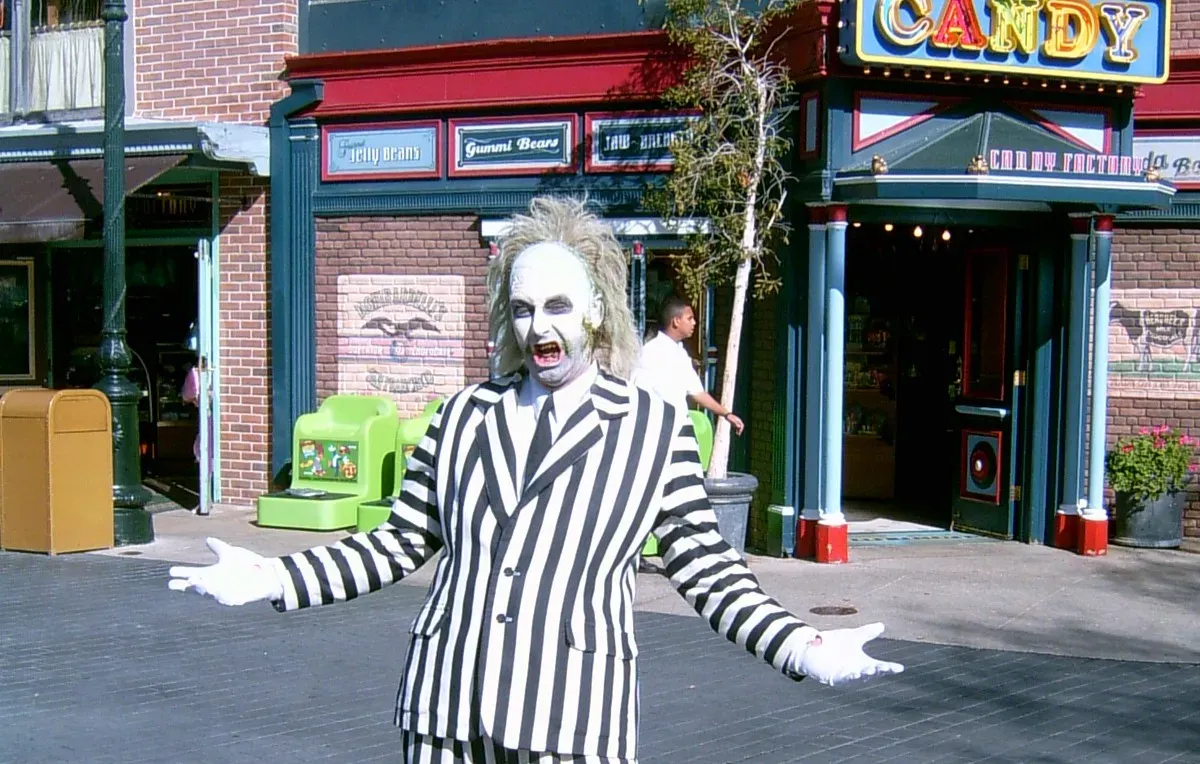
Tim Burton’s ghoulish comedy waited thirty six years for a direct sequel, one of the longest gaps for a film that never lost its cult following in the interim. Michael Keaton returned as the title character, joined by Winona Ryder reprising her role as Lydia Deetz, now an adult with a teenage daughter of her own. Jenna Ortega joined the cast as that daughter, bringing a newer generation of fans into a story rooted firmly in late eighties sensibilities.
The film became a substantial box office hit upon release, proving that Burton’s distinctive visual style and practical effects heavy approach still resonated with modern audiences. Its success arrived amid a broader wave of legacy sequels hitting theaters in the mid 2020s, suggesting studios had found renewed confidence in reviving dormant properties regardless of how much time had passed. The film’s reception also reaffirmed Keaton’s enduring appeal in a role many assumed would never return to screens.
These nine films share a common thread beyond their long gaps: each one asked audiences to accept that time had genuinely passed, both for the characters on screen and for the fans who grew up with the originals. Some leaned into that passage of time as a storytelling asset, while others simply used it as a marketing hook to lure back a built in audience. Either way, the trend shows no sign of slowing, with studios increasingly willing to wait decades if it means resurrecting a title with proven brand recognition.
Partner offer
Planning a trip to Vegas?
Compare hotel rates and show tickets on VEGAS.com.