Some artists tweak their sound every few years just to stay interesting. Others go so far off the map that longtime fans need a minute to catch up, wondering if they accidentally clicked on the wrong artist page. What follows are nine cases where the transformation wasn’t subtle at all, it was a near-total reinvention, spread out over roughly ten years, that left old fans scratching their heads and new ones wondering what the fuss over the “old stuff” was even about.
1. Justin Bieber: from teen pop idol to R&B adult


Bieber’s early career ran on bubblegum hooks and a voice that hadn’t fully settled into adulthood, the kind of sound built for stadiums full of screaming preteens. By the time “Purpose” arrived in 2015, that persona was gone, replaced by an album laced with lots of electronic beats, featuring collaborations from Skrillex, Diplo, and Halsey. Critics at the time described it as a genuine leap in maturity rather than a cosmetic rebrand.
Purpose was described as a mix of EDM and dance-pop, with influences of tropical house in some tracks and live instruments such as acoustic guitars in some others. The commercial response backed up the artistic shift too, since it debuted at number one on the US Billboard 200, earning 649,000 album-equivalent units in its first week. Anyone who last paid attention during the “Baby” era would have needed a moment to place the guy singing “Sorry” as the same kid.
2. Bon Iver: from cabin folk to glitchy electronics


Justin Vernon built his reputation on hushed, wintery folk recorded largely alone in a Wisconsin cabin. “For Emma, Forever Ago” became a template for a generation of quiet, acoustic singer-songwriters. Fast forward less than a decade, and acoustic instruments were replaced with electronic ones, his soft voice was auto-tuned and processed through a vocoder, and samples, loops and audio manipulations of all kinds structured the record’s brief songs on 2016’s “22, A Million.”
The shift wasn’t just a stylistic detour, it was a full sonic reconstruction. One review put it plainly: what once was an artist that captured you with his ear pleasing falsetto and acoustic playing folk had been transformed into something more spacey and ethereal, highlighted by synthesizers, electronic beeps and well-placed beats. Longtime listeners either embraced the risk or felt like they’d wandered into a different band’s discography entirely.
3. Miley Cyrus: from Disney pop to raw rock and soul

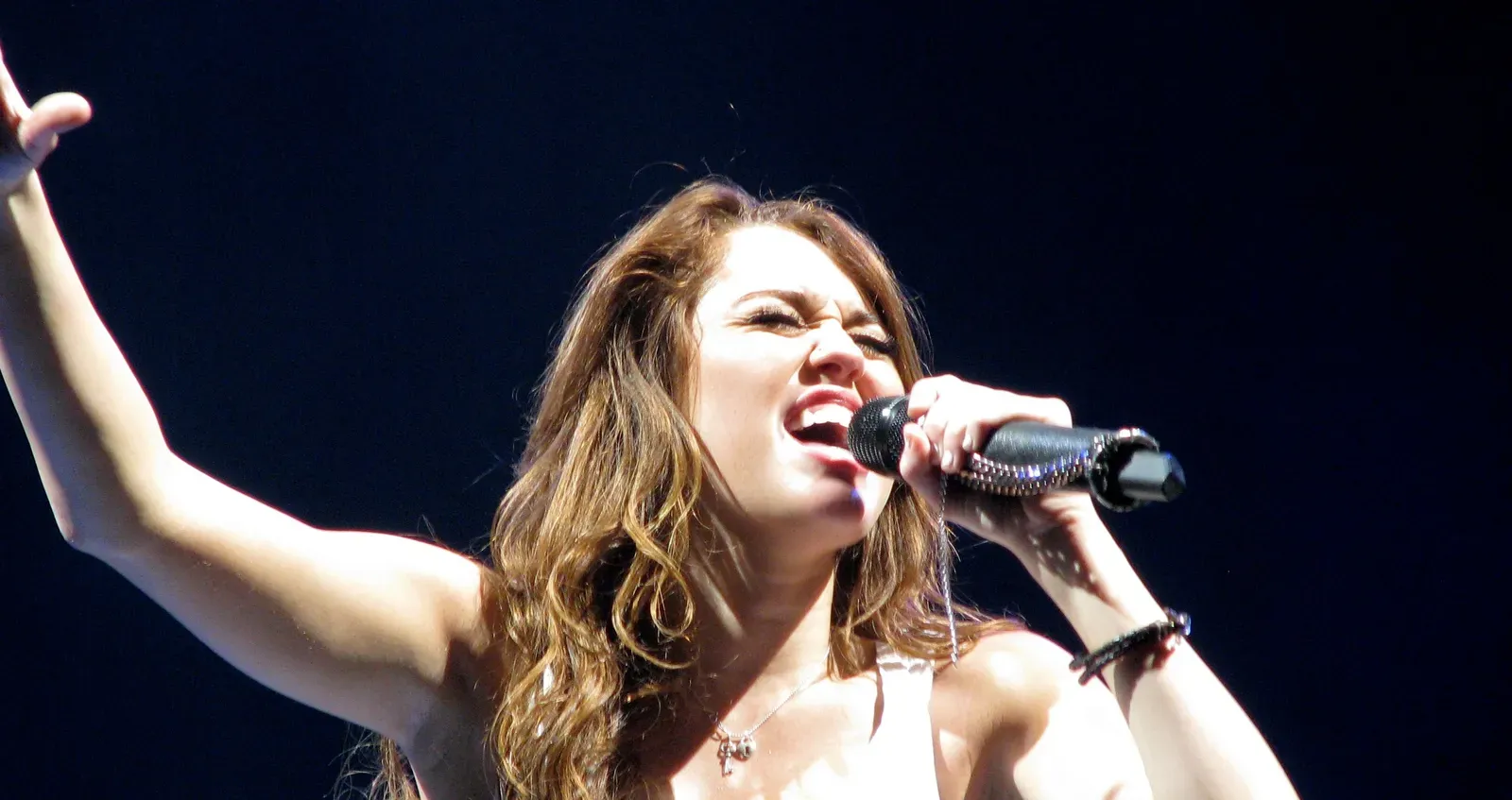
Cyrus spent her early career as a Disney Channel product, all clean hooks and family-friendly image tied to Hannah Montana. The “Bangerz” era in 2013 flipped that persona hard, trading polish for provocation and hip-hop-inflected pop. By the time “Plastic Hearts” landed in 2020, she had pivoted again, this time toward gritty, guitar-driven rock that drew comparisons to Joan Jett and Stevie Nicks, both of whom appeared on the record.
What makes her case notable is the sheer number of distinct eras crammed into one decade, country-pop kid, twerking provocateur, psychedelic art-pop experimenter, and finally rock revivalist. Few artists cycle through that many identities while keeping a consistent fan base engaged. It’s less a single transformation and more a string of them, each one loud enough to make the last feel like a different person’s career.
4. Kanye West: from soulful sampler to industrial provocateur
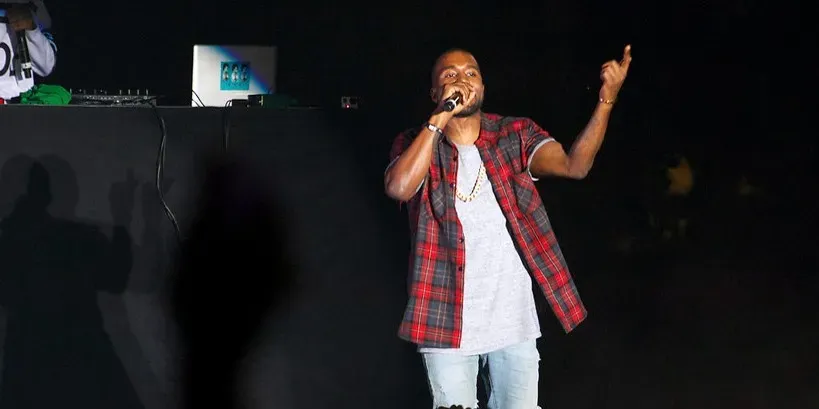
West built his name on chipmunk-pitched soul samples and warm, boom-bap production on records like “The College Dropout” and “Late Registration.” That version of him felt worlds away from the artist who released “Yeezus” in 2013, a stripped-down, abrasive record built on industrial noise, minimal drums, and confrontational lyrics. The change wasn’t just musical either, his public persona shifted just as sharply alongside the sound.
By the time he was releasing music under the name Ye later in the decade, the sonic palette had shifted again toward gospel choirs and sparse, spiritual arrangements on records like “Jesus Is King.” Fans who fell in love with the sample-heavy warmth of his 2000s work often found the industrial and later gospel-adjacent eras jarring, even alienating. Few mainstream artists have moved through so many opposing sonic identities while retaining this level of cultural relevance.
5. Taylor Swift: from country storyteller to synth-pop and folk auteur

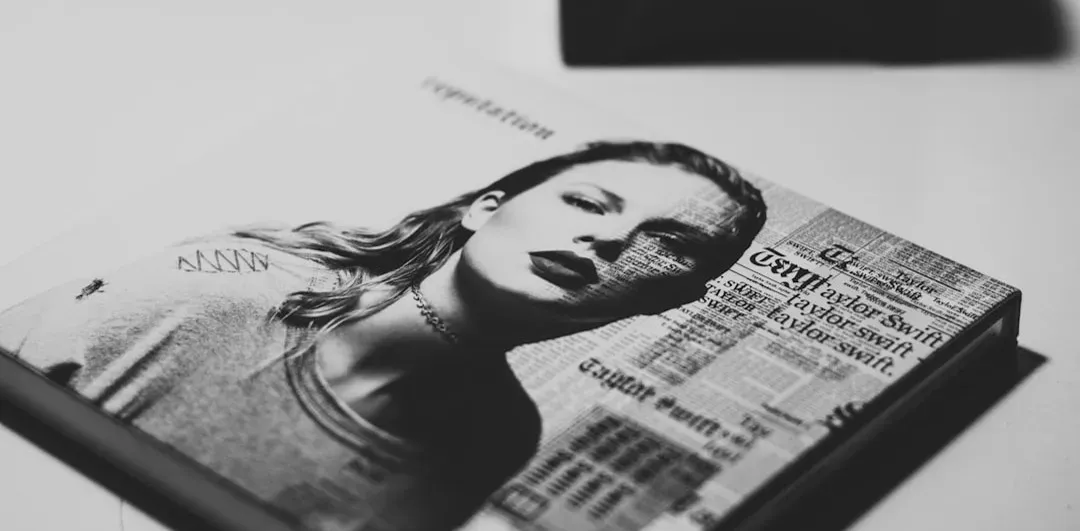
Swift’s early albums were built on banjos, fiddles, and diary-style lyrics aimed squarely at a country audience. By “1989” in 2014, she had shed nearly every trace of that sound in favor of glossy, eighties-inspired synth-pop. The pivot was deliberate and total, not a single song on the record leaned on the twang that defined her debut.
Then came another turn entirely during 2020, when she released “Folklore” and “Evermore,” hushed, indie-folk records built with Aaron Dessner of The National, trading stadium pop for muted acoustic textures and literary songwriting. Someone who only knew “Fearless” era Swift and then heard “Folklore” cold might reasonably assume they were different artists. Few pop careers have swung this dramatically between genres while each version still topped the charts.
Partner offer

6. David Bowie: from folk oddity to glam icon to Berlin experimentalist

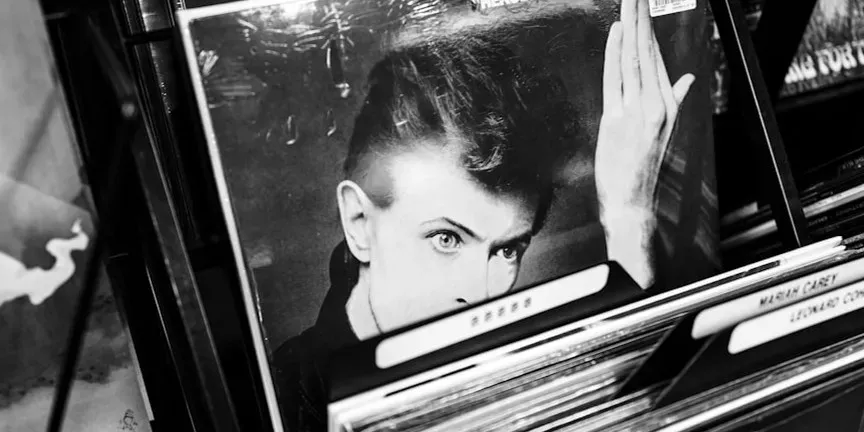
Bowie’s transformations are practically the template every artist on this list gets compared to. He started as a fairly conventional English folk and pop singer in the late sixties, then reemerged as Ziggy Stardust, a glam-rock alien persona built on theatrical costuming and searing guitar work. Within roughly a decade he had shed that persona entirely too.
By the late seventies, Bowie had relocated to Berlin and was making stark, atmospheric records with Brian Eno that leaned heavily on ambient textures and electronic experimentation, a world away from the glam theatrics that made him famous. The through-line was his voice and songwriting instinct, but almost everything else, the instrumentation, the visual identity, the entire sonic mood, changed completely. It’s the reason his career is still cited as the gold standard for reinvention done with artistic purpose rather than just chasing trends.
7. Beck: from lo-fi slacker rap to orchestral folk balladeer

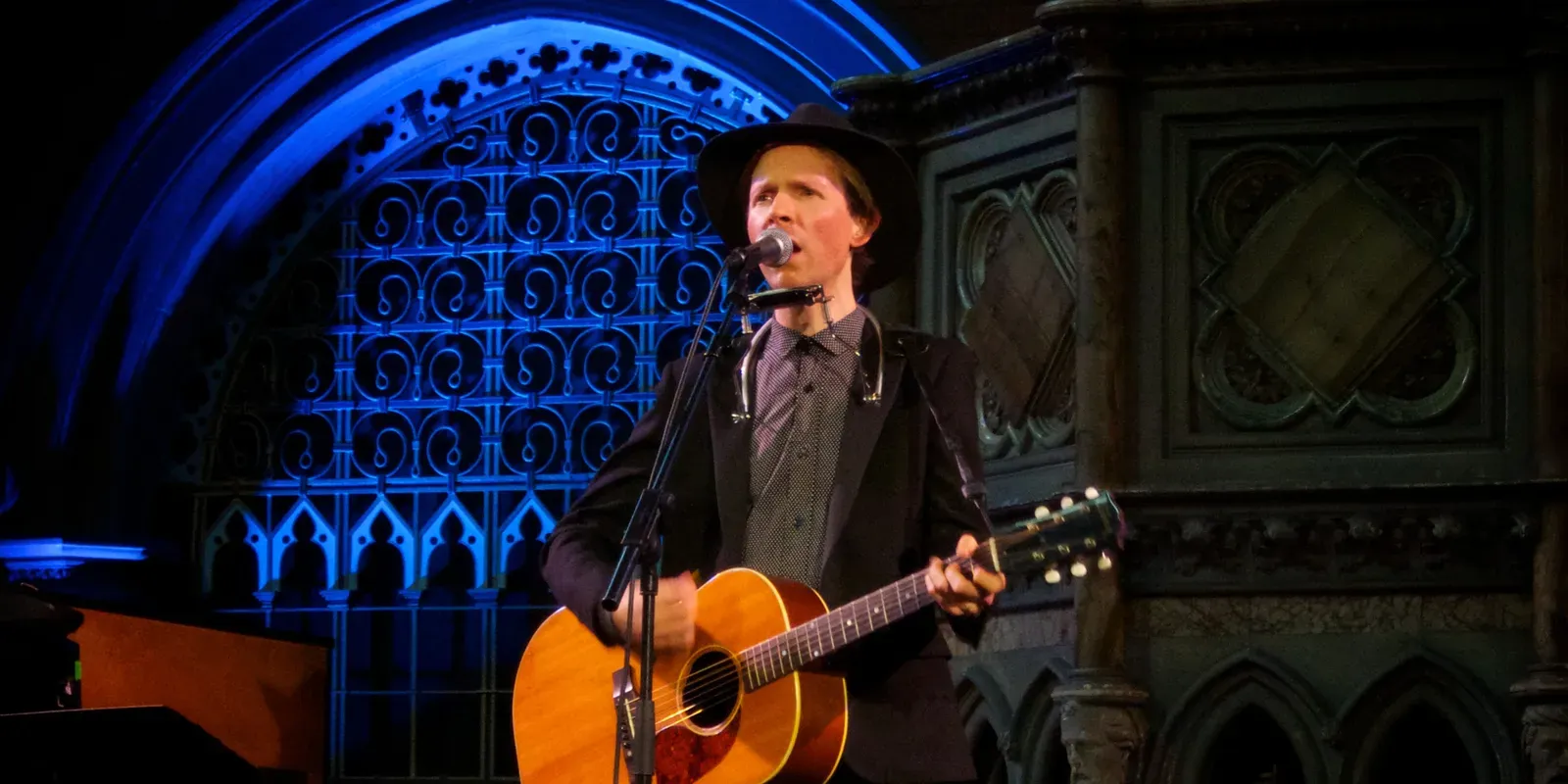
Beck first broke through with “Loser,” a scrappy, sample-heavy slacker anthem that mixed folk, hip-hop, and irony into something that felt deliberately unpolished. That loose, genre-blending chaos defined much of his nineties output. A decade later, records like “Sea Change” showed an almost unrecognizable version of the same artist.
“Sea Change” traded jokes and samples for lush, orchestral arrangements and genuinely melancholic songwriting, built around a breakup and stripped of nearly all the irony that made him famous. The shift surprised critics who had pegged him as a novelty act incapable of sincerity. It remains one of the clearer examples of an artist using a stylistic overhaul to prove there was real depth underneath the earlier persona.
8. Lady Gaga: from theatrical pop shock to jazz standards and Americana

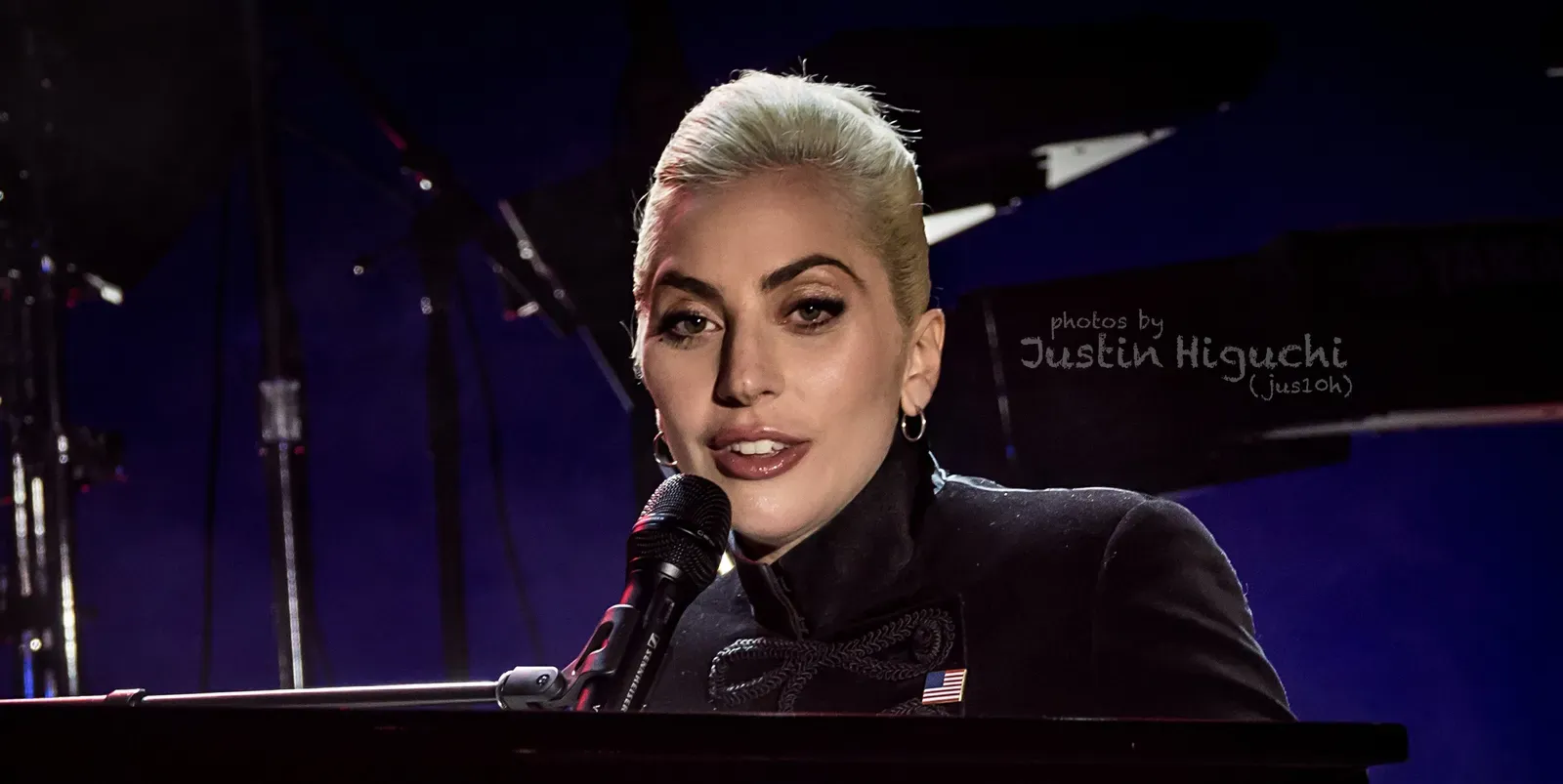
Gaga’s early career was built on maximalist pop spectacle, meat dresses, elaborate music videos, and dance-floor anthems like “Bad Romance” and “Poker Face.” That version of her dominated pop culture conversation for years. Less than a decade later, she released “Cheek to Cheek,” a full album of jazz standards recorded with Tony Bennett, followed soon after by “Joanne,” a stripped-down, Americana-leaning record built around acoustic instrumentation and personal songwriting.
The shift wasn’t a one-off either. She continued moving between personas, later returning to pop with “Chromatica” while also scoring an Academy Award nomination for her more traditional vocal work in “A Star Is Born.” Fans who associated her purely with theatrical shock value found themselves listening to a torch singer instead, and the range on display did as much to change her critical reputation as any single hit song could.
9. Justin Vernon aside, Sam Smith: from soulful balladeer to maximalist pop provocateur

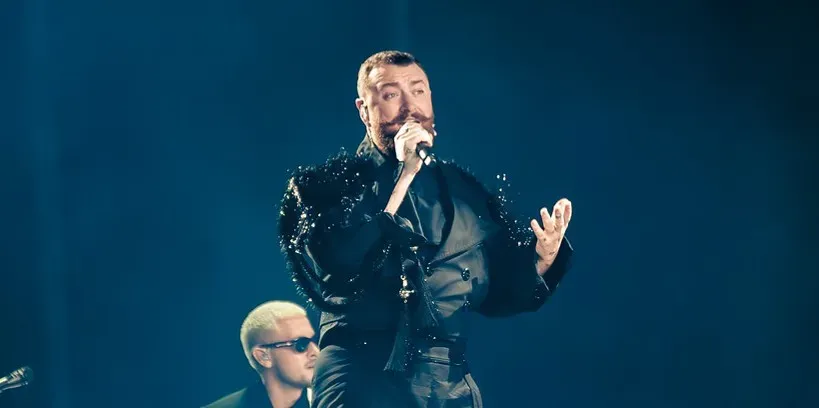
Sam Smith’s debut, “In the Lonely Hour,” was built almost entirely around aching, stripped-back vocal ballads, the kind of restrained soul-pop that made comparisons to Adele feel inevitable. That template carried through several years of similarly tender, piano-led singles. By the time “Gloria” arrived in 2023, the sound had shifted toward maximalist, theatrical pop with heavier electronic production and a much bolder visual and performance style.
The change extended beyond the music into public persona and stage presentation, with performances becoming noticeably more flamboyant and provocative than the reserved image of the early ballad years. Longtime fans who connected with the vulnerability of the debut sometimes struggled to reconcile it with the bigger, brasher pop sound that followed. It’s a reminder that vocal talent can remain constant even while nearly everything built around it changes.
Reinvention like this rarely happens by accident. Most of these artists could have kept making the same record for another decade and likely stayed commercially safe doing it. Instead, they gambled on sounding like someone else entirely, and in most cases, it either deepened their careers or opened them up to audiences who never would have listened otherwise.Partner offer
Planning a trip to Vegas?
Compare hotel rates and show tickets on VEGAS.com.