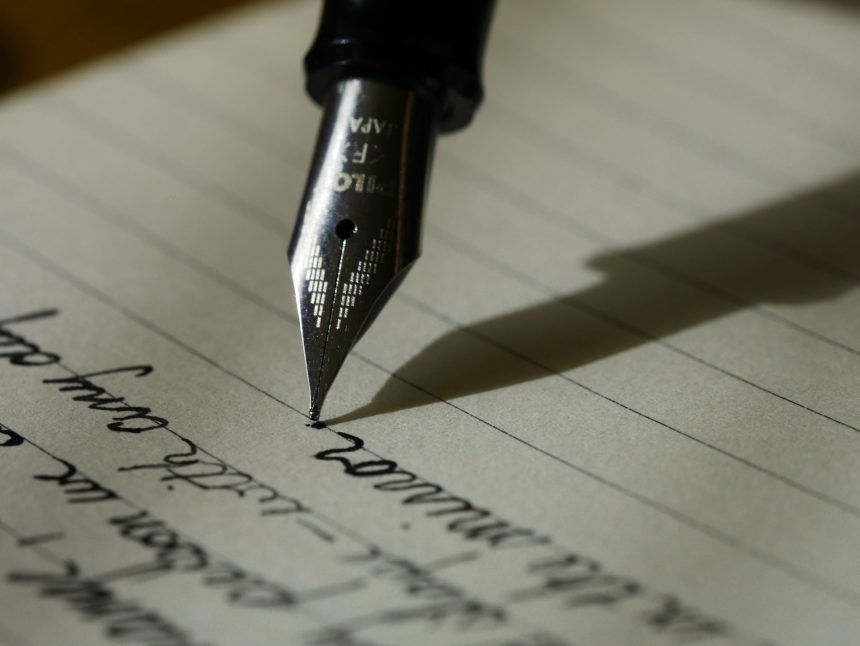
The epistolary novel is one of the oldest tricks in fiction. It hands the story to the characters themselves, one letter at a time, and leaves the reader to read between the lines.
Some of the books below are centuries old, while others are far more recent. Each one uses letters in a different way, and each shows what the form can do.
Pamela by Samuel Richardson

Published in 1740, Pamela follows a young servant who writes home about the advances of her employer, Mr. B. It is often named among the earliest English novels, and its letter form helped set the template for what came after. The story was hugely popular in its day, and it also drew parody.
Henry Fielding’s Shamela was written as a mocking response. Modern readers may find the moral tone heavy going. Still, the book matters for how it made private, immediate writing feel like drama.
Clarissa by Samuel Richardson


Clarissa appeared in 1748 and is famously long, often cited as one of the longest novels in English. It tells of Clarissa Harlowe, pressured by her family and pursued by the manipulative Lovelace. Their letters, and those of their confidants, tell the story from competing angles.
That shifting perspective is the real achievement. Readers see how the same events look different depending on who is writing. It remains a landmark of the form.
Les Liaisons dangereuses by Pierre Choderlos de Laclos

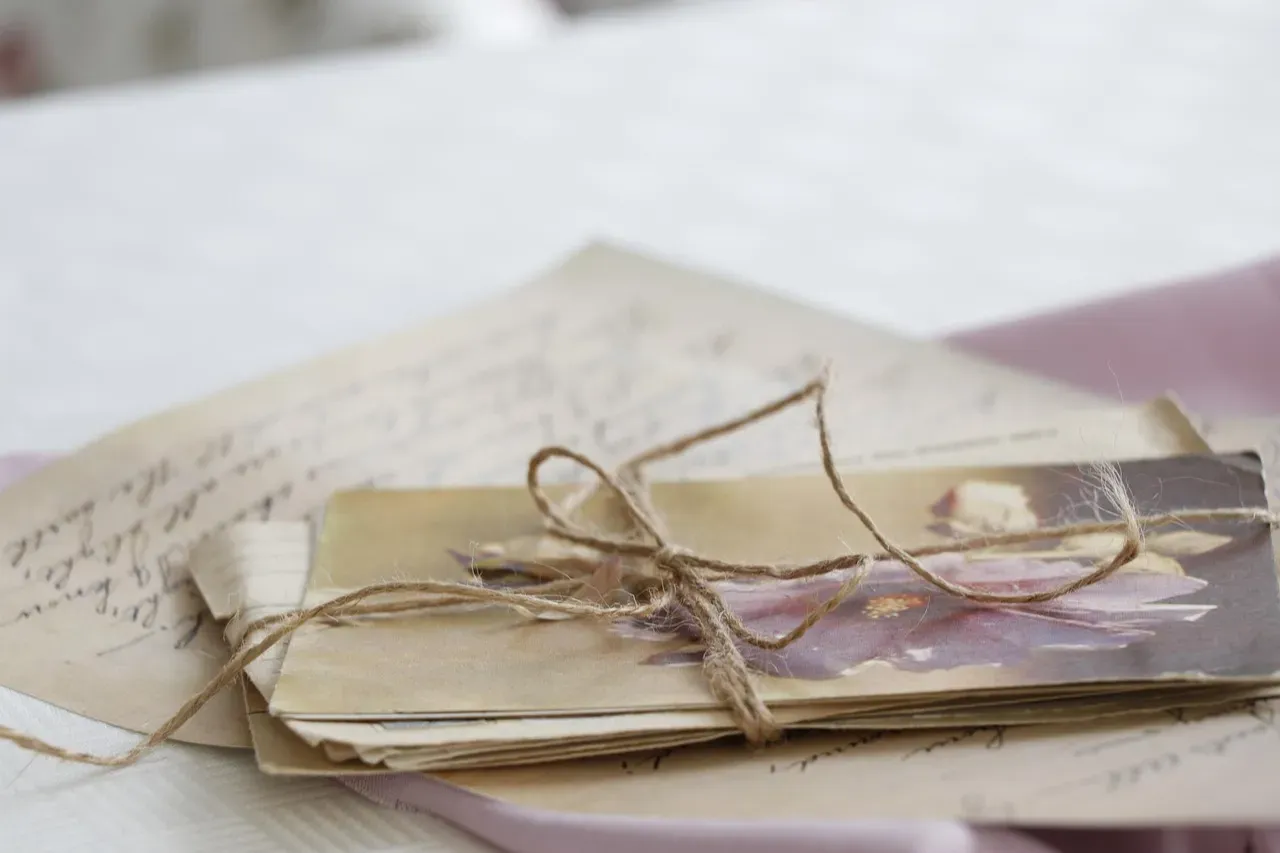
This French novel was published in 1782 and follows two aristocrats, the Marquise de Merteuil and the Vicomte de Valmont. They use seduction as a game, and their letters expose the cold calculation behind polite society. The book has been adapted many times for stage and screen.
What makes it sharp is the gap between what the characters write and what they truly intend. Letters become weapons here. The tone is elegant on the surface and ruthless underneath.
Frankenstein by Mary Shelley

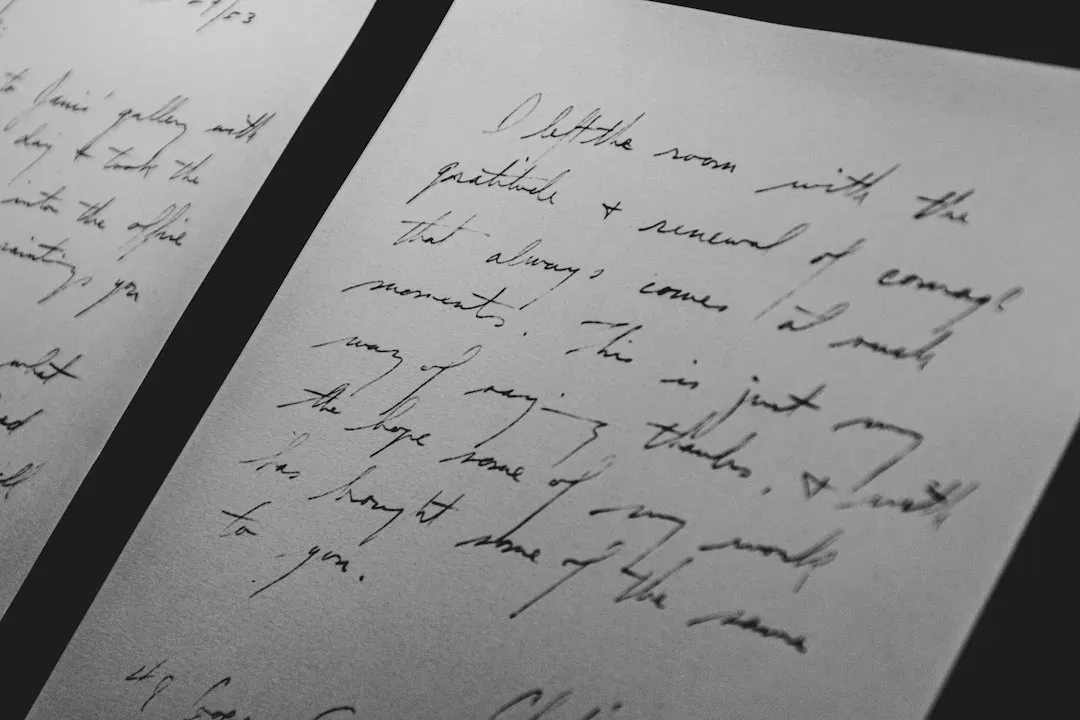
Frankenstein, first published in 1818, opens with letters from the explorer Robert Walton to his sister. Those letters frame the tale of Victor Frankenstein and his creature. The story therefore reaches us as a nested account, a narrative inside a narrative.
Many people remember the book for its science fiction themes, but its structure is epistolary at the edges. The letters give the fantastical story a sense of a sincere, reported record. It is a quiet but effective choice.
Partner offer

Dracula by Bram Stoker
Dracula, published in 1897, is told through diary entries, letters, telegrams, and newspaper clippings. Jonathan Harker, Mina Murray, and others each contribute their own documents. Together they piece together a threat none of them fully understands alone.
The mix of documents gives the story the feel of a case file. Readers assemble events as the characters do. That patchwork approach helped make the novel feel unusually immediate for its era.
The Color Purple by Alice Walker

Alice Walker’s 1982 novel begins with letters from Celie, a young Black woman in rural Georgia, addressed to God. Later, she exchanges letters with her sister Nettie. The book won the Pulitzer Prize for Fiction in 1983.
Celie’s plain, direct voice carries much of the book’s power. The letters let her speak honestly when no one around her will listen. It is an intimate form used to tell a story of survival and growth.
Where’d You Go, Bernadette by Maria Semple

Published in 2012, this comic novel pieces together the disappearance of Bernadette Fox from emails, letters, memos, and other documents. Her daughter Bee gathers them while trying to find her mother. The book was adapted into a 2019 film.
The format suits the satire, since everyday paperwork reveals so much about the characters. It shows the form can adapt to modern communication. Emails stand in where handwritten letters once did.
84, Charing Cross Road by Helene Hanff

Unlike the others, this book is a true collection of correspondence rather than fiction. It gathers letters between New York writer Helene Hanff and a London bookshop, beginning in 1949 and running for two decades. The book was first published in 1970.
It earns a place here because it reads like a novel in letters. The warmth builds slowly between a customer and the staff she never meets. It is a gentle, funny account of friendship by mail.
The Guernsey Literary and Potato Peel Pie Society by Mary Ann Shaffer and Annie Barrows

This 2008 novel is set in 1946 and follows writer Juliet Ashton, who begins corresponding with residents of Guernsey. Through their letters she learns about life on the island during the German occupation of the Channel Islands. A film adaptation followed in 2018.
The letters carry both humor and sorrow. Each correspondent adds a piece to the wider picture. The book shows how letters can draw a community together across distance.
Partner offer
Planning a trip to Vegas?
Compare hotel rates and show tickets on VEGAS.com.